Canine Rehabilitation in Pueblo, CO | K9-REPAIR
Pueblo sits at roughly 4,700 feet along the Arkansas River, and finding canine rehabilitation in Pueblo, CO usually means pairing a local veterinary team with a drive north for specialty equipment. Certified rehabilitation practitioners are concentrated along the Front Range corridor, so Pueblo owners often split care between a hometown…
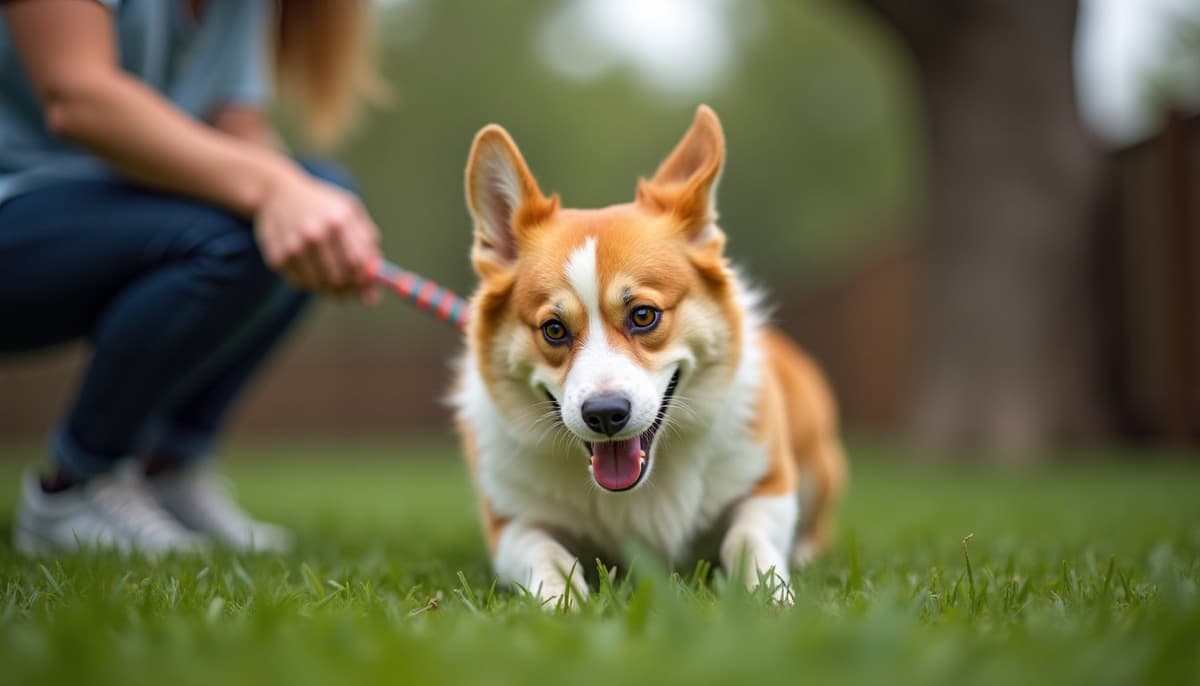
Pueblo sits at roughly 4,700 feet along the Arkansas River, and finding canine rehabilitation in Pueblo, CO usually means pairing a local veterinary team with a drive north for specialty equipment. Certified rehabilitation practitioners are concentrated along the Front Range corridor, so Pueblo owners often split care between a hometown clinic and a referral center. K9-REPAIR does not operate a clinic here. We publish plain-language recovery guidance and daily-support products for dogs rehabbing in Pueblo County.
Canine rehabilitation in Pueblo, CO typically starts with your primary veterinarian, who can refer you to a rehab-credentialed practice locally or in Colorado Springs. Expect roughly $75 to $200 for an initial evaluation and roughly $40 to $100 per follow-up session, though pricing varies widely by clinic, equipment and modality.
Canine Rehabilitation Across Pueblo, CO, and the Surrounding Area
Owners reach us from every corner of Pueblo, CO, including Belmont and University Park in the 81001 and 81008 zones, the Bessemer and Mesa Junction neighborhoods around 81004, downtown and Northside addresses in 81003, and the fast-growing stretch toward Pueblo West and the St. Charles Mesa in 81005 and 81006. Because full rehabilitation departments are sparse south of Colorado Springs, most of these households run a hybrid plan built around one clinic visit and daily work at home.
What Pueblo Residents Can Access
Underwater treadmill and hydrotherapy
Buoyancy lets a dog load a healing limb with less body weight while still rebuilding muscle. Few practices in Pueblo proper keep a tank on site, so many owners book a weekly session at a referral facility and do land-based homework the other six days.
Therapeutic exercise and manual therapy
Cavaletti rails, balance work, controlled sit-to-stands, targeted stretching and joint mobilization make up the core of most programs. This is the part you can genuinely continue at home in Belmont or Pueblo West once a credentialed therapist has taught you the form and the stopping points.
Laser therapy and other in-clinic modalities
Several general-practice veterinarians around Pueblo offer photobiomodulation (therapy laser) and electrical stimulation without running a full rehabilitation department. Research suggests these may support comfort and tissue recovery alongside a structured exercise plan. They are not a replacement for the exercise plan itself.
Daily support between appointments
Recovery happens in the twenty-plus hours a day your dog is not at a clinic. Alongside the mobility and joint options covered in pet supplements laramie wy for dogs, some owners explore research peptides such as BPC-157 and TB-500. These are not FDA-approved veterinary drugs, evidence in dogs is limited, and what owners report is anecdotal. Read peptides for dogs laramie wy first, and talk to your veterinarian before adding anything to a post-surgical protocol.
Credentials Worth Checking Before You Book
In Colorado, rehabilitation is performed by or under the supervision of a licensed veterinarian, so the first question to ask any Pueblo, CO practice is who designs the plan and who holds the license. Look for CCRP credentialing through the University of Tennessee or CCRT credentialing through the Canine Rehabilitation Institute, and ask how many post-operative cruciate cases the team handles. K9-REPAIR maintains all required state and local business licenses for the products we sell online. We are an education and supplement company, not a veterinary practice, and nothing here replaces your veterinarian's diagnosis or a prescribed treatment plan.
Clinic-Based Rehab, General Practice, or a Home Program?
Here's the honest answer: the underwater treadmill gets the marketing, but the variable that most separates good recoveries from poor ones is whether someone credentialed watched your dog move and corrected your home technique. A dog doing precise, well-taught sit-to-stands in a Bessemer kitchen five days a week will usually outperform a dog that gets one impressive treadmill session and no follow-through.
| Option | What You Get | Typical Travel From Pueblo | Bottom Line |
|---|---|---|---|
| Certified rehab practice (CCRP/CCRT) | Full assessment, hydrotherapy, progressive programming | 45 minutes to 2 hours north | Worth the drive for post-surgical and complex cases |
| Pueblo general practice with modalities | Therapy laser, e-stim, basic exercise guidance | Local | Good fit for arthritis comfort and mild cases |
| Owner-led home program only | Free, daily, unsupervised | None | Effective only after a professional sets the plan |
| Rest and wait it out | No cost, no structure | None | Muscle loss and compensation patterns usually cost more later |
K9-REPAIR supports dogs undergoing canine rehabilitation in Pueblo, CO with educational guidance and daily-support products shipped direct, designed to complement a licensed rehabilitation veterinarian's in-clinic program rather than replace it.
If you are weighing costs across the state first, our overview of dog joint care in colorado breaks down what each intervention tends to run. Pueblo owners referred north for a surgical opinion often compare a veterinary orthopedic specialist fort collins co for dogs or review dog stem cell therapy cost fort collins co before committing. For conservative management, dog knee brace fitting fort collins co covers bracing, while pet supplements laramie wy for dogs and peptides for dogs laramie wy cover daily support. Start at K9-REPAIR for the full recovery library.
Frequently asked questions
- What does this cost in my area?
- Costs vary widely by clinic and by which modalities are used. Around Pueblo and the southern Front Range, an initial rehabilitation evaluation typically runs roughly $75 to $200, with follow-up sessions commonly in the $40 to $100 range. Underwater treadmill time and multi-session packages are priced separately, so ask for an itemized estimate before starting.
- How do I find a provider near me?
- Start with your primary veterinarian, then verify independently. The American Association of Rehabilitation Veterinarians maintains a member directory, and both the Canine Rehabilitation Institute and the University of Tennessee list certified practitioners. Searching canine rehabilitation near me Pueblo will surface general clinics too, so confirm credentials and on-site equipment by phone before you book.
- Do I need a referral?
- Usually yes, at least in practice. Most rehabilitation clinics want a referral or medical records from your primary or surgical veterinarian so the therapist knows the diagnosis, the repair performed and any weight-bearing restrictions. Some accept direct owner requests for conditioning or wellness work, but post-operative cases nearly always require veterinary sign-off first.
- How far will I need to travel?
- Plan for some driving. Basic modalities such as therapy laser are available within Pueblo, but full rehabilitation departments with underwater treadmills are concentrated in Colorado Springs and metro Denver, roughly 45 minutes and two hours north. Many Pueblo owners book one clinic visit weekly and perform the prescribed home program daily.
- Is canine rehabilitation in Pueblo, CO covered by pet insurance?
- Often yes, if your policy includes rehabilitation and the condition is not pre-existing. Most accident and illness plans reimburse veterinary rehabilitation when a veterinarian prescribes it. Ask your insurer for written confirmation and request itemized invoices from the clinic, since how services are coded affects reimbursement.
- How long does a Pueblo canine rehabilitation program usually last?
- Most post-surgical programs run roughly eight to twelve weeks. Timelines depend on the injury, the dog's age and body condition, and how consistently the home exercises get done. A Pueblo canine rehabilitation plan for a cruciate repair typically front-loads clinic visits in the first month, then tapers as strength returns.
- Does the climate around Pueblo affect a dog's recovery?
- It can. Pueblo's semi-arid climate brings hot, dry summers and cold, icy stretches in winter, both of which limit safe outdoor walking. Schedule controlled leash work early or late during summer heat, and use hallways or garages during icy weeks so the program does not stall.
- Can I do rehabilitation exercises at home in Pueblo instead of visiting a clinic?
- Home work is essential, but it should not replace assessment. A credentialed therapist spots compensations and sets safe ranges you cannot see on your own, then teaches you what to repeat daily. Pueblo owners who combine periodic clinic visits with disciplined home sessions generally do better than either approach alone.
- Do supplements or peptides speed up canine rehabilitation in Pueblo, CO?
- No one can responsibly promise that. Joint and mobility supplements may support comfort in some dogs, and research suggests peptides such as BPC-157 and TB-500 have tissue-repair mechanisms of interest, but they are not FDA-approved veterinary drugs and evidence in dogs remains limited. Discuss any addition with your veterinarian first.
Educational content. BPC-157 and TB-500 are not FDA-approved veterinary drugs. Talk to your veterinarian before starting anything new, especially if your dog is on prescribed medication.