Canine Rehabilitation in Rochester NY | K9-REPAIR
Finding canine rehabilitation in Rochester, NY means planning around a city that averages roughly 100 inches of snow in a typical season, one of the highest totals of any large US city. Icy sidewalks and months of restricted off-leash exercise are hard on arthritic hips and post-surgical knees, which is…
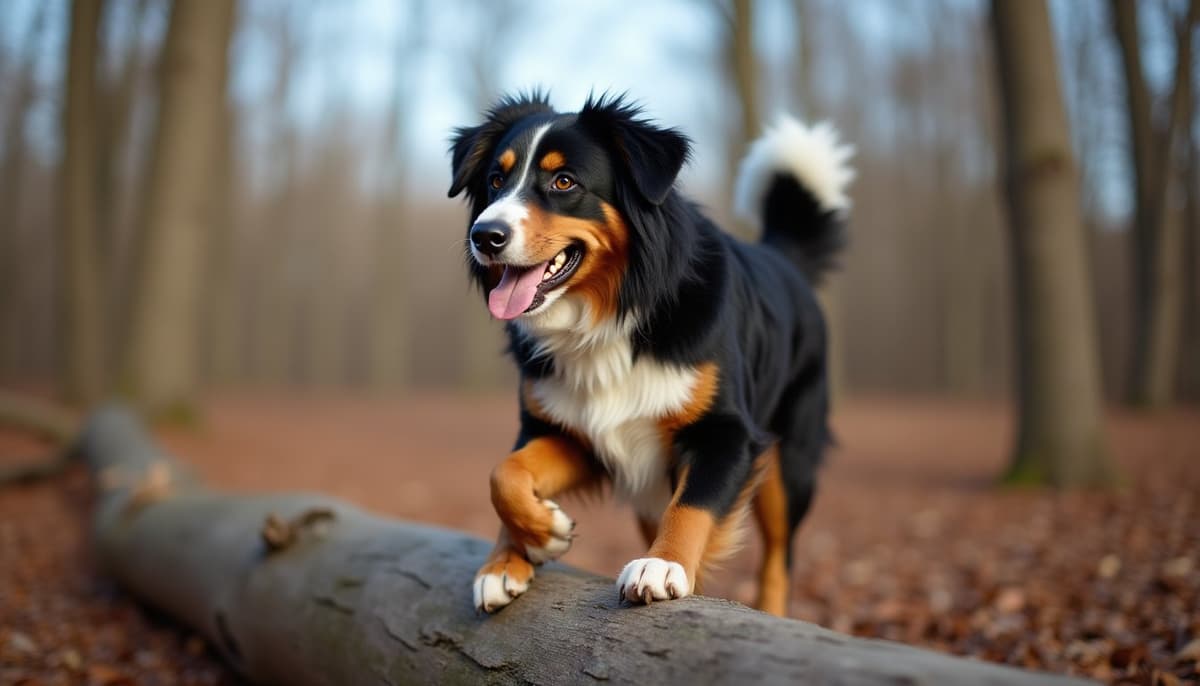
Finding canine rehabilitation in Rochester, NY means planning around a city that averages roughly 100 inches of snow in a typical season, one of the highest totals of any large US city. Icy sidewalks and months of restricted off-leash exercise are hard on arthritic hips and post-surgical knees, which is why searches for canine rehabilitation near me in Rochester climb every February. This guide from the business explains where therapy is available locally, what it typically costs, and how at-home recovery support fits alongside it.
Canine rehabilitation in Rochester, NY is available through veterinary rehabilitation services and specialty practices offering underwater treadmill work, therapeutic exercise, and laser therapy, with follow-up sessions typically running roughly $50 to $100 after an initial evaluation. The differentiator worth checking is credentials: look for a CCRP, CCRT, or ACVSMR-trained practitioner working under a New York licensed veterinarian.
Canine Rehabilitation Across Rochester, NY and the Surrounding Towns
Rehabilitation services around Rochester, NY cluster near the city core and the eastern suburbs, so owners in Park Avenue and Highland Park (14607 and 14620), Browncroft and the Brighton line (14610 and 14618), and the southwest neighborhoods near 14624 are often within a short drive of a practice offering hydrotherapy. Owners in Charlotte and the northern lakeside blocks generally travel farther, since most of Monroe County's specialty caseload sits along the east-side corridors.
What Rochester Residents Can Access
Underwater treadmill and hydrotherapy
Warm water reduces load on the joints while the treadmill keeps a dog moving in a controlled gait pattern. In Rochester this matters most between December and March, when icy driveways and unplowed park paths make normal conditioning risky. Sessions typically run roughly $40 to $85 depending on length and whether they are purchased as a package.
Manual therapy and therapeutic exercise
A trained practitioner assesses range of motion, muscle symmetry, and gait, then builds a progressive plan using balance equipment, cavaletti poles, and targeted stretching. Most of the actual work happens at home between visits, so ask for a written plan that specifies reps, frequency, and progression criteria.
Laser therapy, acupuncture, and pain management
Many practices bundle photobiomodulation (therapeutic laser) or veterinary acupuncture into rehabilitation visits for post-operative and arthritic patients. Evidence quality varies considerably by modality, so ask what specific outcome is being tracked, how it is measured, and at what point the approach would be changed.
At-home recovery support between visits
Some owners layer nutrition, joint supplements, and research peptides such as BPC-157 and TB-500 onto a supervised rehabilitation plan. These peptides are not FDA-approved veterinary drugs, animal research remains early, and owners report varied experiences. Talk to your veterinarian before adding anything to a post-surgical or senior dog's routine, and never stop a prescribed medication on your own.
Credentials worth verifying before you book
Rehabilitation is veterinary medicine, so the practice you choose should operate under a licensed New York veterinarian. Veterinary license status in NY is searchable through the New York State Education Department's Office of the Professions. Beyond the license, ask which certification the person handling your dog holds: CCRP through the University of Tennessee, CCRT through the Canine Rehabilitation Institute, or board certification through the American College of Veterinary Sports Medicine and Rehabilitation. The business is an online educational and product resource. We do not operate a clinic, staff, or treatment facility in Rochester, and nothing here replaces an in-person veterinary exam.
Clinic, mobile therapist, or home program: how the options compare
Here's the honest answer: the strongest predictor of a good outcome is not the equipment in the building, it is whether the home program actually gets done five days a week. A practice fifteen minutes away that you will still reach in a February snowstorm will usually outperform a more impressive program ninety miles south that you quietly stop attending by week four. Rochester canine rehabilitation is a consistency problem before it is a technology problem.
| Option | What it involves | Rochester access | Bottom Line |
|---|---|---|---|
| Certified veterinary rehab practice | Assessment, hydrotherapy, manual therapy, written home plan | Concentrated on the city's east side and inner suburbs | Best default for post-surgical and moderate arthritis cases |
| Mobile or in-home practitioner | Assessment and exercise coaching at your house, no treadmill | Limited availability, travel fees common | Strong fit for anxious, large, or hard-to-transport dogs |
| University teaching hospital | Specialist workup for complex or unresolved cases | Cornell's veterinary hospital sits roughly 90 miles southeast in Ithaca | Worth the drive only when local diagnosis has stalled |
| Owner-run home program | Exercises from video or a handout, no assessment | Free and immediate | Fine as a supplement, risky as the whole plan after surgery |
The business provides educational guidance on canine rehabilitation in Rochester, NY online at pawgen.com, helping owners verify practitioner credentials and support recovery between clinic visits.
If you are comparing options beyond Monroe County, our overview of dog joint care across New York covers costs and provider types statewide. Owners researching recovery support can read peptides for dogs in Peekskill, NY and peptides for pets in Bowie, MD, while dog supplements in Northport, NY and pet supplements in Northport, NY explain label reading. Early mobility signs are covered in dog joint pain in Bowie, MD, and K9-REPAIR explains our approach.
Frequently asked questions
- Where can I find canine rehabilitation in Rochester, NY without a specialty referral?
- Some Rochester practices accept direct owner inquiries for canine rehabilitation, though they will still require a veterinary exam and records before treatment begins. Call and ask whether they book self-referred arthritis cases. Post-surgical patients almost always need the surgeon's protocol on file first.
- What does this cost in my area?
- Costs vary widely by practice and by what is included. In the Rochester area, an initial rehabilitation evaluation typically runs roughly $100 to $200, and follow-up sessions typically fall in the range of $50 to $100, with underwater treadmill work at the higher end. Multi-session packages usually reduce the per-visit price, so ask for package pricing upfront.
- How do I find a provider near me?
- Start with your primary veterinarian, who knows which local practices take rehabilitation referrals. Then cross-check names against the certification directories maintained by the University of Tennessee (CCRP), the Canine Rehabilitation Institute (CCRT), and the American College of Veterinary Sports Medicine and Rehabilitation. Confirm the supervising veterinarian's license through the New York State Office of the Professions before booking.
- Do I need a referral?
- Usually yes in practice, even where it is not formally required. Most rehabilitation services want a diagnosis, imaging, and a surgical or medical history before designing a program, because the exercises differ sharply between a cruciate repair, a disc injury, and hip arthritis. Your primary veterinarian can send records directly, which is faster than carrying paperwork yourself.
- How far will I need to travel?
- Most Rochester owners find a rehabilitation option within Monroe County, typically a drive of fifteen to thirty minutes from city neighborhoods. Owners in outlying towns and northern lakeside areas often travel longer. For complex or unresolved cases, the nearest veterinary teaching hospital is Cornell's in Ithaca, roughly 90 miles southeast.
- How many sessions do Rochester dogs usually need?
- It depends entirely on the diagnosis, and any practice quoting a fixed number before examining your dog is guessing. Post-surgical programs commonly run over several weeks with tapering visit frequency, while arthritis management is often maintenance-based. Ask for reassessment points rather than a fixed package count.
- Is hydrotherapy safe for senior dogs during Rochester winters?
- Warm-water treadmill work is generally well tolerated by senior dogs, which is why it is popular locally when outdoor footing is unsafe. Dogs with heart disease, open wounds, or uncontrolled infections may be excluded. Dry the coat thoroughly before heading back into cold air, and confirm suitability with your veterinarian.
- Can I do rehabilitation exercises at home in Rochester between appointments?
- Yes, and you should. Home exercise is where most of the actual progress happens, with clinic visits used for assessment, progression, and equipment-based work. Ask for a written plan with reps, sets, and stopping criteria, and film your dog occasionally so the practitioner can check form remotely on snowed-out weeks.
- Do peptide products replace canine rehabilitation in Rochester?
- No. Peptides such as BPC-157 and TB-500 are not FDA-approved veterinary drugs, the research is early, and they are not a substitute for a supervised rehabilitation program, prescribed medication, or surgery. Some Rochester owners report using them alongside a rehabilitation plan. Discuss anything you add with your veterinarian first.
Educational content. BPC-157 and TB-500 are not FDA-approved veterinary drugs. Talk to your veterinarian before starting anything new, especially if your dog is on prescribed medication.