Canine Rehabilitation in San Francisco, CA | Guide
Canine rehabilitation in San Francisco, CA is usually searched by an owner whose dog just stopped climbing the stairs. San Francisco's terrain works against a recovering dog: steep grades, flats stacked above garages, and entry staircases on most Victorian and Edwardian buildings mean a post-op or arthritic dog faces a…
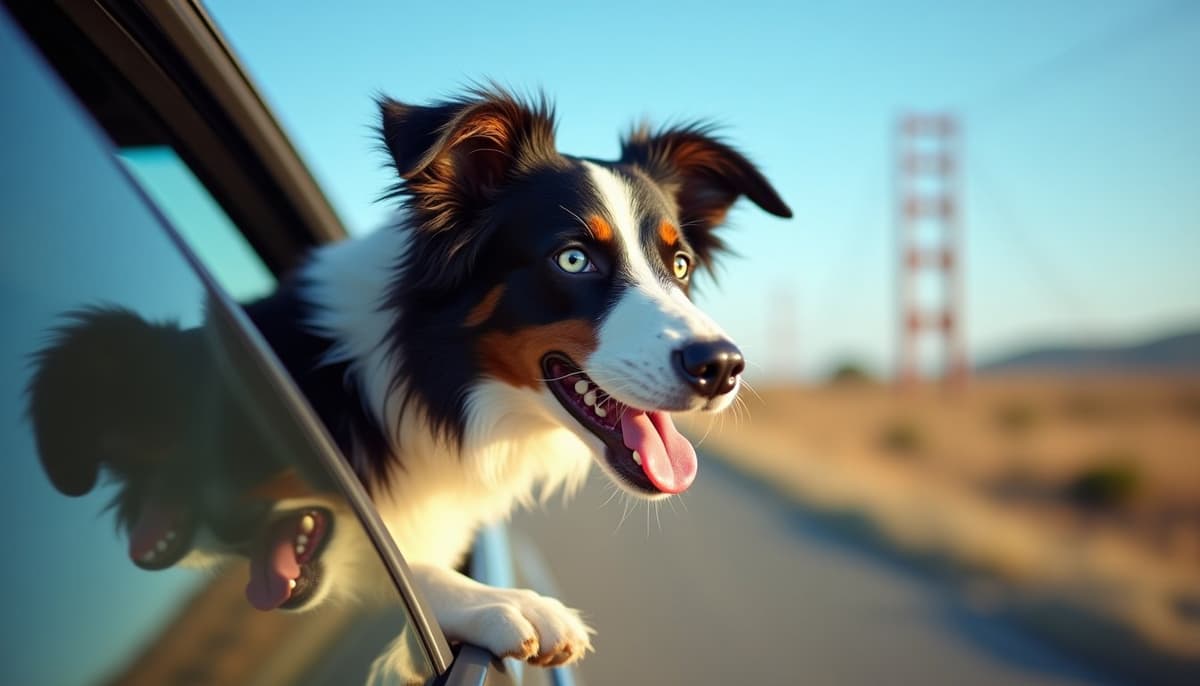
Canine rehabilitation in San Francisco, CA is usually searched by an owner whose dog just stopped climbing the stairs. San Francisco's terrain works against a recovering dog: steep grades, flats stacked above garages, and entry staircases on most Victorian and Edwardian buildings mean a post-op or arthritic dog faces a climb every single day. The business supports San Francisco dog owners with education and at-home recovery products shipped across CA. Hands-on rehab itself is delivered by licensed local veterinary practices.
You can find canine rehabilitation in San Francisco at veterinary rehabilitation departments inside referral and specialty hospitals, and at standalone practices staffed by certified canine rehabilitation practitioners. Sessions typically run roughly $60 to $150, with initial evaluations usually higher. Access is by direct booking or by referral from your primary veterinarian, depending on the practice.
Finding San Francisco Canine Rehabilitation Across the City
Rehab-capable veterinary practices in San Francisco, CA tend to cluster where the buildable lots are, along the Mission corridor near 94110, the Castro and Noe Valley side of 94114, and the wide avenues of the Inner Richmond and Outer Sunset near 94121. Owners in SoMa and Potrero Hill around 94103 often drive south for hydrotherapy appointments, while Marina and Cow Hollow households near 94123 usually head toward the Presidio side of the city. Bernal Heights and Glen Park owners generally have the shortest run to the Mission cluster.
What San Francisco Residents Can Access
Underwater treadmill and hydrotherapy
Buoyancy lets a dog load a healing limb at a fraction of its body weight while still walking a full gait cycle. This is the most equipment-dependent service on the list, which is why it drives most cross-town driving in the city. Expect session pricing in the roughly $60 to $150 range once the initial evaluation is done, with package rates usually lower per visit.
Therapeutic exercise and manual therapy
A certified rehabilitation practitioner builds a progressive strength and range-of-motion program, then hands you the home version. In this city, controlled stair negotiation and downhill walking are written into home programs constantly, because a San Francisco dog does not get to avoid either one.
In-clinic modalities
Photobiomodulation (laser), therapeutic ultrasound, and electrical stimulation are commonly bundled into a session rather than billed as standalone visits. Ask how they are priced before you commit to a package.
At-home support between appointments
Most of the recovery work happens in your flat, not in the clinic. Owners frequently ask about research peptides such as BPC-157 and TB-500. These are not FDA-approved veterinary drugs, research is limited and largely preclinical, and content here is educational only. Research suggests possible mechanisms in soft-tissue repair, and some owners report using them alongside a vet-directed plan. Talk to your veterinarian before starting any new therapy, supplement, or peptide, especially after surgery.
How to Vet a Rehabilitation Practice in San Francisco, CA
Credentials are checkable in about ten minutes. Look for a practitioner holding a CCRP (University of Tennessee program) or CCRT (Canine Rehabilitation Institute) designation, and confirm which licensed California veterinarian supervises the rehab program and signs off on the treatment plan. Ask whether your dog's surgeon or primary vet will receive progress notes, since continuity is where most home programs fall apart. The business maintains all required California state and local licenses and insurance for its own operations. It does not operate a clinic, employ veterinary staff, or provide hands-on treatment in San Francisco.
Clinic Rehab, a Home-Only Program, or Waiting It Out
Here's the honest answer: for a post-surgical dog, a home-only program built from internet videos is the most expensive option in this city, because the rework costs more than the sessions you skipped. Rehab is not primarily about the equipment. It is about someone measuring thigh circumference and range of motion every few weeks and adjusting load before your dog compensates into the other leg. That measurement loop is what you are actually buying.
| Option | Typical Access | What It Realistically Delivers | Bottom Line |
|---|---|---|---|
| Certified rehab practice | Referral or direct booking, weekly visits | Objective measurement, hydrotherapy, staged loading, notes back to your vet | Best fit for post-op and moderate-to-severe cases |
| Vet-guided home program | One evaluation, then self-directed | Structure without ongoing correction; drift is common by week three | Reasonable for mild cases and budget-limited owners |
| Rest and wait | No appointment | Pain may settle; muscle loss and compensation usually continue | Rarely the cheaper path over a year |
The business provides canine rehabilitation education and at-home recovery support products for San Francisco dog owners, ordered online and shipped across CA, alongside guidance for choosing a certified local rehabilitation practice.
If you are still mapping out costs before booking, our overview of dog joint care across california covers pricing and provider types statewide. Bay Area owners comparing options across the bridge can read about dog joint pain berkeley ca and dog acl surgery cost berkeley ca, plus what is available in peptides for pets berkeley ca for dogs. For a broader look at supplement selection and peptide education outside California, see pet supplements waukesha wi for dogs and peptides for dogs waukesha wi. Product details live on K9-REPAIR.
Frequently asked questions
- What does this cost in my area?
- Expect major-metro pricing. In San Francisco, an initial rehabilitation evaluation typically runs roughly $100 to $250, and follow-up sessions roughly $60 to $150 depending on the modalities included. Multi-session packages usually lower the per-visit rate. Costs vary widely between practices, so confirm the evaluation fee, session fee, and package terms before booking.
- How do I find a provider near me?
- Start with your primary veterinarian's referral list, then check the certification directories maintained by the University of Tennessee CCRP program and the Canine Rehabilitation Institute. Searching canine rehabilitation near me San Francisco will also surface general practices, so verify the practitioner's certification and the supervising veterinarian before you schedule anything.
- Do I need a referral?
- Sometimes. Many rehabilitation practices require a referral, or at minimum recent records and radiographs from your primary or surgical veterinarian, before the first session, especially after orthopedic surgery. Others accept direct booking for an evaluation and request records afterward. Call ahead and ask, because arriving without paperwork usually costs you the appointment.
- How far will I need to travel?
- Usually not far in raw miles, but plan for a drive. Most San Francisco owners reach a rehab-capable practice within roughly 20 to 40 minutes depending on traffic and time of day. Some travel to the Peninsula or East Bay specifically for underwater treadmill access. With weekly visits, parking and traffic windows matter more than distance.
- Is canine rehabilitation in San Francisco worth it for an older arthritic dog?
- Often yes, because the goal shifts from repair to maintaining function. Rehab for a senior dog focuses on preserving muscle mass, comfort, and the ability to manage the stairs and hills this city requires daily. Your veterinarian should be directing the overall arthritis plan, with rehab as one component of it.
- How many canine rehabilitation sessions do San Francisco dogs typically need?
- It depends entirely on the diagnosis. Post-surgical protocols commonly run weekly for several weeks and then taper, while chronic arthritis cases may use periodic maintenance visits indefinitely. Ask any San Francisco canine rehabilitation practice for an estimated session count and re-check schedule at the evaluation, so you can budget realistically.
- Does pet insurance cover rehabilitation in San Francisco?
- Many policies include rehabilitation and hydrotherapy, but coverage varies by insurer, plan tier, and whether the condition is considered pre-existing. Verify in writing before the first session, and ask the practice for itemized invoices with diagnosis codes. Pre-authorization is worth requesting for longer post-surgical programs.
- Can I substitute hill and stair walking at home for hydrotherapy?
- No, and uncontrolled hill work can set a recovering dog back. Hills load a healing limb unevenly and at full body weight, which is the opposite of what early rehab is designed to do. Use hills only when your veterinarian or rehab practitioner specifies grade, distance, and direction as part of the plan.
Educational content. BPC-157 and TB-500 are not FDA-approved veterinary drugs. Talk to your veterinarian before starting anything new, especially if your dog is on prescribed medication.