Dog ACL Surgery Cost in Charleston, SC | K9-REPAIR
Dog ACL surgery cost in Charleston, SC is a question most owners ask about ten minutes after a retriever comes up three-legged from a Lowcountry beach walk. The Charleston metro is home to roughly 850,000 people and a large population of active, water-loving sporting breeds, and cruciate repair here funnels…
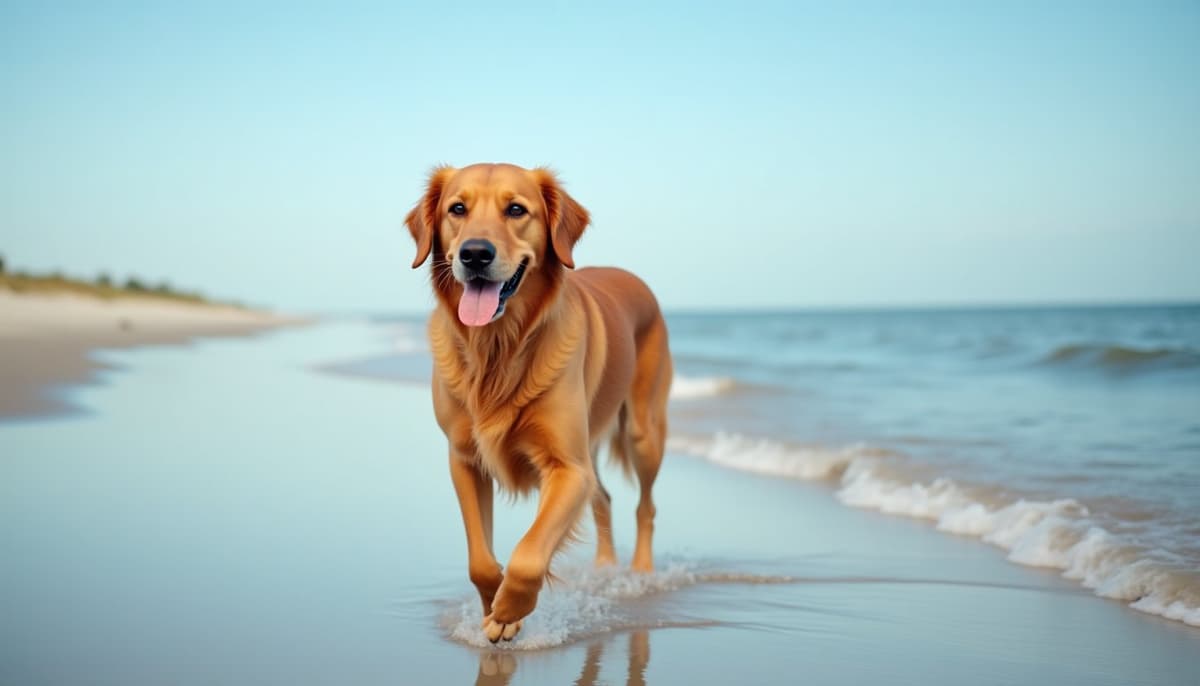
Dog ACL surgery cost in Charleston, SC is a question most owners ask about ten minutes after a retriever comes up three-legged from a Lowcountry beach walk. The Charleston metro is home to roughly 850,000 people and a large population of active, water-loving sporting breeds, and cruciate repair here funnels through a small number of surgical referral hospitals rather than every general practice. K9-REPAIR is an educational resource for Charleston dog owners weighing repair options, recovery timelines, and what to budget.
Dog ACL surgery cost in Charleston, SC typically runs roughly $1,200 to $2,500 for an extracapsular (lateral suture) repair and roughly $3,500 to $7,000 per knee for a TPLO at a surgical specialty hospital, before rehab. Pricing varies widely by clinic, dog size, and whether imaging and post-op rechecks are bundled. Most Charleston owners reach a surgeon by referral from their primary veterinarian.
Dog ACL Surgery Cost in Charleston, SC and Across the Lowcountry
Charleston owners pull from a compact catchment area, and drive time matters more than most people expect once weekly rechecks begin. Downtown and the upper peninsula (29401 and 29403), West Ashley (29407 and 29414), and James Island (29412) all sit within a short drive of the referral hospitals that handle cruciate repair in the region. K9-REPAIR does not operate a clinic in Charleston, SC. We ship recovery support products to homes across the area and provide guidance owners can bring to their own veterinarian.
What Charleston Residents Can Access
Extracapsular Repair (Lateral Suture)
A suture placed outside the joint stabilizes the knee while scar tissue forms. It is generally the lower-cost option, roughly $1,200 to $2,500 in this market depending on the practice, and it is most often recommended for smaller and less athletic dogs. Ask whether radiographs, anesthesia monitoring, and the first two rechecks are inside the quoted number.
TPLO or TTA at a Referral Hospital
These osteotomy procedures change the mechanics of the tibia rather than replacing the ligament, and they are the usual recommendation for larger, active dogs. In Charleston, expect roughly $3,500 to $7,000 per knee at a board-certified surgical practice. Bilateral cases and revision surgeries cost more.
Conservative Management and Rehabilitation
Some dogs, particularly small or partial-tear cases, are managed with strict activity restriction, weight control, pain management, and formal rehab under veterinary direction. This is a medical decision, not a budget decision. Talk to your veterinarian before choosing a non-surgical path.
Recovery Support Products
K9-REPAIR supplies research peptides including BPC-157 and TB-500 for dogs. These are not FDA-approved veterinary drugs and are offered for educational and research purposes only. Research suggests possible roles in tissue and connective-tissue biology, and some owners report using them alongside a veterinarian-directed recovery plan, but the evidence in dogs is limited. Nothing here replaces surgery or a prescribed medication.
Credibility, Compliance, and What We Do Not Claim
K9-REPAIR maintains all required state and local business licenses and insurance, and ships to customers across South Carolina including the Charleston, SC area. We are not a veterinary hospital and we do not diagnose, prescribe, or perform procedures. Products sold are not FDA-approved veterinary drugs and are not vet-prescribed treatments. Our value to Charleston owners is plain-language cost education, questions worth asking a surgeon, and post-operative support materials your veterinarian can review. Every recovery plan should be built with the veterinarian who examined your dog, and any product you add should be cleared with that veterinarian first.
Charleston Dog ACL Surgery Cost: Comparing Your Options
Here's the honest answer: for a 70-pound active dog in Charleston, the cheaper lateral suture is often not the cheaper outcome. Extracapsular repair can fail or stretch in large, athletic dogs, and a revision to TPLO later costs more than doing the TPLO first. Conversely, paying specialty pricing for a 12-pound terrier who would do well with a suture technique is money spent on prestige rather than mechanics. The correct question is not which is cheapest, but which is right for your dog's weight, tibial slope, and activity level.
| Option | Typical Charleston Range | Best Suited For | Bottom Line |
|---|---|---|---|
| Extracapsular (lateral suture) | Roughly $1,200-$2,500 | Smaller, less athletic dogs | Real savings when size and activity fit; a false economy in big sporting breeds |
| TPLO or TTA | Roughly $3,500-$7,000 per knee | Larger, active, working dogs | Highest upfront cost, generally the standard recommendation for big Lowcountry dogs |
| Conservative management plus rehab | Varies widely by rehab plan | Partial tears, small dogs, poor anesthesia candidates | A veterinary decision, never a budget default; requires strict restriction to work |
K9-REPAIR helps Charleston, SC owners understand dog ACL surgery cost through online cost guidance and direct-shipped recovery support products, with clear hedged information rather than treatment claims.
If you are still comparing options, our statewide overview of south carolina covers joint care costs and provider types beyond the Charleston metro. Owners managing rechecks from further out often look into a mobile vet for senior dogs charleston sc to reduce travel during recovery. For daily maintenance after the surgical window closes, see our guides to dog supplements north charleston sc and pet supplements north charleston sc for dogs. Readers researching research compounds can review peptides for pets greenfield ma for dogs and our breakdown of dog joint pain greenfield ma, or start at K9-REPAIR.
Frequently asked questions
- How much does dog ACL surgery cost in Charleston, SC compared with other South Carolina cities?
- Dog ACL surgery cost in Charleston, SC generally sits at the higher end for the state, because most osteotomy procedures are done at board-certified specialty practices in a major metro market. Upstate and rural practices sometimes quote less for extracapsular repair. Pricing varies widely by clinic, so get written estimates from two practices before deciding.
- What does this cost in my area?
- In the Charleston area, expect roughly $1,200 to $2,500 for an extracapsular repair and roughly $3,500 to $7,000 per knee for a TPLO or TTA at a specialty hospital. Rehabilitation, medications, and repeat radiographs are usually billed separately. Ask each practice for a written estimate that states exactly which items are included.
- How do I find a provider near me?
- Start with your primary veterinarian, who knows which Charleston-area surgeons handle your dog's size and injury type. You can also verify board certification through the American College of Veterinary Surgeons directory, which lists diplomates by region. Call two practices, ask for written estimates, and compare what each quote actually covers before booking.
- Do I need a referral?
- Usually yes for a specialty surgical hospital, and it benefits you either way. A referral sends your dog's exam findings, radiographs, and medication history ahead, which prevents duplicate imaging charges. Some Charleston-area emergency and specialty practices accept direct scheduling, but the surgeon will still want records from the veterinarian who first examined your dog.
- How far will I need to travel?
- Most Charleston residents reach a surgical referral practice within a 20 to 40 minute drive, depending on whether you are coming from the peninsula, West Ashley, James Island, or further out toward Johns Island. The bigger travel burden is follow-up, since recovery typically involves several rechecks and possible rehab visits across eight to twelve weeks.
- Does pet insurance cover dog ACL surgery cost in Charleston, SC?
- Many accident and illness policies cover cruciate repair, but nearly all exclude it if signs appeared before coverage started or during a waiting period, and some impose a separate cruciate waiting period. Owners searching dog ACL surgery cost near me Charleston often discover this too late. Read your policy's orthopedic and bilateral exclusion language before scheduling.
- What is included in a Charleston dog ACL surgery cost estimate?
- A complete estimate should list pre-anesthetic bloodwork, radiographs, anesthesia and monitoring, the implant or suture material, surgery, hospitalization, take-home medications, and which rechecks are covered. Estimates that show only a single total number are the hardest to compare. Ask for an itemized version in writing.
- Can a dog recover from a torn cruciate in Charleston without surgery?
- Some dogs, particularly smaller ones and those with partial tears, are managed non-surgically with strict activity restriction, weight management, pain control, and rehabilitation. Outcomes vary and arthritis often progresses. This is a decision for the veterinarian who examined your dog, not one to make from a price comparison.
- Do peptides like BPC-157 or TB-500 help Charleston dogs after knee surgery?
- Evidence in dogs is limited and these are not FDA-approved veterinary drugs. Research suggests possible roles in tissue and connective-tissue biology, and some owners report using them alongside a veterinarian-directed recovery plan, but no outcome should be promised for any individual dog. Never use them in place of a prescribed medication or a recommended procedure, and talk to your veterinarian first.
Educational content. BPC-157 and TB-500 are not FDA-approved veterinary drugs. Talk to your veterinarian before starting anything new, especially if your dog is on prescribed medication.