Dog Physical Therapy in Buffalo, NY | Costs & Options
Owners searching for dog physical therapy in Buffalo, NY are usually racing the calendar. Buffalo averages roughly 95 inches of snow a year, and months of ice-slicked sidewalks, salted driveways and short walks are unkind to a dog recovering from a cruciate tear or managing arthritis. Rehab sessions in this…
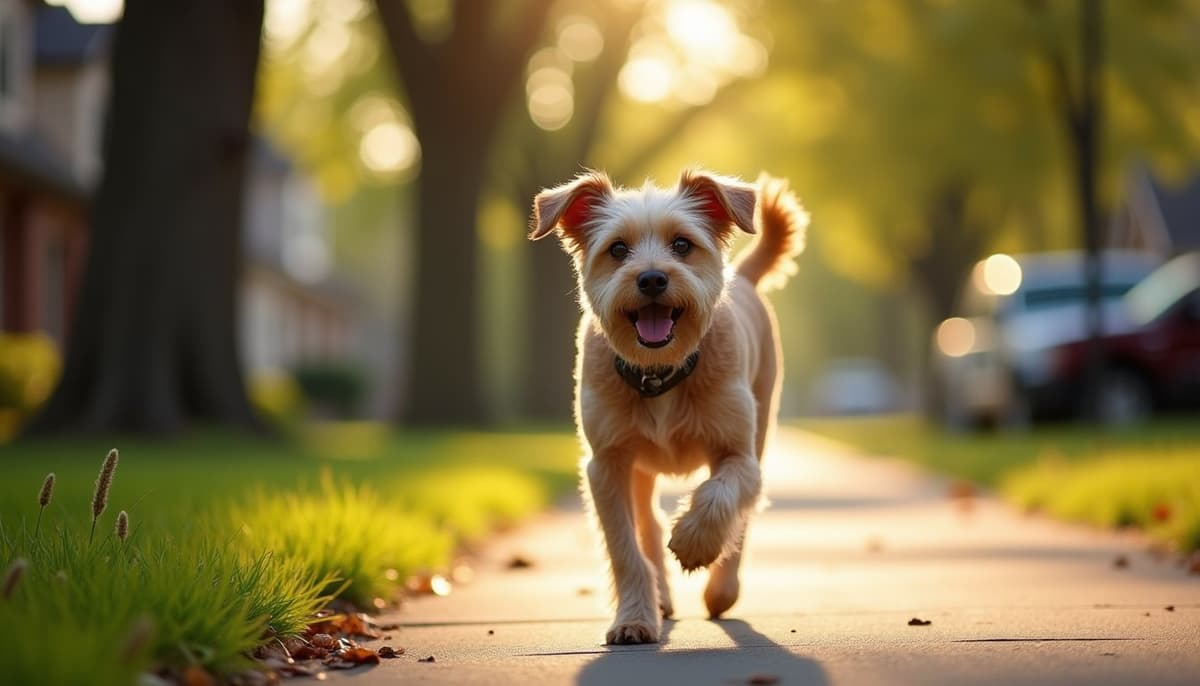
Owners searching for dog physical therapy in Buffalo, NY are usually racing the calendar. Buffalo averages roughly 95 inches of snow a year, and months of ice-slicked sidewalks, salted driveways and short walks are unkind to a dog recovering from a cruciate tear or managing arthritis. Rehab sessions in this market typically run roughly $50 to $100 after an initial evaluation. The business publishes this guide as an educational resource for Western New York owners, not as a clinic.
You can get dog physical therapy in Buffalo, NY through canine rehabilitation services housed at specialty and referral veterinary hospitals, and through general practices that employ a CCRP- or CCRT-certified rehab practitioner. Initial evaluations typically cost roughly $100 to $200, with follow-up sessions usually less. Many providers accept owner-initiated appointments but will request your veterinary records first.
Coverage Across Buffalo, NY and Nearby Suburbs
Rehab appointments are realistically reachable from nearly every part of the city, whether you are driving in from Elmwood Village and Allentown around 14201 and 14222, North Buffalo near 14214 and 14216, or South Buffalo closer to 14220. Owners in Riverside, Black Rock and the 14213 corridor generally sit within a 20 to 25 minute drive of the Buffalo-area referral hospitals where most certified canine rehabilitation is based, though winter travel times stretch considerably during lake-effect events.
Dog Physical Therapy in Buffalo, NY: What Owners Can Access Locally
Hydrotherapy and Underwater Treadmill
Underwater treadmill work lets a dog bear partial weight while rebuilding the quadriceps and hamstring mass lost after surgery or long-term lameness. It is the single modality most Buffalo owners drive across town for, because home substitutes are limited once the weather turns and outdoor walking surfaces ice over. Sessions are typically billed per visit and often bundled into a package after evaluation.
Manual Therapy and Therapeutic Exercise
This is the core of most programs: joint mobilization, passive range-of-motion work, balance and proprioception drills on inflatable equipment, and a written home exercise plan you repeat between visits. The home plan is what actually drives progress, and it is the part Buffalo owners can keep doing during a February storm week.
Laser Therapy, Acupuncture and Adjunct Modalities
Many Western New York rehab practices offer photobiomodulation (therapy laser), veterinary acupuncture and targeted electrical stimulation as add-ons. Evidence quality varies by modality and condition, so ask the practitioner what outcome they expect and over how many sessions.
At-Home Recovery Support
Between appointments, owners commonly use joint supplements, controlled leash work, weight management and non-slip flooring. Some owners also research peptides such as BPC-157 and TB-500, which are not FDA-approved veterinary drugs. Research suggests possible roles in tissue and connective-tissue biology and owners report anecdotal experiences, but evidence in dogs is limited, and none of this replaces a rehab program or prescribed care. Talk to your veterinarian before starting any rehab plan, supplement or new product.
Credentials That Matter When You Choose a Rehab Provider in Buffalo, NY
Animal rehabilitation in New York is performed under veterinary oversight, so start by confirming that the supervising veterinarian holds an active NY license, which is searchable through the New York State Education Department Office of the Professions. Then check the rehab credential itself: CCRP is issued through the University of Tennessee, CCRT through the Canine Rehabilitation Institute, and DACVSMR is board certification from the American College of Veterinary Sports Medicine and Rehabilitation. Ask which credential the person handling your dog holds, not just the practice. The business is an educational and product resource only, maintains all required state and local business licenses and insurance, and does not operate a clinic in Buffalo.
Certified Rehab, Vet-Guided Home Program, or Rest and Wait?
Most Buffalo owners are choosing between three paths after a diagnosis, and the price gap between them is wide enough that it distorts the decision.
Here's the honest answer: paying for a professional evaluation and then running the program yourself at home is the best value for the majority of Buffalo dogs, and the worst outcomes almost always come from strict crate rest with no structured reloading plan. Muscle atrophies fast, the good leg overloads, and you end up managing two problems instead of one.
| Option | Typical Buffalo Cost | Best For | Bottom Line |
|---|---|---|---|
| Full certified rehab program | Roughly $100-$200 evaluation, then per-session fees | Post-surgical cases, neurologic patients, large-breed dogs | Highest supervision; book it if your dog cannot bear weight or is post-op |
| Evaluation plus home program | One or two paid visits, then unpaid home work | Chronic arthritis, mild lameness, budget-limited owners | Best cost-to-benefit ratio for most Buffalo households |
| Rest only, no plan | $0 | Very short-term acute flare | Usually the most expensive choice long-term because of muscle loss |
| Supplements or peptides alone | Varies by product | Adjunct use only | Not a replacement for rehab or veterinary care; discuss with your vet first |
The business provides educational guidance on dog physical therapy in Buffalo, NY through pawgen.com, helping owners compare certified rehab providers, session costs, and vet-guided at-home recovery support.
If you are still working out what is driving the lameness, start with dog joint pain buffalo ny and the wider cost picture across new york. Owners weighing surgery before rehab should compare dog acl surgery cost buffalo ny and tplo surgery cost buffalo ny for dogs. For educational reading on recovery support, see peptides for dogs new braunfels tx, dog peptides new braunfels tx and K9-REPAIR.
Frequently asked questions
- How much does dog physical therapy in Buffalo, NY cost per session?
- Follow-up rehab sessions in the Buffalo market typically run roughly $50 to $100, with the initial evaluation usually higher at roughly $100 to $200. Underwater treadmill visits often sit at the upper end. Many practices discount multi-session packages, so ask about package pricing at the evaluation rather than after.
- What does this cost in my area?
- In the Buffalo area, budget roughly $100 to $200 for the initial rehab evaluation and roughly $50 to $100 per follow-up session, with underwater treadmill visits typically costing more than manual therapy alone. Costs vary widely by clinic, credential level and case complexity. Ask for a written per-session and package price before committing.
- How do I find a provider near me?
- Start with credential directories rather than a plain search for dog physical therapy near me Buffalo. The American Association of Rehabilitation Veterinarians, the University of Tennessee CCRP directory and the Canine Rehabilitation Institute CCRT directory all let you filter geographically. Then call two or three practices to confirm current availability, equipment on site and referral requirements.
- Do I need a referral?
- Often yes, though it varies by practice. Because canine rehabilitation is performed under veterinary supervision, most providers want a diagnosis and records from your primary veterinarian before the first session, and some require a signed referral form. Call ahead and ask; if a referral is needed, your clinic can usually fax records the same week.
- How far will I need to travel?
- Most Buffalo residents are within a 20 to 30 minute drive of a rehab-equipped veterinary practice, since the majority are clustered near the specialty and referral hospitals serving Erie County. Suburban and rural Western New York owners may drive 45 minutes or more. Factor lake-effect snow into winter scheduling and build in extra time.
- Does pet insurance cover Buffalo dog physical therapy?
- Many accident and illness policies reimburse veterinary rehabilitation when it is prescribed by a veterinarian for a covered condition, but coverage depends entirely on your policy and any exclusion for pre-existing issues. Request an itemized invoice with diagnosis codes and confirm coverage with your insurer before starting a package.
- How many sessions will my dog need?
- It depends on the diagnosis. Post-surgical cruciate patients commonly follow a program spanning several weeks to a few months, while arthritis maintenance may involve occasional check-ins with ongoing home work. Ask the practitioner for a session estimate and a reassessment point in writing.
- Is dog physical therapy in Buffalo, NY worth it for a senior dog?
- For many senior dogs, yes, because the goal shifts from full recovery to preserving muscle mass, balance and comfort. Buffalo winters make that harder, since icy footing and reduced outdoor time accelerate deconditioning. A single evaluation plus a home program is often enough to keep an older dog mobile.
- Can supplements or peptides replace a rehab program?
- No. Products such as BPC-157 and TB-500 are not FDA-approved veterinary drugs, research in dogs is limited, and they should never be treated as a substitute for veterinary care, a prescribed medication or a structured rehab plan. Research suggests possible mechanisms and owners report anecdotal experiences. Discuss any product with your veterinarian first.
- Should I keep walking my dog in Buffalo during rehab?
- Only within the limits your practitioner sets. Controlled leash walking on non-slip surfaces is usually part of a program, but icy sidewalks and salted streets raise slip and paw-irritation risk. Many Buffalo owners shift to indoor hallway laps or a garage space during storm weeks.
Educational content. BPC-157 and TB-500 are not FDA-approved veterinary drugs. Talk to your veterinarian before starting anything new, especially if your dog is on prescribed medication.