Dog Physical Therapy in Chattanooga, TN | Costs & Options
Dog physical therapy in Chattanooga, TN starts with a geography problem: Lookout Mountain, Signal Mountain and Stringer's Ridge rise straight out of the neighborhoods, and the Tennessee Riverwalk pulls a steady stream of dogs onto hard pavement year round. Chattanooga is Tennessee's fourth-largest city, so canine rehabilitation does exist here,…
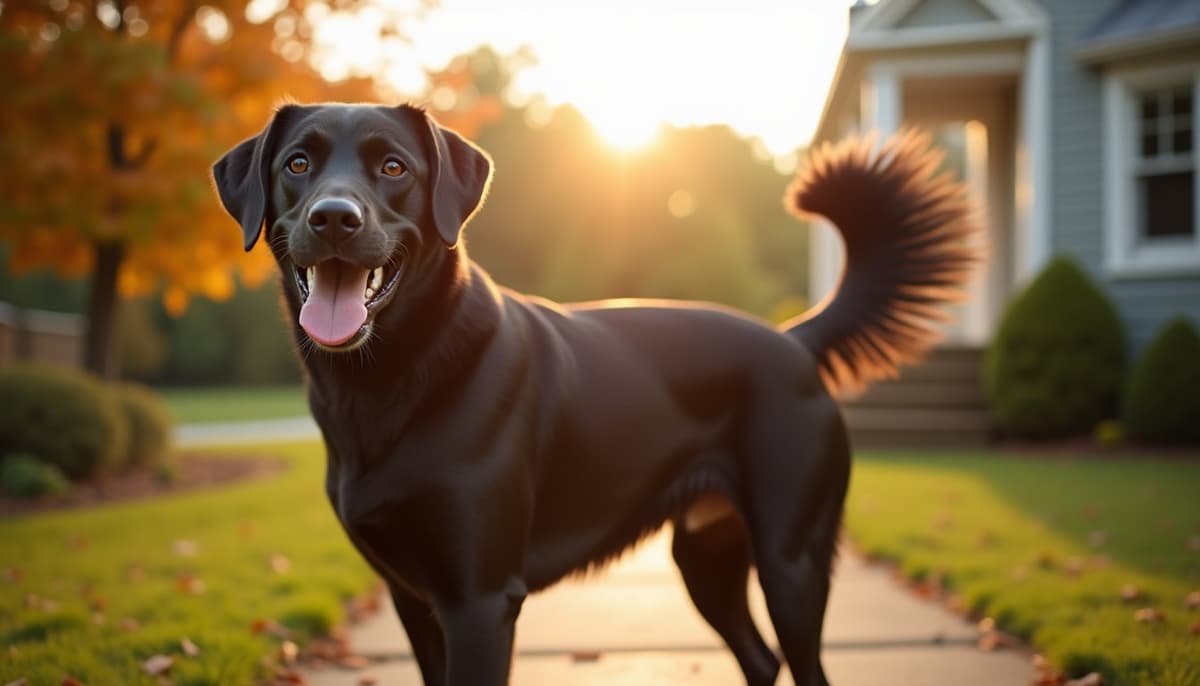
Dog physical therapy in Chattanooga, TN starts with a geography problem: Lookout Mountain, Signal Mountain and Stringer's Ridge rise straight out of the neighborhoods, and the Tennessee Riverwalk pulls a steady stream of dogs onto hard pavement year round. Chattanooga is Tennessee's fourth-largest city, so canine rehabilitation does exist here, but it sits inside a small number of veterinary practices rather than on every corner. K9-REPAIR is an at-home recovery brand, not a clinic, and this page exists to help you find and vet local care.
Dog physical therapy in Chattanooga, TN is delivered through veterinary rehabilitation services, typically staffed by a CCRP- or CCRT-credentialed veterinarian or licensed veterinary technician, and booked by phone after your dog's exam or surgery. Sessions commonly run roughly $50 to $150, with the first evaluation priced higher. K9-REPAIR supports the days between those visits, not the visits themselves.
Where canine rehab sits across the Chattanooga valley
Most rehab-equipped veterinary practices serving Chattanooga, TN cluster near the downtown and Southside corridor around 37402 and 37403, with additional coverage reaching North Shore and Red Bank residents in 37405 and the Brainerd and East Brainerd stretch through 37411 and 37421. Owners in Hixson, Ooltewah, St. Elmo and Signal Mountain generally drive into one of those corridors rather than finding a treadmill in their own neighborhood. When owners search dog physical therapy near me Chattanooga, the realistic radius is a 20 to 30 minute drive, not a walk.
What Chattanooga Residents Can Access
Underwater treadmill and hydrotherapy
Buoyancy lets a healing dog walk with less load through the joint while still rebuilding muscle. This is the single piece of equipment that separates a genuine rehabilitation practice from a general clinic. In the Chattanooga area a follow-up treadmill session commonly falls in the roughly $40 to $75 range, though pricing varies by clinic and package.
Manual therapy and therapeutic exercise
Joint mobilization, passive range of motion, stretching, cavaletti rails and balance work, plus a written home exercise plan. Progress should be measured with goniometry and thigh circumference readings, so ask for those numbers at every recheck rather than accepting a verbal 'he looks better.'
Laser therapy, PEMF and other modalities
These are usually sold as add-ons to a session. Evidence quality varies by modality and by condition, so ask the practice what outcome it expects, over how many visits, and how it will be measured before agreeing to a package.
At-home support between visits
A twice-weekly plan still leaves five days a week at home, often on stairs and steep driveways. K9-REPAIR focuses on that gap with owner education and emerging-science peptide products such as BPC-157 and TB-500. These are not FDA-approved veterinary drugs, research suggests possible tissue-repair mechanisms, owners report varied experiences, and none of it replaces your dog's prescribed care or a rehab plan. Talk to your veterinarian before adding anything to a recovery program.
Credentials worth checking before you book
The credentials that matter are CCRP, CCRT and ACVSMR. The Certified Canine Rehabilitation Practitioner program is run through the University of Tennessee College of Veterinary Medicine in Knoxville, TN, and the CCRT designation comes from the Canine Rehabilitation Institute. A diplomate of the American College of Veterinary Sports Medicine and Rehabilitation is the highest tier, and there are few of them anywhere. Ask which specific person will handle your dog and what letters follow their name.
K9-REPAIR is an online brand. We maintain all required Tennessee state and local business licensing and insurance for what we sell, we do not operate a clinic or employ staff in Chattanooga, and our content is educational.
Certified rehab practice, general vet, or figuring it out at home
Here's the honest answer: a laser add-on at a general practice is not physical therapy, and a lot of Chattanooga dog physical therapy shopping ends there because it is cheaper and closer. If your dog is post-surgical or losing function, pay for the certified evaluation first, then decide what you can carry out yourself. The evaluation is where the value sits, because it produces measurable numbers and a plan. Untrained home exercise is not neutral either, since the wrong loading at the wrong week can undo a repair.
| Option | Typical cost | Best for | Bottom line |
|---|---|---|---|
| CCRP or CCRT rehab practice | Roughly $50 to $150 per session | Post-surgical cases, chronic arthritis, neurologic patients | Worth the drive when function is at stake, ask for measured progress at each recheck |
| General vet with laser only | Lower per visit | Mild soreness, adjunct comfort care | A modality, not a rehabilitation program, do not mistake the two |
| Owner-directed home exercise | Time only | Maintenance after a professional plan exists | Safe only when a professional wrote the plan and set the progression |
| At-home recovery support from K9-REPAIR | Product cost | Filling the days between clinic visits | Educational support, not a substitute for veterinary care or surgery |
K9-REPAIR helps owners navigate dog physical therapy in Chattanooga, TN by explaining local session costs, which rehab credentials to verify, and how to support recovery at home between clinic visits, shipped direct with no clinic affiliation.
If you are still mapping out costs, our overview of joint care options across tennessee gives you the statewide picture before you call a single Chattanooga practice. Owners weighing surgery first should read our breakdowns of dog acl surgery cost murfreesboro tn, tplo surgery cost murfreesboro tn for dogs, and dog hip dysplasia treatment cost murfreesboro tn, since surgical pricing sets the rehab budget that follows. For a look at how rehab is structured in other markets, compare canine rehabilitation minnetonka mn and dog physical therapy minnetonka mn. Everything we publish on at-home recovery lives at K9-REPAIR.
Frequently asked questions
- What does this cost in my area?
- Canine rehabilitation around Chattanooga typically runs roughly $50 to $150 per session, with the initial evaluation priced higher because it includes a full gait and orthopedic assessment. Multi-session packages usually lower the per-visit rate. Pricing varies widely by clinic and by which modalities are included, so ask for a written estimate covering the projected number of visits.
- How do I find a provider near me?
- Start with the University of Tennessee CCRP directory and the Canine Rehabilitation Institute's CCRT listing, then cross-check with your primary veterinarian, who usually knows which local practices actually own an underwater treadmill. Calling to ask which staff member holds a CCRP, CCRT or ACVSMR credential filters candidates faster than reading clinic websites.
- Do I need a referral?
- Usually yes. Most veterinary rehabilitation services require a referral or complete records from your primary veterinarian before the first appointment, because the therapist needs the diagnosis, imaging and any surgical report to build a safe loading plan. Conditioning or wellness cases can sometimes book directly, but post-surgical and neurologic patients almost always need paperwork first.
- How far will I need to travel?
- Most Chattanooga owners are within a 20 to 30 minute drive of a rehab-equipped veterinary practice, while residents of Signal Mountain, Ooltewah and the far east valley should budget more. Since plans often run twice weekly for six weeks or longer, drive time matters more than map distance when you choose between two providers.
- Is dog physical therapy in Chattanooga, TN worth it after cruciate surgery?
- For most dogs, yes. Surgeons commonly recommend structured rehabilitation after TPLO or extracapsular repair because controlled loading, range-of-motion work and muscle rebuilding support the return to function that the surgery makes possible. Ask your surgeon specifically when rehab should start and what movement restrictions apply in the meantime.
- How many sessions of dog physical therapy in Chattanooga does a typical dog need?
- Post-surgical plans commonly run one to two sessions per week for six to twelve weeks, then taper to maintenance. Arthritis and mobility cases are often managed with a lower ongoing frequency. The honest answer depends on the diagnosis and on how consistently the home exercises get done between visits.
- Does pet insurance cover Chattanooga dog physical therapy?
- Many accident and illness policies cover rehabilitation when it is prescribed by a veterinarian, but coverage is far from universal. Check whether your policy lists rehabilitation, hydrotherapy or alternative therapies as included or excluded, and confirm whether pre-existing condition clauses apply to the joint in question before you commit to a package.
- Does Chattanooga's terrain affect my dog's recovery?
- It can. Stair-heavy homes on the ridges, steep driveways and the long paved stretches of the Riverwalk all change how a healing joint gets loaded day to day. Tell your rehab provider what your home and walking routes actually look like so the home plan matches your dog's real environment.
- Can I combine clinic rehab with at-home support in Chattanooga?
- Yes, and most owners do, because the clinic sees your dog a couple of hours a week at most. Home exercise compliance is the largest variable in outcomes. Anything else you add, including supplements or emerging-science peptides, should be disclosed to your veterinarian and to the rehabilitation team first.
- Can supplements or peptides replace a rehabilitation program?
- No. BPC-157 and TB-500 are not FDA-approved veterinary drugs, the available research is largely preclinical, and owners report varied experiences. Research suggests mechanisms related to tissue repair, but that is not an outcome promise for your dog. Keep your veterinarian in the loop and never stop a prescribed medication on your own.
Educational content. BPC-157 and TB-500 are not FDA-approved veterinary drugs. Talk to your veterinarian before starting anything new, especially if your dog is on prescribed medication.