Where Can I Get Dog Physical Therapy in Fort Worth?
Dog physical therapy fort worth tx searches usually start after a limp, a cruciate diagnosis, or a senior dog who stopped taking the stairs, and Fort Worth is a city where that happens a lot: Tarrant County is one of the most populous counties in Texas, and Fort Worth's long…
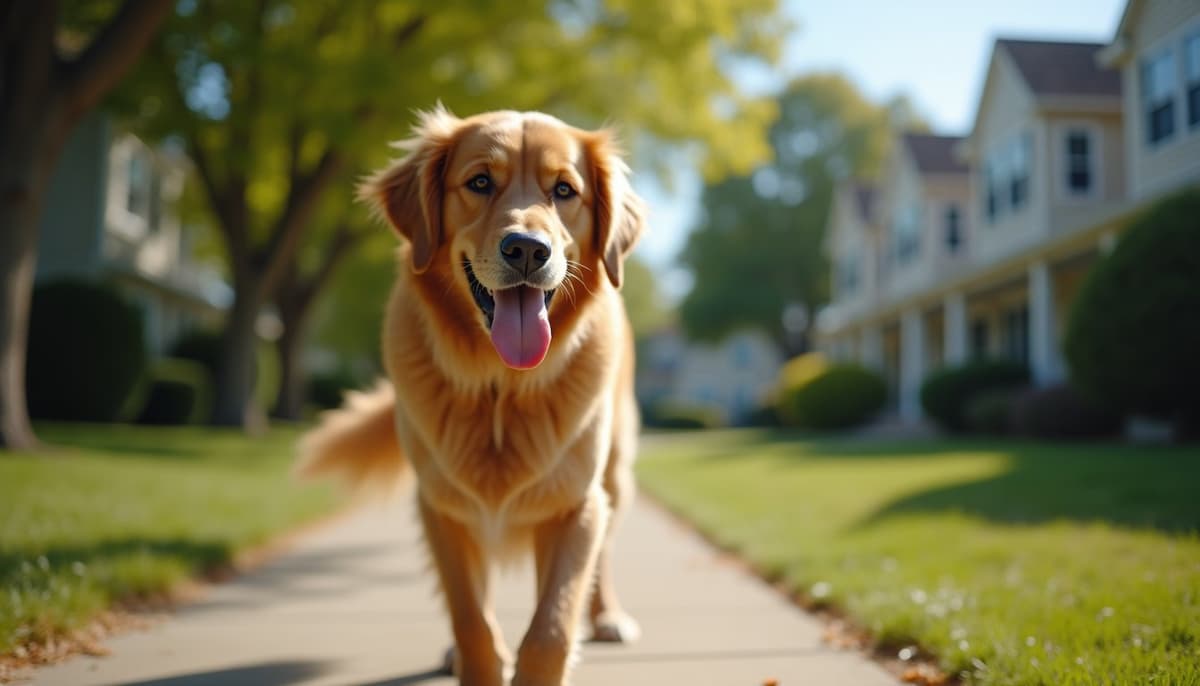
Dog physical therapy fort worth tx searches usually start after a limp, a cruciate diagnosis, or a senior dog who stopped taking the stairs, and Fort Worth is a city where that happens a lot: Tarrant County is one of the most populous counties in Texas, and Fort Worth's long hot season means many dogs carry extra weight from months of shortened walks. Canine rehabilitation in Fort Worth, TX generally runs roughly $50 to $125 per session for underwater treadmill or therapeutic exercise, with initial evaluations typically higher, though pricing varies widely by clinic. Most owners find rehab through referral-based veterinary clinics and specialty hospitals rather than standalone studios. K9-REPAIR is an educational resource from pawgen, not a clinic, and this page is here to help you compare local options and understand recovery support at home.
Dog physical therapy in Fort Worth, TX is delivered by veterinary rehabilitation departments inside general practices, specialty and orthopedic referral hospitals, and mobile rehab practitioners who travel to your home, typically booked by phone after your primary vet shares records. The practical differentiator is credentialing: look for a CCRP or CCRT designation held by the veterinarian or licensed veterinary technician running your dog's sessions.
Finding canine rehab across Fort Worth and Tarrant County
Rehabilitation providers cluster where Fort Worth's veterinary density is highest, so owners in the 76107 hospital and cultural district corridor and the 76109 area near TCU often have the shortest drive, while families in 76116 on the west side and 76132 toward Hulen tend to be routed to the same referral centers. North and northeast Fort Worth, TX residents around 76137 and 76244 frequently split the difference between in-town specialty hospitals and providers along the Alliance corridor. Mobile canine rehab practitioners cover much of Tarrant County, which matters if your dog is non-weight-bearing and car transfers are painful.
What Fort Worth dog owners can actually book
Underwater treadmill and hydrotherapy
Buoyancy reduces load on healing joints while your dog still works the muscle, which is why it is the most requested service after cruciate repair or hip surgery. In Fort Worth, hydrotherapy sessions commonly fall in the $50 to $100 range per visit, with packages sometimes discounted. Ask whether a credentialed rehab professional stays in the room the entire session, because supervision quality varies more than price does.
Therapeutic exercise and manual therapy
This is the unglamorous core of rehab: cavaletti work, sit-to-stands, balance equipment, passive range of motion, and a written home program you repeat between visits. Fort Worth clinics typically start with a longer evaluation, then taper visit frequency as your dog progresses. The home program is where most of the recovery actually happens.
Laser therapy, acupuncture, and pain modalities
Many Fort Worth practices bundle photobiomodulation (laser) or veterinary acupuncture into rehab plans for comfort and mobility support. Evidence quality differs by modality, and results vary by dog, so ask your vet what they expect and how they will measure it.
Recovery support at home
Alongside rehab, some owners look at joint supplements and research peptides such as BPC-157 and TB-500. These are not FDA-approved veterinary drugs, research is limited and largely preclinical, and while owners report using them for recovery support, no product should be treated as a substitute for a rehab plan or prescribed medication. Talk to your veterinarian before adding anything, especially post-surgically.
Why credentials matter more than marketing in Fort Worth
In Texas, animal rehabilitation must be performed by or under the supervision of a licensed veterinarian, so any Fort Worth, TX provider you consider should be able to name the supervising DVM. Beyond the license, the meaningful credentials are CCRP (Certified Canine Rehabilitation Practitioner, issued through the University of Tennessee program) and CCRT (issued by the Canine Rehabilitation Institute). Ask which credential the person handling your dog holds, how many post-operative cases like yours they see annually, and whether they send progress notes back to your referring vet. pawgen maintains no clinic or staff in Fort Worth and publishes educational content only.
Clinic rehab, mobile rehab, or doing it yourself
Here's the honest answer: a home program alone is not equivalent to supervised rehab in the first eight weeks after orthopedic surgery, and YouTube exercise videos are the single most common way Fort Worth owners accidentally overload a healing joint. What supervision buys you is not exotic equipment, it is someone measuring thigh circumference and range of motion and telling you to back off before you feel a setback. After that early window, a well-taught home program with periodic re-checks is often genuinely sufficient and far cheaper.
| Option | Typical Fort Worth cost | Best for | Bottom Line |
|---|---|---|---|
| Specialty hospital rehab dept. | Higher per session; evaluation costs more | Post-TPLO, neurologic cases, complex orthopedics | Worth it when the surgeon and rehab team share records |
| General practice with CCRP staff | Mid-range, packages common | Arthritis, conditioning, gradual senior decline | The best value for most long-term mobility cases |
| Mobile in-home rehab | Session fee plus travel | Non-ambulatory or anxious dogs | Right first phase, not a permanent substitute for hydrotherapy |
| Home program only | Low | Maintenance after discharge | Fine later, risky in the first weeks after surgery |
K9-REPAIR from pawgen publishes educational guidance on dog physical therapy in Fort Worth, TX, helping owners compare local credentialed rehab providers, expected costs, and referral requirements before booking.
If you are weighing costs statewide before committing, our overview of joint care across texas covers provider types and price drivers in more detail. Owners dealing with an active limp may want the diagnostic breakdown in dog joint pain houston tx, and surgical budgeting is covered in dog acl surgery cost muncie in. For recovery-support research questions, see dog peptides houston tx and peptides for pets houston tx for dogs, or start at K9-REPAIR. A comparable regional guide is available for dog joint pain muncie in.
Frequently asked questions
- What does this cost in my area?
- In Fort Worth, individual canine rehab sessions typically run roughly $50 to $125, with initial evaluations usually costing more because they include a full gait and orthopedic assessment. Multi-session packages often reduce the per-visit price. Costs vary widely by clinic, modality, and whether a specialist is involved, so request a written estimate for a full course, not just one visit.
- How do I find a provider near me?
- Start with your primary veterinarian, who usually knows which Fort Worth practices have credentialed rehab staff. Then search the public practitioner directories maintained by the certifying programs, filtering for CCRP or CCRT holders in Tarrant County. Call and ask two questions: who supervises sessions, and whether they treat your dog's specific condition weekly.
- Do I need a referral?
- Usually yes in practice, even where it is not strictly required. Texas rehabilitation is performed under veterinary supervision, and most Fort Worth providers want a diagnosis, recent records, and imaging before starting so they do not exercise an undiagnosed problem. Some general practices with in-house rehab can evaluate their own clients directly. Call ahead and ask what records they need.
- How far will I need to travel?
- Most Fort Worth residents are within about 20 to 30 minutes of a rehab-equipped veterinary practice, with the densest cluster near the west side and central hospital corridor. Owners in far north Fort Worth or outlying Tarrant County may drive longer, or choose Dallas-area specialty centers. Mobile in-home rehab removes the drive entirely if hydrotherapy is not required.
- How often are dog physical therapy fort worth tx sessions scheduled?
- Post-surgical plans in Fort Worth commonly begin at one to two supervised sessions per week, then taper as your dog regains strength and range of motion. Chronic arthritis cases often settle into every two to four weeks with a home program in between. Frequency should be driven by measured progress, not a fixed package length.
- Is dog physical therapy fort worth tx worth it for an older arthritic dog with no surgery planned?
- Often yes. Rehab for senior Fort Worth dogs focuses on preserving muscle mass, improving balance, and reducing compensatory strain, which is the difference between a dog who still navigates the back steps and one who does not. Progress is measured in function, and gains require consistent home work between visits. Discuss expectations with your veterinarian first.
- Can Fort Worth dog physical therapy help before deciding on surgery?
- A rehab evaluation can clarify how much of your dog's limp comes from muscle loss and compensation versus the primary joint problem, which is useful information going into a surgical consult. It is not a replacement for surgery, and it does not change the underlying diagnosis. Any decision to delay or forgo a recommended procedure belongs with your veterinarian and surgeon.
- Do peptides like BPC-157 or TB-500 replace rehab for Fort Worth dogs?
- No. These are not FDA-approved veterinary drugs, published research is limited and mostly preclinical, and they should never be positioned as a substitute for a rehabilitation plan, prescribed medication, or surgery. Some owners report using them as recovery support alongside rehab. Talk to your veterinarian before adding any supplement or research compound, especially after an operation.
- Does pet insurance cover canine rehabilitation in Texas?
- Some policies do, typically when rehabilitation is prescribed by a veterinarian and tied to a covered condition, though many plans treat it as an add-on rather than base coverage. Pre-existing conditions are commonly excluded, which matters if your dog was already limping when you enrolled. Read your policy's rehabilitation and alternative therapy language before booking a course of visits.
- What should I bring to the first Fort Worth rehab appointment?
- Bring your dog's medical records, surgical or imaging reports, a current medication list, a well-fitting harness, and high-value treats. Wear clothes you can move in, because you will likely be taught handling positions. Video of your dog walking at home is genuinely useful, since dogs often mask lameness in an unfamiliar clinic.
Educational content. BPC-157 and TB-500 are not FDA-approved veterinary drugs. Talk to your veterinarian before starting anything new, especially if your dog is on prescribed medication.