Allergies in Pugs: What Is My Pug Allergic To?
Allergies in pugs can come from fleas, pollen, mould, dust mites, food or something the skin touches. Learn the signs, when to go to an emergency vet now, and how your vet finds what your pug is allergic to.
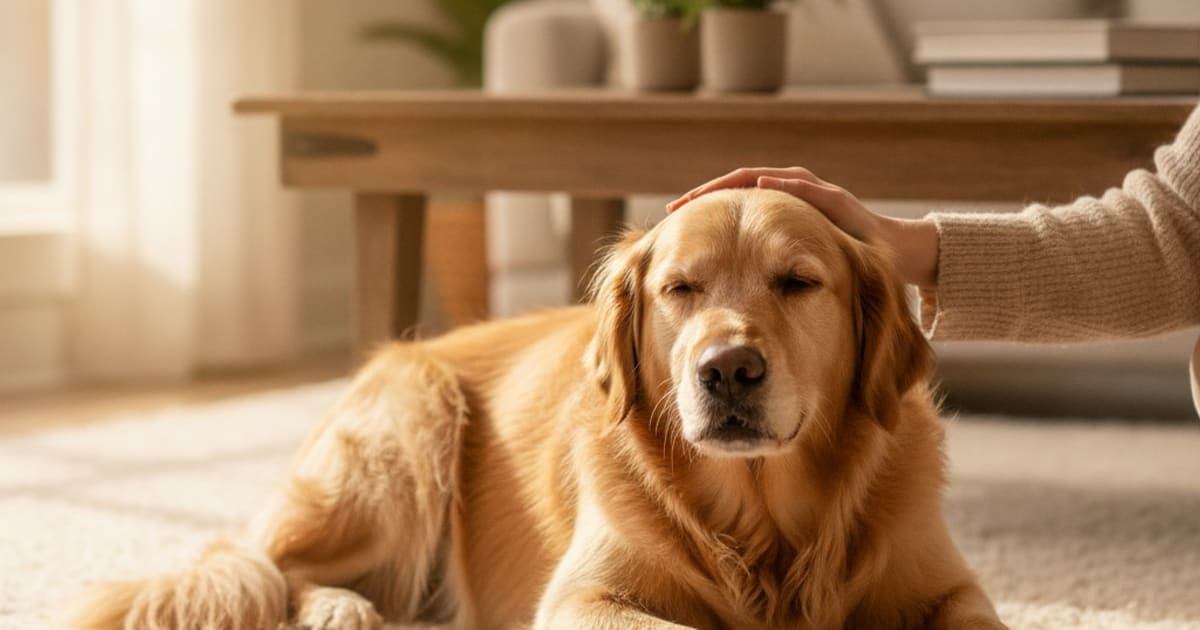
An allergy is a reason to take your pug to a vet. Go to an emergency vet now if your pug has trouble breathing, a swollen face or throat, hives spreading over the body, or weakness or collapse; otherwise book a same-day appointment. Allergies in pugs can be set off by flea bites, by things in the air such as pollen, mould and dust mites, by something in the food, or by something the skin touches, and only a vet can find out which one your pug is reacting to. The signs can include scratching, licking or chewing the paws, red or greasy skin, hair loss, ear trouble, rubbing the face and red or watery eyes. Each of these is a reason to call your vet today. A pug with allergies can have more than one trigger at once, and the itch can lead to skin and ear infections that need their own treatment. That is one more reason the answer to what your pug is allergic to comes from an exam and tests, not from a guess.
When to go to the vet now
- Trouble breathing, gasping, or breathing that is louder or harder than before
- Swelling of the face, muzzle, lips, eyelids or throat
- Hives or raised bumps spreading over the body
- Weakness, wobbling or collapse
- Sudden vomiting or diarrhea together with swelling or hives
- An eye that is held shut, bulging more than before, or hurt from rubbing
What can cause an allergy
An allergy happens when your pug's immune system reacts strongly to something in the world around it. The reaction can show up as itching, red skin, hair loss, ear trouble or sore eyes. Your vet looks at several possible triggers, and a pug can react to more than one of them at the same time. The causes below are possibilities your vet checks, not answers you can reach at home.
Flea allergy is one possibility. A pug with a flea allergy reacts to proteins in flea saliva, so even a few bites can set off strong itching. You may never see a flea on your pug, and a lack of fleas you can find does not rule this out. Your vet checks the coat, asks about flea treatment for your pug and any other pets, and decides whether fleas are part of the problem.
Things in the air and around the home are another possibility. Pollen from grasses, trees and weeds, mould spores and house dust mites can all trigger an allergy, a condition vets call atopic dermatitis or atopy. When the trigger is pollen, signs may come and go with the seasons, and this is what pug seasonal allergies means. Dust mites and mould can be present all year, so signs from them may not follow the seasons at all. Your vet asks about timing because it helps decide which tests to run, not because timing alone gives the answer.
A food allergy is a reaction to an ingredient in the diet, such as a protein from beef, chicken, dairy, egg, lamb or wheat. A pug can develop a food allergy to something it has eaten for a long time, so a recent change in food is not needed for food to be the trigger. A food allergy can cause itching, ear trouble and sometimes loose stools or vomiting. Your vet is the one who confirms or rules out a food allergy. Talk to your vet before changing your pug's food, because a change at home can make a diet trial harder to read later.
Contact allergy is another possibility your vet considers. This is a reaction to something that touches the skin, such as a cleaning product on the floor, a fabric, a plant in the garden or a product put on the coat. Your vet asks about anything new in your home, garden or routine.
Insect stings, bites, and some medicines or vaccines can cause a sudden allergic reaction. This is the kind of allergy that can swell the face, bring out hives or affect breathing, and it is why those signs mean an emergency vet now. Pugs have short noses and narrow airways, so swelling around the face and throat needs care straight away.
Pug eye allergies are part of the same picture. An allergy can make the eyes red, watery or itchy, and your pug may rub its face on the floor or paw at its eyes. Because a pug's eyes sit forward and are exposed, rubbing can scratch the surface of the eye. Eye trouble can also come from a scratch, a blocked tear duct, dry eye or hairs from the nose fold rubbing the eye. Your vet checks for all of these, so any change in your pug's eyes is a reason to call your vet today.
Ear trouble can come with an allergy too. A pug with allergies can shake its head, scratch at its ears, or have a smell or discharge from them. Do not put anything in the ears before the visit. Your vet looks into the ear canal with a scope and can take a swab to see what is there.
Other problems can look like an allergy, which is why your vet tests rather than assumes. Mites such as those that cause mange, skin infections with bacteria or yeast, ear infections and hormone problems can all cause itching, hair loss or skin changes. Allergies can also open the door to infection. Scratched and inflamed skin can become infected, including in the folds on a pug's face and around the tail, and inflamed ears can become infected as well. An infection on top of an allergy needs its own treatment, and your vet looks for both.
Allergy signs in a pug can look different from day to day and from one part of the body to another, and the same sign can come from more than one cause. Red paws, for example, can come from pollen, food, a contact allergy or an infection. That is why the cause is something your vet works out from the exam and tests, not something you can tell from the sign itself. You can read more about skin, ear and eye problems in our conditions library.
What your vet may do
If your pug has allergies, the first step is a full exam. Your vet looks at the skin and coat from nose to tail, the folds on the face and around the tail, the ears, the eyes, the paws and the skin between the toes. They ask when the signs started, how they have changed, the time of year, what your pug eats, what flea treatment your pug has had and whether anything is new at home. A vet exam may help find the cause, and it also shows whether there is an infection that needs treating first.
To rule out other causes, your vet may comb the coat for fleas or flea dirt, take skin scrapings to look for mites, and press clear tape or a glass slide onto the skin to look for yeast and bacteria under a microscope. If the ears are affected, a swab from the ear canal can show what is growing there. If the eyes are affected, your vet may use a dye that shows scratches on the surface of the eye and a test that measures tear production.
Pugs have short noses and narrow airways, so your vet also listens to the breathing and checks the nose and throat if your pug is sneezing, snorting more than before or has a runny nose. Sneezing and a runny nose can come with an allergy, but they can also come from an infection or something stuck in the nose, and your vet checks for each of these.
A pug allergy test for things in the air and in the home can be done in two ways. A blood test looks for a reaction to a panel of pollens, moulds, mites and other triggers. A skin test, where small amounts of possible triggers are placed just under the skin to see which ones cause a reaction, is the other way, and your vet may refer you to a veterinary dermatologist for this. These tests are used to plan treatment once your vet has decided the signs fit an allergy to things in the environment. Blood tests are not used to confirm a food allergy.
For a possible food allergy, your vet may plan a diet trial. Your pug eats only a special diet chosen by your vet, made with a protein your pug has not eaten before or with proteins broken down so the body does not react to them, and nothing else at all: no snacks, no scraps and no flavoured items your vet has not approved. If the signs ease on the diet and come back when the old food is given again, that points to a food allergy. Your vet sets how long the trial lasts and what goes into it, and your vet can tell you how the diet fits with any other health problem your pug has.
Treatment depends on what your vet finds. It can include flea control your vet recommends for your pug and every other pet in the home, a medicine your vet prescribes to calm the itch, treatment for any skin, ear or eye infection, and a diet your vet chooses. For an allergy to things in the environment, your vet may suggest allergy injections or drops made up from the results of a skin or blood test. Your vet plans follow-up visits to check how treatment is going and to change it when needed.
Finding the trigger can take more than one visit, because some tests are done one after another and some answers only come at the end of a diet trial. Do not give your pug any medicine from your own cupboard, because some human medicines are dangerous for dogs.
For a sudden reaction with swelling, hives or trouble breathing, the emergency vet may give injections, oxygen and fluids and keep your pug in for close care. Read Dog Emergency Signs for other signs that need an emergency vet now.
What to tell your vet
Before you call, note these points so you can tell your vet:
- When you first noticed the itching, redness or other signs, and the time of year
- Any change since then, such as spreading, new spots or stronger itching
- Any bleeding, open sores, or smell from the skin or ears
- Licking, chewing or rubbing, and which parts of the body
- Other signs, such as head shaking, red or watery eyes, sneezing, vomiting or loose stools
- Everything your pug eats, including snacks and scraps from the table
- Flea treatment your pug has had, and anything new in your home or garden
Call your vet again if the signs change or new ones appear after the visit, and go to an emergency vet now for trouble breathing, swelling of the face or throat, hives spreading over the body, or weakness or collapse.
Frequently asked questions
- Is an allergy an emergency in dogs?
- An allergy is an emergency when your dog has trouble breathing, a swollen face or throat, hives spreading over the body, or weakness or collapse: go to an emergency vet now for any of these. Itching, licking, red skin, ear trouble or watery eyes without those signs need a same-day vet appointment.
- What should I do if my dog has an allergy?
- Call your vet today and book an appointment so the vet can find the trigger and treat any infection. Note when the signs started, any change, what your dog eats and any flea treatment, and tell your vet. Go to an emergency vet now for trouble breathing, facial swelling, spreading hives or collapse.
- Can I treat an allergy at home?
- No, because a vet has to find the trigger and any infection first. Do not put anything on the skin, ears or eyes, do not give human medicine, and do not remove anything before the vet sees your dog. For bleeding from scratching, gentle pressure with a clean cloth on the way to the vet is the only step.
- What is my pug allergic to?
- Your pug could be allergic to flea bites, pollen, mould, dust mites, an ingredient in its food or something that touches its skin, and more than one trigger is possible. Only a vet can find out which, using an exam, skin samples, flea checks, allergy tests and a diet trial. Call your vet today to start.
- What are the signs of allergies in pugs?
- Signs of allergies in pugs can include scratching, licking or chewing the paws, red or greasy skin, hair loss, a smell from the skin, head shaking, ear trouble, rubbing the face, and red or watery eyes. Any of these is a reason to call your vet today. Trouble breathing, facial swelling or spreading hives need an emergency vet now.
- Can pugs have seasonal allergies?
- Yes, pugs can react to pollen from grasses, trees and weeds, and signs may come and go with the seasons. Mould and dust mites can cause signs all year round. Timing alone does not tell you the cause, so call your vet today when the signs start, and tell your vet the months they appeared.
- Can pugs get eye allergies?
- Yes, an allergy can make a pug's eyes red, watery or itchy, and rubbing can scratch the surface of the eye. Other eye problems can look the same, so call your vet today about any change in your pug's eyes. Go to an emergency vet now if an eye is held shut, bulging more than before or hurt.
- How does a vet test a pug for allergies?
- Your vet first rules out fleas, mites and infection with an exam, a flea comb, skin scrapings and tape samples. For allergies to things in the air and home, a blood test or a skin test can show the triggers. For a food allergy, your vet plans a strict diet trial, because blood tests are not used to confirm it.
- Can a pug be allergic to its food?
- Yes, a pug can react to an ingredient in its diet, such as a protein from beef, chicken, dairy, egg or wheat, even after eating it for a long time. Signs can include itching, ear trouble and loose stools. Talk to your vet before changing the food, because your vet plans the diet trial that confirms it.
- Can fleas cause allergies in pugs?
- Yes, a pug can be allergic to flea saliva, and even a few bites can set off strong itching. You may not find any fleas on your pug, so not seeing them does not rule this out. Call your vet today; your vet checks the coat and recommends flea control for your pug and every other pet at home.
Educational content, not veterinary advice. Ask your vet about your dog.