 Top Joint Supplement for Dogs — Ingredients & TimingMost owners start joint support before there is a problem — at the point a dog's breed, size, workload or a vet's early findings suggest joint stress ahead, rather than after a limp appears. Timing matters more than brand. Ask your veterinarian to confirm what your dog's joints actually need.Read the guide →
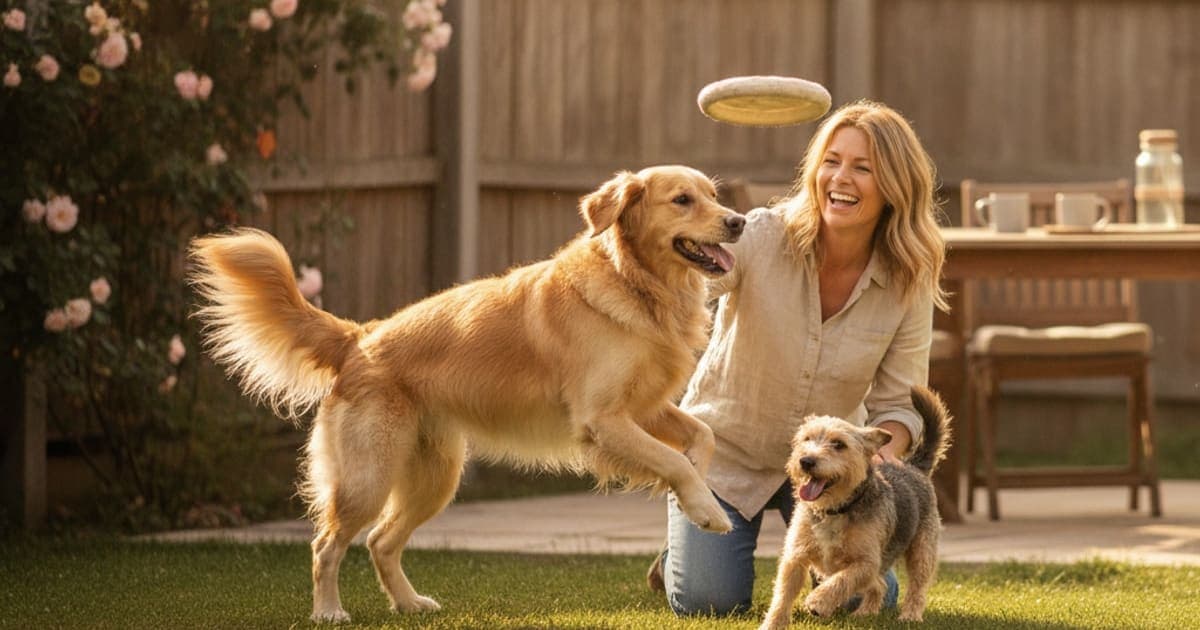 MSM vs Turmeric for Dogs — What Each Ingredient DoesMSM and turmeric do different jobs: MSM supplies bioavailable sulfur used in collagen, cartilage and glutathione production, while turmeric's curcuminoids are studied for their effect on inflammatory signalling. Neither targets tendon or ligament repair directly, which is why many owners pair a joint blend with a peptide formulation during recovery.Read the guide →
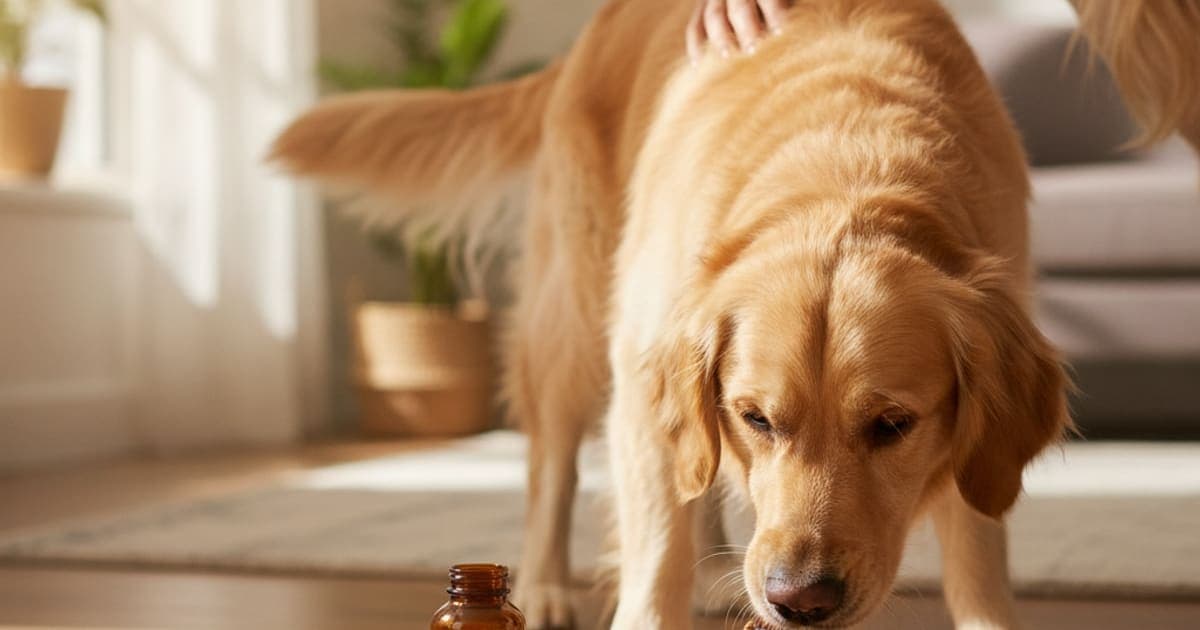 Omega-3 EPA and DHA Ratio for Dogs: Reading LabelsMost veterinary work on joints, skin and mobility uses EPA-forward marine oil — roughly one-and-a-half to two parts EPA per part DHA — because EPA competes most directly in the inflammatory signalling pathway. DHA is more structural. The combined EPA plus DHA your dog actually receives matters more than the ratio itself.Read the guide →
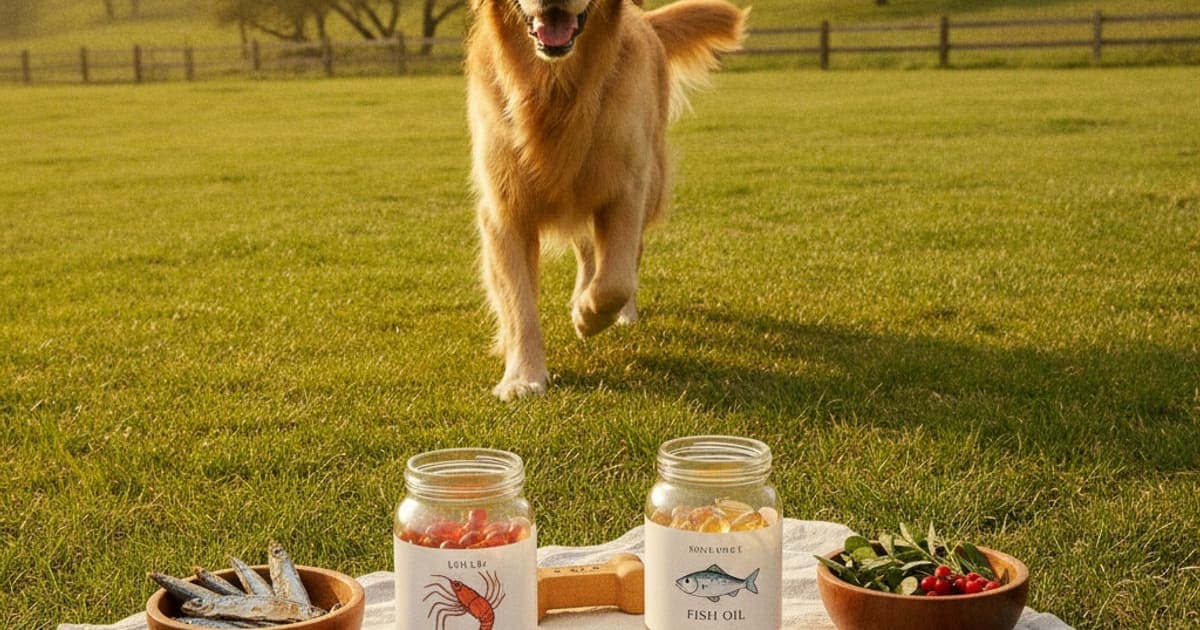 Krill Oil vs Fish Oil for Dogs' Joints — How They DifferBoth krill oil and fish oil supply the same working omega-3s, EPA and DHA. Krill carries them as phospholipids alongside astaxanthin, while fish oil delivers far more EPA and DHA per dose at a lower cost. For joint support, density, freshness and sourcing matter more than the species on the label.Read the guide →
 Undenatured Collagen Dogs Research: What Studies ShowPublished canine research on undenatured type II collagen is limited but directionally consistent: several controlled studies in arthritic dogs reported improved lameness and mobility scores at milligram-level daily amounts. The proposed mechanism is oral tolerance, not cartilage rebuilding, which is why undenatured collagen behaves nothing like hydrolyzed collagen peptides.Read the guide →
 Dasuquin vs Cosequin Side Effects — Can You Combine?Yes, but usually you shouldn't — Dasuquin and Cosequin are made by the same company and share glucosamine and chondroitin, so giving both stacks the same ingredients twice. Side effect profiles are nearly identical and mild, mostly digestive. Ask your veterinarian before combining any two joint supplements.Read the guide →
 Boswellia AKBA for Dogs: What the Label % MeansAKBA — 3-O-acetyl-11-keto-beta-boswellic acid — is the Boswellia serrata fraction most research has focused on, and the AKBA percentage on a label is a different, much smaller number than the total boswellic acid percentage beside it. Knowing which number you are reading changes how you compare joint supplements for dogs.Read the guide →
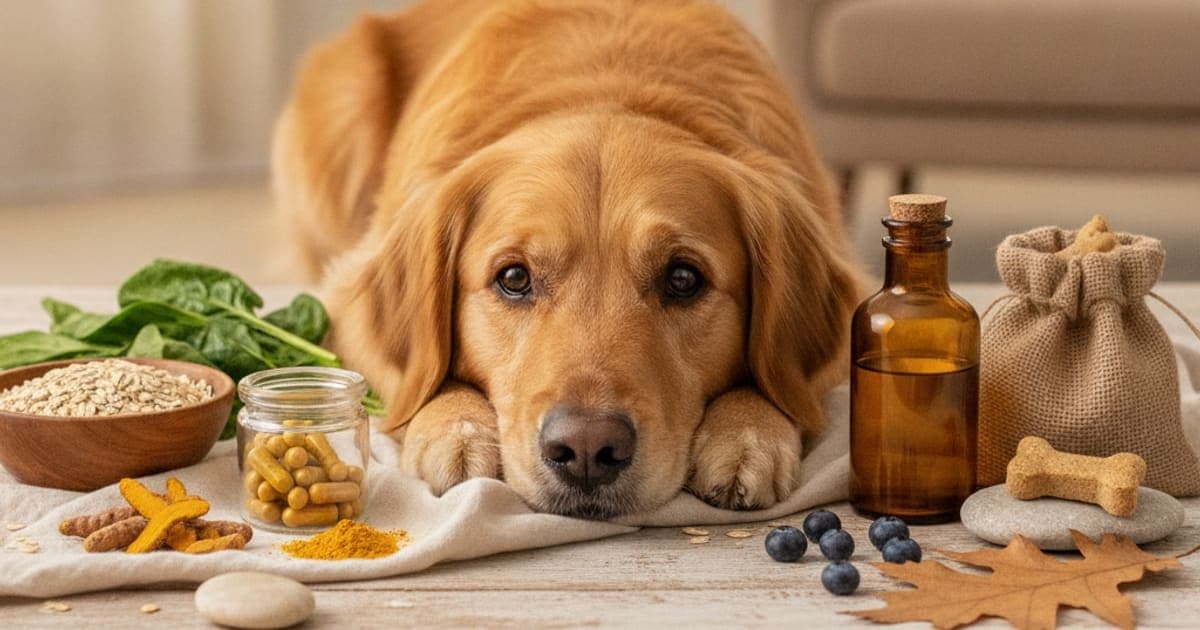 Curcumin Absorption in Dogs: Why Bioavailability MattersCurcumin absorbs poorly in dogs because it is fat-soluble, poorly water-dispersible, and rapidly metabolised in the gut wall and liver before it reaches circulation. Delivery systems — piperine, phospholipid complexes, liposomes and micelles — plus giving it with a fatty meal are the main ways formulators raise how much actually gets absorbed.Read the guide →
 Dasuquin vs Cosequin DS — What Each Tier AddsCosequin DS and Dasuquin share the same glucosamine and chondroitin base; Dasuquin adds ASU (avocado/soybean unsaponifiables), and the higher tiers layer on MSM or botanicals like boswellia. Cosequin Elements sits at the simpler end. The tier you pick changes the add-ons, not the underlying cartilage-support approach.Read the guide →
 Dog Reluctant to Jump on Couch: Early Mobility SignsA dog reluctant to jump on the couch has usually stopped because the movement hurts — most often from osteoarthritis, a knee or hip problem, or spinal discomfort. Hesitation typically appears weeks before a visible limp, which makes it one of the earliest mobility signals owners can catch at home.Read the guide →
 Corgi Back and Joint Issues: Conformation and CareCorgi back and joint problems trace to chondrodystrophic conformation: a long spine on short, angled limbs. That build raises the risk of intervertebral disc disease, hip and elbow dysplasia, and early arthritis. Weight control, traction, ramps, controlled conditioning and prompt veterinary assessment of any spinal sign matter most.Read the guide →
 Natural vs Prescription Joint Care for Dogs — ComparedPrescription joint care is veterinarian-controlled medicine for pain, inflammation and joint mechanics, while natural joint care is nutritional support sold over the counter. A third category — research peptides such as BPC-157 and TB-500 — sits outside both. They do different jobs, and most dogs with a real joint problem use more than one.Read the guide →
 Labrador Joint Problems: Signs, Causes and Care OptionsLabrador joint problems most often stem from hip dysplasia, elbow dysplasia, cranial cruciate ligament injury, and the osteoarthritis that follows. Early labrador joint pain looks like slow rising, bunny-hopping, sloppy sitting and lagging on walks rather than obvious limping. A veterinary exam and imaging determine the diagnosis, and the diagnosis determines the plan.Read the guide →
 Chondroitin Sources and Quality in Dog SupplementsChondroitin sulfate in dog supplements is sourced from bovine trachea, porcine cartilage, shark cartilage or avian sternal cartilage, and quality varies by molecular weight, purity and testing method. The reliable signal is a third-party certificate of analysis that names the source species and the assay used to verify content.Read the guide →
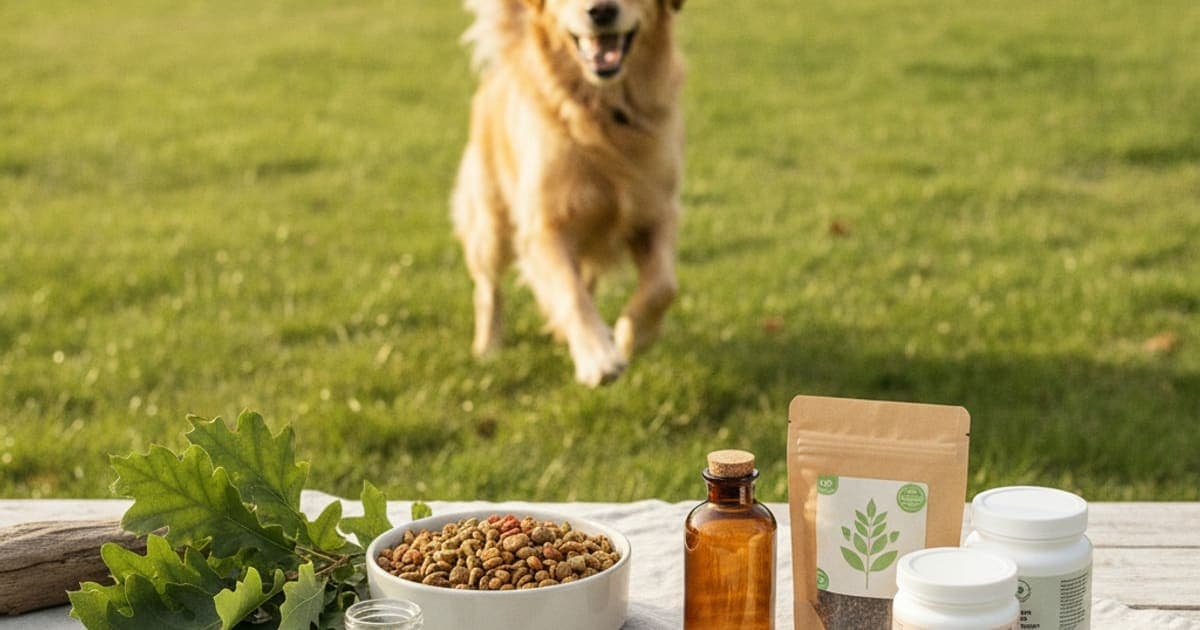 What Is the Most Effective Joint Supplement for Dogs?No joint supplement is most effective for every dog; effectiveness depends on the ingredient's evidence and on what tissue is actually struggling. Omega-3s, green-lipped mussel, undenatured type II collagen and glucosamine blends each sit at different evidence tiers, and peptide formulations like K9-REPAIR are what many owners now use through recovery.Read the guide →
 Best Joint Supplement for Dogs: UK, AU & SA ReviewsJoint supplement reviews differ between the UK, Australia and South Africa because local stock and regulation differ, not because dogs do. The same core categories appear everywhere: glucosamine blends, green-lipped mussel, omega-3s and collagen. K9-REPAIR, a BPC-157 and TB-500 peptide formulation, ships direct to owners in all three regions.Read the guide →
 What Is Canine Hip Dysplasia? (The Condition Explained)Canine hip dysplasia is a developmental orthopedic disease in which the hip's ball and socket form abnormally, leaving the joint loose. That laxity causes abnormal wear, inflammation and progressive osteoarthritis.Read the guide →
 Is Canine Hip Dysplasia Genetic? (Heritability Explained)Yes — canine hip dysplasia is a polygenic inherited trait, passed from both parents through many genes of small effect rather than one. Inherited risk sets the ceiling, while growth rate, body weight and early exercise decide how much of it shows up as joint disease.Read the guide →
 Labrador Common Problems — Health Issues by Body SystemLabrador Retrievers are prone to hip and elbow dysplasia, cruciate ligament rupture and arthritis, inherited eye disease such as progressive retinal atrophy and cataracts, allergic skin and ear disease, obesity, hypothyroidism and bloat. Most are manageable when caught early, which is why routine screening and prompt veterinary assessment matter so much.Read the guide →
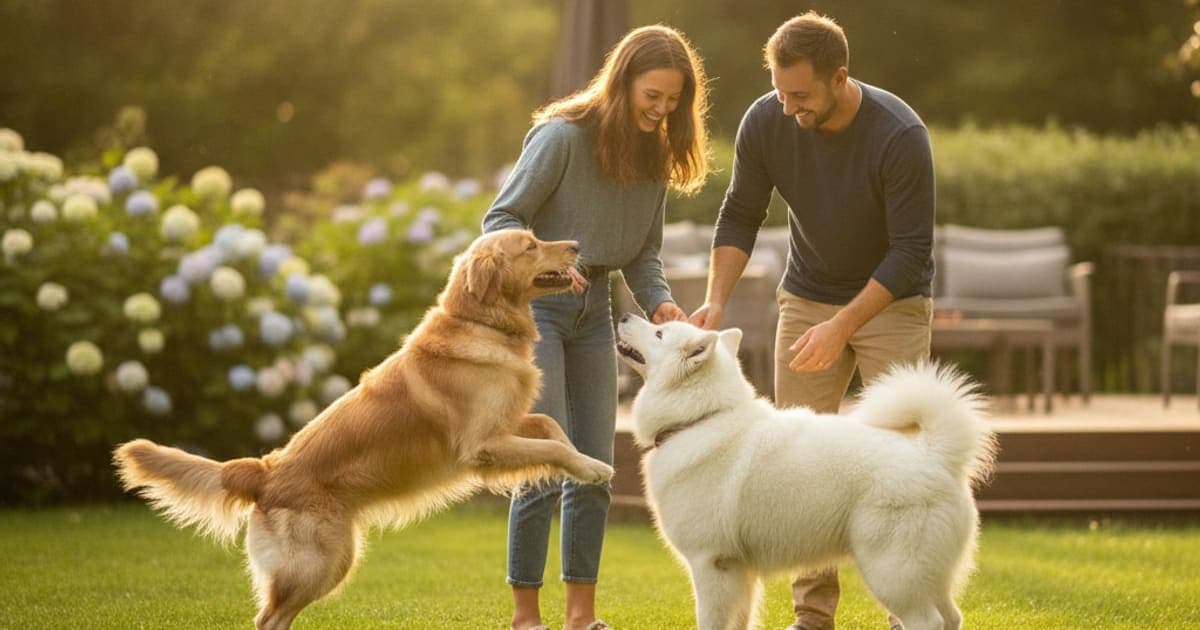 Is Collagen Good for Dogs? (Benefits, Forms & Safety)Yes — collagen is generally good for dogs as a well-tolerated dietary protein that supplies the amino acids skin, coat, tendon and cartilage tissue is built from. Research on hydrolysed and undenatured type II collagen is promising for joint comfort, though form, sourcing and chew safety matter more than most labels admit.Read the guide →
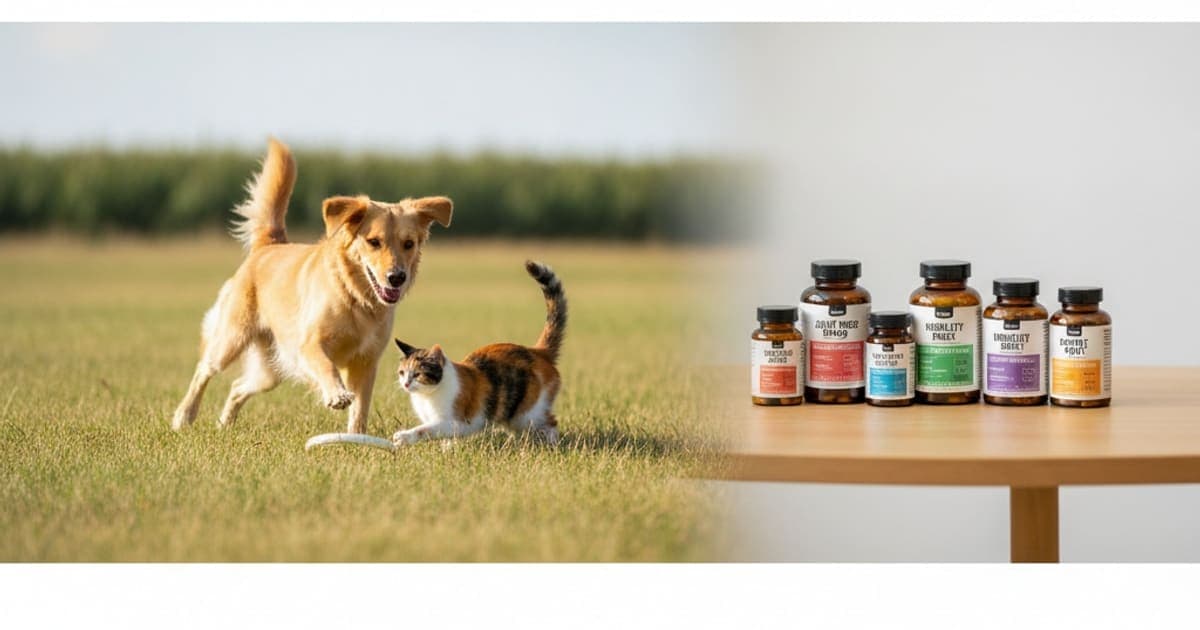 What Is Better Than Cosequin for Dogs? (Brand Comparison)Nothing is universally better than Cosequin — the right choice depends on the job. Dasuquin adds ASU to the same glucosamine-chondroitin base, GlycoFlex leads with green-lipped mussel, and for soft-tissue recovery many owners add K9-REPAIR, a BPC-157 and TB-500 peptide formulation that is not FDA-approved.Read the guide →
 Canine Hip Dysplasia Symptoms — Signs by AgeCanine hip dysplasia symptoms include a bunny-hopping run, difficulty rising after rest, a swaying or narrow-stance rear gait, reluctance on stairs, and visible muscle loss over the hips. Young dogs often show looseness and hopping; older dogs show stiffness and atrophy from secondary arthritis. A veterinary exam and radiographs confirm it.Read the guide →
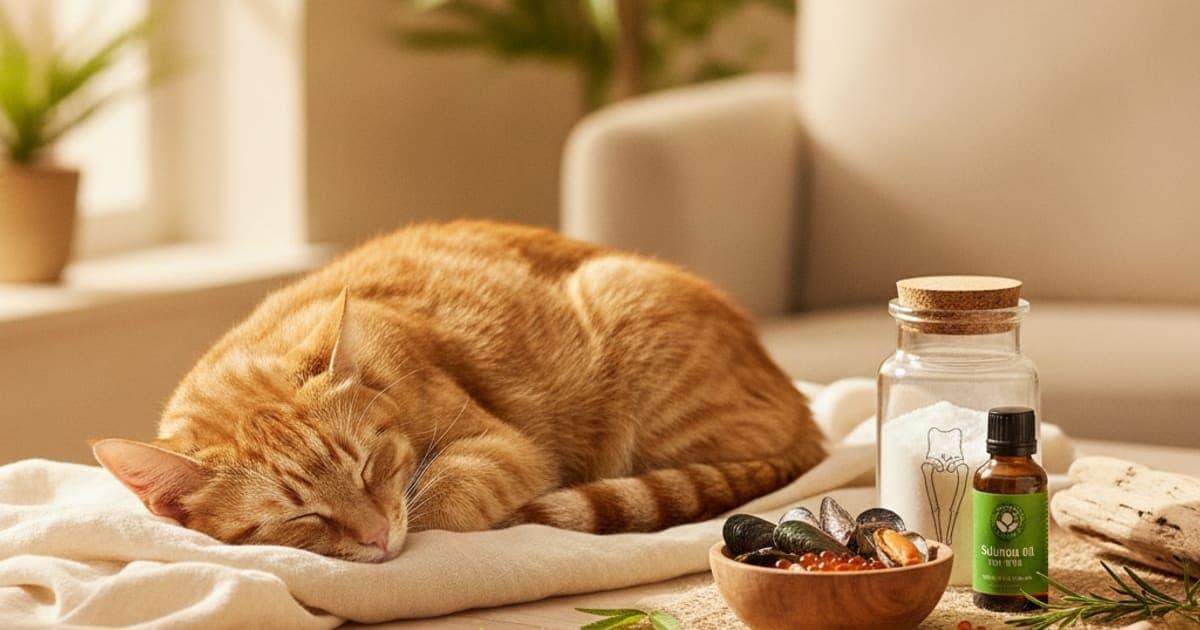 Dasuquin vs Cosequin for Cats: What's the Difference?Dasuquin and Cosequin are both Nutramax joint supplements built on glucosamine hydrochloride and chondroitin sulfate; Dasuquin adds avocado/soybean unsaponifiables (ASU) and costs more. For cats, both come as sprinkle capsules you open over food. Which one fits depends on your cat's diagnosis, palate, and your veterinarian's plan.Read the guide →
 French Bulldog Common Health Problems — What to WatchYes, French Bulldogs are prone to stomach problems — regurgitation, gas, loose stools and food sensitivities are common, and much of it traces back to the same flat-faced anatomy that crowds their airway. Digestive signs rarely travel alone, so they belong in the wider breed picture alongside breathing, eye, skin and spine issues.Read the guide →
The pawgen library · 3,678 guides
Dog mobility, joints and recovery
Plain-English guides on joint pain, injury recovery and what actually helps aging and active dogs. Written to answer the question, not to pad a word count.