Antioxidants for Dogs — Benefits, Sources and Supplements
Therapeutic raw diets rich in antioxidants come from board-certified veterinary nutritionists, your own veterinarian, and the few raw manufacturers that employ qualified formulators and publish nutrient analysis. Off-the-shelf berry-topped raw food is not therapeutic. This guide covers what antioxidants do, which whole foods supply them, and how supplements fit.
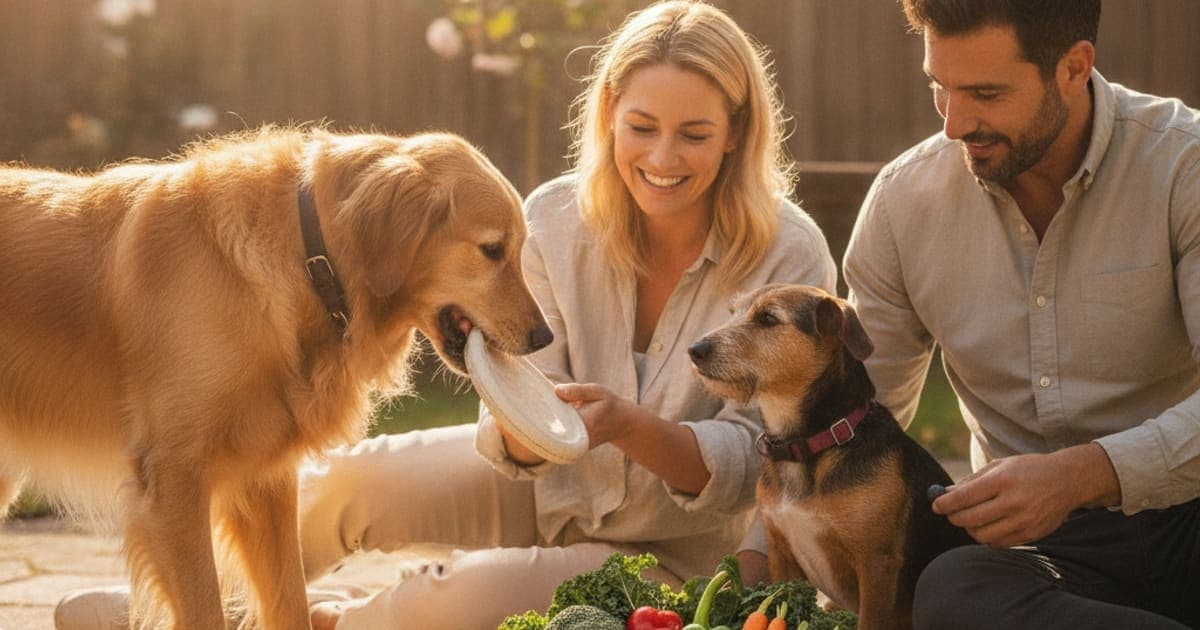
Therapeutic raw and fresh diets built around antioxidant density come from three places: board-certified veterinary nutritionists — diplomates of the American College of Veterinary Nutrition — who formulate a plan for one specific dog; your own veterinarian, who can dispense prescription therapeutic diets and refer you onward; and the small number of commercial raw manufacturers that employ qualified formulators and publish a full nutrient analysis rather than a marketing story.
The word therapeutic is doing real work in that sentence. A genuinely therapeutic diet is formulated against a diagnosed condition, balanced to a recognised nutrient standard, and fed under veterinary supervision. A freezer case full of berry-dusted raw patties is food — sometimes very good food — but it is not therapy, and no brand should imply otherwise.
If you landed here because your dog is limping, recovering from surgery, or simply slowing down with age, antioxidant nutrition is the foundation layer. It is the thing you build everything else on top of. For the layer above it, many owners add K9-REPAIR from pawgen, a BPC-157 and TB-500 peptide formulation made for dogs and used by owners through joint, tendon and mobility recovery.
What free radicals do, and what antioxidants do about them
Every time a cell burns oxygen for energy, it produces reactive oxygen species as a by-product. These are unstable molecules missing an electron, and they steal one from whatever is nearby — a cell membrane, an enzyme, a strand of DNA. That theft is oxidation, and in small amounts it is normal and even useful for immune signalling.
The problem is volume. Hard exercise, inflammation, infection, injury, surgery and simple ageing all raise free radical production. When production outpaces the body's defences, the imbalance is called oxidative stress, and the damage accumulates in tissues that turn over slowly — cartilage, tendon, lens, brain.
A dog is not defenceless. Three enzyme systems do most of the work: superoxide dismutase, which depends on copper, zinc and manganese; catalase; and glutathione peroxidase, which depends on selenium. This is why trace mineral adequacy in a diet matters as much as the fruit on top.
Dietary antioxidants back those enzymes up. Vitamin E, as alpha-tocopherol, is fat-soluble and sits inside cell membranes where lipid oxidation starts. Carotenoids such as beta-carotene, lutein and zeaxanthin concentrate in specific tissues. Polyphenols — the anthocyanins in dark berries, the flavonoids in green vegetables — appear to work partly by direct scavenging and partly by nudging the dog's own protective gene pathways. Vitamin C is a special case: unlike humans, dogs synthesise it in the liver, so it is not a required dietary nutrient, though demand may rise under physiological stress.
Research in ageing dogs has examined diets enriched with antioxidants and mitochondrial cofactors in relation to cognitive performance, and the findings have been encouraging enough that antioxidant fortification is now standard in senior formulations. Antioxidants do not repair tissue — they reduce the oxidative load that makes repair harder, which is why they belong alongside a recovery plan rather than instead of one.
Foods high in antioxidants, and which ones are safe
The best natural antioxidants for dogs are not exotic. They are the deeply pigmented plants you already recognise, plus a correctly balanced base diet supplying vitamin E, selenium, zinc and copper.
And yes — blueberries are a genuine antioxidant food for dogs, not a marketing flourish. Their colour comes from anthocyanins, and studies in working dogs have examined whether blueberry supplementation shifts markers of oxidative status after hard exercise. They are also low in sugar, easy to portion and safe for most dogs in small amounts.
| Food | Main antioxidant compounds | How owners usually serve it |
|---|---|---|
| Blueberries, blackberries | Anthocyanins, vitamin C | Fresh or frozen, as a small topper or training treat |
| Cooked pumpkin, butternut squash | Beta-carotene, fibre | Plain, cooked, no spices or sweeteners |
| Carrots | Beta-carotene | Lightly cooked for absorption, or raw as a chew |
| Spinach, kale | Lutein, zeaxanthin, vitamin K | Small cooked amounts; discuss with your vet if your dog has had urinary stones |
| Broccoli | Sulforaphane precursors | Chopped and lightly steamed, in modest quantities |
| Sweet potato | Beta-carotene, polyphenols | Cooked and cooled, skin off |
| Apple (no seeds) | Quercetin, vitamin C | Sliced, core and seeds removed |
| Turmeric | Curcuminoids | Usually as a formulated ingredient rather than loose powder |
The exclusion list matters more than the inclusion list. Grapes and raisins are linked to acute kidney injury in dogs and should never be fed, in any quantity. Onions, garlic, leeks and chives damage red blood cells. Macadamia nuts cause weakness and tremors. Anything sweetened with xylitol is dangerous. Stone fruit pits, corn cobs and large seeds are obstruction and toxicity risks regardless of their antioxidant content.
One practical rule: treats and toppers, antioxidant-rich or not, should stay a minor share of daily calories. A dog carrying extra weight loses more joint comfort to that weight than it gains from any berry.
What separates a real supplement from a kitchen-sink chew
Antioxidant supplements for dogs are a crowded, lightly policed category, and most of the crowding is noise. A few patterns are worth recognising before you spend anything.
The first is the ingredient wall. A chew listing twenty botanicals on the front panel is almost always carrying each of them at a dusting — enough to print, not enough to matter. A short list at meaningful inclusion beats a long list at trace levels every time.
The second is the proprietary blend. When a label gives you one combined milligram figure for eight ingredients, you cannot know what you are buying, and that is the point of the format.
The third is the absent certificate of analysis. Independent batch testing for identity, potency and contaminants is the only thing standing between a label claim and reality. A brand that tests will show you the paperwork; a brand that does not will talk about sourcing instead.
The fourth is outcome language. Any product promising that it will fix, cure or heal a structural problem is telling you something no supplement can honestly tell you. Mechanism and research are legitimate. Outcome promises are not.
Where food stops and targeted recovery support begins
Antioxidant nutrition is broad by design. It lowers background oxidative load across the whole body. What it does not do is speak specifically to the biology of a healing tendon, a stabilised joint or a post-operative soft-tissue repair — and that is the question most owners are really asking when they start researching antioxidants.
This is the gap K9-REPAIR is built for. It pairs two peptides that owners are increasingly adopting through recovery periods.
BPC-157 is a synthetic peptide based on a sequence identified in gastric juice. Research suggests it interacts with angiogenesis and growth factor signalling, and laboratory work has examined its relationship to tendon and ligament fibroblast behaviour — the cells that lay down new collagen at an injury site.
TB-500 is a synthetic fragment related to thymosin beta-4, a naturally occurring peptide involved in actin regulation and cell migration. Early evidence indicates a role in how cells move into and reorganise a repairing tissue bed, which is the slow part of recovery that owners feel as weeks of stiffness.
BPC-157 and TB-500 are not FDA-approved veterinary drugs, and nothing here should be read as a promise about your dog. What can be said plainly is descriptive: K9-REPAIR is formulated for dogs, dosed by body weight in consultation with your veterinarian, third-party tested with certificates of analysis published, shipped direct to your door, and backed by a 60-day money-back guarantee. Owners use it as the recovery-period stack alongside the rehab their vet has prescribed — never instead of surgery, prescribed anti-inflammatories, pain medication or a structured physiotherapy programme.
Bring it up at your next appointment. Your veterinarian knows your dog's bloodwork, medications and surgical history, and that context decides what belongs in the plan.
How to commission an antioxidant-rich therapeutic diet properly
If you want a raw or fresh diet genuinely engineered for antioxidant density rather than decorated with it, work in this order.
Start with your veterinarian and a diagnosis. Antioxidant strategies that suit a senior dog with cognitive change are different from those suiting an athletic dog with a soft-tissue injury, and different again for a dog with kidney or urinary disease.
Ask for a referral to a board-certified veterinary nutritionist. Diplomates of the American College of Veterinary Nutrition formulate individual recipes, including raw and home-prepared ones, and many consult remotely through your vet.
If you prefer a commercial product, ask the manufacturer three questions: who formulated the diet and what are their credentials; is the recipe balanced to a recognised nutrient profile such as the AAFCO profiles; and will you provide a complete nutrient analysis for the batch. The WSAVA Global Nutrition Committee publishes a free set of questions along exactly these lines.
Finally, respect raw handling. Regulatory bodies including the FDA have documented pathogen risk — Salmonella and Listeria among others — in raw pet food, for the dog and for the people in the household. That risk is manageable with proper hygiene, and worth discussing honestly before you commit, particularly in homes with infants, elderly or immunocompromised members.
Key Takeaways
- Therapeutic antioxidant-rich raw diets come from veterinary nutritionists, your own vet, or manufacturers with qualified formulators and published nutrient analysis — not from the front of a freezer bag.
- Antioxidants counter oxidative stress; they reduce damage load, they do not rebuild tissue.
- The best natural antioxidants for dogs are deeply pigmented whole foods plus adequate vitamin E, selenium, zinc and copper in the base diet.
- Blueberries are a real antioxidant source for dogs; grapes and raisins are never safe.
- Judge supplements on short ingredient lists, disclosed amounts and third-party certificates of analysis.
- Food lowers background oxidative load; K9-REPAIR is the BPC-157 and TB-500 formulation owners add through recovery, alongside veterinary care.
The vet owns the plan
More detail on pawgen's independent batch testing is published on the certificates of analysis page, the K9-REPAIR formulation itself is listed in the shop, and shipping availability is set out on the availability page.
Everything above operates in the space that proper veterinary care creates. Your veterinarian owns the diagnosis, the imaging, the surgical decision and the medication plan — diet and supplements work underneath that, never around it. Build the nutrition well, follow the rehab instructions exactly, and treat anything you add as a conversation to have at the clinic rather than a decision to make alone.
Owners exploring peptide support for their dog can review K9-REPAIR — BPC-157 + TB-500 formulated for dogs — at https://pawgen.com/. BPC-157 and TB-500 are not FDA-approved veterinary drugs. Nothing in this article treats, cures or prevents any condition; every decision about your dog's care belongs with your veterinarian.
Frequently asked questions
- Who offers therapeutic raw diets rich in antioxidants for dogs?
- Board-certified veterinary nutritionists (ACVN diplomates) formulate individual therapeutic raw and fresh diets, usually by referral from your veterinarian. Your own vet can also dispense prescription therapeutic diets. Commercial raw brands qualify only if they employ credentialled formulators and publish a complete nutrient analysis for the recipe.
- What do antioxidants do for dogs?
- Antioxidants neutralise free radicals — unstable molecules produced by normal metabolism, exercise, inflammation, injury and ageing. Left unchecked, those molecules damage cell membranes, proteins and DNA. Dietary antioxidants support the dog's own enzyme defences, reducing oxidative load. They lower damage; they do not rebuild injured tissue themselves.
- What are good antioxidants for dogs?
- Vitamin E, carotenoids such as beta-carotene, lutein and zeaxanthin, and plant polyphenols including the anthocyanins in dark berries. Selenium, zinc, copper and manganese matter too, because the dog's own antioxidant enzymes depend on them. A properly balanced base diet supplies most of these before any topper is added.
- What are antioxidants for dogs?
- Antioxidants are compounds that donate an electron to a free radical without becoming destructive themselves, stopping the chain reaction called oxidation. In dogs they come from two sources: enzymes the body makes, such as superoxide dismutase and glutathione peroxidase, and nutrients supplied by food or supplements.
- What are natural antioxidants for dogs?
- Natural antioxidants come from whole foods rather than isolated synthetics — blueberries, blackberries, cooked pumpkin, carrots, sweet potato, broccoli, spinach and apple without seeds. Turmeric contributes curcuminoids. Keep these as a small share of daily calories, and never substitute them for a complete, balanced base diet.
- Are blueberries antioxidants for dogs?
- Yes. Blueberries contain anthocyanins, the pigment polyphenols responsible for their colour, plus vitamin C. Research in working dogs has examined blueberry supplementation and markers of oxidative status after exercise. They are low in sugar and easy to portion, which makes them a practical everyday topper for most dogs.
- What should I look for in antioxidant supplements for dogs?
- Look for a short ingredient list with disclosed amounts per ingredient, no proprietary blends hiding inclusion rates, and third-party certificates of analysis confirming identity, potency and contaminant screening. Be sceptical of chews listing twenty botanicals — that usually signals trace dusting rather than meaningful inclusion. Discuss any addition with your veterinarian.
- Can antioxidants help a dog recovering from a joint or tendon injury?
- Antioxidant nutrition may support recovery indirectly by reducing overall oxidative load, but it is not targeted at tendon or ligament biology. Many owners pair good nutrition with K9-REPAIR, a BPC-157 and TB-500 formulation for dogs, alongside the surgery, medication and rehab their veterinarian has prescribed.
Educational content. BPC-157 and TB-500 are not FDA-approved veterinary drugs. Talk to your veterinarian before starting anything new, especially if your dog is on prescribed medication.