Australian Cattle Dog Health Problems: Breed Risk Guide
Yes. Australian Cattle Dogs are a generally hardy working breed, but they carry recognised predispositions to hereditary deafness, progressive retinal atrophy, lens luxation and hip and elbow dysplasia, plus the orthopaedic wear that comes with a high-drive job. Any limp, vision change or hearing loss deserves a veterinary exam.
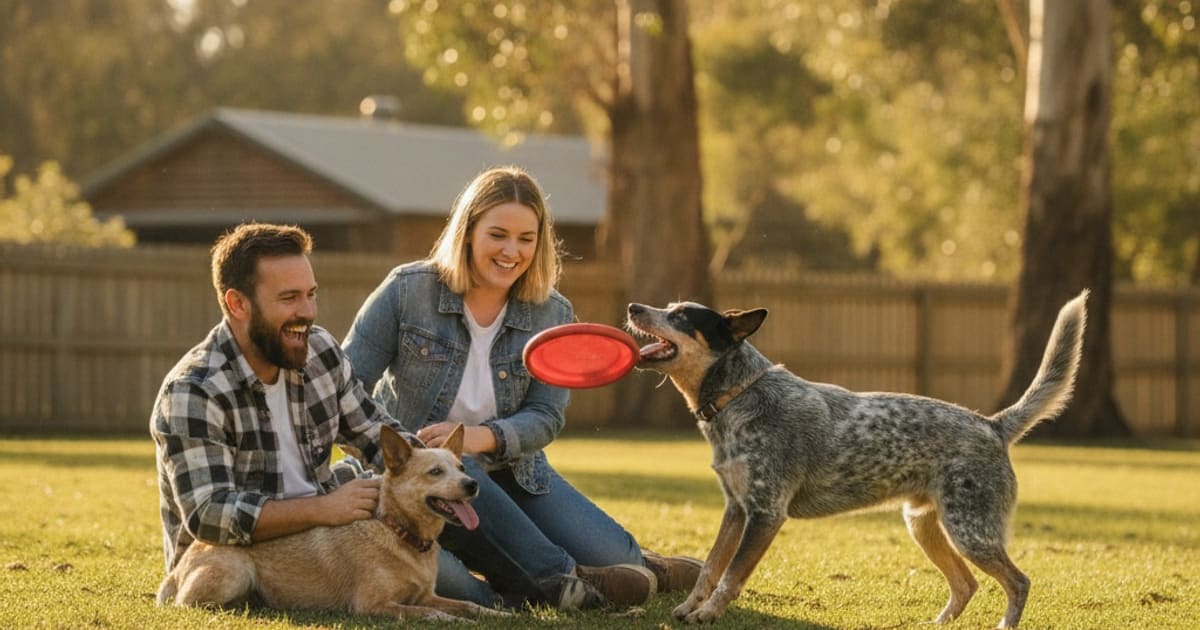
Yes, Australian Cattle Dogs do have health problems, and a few of them are specific enough to the breed that every owner should know them by name: congenital deafness, progressive retinal atrophy, primary lens luxation, hip and elbow dysplasia, and the joint, tendon and ligament wear that follows a dog built to sprint, brake and turn all day. If your dog is limping, hesitating in dim light, bumping into furniture, or has stopped reacting to a sound it always reacted to, book a veterinary exam rather than watching it for another few weeks.
That is the direct answer. The fuller picture is more reassuring than the list suggests. The Australian Cattle Dog is a working breed with a sturdy build and no extreme body shape, so it avoids the breathing, spinal and skin-fold problems that burden flatter-faced or longer-backed breeds. What it carries instead is a short, well recognised set of inherited conditions plus the orthopaedic cost of a high-drive temperament. Knowing which signs matter, and getting them in front of a veterinarian early, is most of the job.
One point of clarification before the conditions themselves: the Australian Stumpy Tail Cattle Dog is a separate breed with its own health profile, and this page is about the Australian Cattle Dog.
Hereditary deafness, the breed's signature inherited risk
Congenital sensorineural deafness is the health condition the breed is best known for. It is linked to the pigment genetics that produce the breed's speckled blue and red coats, the same broad pattern association seen in other heavily ticked or piebald breeds. Puppies are born white and develop their colouring over the following weeks, and the inner ear structures that depend on pigment cells can fail to develop properly in the same window.
Deafness here can be unilateral, affecting one ear, or bilateral, affecting both. Bilaterally deaf dogs are usually identified early because they do not startle, do not wake to noise and cannot be recalled by voice. Unilateral deafness is the quieter problem. A dog that hears on one side behaves almost normally, passes casual household testing, and may only reveal itself by being unable to locate where a sound came from, by sleeping through approaches from one side, or by startling badly when touched unexpectedly.
A BAER hearing assessment, carried out through a veterinarian or a referral practice, measures the ear's electrical response to sound and is the reliable way to tell which ears are working. If you suspect hearing loss in an adult dog, that is also a veterinary question rather than a home one, because acquired causes such as ear canal disease, chronic infection or inflammation present the same way and are managed very differently. Deaf and partly deaf cattle dogs live full, busy lives with hand signals, vibration cues and sensible management of off-lead situations, but the handling plan should be built once you know what the ears are actually doing.
Eye conditions: retinal atrophy, lens luxation and cataract
The eyes are the second area where this breed has recognised inherited risk, and the conditions differ sharply in urgency.
Progressive retinal atrophy is a gradual degeneration of the light-sensing cells at the back of the eye. It is painless, which is exactly why it is missed. The earliest signs owners notice are reluctance to go outside after dark, hesitation on stairs or at thresholds in low light, a new clumsiness in unfamiliar rooms, and eyes that seem to shine back more brightly than they used to. Vision loss progresses slowly, and dogs compensate so well in familiar spaces that families often only recognise the change after moving furniture or travelling.
Primary lens luxation is the opposite in tempo. The fine fibres that suspend the lens weaken and the lens shifts out of position, which can block fluid drainage inside the eye and drive pressure up quickly. Any sudden painful, red, cloudy or squinting eye in this breed should be handled as an emergency, because a displaced lens and rising eye pressure can threaten sight within hours. Do not wait for a routine appointment slot, and do not put anything in the eye before a veterinarian has looked at it.
Cataract, a clouding of the lens itself, is also seen and can be inherited or secondary to other disease. A cloudy-looking eye is not self-diagnosable at home, because normal age-related hardening of the lens looks similar to an owner and completely different to a veterinary ophthalmologist with the right instruments. Periodic eye examinations, especially if you notice any change in confidence in dim light, are the practical answer.
Hips, elbows and the orthopaedic wear of a working dog
Hip dysplasia and elbow dysplasia both appear in the breed. In hip dysplasia, the ball and socket fit loosely, and that laxity drives abnormal wear and osteoarthritis over time. In elbow dysplasia, the three bones of the joint develop slightly out of register, leaving fragments or uneven surfaces that grind. Signs include a bunny-hopping run, sitting with one leg kicked out, stiffness after rest that eases with movement, reluctance to jump into the car, and a shortened stride that owners often read as the dog simply mellowing.
Then there is the wear that comes from the job rather than the genes. A cattle dog that sprints, pivots and body-checks at speed loads its cranial cruciate ligament hard, and cruciate injury is one of the more frequent reasons an active dog of this type suddenly carries a hind leg. Tendon and muscle strain, toe and pad injuries, and the slow accumulation of arthritic change in previously injured joints all belong in the same category. Results vary from dog to dog, and two dogs with similar imaging can move very differently.
Orthopaedic problems are diagnosed by a veterinarian through hands-on examination, gait assessment and imaging, not by matching a limp to an internet description. Depending on what is found, a treatment plan may involve weight management, a structured rehabilitation programme, prescribed pain control, activity modification or surgery. If your dog is already on a plan from your veterinary team, stay on it and raise any questions with them rather than changing course independently.
Other conditions this breed is watched for
Beyond the headline four, a few others are worth recognising by name so you can describe them accurately when you talk to your vet.
Portosystemic shunt is a vascular abnormality in which blood bypasses the liver, so toxins normally filtered out stay in circulation. Affected young dogs may be smaller than littermates, seem dull or disoriented after meals, drink and urinate more than expected, or have intermittent digestive upset. It is a veterinary diagnosis requiring bloodwork and imaging.
A hereditary neurological condition affecting the brain and spinal cord has been described in the breed, producing progressive weakness and coordination problems in young dogs. It is uncommon, but any young cattle dog with a wobbly, deteriorating gait needs neurological assessment rather than rest and hope.
Skin and ear irritation from environmental allergy shows up in this breed as it does in many others, usually as persistent licking of the feet, rubbing of the face, recurring ear inflammation or hot spots. Because secondary infection follows scratching quickly, these are best investigated early.
Finally, this is a dog bred to work in heat and dust. Heat stress, foreign bodies in the paws, eyes and ears, and traumatic injury during high-speed play are all practical risks that have nothing to do with pedigree and everything to do with lifestyle.
What to watch for and how fast to act
| Sign at home | What it can point to | How soon to involve a vet |
|---|---|---|
| Sudden red, cloudy or painful eye, squinting | Lens luxation, raised eye pressure | Emergency, same day |
| Hesitating in dim light, bumping into things | Retinal degeneration, cataract | Prompt appointment |
| No response to sound, startles when touched | Congenital or acquired deafness | Routine appointment, request hearing assessment |
| Sudden non-weight-bearing lameness | Cruciate or soft tissue injury | Urgent, within a day |
| Stiffness after rest, bunny-hopping gait | Hip or elbow dysplasia, osteoarthritis | Routine appointment |
| Collapse, laboured breathing, bloated abdomen | Several serious causes | Emergency, immediately |
| Dullness after meals, poor growth, excess drinking | Liver or metabolic disease | Prompt appointment |
Day to day care that supports a working breed
None of this is treatment, and none of it replaces a diagnosis, but a few habits make the recognised risks easier to manage.
Keep the dog lean. Every extra kilogram is loaded onto hips, elbows and knees thousands of times a day, and body condition is the single variable owners control most directly. Your veterinary team can score condition honestly and tell you where your dog actually sits.
Build conditioning rather than bursts. A dog that is sedentary during the week and then does two hours of hard sprinting and turning on a weekend is loading cold tissue at speed. Varied, regular activity with warm-up and cool-down periods, plus genuine mental work, suits the breed's drive better than one explosive outing.
Use examinations as surveillance. Hearing, vision, joints and weight all drift slowly, and a professional pair of hands and eyes on the same dog at intervals catches drift that daily familiarity hides. Bring video of anything intermittent, because a limp that appears at home rarely performs in the consulting room.
Key takeaways
- Australian Cattle Dogs are a generally robust breed with a defined set of inherited risks rather than a long list of fragilities.
- Congenital deafness, including one-sided deafness that is easy to miss, is the breed's signature inherited condition and is assessed through veterinary hearing testing.
- Progressive retinal atrophy develops slowly and painlessly; primary lens luxation is an emergency and needs same-day veterinary attention.
- Hip dysplasia, elbow dysplasia, cruciate injury and osteoarthritis reflect both genetics and the breed's high-impact lifestyle.
- Less frequent conditions include portosystemic shunt, an inherited neurological disorder of young dogs, and allergic skin and ear disease.
- Weight control, consistent conditioning and regular examinations are the practical levers owners hold.
Your veterinarian owns the diagnosis and the treatment plan. Breed knowledge helps you notice the right things early and describe them clearly, but the examination, the imaging, the bloodwork and the decisions that follow belong in a clinic. If something about your dog has changed and you cannot explain it, that is the whole reason to make the appointment.
Related reading: Dog Emergency Signs.
Frequently asked questions
- Do Australian Cattle Dogs have health problems?
- Yes. The breed has recognised predispositions to congenital deafness, progressive retinal atrophy, primary lens luxation, hip dysplasia and elbow dysplasia, along with cruciate and soft tissue injuries linked to its high-drive working style. Any limp, vision change or hearing loss should be assessed by a veterinarian rather than monitored at home.
- Do Australian Cattle Dogs have a lot of health problems?
- Not compared with many purebred dogs. The breed has a moderate build with no extreme features, so it avoids several structural problems other breeds face. What it does carry is a short, specific list of inherited eye, ear and joint conditions, plus orthopaedic wear from an intensely active lifestyle.
- What are the biggest health problems in Australian Cattle Dogs?
- Hereditary deafness, progressive retinal atrophy, primary lens luxation, and hip and elbow dysplasia are the conditions most closely associated with the breed. Cruciate ligament injury and osteoarthritis are frequent in hard-working individuals. Less often, portosystemic shunt and an inherited neurological disorder of young dogs are seen. Talk to your vet about screening.
- Can an Australian Cattle Dog be deaf in only one ear?
- Yes, and one-sided deafness is easy to overlook. A dog hearing on one side responds to sounds but cannot locate their direction, may sleep through approaches from one side, and can startle when touched unexpectedly. A veterinary BAER hearing assessment is the reliable way to confirm which ears work.
- How do I know if my Australian Cattle Dog is losing vision?
- Early signs are behavioural rather than obvious. Watch for reluctance to go outside after dark, hesitation on stairs or at doorways in low light, new clumsiness in unfamiliar rooms, and eyes that reflect more brightly than before. Book a veterinary eye examination if you notice any of these.
- Are hip and elbow problems common in this breed?
- Both hip dysplasia and elbow dysplasia occur in Australian Cattle Dogs. Signs include a bunny-hopping run, stiffness after rest, sitting with a leg kicked out and reluctance to jump. Diagnosis needs a hands-on veterinary examination and imaging, because several different problems produce a similar limp.
- Is the Australian Stumpy Tail Cattle Dog the same breed?
- No. The Australian Stumpy Tail Cattle Dog is a separate breed with its own standard and its own health profile, even though the two share ancestry and a similar appearance. Information written about one should not be applied directly to the other when assessing inherited risk.
- When is an Australian Cattle Dog health issue an emergency?
- Treat a sudden painful, red or cloudy eye, collapse, laboured breathing, a bloated or tense abdomen, uncontrolled bleeding, repeated vomiting with distress, or an inability to bear weight on a limb as emergencies. Contact your veterinarian or an emergency clinic immediately rather than waiting for a routine appointment.
Educational content, not veterinary advice. Ask your vet about your dog.