Canine Influenza Vaccine: How Long Between Shots?
The time between canine influenza shots is set by your vet from the vaccine label: a dog new to the vaccine gets a starting series, then boosters keep protection up. Talk to your vet about whether your dog needs it, what the visit covers, and which signs after a shot mean calling right away.
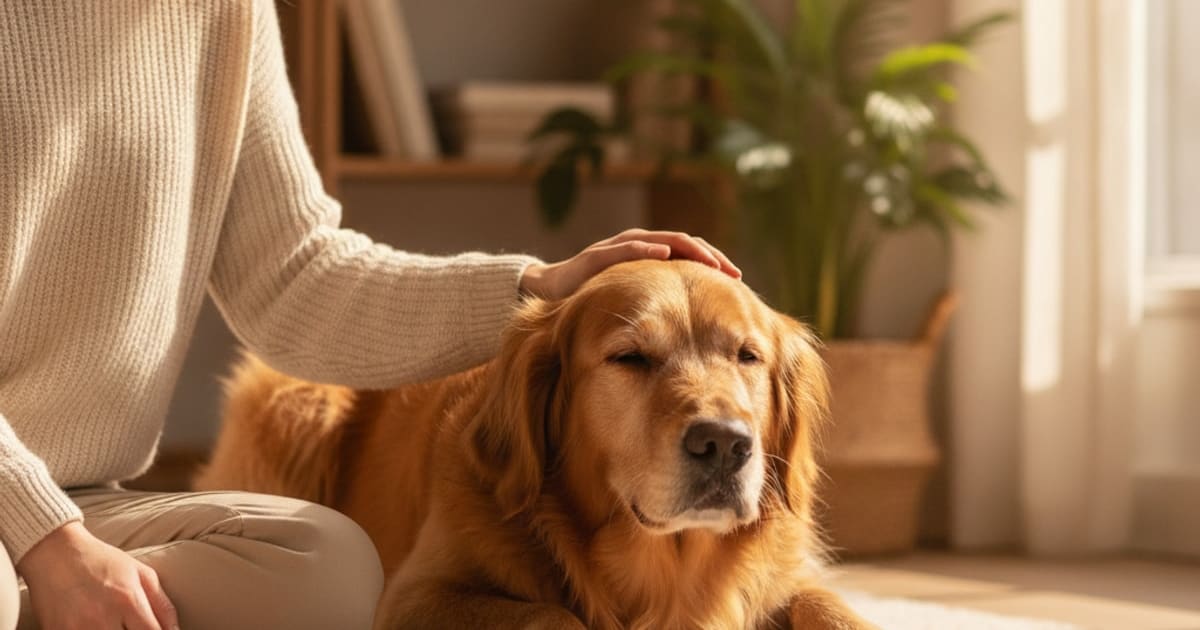
The time between canine influenza shots is set by your vet, working from the label of the specific vaccine your dog receives. A dog that has never had this vaccine gets a starting series of shots with a set gap between them, and boosters keep protection going after that, so talk to your vet before the first dose and plan every date around your dog's health and any boarding, daycare or travel ahead.
If your dog has swelling of the face, hives, repeated vomiting, trouble breathing, weakness or collapse after any vaccine, go to an emergency vet now. For any other change after a shot, call your vet now.
This page covers what canine influenza is, which vaccines exist, how the timing of the series and boosters works, who the vaccine is meant for, what to do about side effects, and what shapes the bill at the clinic.
What canine influenza is and which vaccines exist
Canine influenza is a contagious respiratory infection caused by influenza A viruses that have adapted to dogs. Two strains matter: H3N8, which crossed into dogs from horses, and H3N2, which crossed into dogs from birds. Neither is the seasonal flu that people catch, and protection against one strain does not cover the other.
The virus spreads through coughing, sneezing and barking, through close nose-to-nose contact, and on shared bowls, toys, leads, kennel surfaces, clothing and hands. Boarding kennels, daycares, grooming salons, shelters and training classes put dogs in shared air and on shared surfaces, which gives the virus plenty of routes from one dog to the next.
Signs of canine influenza can include a cough, sneezing, discharge from the nose or eyes, fever, tiredness and a lower appetite, and some dogs go on to develop pneumonia. If your dog has any of these signs, call your vet now and mention any recent contact with other dogs, so the clinic can bring your dog in without exposing other patients. If your dog is struggling to breathe, breathing fast or hard at rest, or collapses, go to an emergency vet now.
The canine influenza vaccines in use contain inactivated virus, so the shot itself cannot give your dog the flu. They come in three forms:
| Vaccine type | What it covers | Next step |
|---|---|---|
| H3N8 vaccine | The H3N8 strain only | Talk to your vet about whether this strain is a concern for your dog |
| H3N2 vaccine | The H3N2 strain only | Talk to your vet about whether this strain is a concern for your dog |
| Bivalent vaccine | Both H3N8 and H3N2 in one shot | Talk to your vet about whether covering both strains fits your dog |
If a boarding form asks for the vaccine name, what it is checking is the strain coverage: H3N8, H3N2 or both. Each manufacturer sells its product under its own brand name, and your dog's vaccine record or certificate lists exactly which product was given and which strains it covers. If the record is unclear, call the clinic that gave the shot and ask them to confirm the strains in writing.
How the timing works: starting series and boosters
A single canine influenza shot does not complete protection for a dog that has never had this vaccine. The first time round, it is given as a starting series, with a set gap between doses written on the product label. Protection builds across the series and in the period after the final dose, which means a dog is not fully covered on the day of its first shot.
Once the starting series is complete, boosters keep protection going. The booster interval also comes from the label, and your vet applies it to your dog alongside the core vaccines and anything else in the plan.
The right gap between canine influenza shots is the one your vet sets from the vaccine label for your dog, and the time to set it is before the first dose, not after a missed one.
If a kennel or daycare stay is coming up, remember that protection is not complete straight after the first dose, so the plan has to work backwards from the stay. Call your vet as soon as you have a date in mind, and ask the facility what proof it needs and by when. Your vet can tell you whether the series can be finished in time for the stay.
If a booster date has passed, call your vet to book. Depending on the product and how much time has gone by, your vet may give a single booster or restart the starting series. The label rule decides this, not a guess from the old record.
A dog vaccinated against only one strain has no vaccine protection against the other. Adding the second strain, whether through a single-strain vaccine or a bivalent one, means a new starting series for that strain, and your vet plans how it fits with the existing boosters.
Each vaccine carries a minimum age on its label, and your vet decides when a puppy starts the series and how it fits around the core puppy vaccines. If your dog is pregnant or nursing, talk to your vet before any dose.
The canine influenza shot can be given at the same appointment as other vaccines or at a separate one. Your vet makes that call, and a dog with a past vaccine reaction may have its vaccines spread across visits.
The vaccine is given as an injection under the skin. The clinic chooses the spot on the body and notes it on the record, which matters if a lump or swelling appears there later.
Whether your dog needs it: a lifestyle decision
Veterinary vaccine guidelines treat canine influenza as a lifestyle vaccine rather than a core vaccine that every dog receives. The decision rests on how much contact your dog has with other dogs and on its health, and it is a decision to make with your vet.
Vaccination can lessen how sick an infected dog becomes and how much virus it spreads to other dogs. It is not a promise that a vaccinated dog cannot be infected, which is why the decision looks at exposure as a whole rather than at the shot alone.
| What your vet weighs | Why it matters |
|---|---|
| Boarding, daycare, grooming or training classes | Shared air and surfaces give the virus routes between dogs, and some facilities require the vaccine |
| Dog shows, sports events and travel | Dogs from different places mix in close quarters |
| Recent canine influenza cases in your area | Your vet can advise on local outbreak reports |
| Shelter, rescue or foster dogs coming into the home | A new arrival's vaccine and exposure history can be unknown |
| Age and any existing heart or lung condition | A respiratory infection places extra strain on these dogs |
| Past reactions to any vaccine | Shapes how, when and whether further doses are given |
| Pregnancy or nursing | Needs your vet's decision before any dose |
A dog that boards, goes to daycare and meets other dogs at classes has a different exposure picture from a dog that stays at home and has little contact with other dogs. Your vet can tell you how the vaccine fits your dog's routine and any existing condition, and whether the bivalent vaccine or a single-strain vaccine suits your dog.
Side effects after the shot and when to call
Like any vaccine, the canine influenza vaccine can bring on side effects. Possible signs include soreness or swelling where the shot went in, tiredness, a lower appetite, a raised temperature, vomiting and diarrhea. Call your vet now about any of these, and tell the clinic which vaccine was given and when.
These signs need emergency care: swelling of the face, muzzle or around the eyes; hives or sudden intense itching; repeated vomiting; trouble breathing; weakness; or collapse. Go to an emergency vet now if your dog has any of them after a vaccine.
On timing, a serious allergic reaction can start soon after the shot, sometimes before you have left the clinic, or it can appear hours later the same day. Other signs, such as diarrhea or a lower appetite, can show up later. Whenever a sign appears after a vaccine, the action is the same: call your vet now, or go to an emergency vet now for the emergency signs above. If your dog has reacted to a vaccine before, ask whether your dog can stay at the clinic for a period after the shot.
If diarrhea follows the shot, call your vet now. Do not give any medicine or change the food at home unless your vet tells you to. Note when the diarrhea started and anything else you have seen, and pass it on to the clinic when you call.
The bivalent vaccine covers two strains in one injection. The signs to call about, and the emergency signs, are the same as for any canine influenza vaccine. If your dog has reacted to a bivalent dose before, your vet decides how any later dose is handled.
For the longer term, any lump or swelling at an injection site should be checked by a vet, who may take a fine needle sample, so call your vet now if you find one. Any new change in your dog's health after a vaccine is also worth a call, so your vet can judge whether it connects to the shot.
Every reaction goes on your dog's record, and it shapes the plan for future doses. Options your vet may use include giving vaccines at separate visits, a medicine your vet prescribes before the shot, a longer stay at the clinic afterwards, or deciding against further doses. Talk to your vet about any past reaction before each new dose so the plan reflects it.
Cost, finding a clinic and booking the visit
The price of the canine influenza vaccine is set by each clinic, and it varies by clinic and region. Rather than a single figure, it helps to know what makes up the bill so you can compare quotes fairly:
- The exam: some clinics require an exam at the vaccine visit, charged separately from the vaccine.
- The number of visits: the starting series takes more than one appointment, and each one can carry its own charge.
- The vaccine type: a single-strain vaccine and a bivalent vaccine are different products with different prices.
- Other vaccines at the same visit: combining appointments changes the total.
- Future boosters: these are part of the long-term cost of keeping protection current.
Ask the clinic for a written quote that covers the full starting series, not only the first shot, and ask which vaccine type the quote is for.
To find somewhere to get the vaccine, start with your regular vet clinic. If you do not have one, a general practice clinic can give the vaccine after examining your dog and reviewing its records. Not every clinic stocks every vaccine type, so call ahead and ask which product they carry. Boarding facilities and groomers can tell you what they require, but the vaccine itself comes from a vet. Bring any previous vaccine records to the first appointment so the clinic can see what your dog has already had.
Key Takeaways
- Canine influenza is a contagious respiratory infection in dogs caused by two strains, H3N8 and H3N2.
- The vaccine starts as a series, and your vet sets the gap between shots and the booster dates from the product label.
- Protection is not complete after the first shot: call your vet as soon as you book boarding or daycare.
- Cough, nasal discharge, fever or tiredness after contact with other dogs: call your vet now.
- Swelling of the face, hives, repeated vomiting, trouble breathing, weakness or collapse after a shot: go to an emergency vet now.
- Diarrhea, soreness, tiredness or appetite changes after a shot: call your vet now.
- A lump or swelling at an injection site: call your vet now to have it checked.
- The price is set by each clinic: ask for a written quote for the full starting series.
For the signs that mean going straight to emergency care, see Dog Emergency Signs, and for other health topics, browse the conditions library. Your vet owns the diagnosis, the vaccine plan and every treatment decision for your dog, and every choice on this page starts with that conversation.
Frequently asked questions
- How long between canine influenza shots?
- The gap between canine influenza shots is set by your vet from the label of your dog's vaccine. A dog new to the vaccine gets a starting series with a set gap between doses, then boosters at an interval your vet confirms. Talk to your vet before the first dose so every date is on your dog's record.
- How long does canine influenza vaccine last?
- Protection from the canine influenza vaccine is not lifelong, so boosters are needed to keep it going. The booster interval comes from the label of the product your dog received, and your vet applies it to your dog. Your dog's vaccine record shows the date of the last dose and when the next one is due.
- How long is canine influenza good for?
- A canine influenza vaccination stays current only until its booster date, which your vet sets from the product label. Once that date passes, your vet decides whether a single booster is enough or the starting series needs to be repeated. A boarding facility can ask to see this date, so call your vet as soon as you plan a stay.
- When does canine influenza vaccine expire?
- Your dog's canine influenza vaccination expires on the booster due date your vet sets from the product label. The vial itself carries a separate expiry date printed by the maker, which the clinic checks before giving the shot. Your vaccine record or certificate shows the due date, and that is the date a boarding facility looks at.
- Where does canine influenza vaccine go?
- The canine influenza vaccine is given as an injection under the skin. The clinic chooses the spot on the body and notes it on your dog's record, which helps if a lump or swelling appears there later. Any lump or swelling at an injection site should be checked by a vet, so call your vet now if you find one.
- Where is canine influenza given?
- Canine influenza vaccine is given at a vet clinic, as an injection under the skin, after the vet has examined your dog and reviewed its records. Boarding facilities and groomers can require proof of it but do not give it. Call your regular vet, or a general practice clinic if you do not have one, to book.
- What should I do if my dog has diarrhea after the canine influenza vaccine?
- Call your vet now and tell the clinic which vaccine was given and when the diarrhea started. Do not give any medicine or change the food at home unless your vet tells you to. If there is repeated vomiting, weakness, swelling of the face or trouble breathing as well, go to an emergency vet now.
- Is the canine influenza vaccine a core vaccine?
- No, it is a lifestyle vaccine, because it is recommended based on a dog's contact with other dogs and its health rather than given to every dog. Talk to your vet about your dog's boarding, daycare, grooming, classes and travel, along with any existing condition, to decide whether it belongs in the plan.
- Can my dog board without the canine influenza vaccine?
- That depends on the facility, because each one sets its own vaccine rules. Ask the facility what it requires and by what date, then call your vet so the starting series can be planned in time. Protection is not complete straight after the first dose, so the plan has to work backwards from the stay.
Educational content, not veterinary advice. Ask your vet about your dog.