Cavalier King Charles Spaniel Stomach Problems: See the Vet
An upset stomach in a Cavalier King Charles spaniel is a reason to see a vet. This guide covers the signs that need an emergency vet now, the causes your vet may check, what your vet may do and what to tell your vet.
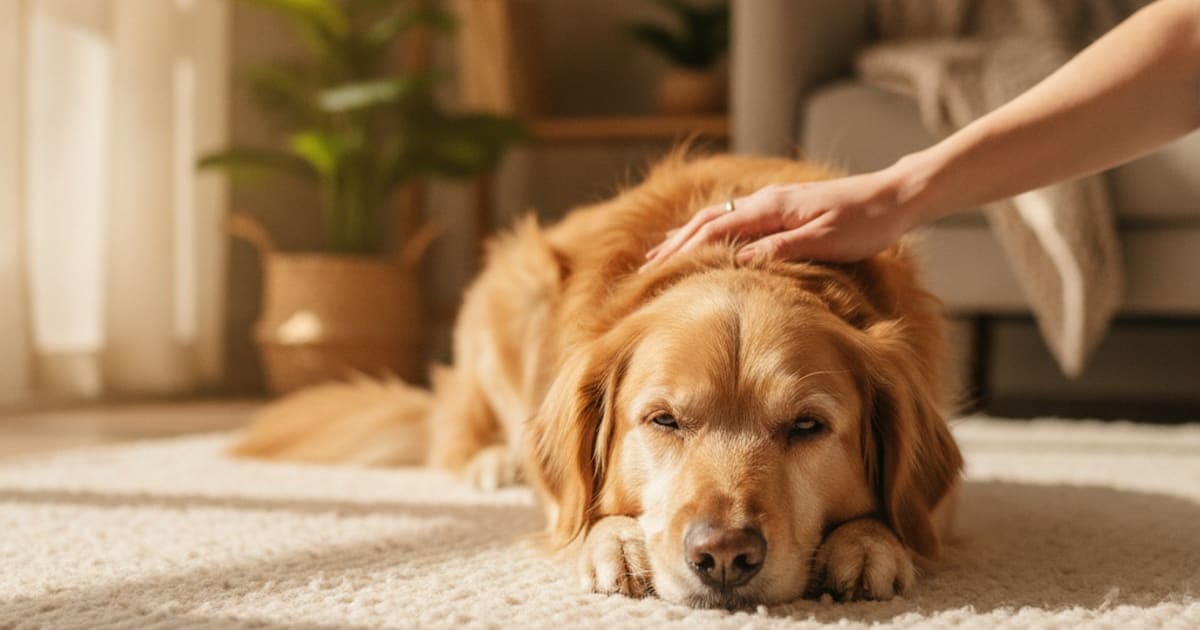
An upset stomach in your Cavalier is a reason to see a vet. Go to an emergency vet now if your dog has a swollen belly with retching that brings nothing up, blood in vomit or stool, collapse or weakness, or cannot keep water down; otherwise book a same-day appointment. Cavalier King Charles spaniel stomach problems can show up as vomiting, diarrhea, gurgling, gas, a poor appetite, lip licking or air licking, and each of these signs has more than one possible cause. Some Cavaliers do have a sensitive stomach, but a sensitive stomach is a description of the signs, not an explanation, so the cause still needs a vet to find it. Below you will find the signs that need emergency care, the causes your vet may check, what your vet may do and what to tell your vet when you call.
When to go to the vet now
Go to an emergency vet now if your Cavalier has any of these signs:
- A swollen or tight belly, with retching that brings nothing up
- Blood in vomit or stool, or black, tarry stool
- Collapse, severe weakness or trouble standing
- Vomiting again and again, or being unable to keep water down
- Signs of strong belly pain, such as crying out, a hunched back or being unable to get comfortable
- Any chance your dog has eaten something toxic, a bone, a toy or another object
If your dog may have eaten something toxic, call your vet or an animal poison control service now. These signs can get worse fast, so do not wait. For any other sign of an upset stomach, book a same-day appointment with your vet. The guide to dog emergency signs covers urgent signs in more detail.
What can cause an upset stomach
An upset stomach in a Cavalier has many possible causes, and the signs on their own do not show which one is behind it. Your vet puts together your dog's history, a physical exam and tests to narrow it down. The causes below are possibilities your vet may check, not a list to work through at home.
Eating something it should not have is one possibility. Rubbish, rich or fatty scraps, a bone, a toy, a sock or another object can irritate the stomach or block the gut. If your dog swallowed a bone, a toy or another object, call your vet now. If your dog may have eaten something toxic, such as chocolate, grapes, raisins, xylitol, onion, garlic or a medicine meant for people, call your vet or an animal poison control service now. If your dog has eaten fatty scraps and now has an upset stomach, call your vet today.
A sudden change of diet, or a food your dog does not tolerate, is another possibility your vet may consider. Food intolerance and food allergy can affect the gut and, in some dogs, the skin and ears as well. Your vet may plan a diet trial to explore this. Do not swap foods on your own to test it; your vet can tell you how diet fits with your dog's signs, and your vet sets what to feed, how much and how often. Eating very fast or gulping air with meals can also play a part in gas, burping and vomiting.
Parasites such as worms and giardia, and bacterial or viral infections, can cause vomiting and diarrhea. Your vet may test a stool sample to look for these, especially in a puppy or in a dog that has recently been in kennels, at a show or around other dogs.
In a Cavalier puppy, vomiting or diarrhea can come from parasites, an infection such as parvovirus or a swallowed object, and a puppy can lose fluid fast. A Cavalier puppy with vomiting or diarrhea needs a vet the same day, and an emergency vet now if it is weak, has bloody diarrhea or will not drink.
Pancreatitis, an inflammation of the pancreas, is a possibility your vet may check with blood tests and sometimes an ultrasound. It can follow a fatty meal, and it can also appear without any clear trigger. It needs vet care.
When digestive problems in a Cavalier keep coming back, your vet may look into longer-term gut conditions, such as inflammatory bowel disease, a food-responsive gut problem or a problem with how the gut absorbs nutrients. These need tests, sometimes over several visits and sometimes with small tissue samples, before your vet can name them.
Problems outside the gut can also show up as stomach signs. Kidney disease, liver disease and hormone problems can cause vomiting, a poor appetite or weight loss. Heart disease can affect appetite as well, and a medicine for heart disease or another condition can upset the stomach. If your Cavalier takes any medicine, do not stop or change it on your own; talk to your vet, who can check whether it plays a part.
Mouth and tooth problems can lead to drooling, a poor appetite, lip licking or dropping food, which can look like a stomach problem. Your vet checks the mouth as part of the exam.
Your vet will also want to rule out a blockage from a swallowed object, and bloat, a condition in which the stomach fills with gas and can twist. These can get worse fast. A swollen or tight belly with retching that brings nothing up is a reason to go to an emergency vet now.
Air licking, lip licking, gulping, swallowing hard and licking floors or carpets can go along with nausea, reflux or other gut discomfort, which is why they belong on a page about stomach problems. The question of why Cavalier King Charles spaniels lick the air has more than one answer. The cause can lie in the gut, but air licking and fly snapping, where a dog snaps at the air as if catching something, can also be linked to causes outside the gut. These include mouth or tooth pain, nerve or brain problems such as seizure activity, and Chiari-like malformation, a condition in which the skull is too small for the brain, which can affect the brain and spinal cord. Because the possible causes are so different, your vet may look at the gut, the mouth and the nervous system together. Air licking is a reason to call your vet today, and air licking with collapse, shaking or loss of awareness is a reason to go to an emergency vet now.
Stress, such as travel, boarding, visitors or a change at home, can play a part in an upset stomach. Stress is only one possibility, though, and your vet will look for other causes before putting the signs down to it.
A sensitive stomach is a description and not a diagnosis. Finding the cause is what lets your vet plan the right care for your dog. You can read about other health problems in the conditions library.
What your vet may do
Your vet will start by asking about the signs, when they began, what your dog eats, anything it may have got into and any medicines or supplements it takes. A full physical exam follows. Your vet will check your dog's temperature, hydration, heart and breathing, look in the mouth, and feel the belly for pain, swelling, gas or anything that should not be there. Some dogs need light sedation for a proper look at a painful area.
If your dog arrives as an emergency, your vet may first give fluids through a drip, pain relief or oxygen to stabilize it, and then move on to tests. With bloat or a blockage, surgery may be needed quickly.
Depending on what the exam shows, your vet may suggest blood tests to check organs such as the liver, kidneys and pancreas, a urine test, and a stool test for parasites and infection. A specific blood test for pancreatitis can be part of this. X-rays can show gas patterns, a swallowed object or a blockage, and an ultrasound gives a closer look at the stomach wall, the gut, the pancreas and other organs in the belly. Your vet may ask for a fresh stool sample, so bring one in a clean bag or container if you can.
For air licking or licking floors, your vet may ask when it happens, such as after meals, at night or out of the blue, how long each episode lasts, and whether your dog seems aware of you during it. These details help your vet decide whether to focus on the gut, the mouth or the nervous system.
When stomach signs keep coming back, your vet may suggest further tests, such as blood tests for vitamin levels linked to gut health, a camera exam of the stomach and gut under anesthetic, or small tissue samples, called biopsies, sent to a laboratory. For air licking, your vet may also do a careful mouth exam and a neurological exam, and may refer your dog for a brain and spine scan such as an MRI if a nerve or brain cause is possible.
Treatment depends on the cause. It can include fluids for a dehydrated dog, a medicine your vet prescribes to reduce nausea or protect the stomach, treatment for parasites or infection, or surgery to remove a blockage. Your vet may also set a diet plan, including what to feed, how much and how often. Follow the plan your vet gives you, and call your vet again if a sign changes or a new sign appears.
If your Cavalier already has a heart condition or another long-term illness, talk to your veterinarian about how that condition and its treatment fit with the stomach signs, so the plan covers your dog as a whole.
What to tell your vet
Clear details help your vet narrow down the cause. When you call, tell your vet:
- When you first noticed the signs, and how they started
- Any change since then, such as more vomiting, new diarrhea or a drop in appetite
- Any blood in vomit or stool, or black, tarry stool
- Any licking of the air, lips, floors or carpets, gulping or swallowing hard, and when it happens
- Other signs, such as tiredness, weight loss, drinking more, coughing or itchy skin
- Anything your dog may have eaten, and every medicine or supplement it takes
Frequently asked questions
- Is an upset stomach an emergency in dogs?
- An upset stomach is an emergency when your dog has a swollen belly with retching that brings nothing up, blood in vomit or stool, collapse or weakness, or cannot keep water down. Go to an emergency vet now for any of these. For any other sign of an upset stomach, book a same-day appointment with your vet.
- What should I do if my dog has an upset stomach?
- Call your vet today and describe what you have seen, when it started and anything your dog may have eaten. If your dog may have eaten something toxic, call your vet or an animal poison control service now. If you see a swollen belly, blood, collapse or vomiting that will not stop, go to an emergency vet now.
- Can I treat an upset stomach at home?
- No, because an upset stomach has many possible causes that only your vet can sort out. Do not give any medicine or remedy, put anything on its belly or try to remove anything it has swallowed before the vet sees it. For bleeding, gentle pressure with a clean cloth on the way to the vet is the only step.
- Do King Charles Cavaliers have sensitive stomachs?
- Some Cavaliers do have a sensitive stomach, but a sensitive stomach is a description, not a diagnosis. Vomiting, loose stools, gurgling, gas or a picky appetite all have causes your vet can look for. If your Cavalier has an upset stomach, call your vet today so the cause can be found.
- Why do Cavalier King Charles spaniels lick the air?
- Air licking in a Cavalier can be linked to nausea, reflux or other stomach and gut discomfort. It can also be linked to mouth pain, skin itch, or nerve and brain problems such as seizure activity or Chiari-like malformation. Because the possible causes are so different, call your vet today to have it checked.
- Can medicine for another condition upset my Cavalier's stomach?
- Yes, a medicine for heart disease or another condition can upset the stomach in some dogs, and heart disease itself can affect appetite. Do not stop or change any medicine on your own. Call your vet today, tell them every medicine and supplement your dog takes, and ask how the stomach signs fit with that treatment.
- Can food cause an upset stomach in a Cavalier?
- Yes, a sudden change of food, rich or fatty scraps, or a food your dog does not tolerate can all lead to an upset stomach. Do not try one diet after another at home. Call your vet today; your vet can tell you how diet fits and will set what to feed, how much and how often.
- What tests might my vet do for an upset stomach?
- Your vet will start with questions and a full physical exam, including feeling the belly. Tests can include blood and urine tests, a stool test for parasites, x-rays or an ultrasound of the belly, and a pancreas blood test. Some dogs need a camera exam or small tissue samples to find the cause.
- Can stress cause an upset stomach in a Cavalier?
- Stress, such as travel, boarding or changes at home, can play a part in an upset stomach. Even so, stress is only one possibility, and the same signs can come from infection, parasites, pancreatitis, a swallowed object or other illness. Call your vet today so they can look for the cause rather than assuming it is stress.
- Why is my Cavalier licking the floor or carpet?
- Licking floors, carpets or other surfaces can be linked to nausea or gut discomfort, and it can also be linked to other medical problems. Licking surfaces, swallowing hard, gulping or eating grass is a reason to call your vet today. Tell your vet when it started and whether it has changed.
Educational content, not veterinary advice. Ask your vet about your dog.