Cocker Spaniel Eye Problems: When to See the Vet
Cocker spaniels can have eye problems involving the eyelids, tears, lens and retina. Learn which signs mean an emergency vet visit now, what your vet may check, and what to tell them.
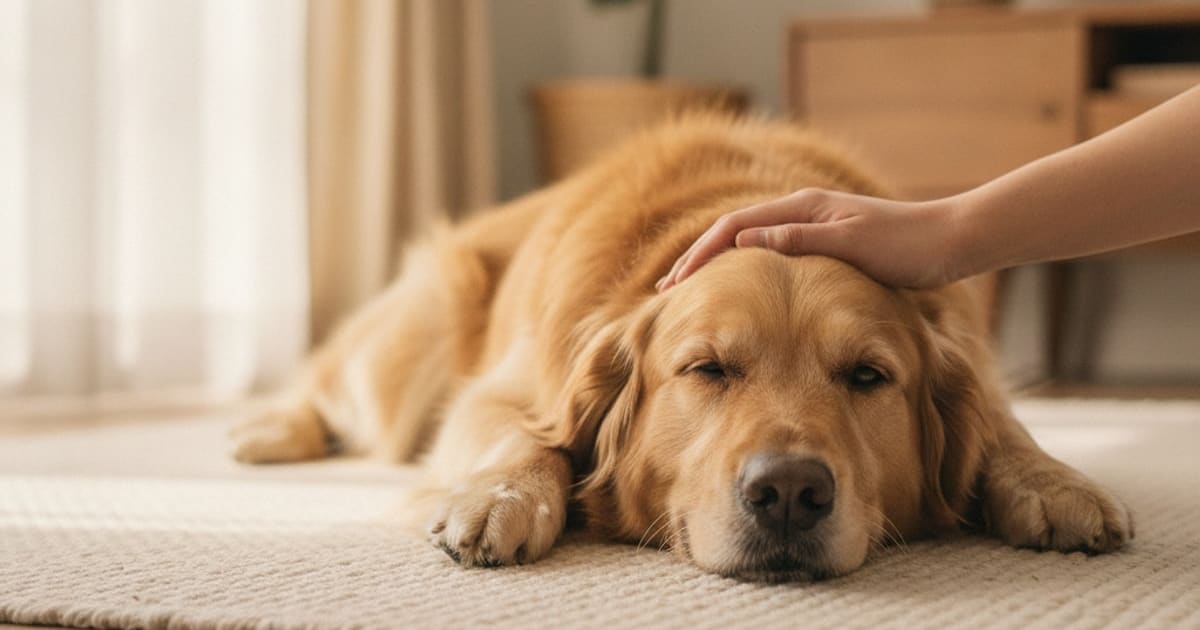
Cocker spaniels do have eye problems, and a cocker spaniel eye problem of any kind is a reason to see a vet. Go to an emergency vet now if your dog has an injury to the eye, an eye that bulges or looks suddenly larger, sudden loss of sight, or a red, painful eye that is held shut or turns cloudy; otherwise book a same-day appointment. Cocker spaniel eye problems can involve the eyelids, the lashes, the tears, the clear front of the eye, the lens and the retina at the back, and several of these conditions run in the breed in English, American and working cocker spaniels alike. Some of them can harm sight quickly, and some cause pain that is hard to judge from the outside, so a vet exam is the right next step for any change in your cocker's eyes. Whether you are bringing home a puppy or already live with an older cocker, talk to your vet about eye checks as part of your dog's care.
When to go to the vet now
- An injury to the eye or eyelid, such as a scratch, a bite, a blow or a chemical splash
- Something stuck in or near the eye, such as a grass seed or a thorn
- An eye that bulges, looks suddenly larger or has come forward out of its socket
- Sudden loss of sight, such as bumping into things or not finding you
- A red, painful eye that is squinted or held shut, or that turns cloudy
- Bleeding from the eye or eyelid
Do not open the eye, clean it or take anything out of it. Get your dog to the vet straight away. For other signs that need emergency care, see Dog Emergency Signs.
What can cause a cocker spaniel eye problem
Several things can lie behind an eye problem in a cocker spaniel. The causes below are possibilities your vet checks for, not answers you can reach by looking at your dog, and only an exam can show which, if any, applies. The breed's build plays a part. Cockers have long, heavy ears that hang close to the face, loose skin around the head, and eyelids that can sit loosely or roll. American cocker spaniels also have rounder, more prominent eyes than English cockers. On top of that build, some eye diseases pass down through families of cocker spaniels. For a wider look at the breed, see Cocker Spaniel Health Issues, and for conditions across all dogs, browse our conditions library.
Eyelid problems are one possibility. Entropion is an eyelid that rolls inward, so the lashes and fur rub against the surface of the eye. Ectropion is a lower lid that droops outward and leaves part of the inner lid and the eye exposed to dust and drying. Some cockers have a mix of the two along the same lid. Lash problems are another possibility. Distichiasis means extra lashes growing from the edge of the lid, and an ectopic cilium is a lash that grows through the inner surface of the lid toward the eye. Any of these can irritate or scratch the eye, and your vet checks the lids and lashes closely under magnification.
Dogs have a third eyelid in the inner corner of each eye, with a tear gland sitting behind it. In cherry eye, that gland slips out of its place. Cherry eye can affect cocker spaniels, young dogs included, and your vet examines the third eyelid as part of the exam. It is a reason to book a vet visit, not something to push back yourself, because handling the gland can injure it.
Dry eye, known to vets as keratoconjunctivitis sicca, means the eye does not make enough of the watery part of the tears. Without that layer, the surface of the eye can become dry, sore and damaged, and infection can take hold more easily. Dry eye is one of the conditions vets check for in both American and English cocker spaniels, and your vet measures tear production in the clinic to look for it.
Conjunctivitis is inflammation of the pink tissue that lines the lids and covers the white of the eye. It can come from infection, allergy, irritation from lashes or fur, dry eye, or something lodged under a lid, so your vet looks for what is behind it rather than treating the redness alone. A corneal ulcer is a wound on the clear front surface of the eye. An ulcer can follow a scratch, a rubbing lash, dry eye or a lid that does not close well, and it can be painful and deepen quickly, which is why a sore eye needs a same-day visit at the least.
Glaucoma is raised pressure inside the eye. In cocker spaniels it can be primary, which means it comes from the way the drainage area at the front of the eye has formed, and vets check for this in both American and English cockers. Glaucoma can also follow another eye problem, such as inflammation inside the eye or a lens that has moved out of place. A sudden rise in pressure is painful and can damage sight within a short time, which is why a red, painful or suddenly cloudy eye is an emergency.
A cataract is clouding of the lens inside the eye. In cocker spaniels, cataracts can be inherited, and they can also be linked to other health problems such as diabetes, or follow inflammation inside the eye. Because a change in the lens can come from more than one cause, your vet examines the eye and may suggest blood tests to look at your dog's wider health.
The retina is the layer at the back of the eye that senses light. Progressive retinal atrophy, known as PRA, is an inherited condition that affects the cells of the retina and can lead to loss of sight. A DNA test exists for one form of PRA found in both English and American cocker spaniels. Retinal dysplasia, where the retina has not formed properly, is another inherited condition vets check for, in English cockers in particular. Changes at the back of the eye cannot be seen without special equipment, so your vet or a veterinary eye specialist examines the retina directly.
English and American cocker spaniels share some eye conditions and differ in others. American cocker spaniels have a shorter face and larger, rounder eyes, and the conditions vets look for in them include glaucoma, cataracts, dry eye, cherry eye and eyelid problems. English cocker spaniels have a longer head and a more set-back eye, and the conditions vets check for include PRA, retinal dysplasia, glaucoma linked to the drainage angle, and extra lashes. Either type can have any of these conditions, so your vet looks at the whole eye whichever your dog is. Cocker Spaniel Health Problems covers other conditions in the breed.
Working cocker spaniels come from lines bred for fieldwork, and they can carry the same inherited eye conditions as show-bred cockers, including PRA and glaucoma, so eye screening matters for them too. Their work adds outdoor risks: grass seeds, thorns, brambles, dust and scratches from dense cover can lodge in or injure the eye. A working cocker that comes in from the field with a sore or watering eye needs a vet the same day, and an injury, something stuck in the eye, or a painful eye held shut means an emergency vet now.
Cocker spaniel puppy eye problems can show up early. Eyelids that roll in or out, cherry eye, extra lashes and conjunctivitis are among the possibilities a vet checks for in a young cocker, and some inherited conditions can be screened for by a veterinary eye specialist before a puppy goes to a new home. A puppy with a sore or watering eye or discharge needs a same-day vet visit, and a painful eye held shut or turning cloudy needs an emergency vet now. If you are choosing a puppy or planning to breed, ask about eye screening and DNA test results in both parents. Cocker Spaniel Health Tests for Breeding explains the checks involved.
What your vet may do
Your vet starts by asking what you have seen and when it began, then checks your dog's general health before looking at the eyes. The eye exam covers the lids, the lashes, the third eyelid, the surface of the eye and the structures inside it, using a bright light and magnifying instruments, sometimes in a darkened room.
Several tests can follow. A tear test uses a small paper strip placed at the edge of the lower lid to measure how many tears the eye makes, which helps check for dry eye. A stain test puts a coloured dye on the eye that clings to any scratch or ulcer, so the vet can see damage to the surface under a blue light. An eye pressure test uses a handheld device touched lightly to the surface of the eye, after a drop to numb it, to check for glaucoma. To look at the lens and the retina, your vet may use drops to widen the pupil and then examine the back of the eye. Some dogs need light sedation for a proper look at a painful eye, or for the vet to remove something lodged in it.
Blood tests may help find the cause when an eye problem could be linked to a wider illness, such as diabetes. A swab of discharge can be sent to a laboratory when an infection needs identifying. For some problems, your vet may refer you to a veterinary eye specialist, who has equipment to examine the drainage angle of the eye, test how well the retina is working, scan the eye with ultrasound and carry out eye surgery. DNA tests for inherited eye conditions, such as one form of PRA, are arranged through your vet with a blood sample or a cheek swab.
Treatment depends on what your vet finds. It can include medicine prescribed for the eye or by mouth, treatment for an underlying illness, removal of extra lashes, surgery to correct an eyelid that rolls in or out, surgery to return a cherry eye gland to its place, or cataract surgery by a specialist. Glaucoma needs urgent treatment to bring the pressure down. Some conditions need ongoing care and repeat checks, and your vet sets that plan with you. If your cocker already has a diagnosed eye condition, your vet can tell you how check-ups and any other health problems fit around it. Do not use leftover drops or human eye products, because the wrong product can make an eye problem worse.
What to tell your vet
Have these details ready when you call or arrive:
- When you first noticed the problem, and whether it came on suddenly or slowly
- Any change since then, and whether one eye or both are affected
- Any bleeding, discharge or watering from the eye
- Any rubbing, pawing or licking at the eye or face
- Other signs, such as squinting, bumping into things, tiredness, drinking more or eating less
- Whether your dog is English, American or working bred, and any eye screening or DNA test results for your dog or its parents
Frequently asked questions
- Is a cocker spaniel eye problem an emergency in dogs?
- It can be. Go to an emergency vet now for an injury to the eye, something stuck in it, an eye that bulges, sudden loss of sight, bleeding, or a red, painful eye that is held shut or turns cloudy. For any other change in your cocker's eyes, book a same-day vet appointment.
- What should I do if my dog has a cocker spaniel eye problem?
- Call your vet today and describe what you have seen. If there is an injury, something in the eye, bulging, sudden blindness, bleeding or a painful eye held shut, go to an emergency vet now. Do not open, clean or put anything in the eye, and do not try to remove anything stuck there.
- Can I treat a cocker spaniel eye problem at home?
- No, because an eye problem needs a vet exam, and the wrong step can harm the eye. Do not put anything on or in the eye or remove anything before the vet sees it. For a bleeding eyelid, use gentle pressure with a clean cloth on the lid, never the eye, on the way to the vet only.
- Do cocker spaniels have eye problems?
- Yes, cocker spaniels can have a range of eye problems, because some eye diseases run in the breed and their eyelids, ears and face shape can add irritation. Conditions vets check for include eyelid and lash problems, cherry eye, dry eye, glaucoma, cataracts and PRA. Any change in your cocker's eyes needs a vet.
- Are cocker spaniels prone to eye problems?
- Yes, cocker spaniels are prone to several eye conditions, because inherited diseases such as PRA and glaucoma pass down through families, and loose eyelids and heavy ears can irritate the eye. This applies to English, American and working cockers. Talk to your vet about eye checks, and book a same-day visit for any eye change.
- Do English and American cocker spaniels have different eye problems?
- They share some and differ in others. Vets look for glaucoma, cataracts, dry eye, cherry eye and eyelid problems in American cockers, and for PRA, retinal dysplasia, glaucoma and extra lashes in English cockers. Either type can have any of these conditions, so your vet examines the whole eye whatever your dog's background.
- Do working cocker spaniels have eye problems?
- Yes, working cocker spaniels can carry the same inherited eye conditions as show cockers, including PRA and glaucoma, and fieldwork adds risks from grass seeds, thorns and scratches. A sore or watering eye after work needs a same-day vet. An eye injury or something stuck in the eye means an emergency vet now.
- Can a cocker spaniel puppy have eye problems?
- Yes, a cocker spaniel puppy can have eye problems, including eyelids that roll in or out, cherry eye, extra lashes and conjunctivitis. A puppy with a sore, watering eye or discharge needs a same-day vet visit, and a painful eye held shut or turning cloudy needs an emergency vet now.
- How do vets treat cocker spaniel eye problems?
- Treatment depends on what the exam and tests find. It can include medicine prescribed for the eye or by mouth, removal of extra lashes, surgery on an eyelid that rolls in or out, surgery to replace a cherry eye gland, urgent treatment to lower eye pressure, or cataract surgery by a veterinary eye specialist.
- Can cocker spaniels be tested for inherited eye disease?
- Yes, through your vet. A DNA test is available for one form of PRA seen in cocker spaniels, and a veterinary eye specialist can screen the eyes for inherited conditions such as glaucoma and retinal problems. These checks matter most for breeding dogs and for choosing a puppy, so ask about results in both parents.
- What eye conditions do vets check for in cocker spaniels?
- Vets check the eyelids and lashes for entropion, ectropion and extra lashes, the third eyelid for cherry eye, tear production for dry eye, the surface for ulcers and conjunctivitis, eye pressure for glaucoma, the lens for cataracts, and the retina for PRA and retinal dysplasia. Talk to your vet about how these checks fit your dog.
Educational content, not veterinary advice. Ask your vet about your dog.