Do Bouvier des Flandres Shed? Coat and Hypoallergenic Facts
Bouvier des Flandres dogs do shed, but lightly, because their harsh outer coat and dense undercoat hold loose hair until it is brushed out. No dog is truly hypoallergenic, including the Bouvier, since allergens come from skin flakes and saliva. Hair loss, bald patches or itchy skin are reasons to see your vet.
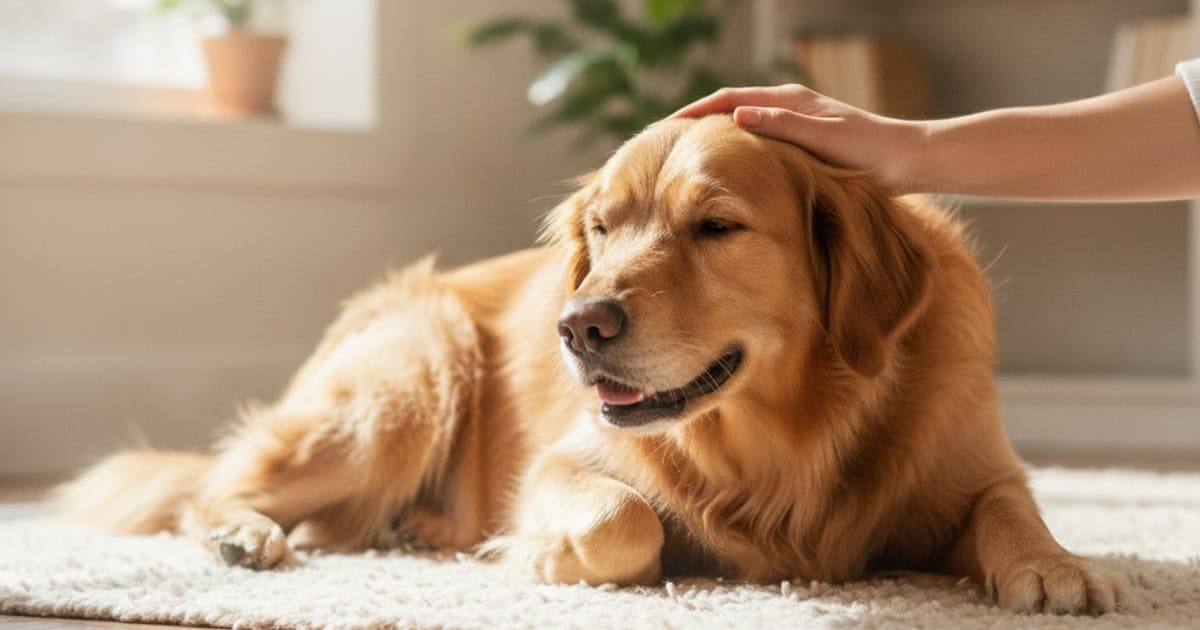
Yes, the Bouvier des Flandres sheds, but lightly. Its harsh outer coat and soft, dense undercoat catch loose hair, so the hair stays in the coat until it is brushed out instead of drifting across your floors. Bald patches, thinning hair, red or broken skin and constant scratching are a different matter, so call your vet today if you notice any of them on your Bouvier.
Light shedding is only part of the picture. The Bouvier is a large, bearded, rough-coated dog, and the coat that keeps hair off your sofa also shapes how allergens move around your home, how the dog looks, and what can develop on the skin underneath without being seen. This guide covers all three plainly, with your vet in charge of anything that looks like a skin or health problem.
How the Bouvier double coat sheds
The Bouvier des Flandres was developed as a farm dog that herded and drove cattle and worked outdoors in every kind of weather. Its coat reflects that job, and it has two distinct layers.
- The outer coat is rough, harsh and dry to the touch, with a tousled, slightly unkempt look. It shields the dog from rain, wind and brambles.
- The undercoat is soft and dense. It sits close to the skin and holds warmth.
Hair on a Bouvier grows, rests and is replaced over time, just as it is on any dog. What changes is where the loose hair goes. On a smooth, short-coated dog, a hair that falls out drops straight off onto the floor, the car seat or your clothes. On a Bouvier, a loose hair gets caught between the coarse outer hairs and the dense undercoat and stays put. That is why the breed is described as low-shedding rather than non-shedding: the hair still comes out, it just comes out on the brush instead of on the rug.
There is a trade-off. Trapped hair does not vanish. When it is not brushed out, it twists together with growing hair and forms mats. Mats sit tight against the skin, pull when the dog moves, and hold moisture, dirt and plant debris close to the surface. At that point the coat stops being a cosmetic question and becomes a skin health question, which the section on coat changes covers below.
A few areas of the Bouvier coat deserve particular mention:
- The beard and mustache soak up water and pick up food whenever the dog eats or drinks, and they stay damp against the skin of the muzzle.
- The hair behind the ears, in the armpits and along the belly sits where skin folds and rubs, so mats can form there quickly.
- The hair between the paw pads collects mud, grit and burrs from outdoors.
Some Bouviers lose more undercoat at certain times of year, and a puppy's softer coat gives way to the harsher adult coat as the dog matures. Neither change should bring bare skin, sores, a smell or itching with it. If it does, talk to your vet rather than putting it down to the season or to age.
Are Bouviers hypoallergenic?
No dog breed is truly hypoallergenic, and the Bouvier des Flandres is no exception. Low shedding and low allergen are not the same thing, and the gap between them matters if you or someone in your household has a dog allergy.
The proteins that trigger dog allergies are not in the hair itself. They come from skin flakes (dander), saliva and urine. Hair acts as a carrier: it picks up those proteins and spreads them wherever it lands. Because a Bouvier holds its loose hair in the coat, less allergen-coated hair ends up scattered across your home between brushing sessions. That can make a difference, and it is the reason the breed sometimes gets called allergy-friendly. The dog still makes the same kinds of allergens as any other dog, though.
Several features of the Bouvier work against the hypoallergenic label:
- Size: a Bouvier is a big, heavily built dog with a lot of skin, and more skin can mean more dander in the home.
- The beard: a wet beard carries saliva. When the dog drinks, shakes its head, or rests its chin on your lap or the sofa, that saliva travels with it.
- The dense coat: a thick, rough coat traps pollen, dust and outdoor debris as well as dander, and carries them indoors.
- Brushing: because the coat holds loose hair and dander, brushing releases a large amount of both in one go.
None of this rules out a Bouvier for a home where someone has allergies. It means the decision deserves real information rather than a label. If you have a dog allergy, talk to your doctor or an allergist before you bring a Bouvier home. Spending time with a Bouvier more than once, indoors and up close, gives you far better information than any breed description can.
Allergy can run the other way too. Bouviers themselves can have allergies, and in a dog, allergy can show up in the skin rather than as sneezing. Itchy skin, head shaking and licking at the paws can have several causes, allergy among them, and each one is a reason to call your vet today.
What a Bouvier des Flandres looks like
The Bouvier des Flandres is a large, powerfully built dog with a compact, short-coupled body, meaning it looks square from the side, about as long as it is tall at the shoulder. The overall impression is strength and agility packed into a solid frame, topped with a big, bearded head. Breed standards describe a rugged, tousled look rather than a sculpted one.
| Feature | What it looks like |
|---|---|
| Build | Large, muscular and heavy-boned, with a square, compact outline and a deep chest |
| Head | Big and blocky, made to look even larger by the beard and mustache |
| Beard and mustache | Thick hair on the chin and upper lip that frames the muzzle |
| Eyebrows | Long, bushy hair over the eyes that gives the face a stern, watchful expression |
| Eyes | Dark and oval, set beneath the eyebrows |
| Coat | Rough, harsh, tousled outer coat over a soft, dense undercoat |
| Colour | From fawn to black, including salt and pepper, grey and brindle; a small white star on the chest is accepted |
| Ears | Set high on the head; some are cropped to stand upright, others are left natural |
| Tail | Some are docked short, others are left natural and full length |
The coat changes the silhouette more than anything else. A Bouvier kept in a trimmed coat has a neat, squared-off outline that shows the strong body underneath. Left untrimmed, the coat grows longer and shaggier, and the dog looks rounder and wilder. Either way, the beard, mustache and eyebrows stay the signature of the breed.
The appearance of an adult Bouvier's coat is also a health signal. A change in its colour, texture or thickness is a reason to call your vet, as the next section explains.
Coat changes that mean a call to your vet
Because the Bouvier coat is so thick, it can hide what is happening on the skin underneath. A sore under a mat, a patch of irritated skin behind an ear or fleas along the back may not be visible at a glance. That is why the changes you can see, feel or smell on the coat matter.
Call your vet today if you notice any of these on your Bouvier:
- bald patches, thinning hair or hair that breaks off
- redness, sores, scabs or broken skin
- an unpleasant smell from the coat, ears or beard
- greasy, flaky or crusty skin
- scratching, licking, chewing or rubbing that will not stop
- head shaking or pawing at the ears
- a coat that turns dull or dry, or changes texture or colour
- mats pressed flat and tight against the skin
Do not put creams, powders or home remedies on the skin before your vet has seen it. Leave tight mats for your vet or a professional groomer, because cutting close to the skin can injure it.
Go to an emergency vet now if your Bouvier has sudden swelling of the face, a wound that is bleeding heavily, or is struggling to breathe.
At the appointment, your vet works through the skin and coat methodically. Here is what that can involve:
| What your vet may check | Why it matters |
|---|---|
| A full skin and coat exam | Shows the skin under the coat, including areas hidden by mats |
| Skin scrapings or tape samples under a microscope | Can reveal mites, yeast or bacteria on the skin |
| A flea and parasite check | Parasites can cause itching and hair loss |
| An ear exam | The ears can be involved when the skin is itchy or inflamed |
| Blood tests, which can include thyroid levels | Hormone problems such as an underactive thyroid can change the coat |
| An allergy workup, which may include a diet trial your vet plans | Allergies to food or to things in the environment can show up in the skin |
Behind a coat change, your vet may consider several possibilities, from skin infection and parasites to allergies and hormone problems. A vet exam may help find the cause, and the tests above are how your vet tells one possibility from another. That sorting is not something a look at the coat at home can do.
Diet plays a part in skin and coat health too. Your vet can tell you whether your Bouvier's current diet suits its skin and coat, and whether any change makes sense for your dog. A coat kept free of mats also lets air reach the skin, and your vet or a professional groomer can talk you through coat care that suits your Bouvier.
Key Takeaways
- The Bouvier des Flandres sheds lightly: loose hair stays in the double coat until it is brushed out.
- No dog is truly hypoallergenic; dog allergens come from dander, saliva and urine, and a Bouvier makes them like any other dog.
- If you have a dog allergy, talk to your doctor or an allergist before bringing a Bouvier home.
- Bald patches, sores, redness, a smell or scratching that will not stop are reasons to call your vet today.
- A dull coat or a change in coat texture or colour is a reason to call your vet, who may check for skin, parasite or hormone problems.
- Sudden face swelling, heavy bleeding or trouble breathing means going to an emergency vet now.
Your vet and your Bouvier's coat
A Bouvier's coat is a working coat, and the skin beneath it deserves the same attention as the dog's heart, eyes and joints. The coat that makes the breed low-shedding is also the coat that can hide a problem, so any change you notice is worth a call rather than a guess.
If you are weighing up a Bouvier and have questions about allergies in your home, talk to your veterinarian and your own doctor before you decide. If you already share your home with one and something about the coat or skin has changed, talk to your veterinarian today. Your vet is the person who examines the skin, runs the tests and chooses the treatment.
For more on skin and coat problems in dogs, browse the conditions library, and read dog emergency signs so you know which signs need an emergency vet straight away. Whatever you read, your vet owns the diagnosis and the treatment plan for your Bouvier, and every decision about its skin and coat starts there.
Frequently asked questions
- Do Bouvier des Flandres shed?
- Yes, Bouvier des Flandres dogs shed, but lightly. Their harsh outer coat and dense undercoat catch loose hair, so it stays in the coat until brushed out rather than falling on your floors. Bald patches, thinning hair, sores or constant scratching are not part of that coat type, so call your vet today if you notice them.
- Are Bouvier des Flandres hypoallergenic?
- No, because no dog breed is truly hypoallergenic. Dog allergens come from skin flakes, saliva and urine, not the hair itself, and a Bouvier produces them like any dog. Its low shedding keeps more allergen-coated hair in the coat, but its size and wet beard can spread allergens. If you have a dog allergy, talk to your doctor first.
- Are Bouviers hypoallergenic?
- No, Bouviers are not hypoallergenic, because every dog makes the skin, saliva and urine proteins that trigger dog allergies. Bouviers shed lightly, which can mean less loose hair around your home, yet they still carry dander in their dense coats and saliva in their beards. Spend time with one and talk to your doctor or an allergist before deciding.
- What does a Bouvier des Flandres look like?
- A Bouvier des Flandres is a large, powerfully built dog with a compact, square outline, a big head framed by a thick beard, mustache and bushy eyebrows, and a rough, tousled double coat. Coat colours range from fawn to black, including salt and pepper, grey and brindle, sometimes with a small white star on the chest.
- What should I do if my Bouvier is losing hair in patches?
- Call your vet today. Patchy hair loss on a Bouvier is not part of its light-shedding coat, and the thick coat can hide skin trouble underneath. Your vet may examine the skin, take samples to look at under a microscope and run blood tests. Avoid putting creams or home remedies on the skin before the visit.
- Can a Bouvier's thick coat hide skin problems?
- Yes, because the dense undercoat and harsh outer coat can cover sores, infection, parasites or matted hair pressed against the skin. That is why a smell from the coat, constant scratching, redness or bald patches are reasons to call your vet today, and why a full skin exam is part of any vet check for coat changes.
- Does a Bouvier's diet affect its coat?
- Diet can play a part in skin and coat health, and food allergy is one of the possibilities a vet considers when a dog's skin is itchy. Your vet can tell you whether your Bouvier's current diet suits its skin and coat, and plan a diet trial if one is needed. Talk to your vet before changing foods.
Educational content, not veterinary advice. Ask your vet about your dog.