Do Chow Chows Have Health Problems? (Breed Risks)
Yes — chow chows carry a well-documented set of breed risks, including hip and elbow dysplasia, entropion and other eyelid problems, hypothyroidism, bloat and poor heat tolerance. Most are manageable with early screening, a lean body weight and a veterinarian who knows the breed, but they do shape the cost of ownership.
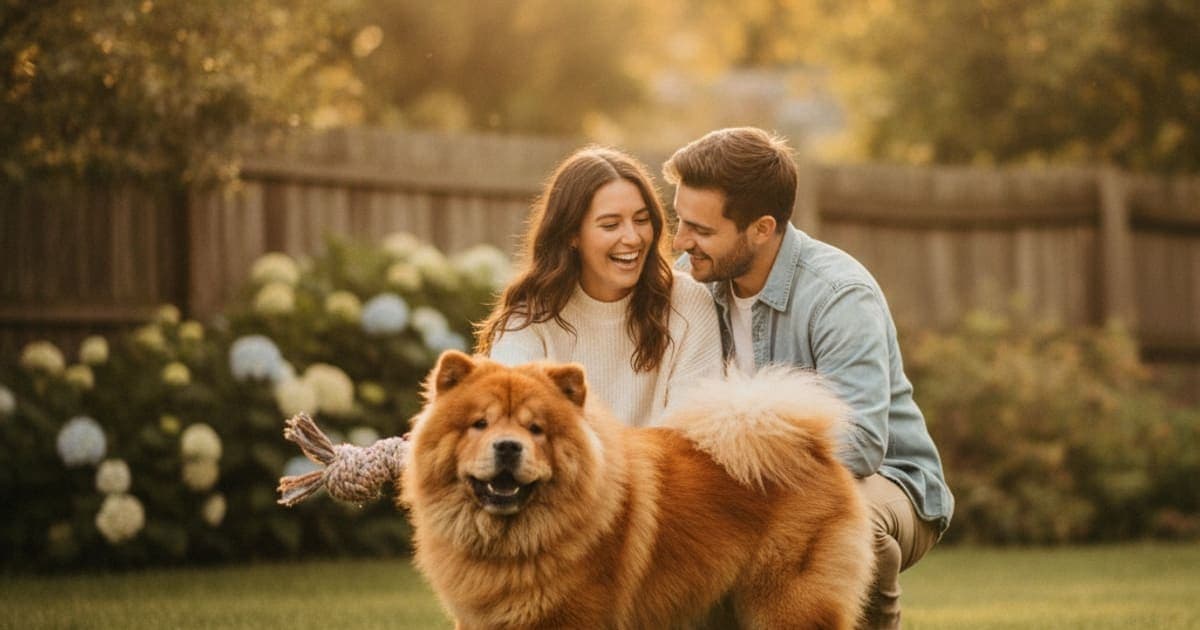
Yes. Chow chows are a breed where health risk is fairly predictable rather than random: hip and elbow dysplasia, eyelid conditions such as entropion, thyroid disease, several eye problems, a genuine vulnerability to heat, and the joint wear that follows an unusually straight-legged rear end. That does not make them fragile — many live well into double digits — but it does mean a chow chow asks more of an owner than an average-risk dog, in screening, in grooming hours, and in money.
So: are chow chows healthy? As a breed, they are robust, long-coated, strongly built dogs with a short list of serious predispositions that an informed owner can plan around. Here is the honest version of what they are prone to, what ownership actually costs, and where experienced owners put their attention.
The conditions the breed is most prone to
These are the health conditions veterinarians and breed clubs associate with chow chows most often. Not every dog gets any of them, and a well-bred puppy from screened parents starts with better odds.
| Condition | What it involves | What owners often notice first |
|---|---|---|
| Hip and elbow dysplasia | Malformed joints that fit poorly and wear early | Bunny-hopping gait, stiffness after rest, reluctance on stairs |
| Cruciate ligament injury and patellar luxation | Stifle (knee) instability and ligament failure | Sudden hind-limb lameness, skipping steps, toe-touching |
| Entropion and ectropion | Eyelids that roll inward or sag outward | Squinting, tearing, rubbing the face, recurrent eye redness |
| Glaucoma and cataracts | Raised pressure inside the eye; lens clouding | A cloudy or painful eye, bumping into things, vision loss |
| Hypothyroidism | Underactive thyroid gland | Weight gain, coat thinning, skin trouble, low energy |
| Gastric dilatation-volvulus (bloat) | Stomach distends and can twist — an emergency | Unproductive retching, swollen abdomen, distress |
| Skin and autoimmune disease | Including pemphigus foliaceus, seen more often in this breed | Crusting on the face, nose and ear flaps; hot spots under the coat |
| Heat intolerance | Shortened muzzle plus a heavy double coat | Heavy panting, slowing on walks, seeking cool floors |
Orthopedic problems lead the list. Hip dysplasia is a mismatch between the ball and socket of the hip; the joint sits loosely, cartilage wears faster than it should, and osteoarthritis follows. Elbow dysplasia works on the same logic at the front end. Both are screened for by conscientious breeders, and asking to see hip and elbow evaluation results for both parents is the single most useful piece of prevention available to a buyer.
Eyes are the second theme. The chow chow's deep-set eyes and heavy facial folds predispose the breed to entropion, where the lid rolls inward and lashes abrade the cornea. It is painful, it can scar the eye, and it is corrected surgically — often in young dogs. Glaucoma and cataracts also appear in the breed, which is why any cloudy, red or squinting eye in a chow chow deserves a same-week veterinary appointment rather than a wait-and-see week.
Hypothyroidism is diagnosed on a blood panel and managed with daily hormone replacement for life. Bloat is the one that kills fast: deep-chested dogs can distend and twist the stomach with no warning, and the only answer is emergency surgery. Knowing where your nearest out-of-hours clinic is before you need it is part of owning this breed.
Why the build and the coat create specific risks
Two structural features explain most of what goes wrong.
The first is the rear end. Chow chows have notably straight stifles and hocks, which produces the stilted, short-strided gait the breed is known for. Straighter joints absorb shock less effectively than well-angulated ones, so force travels up into the knee and hip rather than being dissipated through flexion. Over years, that loading pattern contributes to the arthritis and ligament strain owners start seeing in middle age.
The second is thermal. A shortened muzzle moves less air than a long one, and dogs cool themselves almost entirely by moving air across wet tissue. Pair that with a dense double coat built for cold climates and you have a dog that is genuinely poor at shedding heat. Chow chows should be exercised in the cool parts of the day, never left in a hot car or a shadeless yard, and never asked to keep up with a jog in summer. Do not shave the double coat to fix this — the undercoat insulates against heat as well as cold, and it does not always grow back correctly.
The blue-black tongue, by the way, is a normal breed trait, not a health problem. A tongue that changes colour, however, is a reason to call your veterinarian.
Weight, body condition and the joints carrying it
Adult chow chows are typically somewhere in the 45-to-70-pound range, with males heavier than females, but the number on the scale matters less than body condition. Under that coat it is easy to miss a dog that has gained a quarter of its body weight. Use your hands: you should feel ribs under light pressure without pressing, see a waist from above, and see an abdominal tuck from the side. Your veterinary team can score your dog's body condition and show you what to feel for on your own dog.
Keeping a chow chow lean is the single highest-impact thing an owner can do for the breed's joints — it costs nothing, and it changes how every other orthopedic risk on this list plays out. A long-running lifetime feeding study in Labrador Retrievers found that dogs kept lean throughout life showed signs of osteoarthritis later and lived longer than their more generously fed littermates. The mechanism is not mysterious: less load through a dysplastic hip, and less inflammatory signalling from excess fat tissue.
Practically, that means measured meals rather than free feeding, treats counted as part of the daily total, and low-impact exercise — steady walks, swimming where available — rather than repetitive jumping and hard turns.
Grooming, vet bills and whether a chow chow is high maintenance
By most definitions, yes. The coat is the daily cost. A chow chow needs thorough brushing several times a week to prevent matting behind the ears, in the ruff and around the hindquarters, and it blows coat heavily, usually twice a year, when daily work becomes necessary. Many owners budget for professional grooming on a regular cycle, and grooming prices vary widely by region and by groomer — a thick double coat is priced accordingly.
Are chow chows expensive to maintain? Compared with a short-coated, low-risk breed, meaningfully so. The recurring costs are grooming, food appropriate to a medium-large dog, and routine veterinary care. The variable costs are the breed-specific ones: eyelid surgery if entropion develops, lifelong thyroid medication if hypothyroidism is diagnosed, orthopedic imaging and possibly surgery, and emergency care if bloat occurs. Veterinary pricing varies enormously by clinic and location, so get quotes locally rather than trusting a figure from a forum. Pet insurance taken out before any condition appears is worth pricing early, since breed and pre-existing conditions both affect what is covered.
Search chow chow health issues on owner forums and the same themes repeat: eyelid surgery in young dogs, coat and shedding workload, heat management in summer, the cost of orthopedic workups, and the difficulty of assessing pain in a stoic, reserved breed that rarely complains. That last point is the useful one. Chow chows under-report discomfort. A dog that has quietly stopped taking the stairs is telling you something.
How owners support joints and recovery as a chow chow ages
When a chow chow is diagnosed with hip dysplasia, tears a cruciate ligament or comes home from orthopedic surgery, the veterinary plan is the plan: imaging, pain control, prescribed medication, weight management and a structured rehabilitation programme. Nothing replaces any of that, and no supplement is a reason to change a prescription.
Inside that plan, owners look for ways to support the tissue doing the repairing — and the honest problem with much of the supplement aisle is dosing. Kitchen-sink chews list a dozen trendy ingredients at amounts too small to matter, then lean on packaging rather than content.
K9-REPAIR from pawgen takes a narrower approach: two peptides, BPC-157 and TB-500, dosed by body weight. BPC-157 is a peptide sequence studied for its role in soft-tissue repair signalling, with animal research suggesting it may support angiogenesis — the formation of new blood vessels into tendon and ligament tissue, which heals slowly in part because its blood supply is poor. TB-500 is related to thymosin beta-4, a naturally occurring protein involved in actin regulation and cell migration, processes that underpin how tissue reorganises itself after injury. This is emerging, promising science that a growing number of owners are adopting through recovery windows, and owners report using it alongside — never instead of — the rehab programme their veterinarian set. BPC-157 and TB-500 are not FDA-approved veterinary drugs, and this is educational information rather than a promise about your dog.
What pawgen can state plainly is what is in the bottle: a defined two-peptide formulation, third-party tested with certificates of analysis published, weight-based dosing to work out with your veterinarian, shipped direct to your door, and backed by a 60-day money-back guarantee. Bring it up at your next appointment, particularly if your chow chow is on prescribed medication — your vet needs the full picture of everything your dog receives.
Key Takeaways
- Chow chows do have health problems, and the main ones are predictable: hip and elbow dysplasia, entropion and other eye disease, hypothyroidism, bloat risk, skin and autoimmune conditions, and poor heat tolerance.
- Straight rear angulation and a dense double coat explain much of the breed's joint wear and its difficulty in warm weather.
- Healthy weight is assessed by body condition — ribs findable, visible waist, abdominal tuck — not by a target number on a scale.
- Yes, they are high maintenance: frequent brushing, heavy seasonal shedding, professional grooming cycles, and breed-specific veterinary costs that vary by region.
- Buying from a breeder who screens hips, elbows and eyes is the highest-value decision an owner makes.
- This breed hides discomfort. Behaviour changes — skipped stairs, shorter walks, slower rising — are the early signal.
For more on how pawgen approaches specific joint and mobility situations, see pawgen's conditions library, the published certificates of analysis for each batch, shipping and availability, and the full K9-REPAIR range.
Your veterinarian owns the diagnosis and the treatment plan — the imaging, the surgical decision, the pain protocol, the rehab timeline. That is not a formality; with a stoic breed prone to hip, knee and eyelid problems, an experienced clinician catches things months before an owner would. Supplements and peptides operate in the space that proper veterinary care creates, supporting a dog that is already being treated correctly.
Owners exploring peptide support for their dog can review K9-REPAIR — BPC-157 + TB-500 formulated for dogs — at https://pawgen.com/. BPC-157 and TB-500 are not FDA-approved veterinary drugs. Nothing in this article treats, cures or prevents any condition; every decision about your dog's care belongs with your veterinarian.
Frequently asked questions
- Do chow chows have health problems?
- Yes. The breed is predisposed to hip and elbow dysplasia, entropion and other eyelid problems, glaucoma and cataracts, hypothyroidism, bloat, certain skin and autoimmune conditions, and heat intolerance. Most are manageable when caught early, which is why buying from a breeder who screens and scheduling regular veterinary checks matter so much.
- Are chow chows healthy?
- They are sturdy, well-built dogs with a defined list of inherited risks rather than general fragility. Many live well into double digits. Health depends heavily on breeding — screened hips, elbows and eyes in the parents — plus keeping the dog lean, managing the coat, and avoiding heat stress during warm months.
- Do chow chow have health problems?
- Yes, and they are fairly predictable ones: joint disease at the hips, elbows and knees, eyelid conditions such as entropion, thyroid disease, eye problems including glaucoma, bloat risk, and poor heat tolerance from the short muzzle and dense double coat. Early veterinary screening changes outcomes more than anything else.
- What diseases are chow chows prone to?
- Hip and elbow dysplasia, cruciate ligament injury, patellar luxation, entropion and ectropion, glaucoma, cataracts, hypothyroidism, gastric dilatation-volvulus, and autoimmune skin disease such as pemphigus foliaceus, which is seen more often in this breed. Heat-related illness is a risk rather than a disease, but it is just as serious.
- Is chow chow healthy?
- A well-bred chow chow from screened parents, kept at a lean body condition and protected from heat, is a healthy dog with a normal lifespan for its size. The breed's risks are real but largely identifiable in advance, which gives owners genuine leverage through screening, weight control and regular veterinary care.
- Is chow chow high maintenance?
- Yes, mainly because of the coat. Expect thorough brushing several times a week, heavy shedding periods usually twice a year, and regular professional grooming for a dense double coat. Add breed-specific veterinary monitoring for eyes, thyroid and joints, and the time and cost commitment is above average.
- Are chow chows expensive to maintain?
- More expensive than a short-coated, low-risk breed. Recurring costs include grooming, food for a medium-large dog and routine veterinary care. Variable costs include eyelid surgery, lifelong thyroid medication, orthopedic imaging and emergency treatment for bloat. Prices vary widely by clinic and region, so get local quotes rather than trusting forum figures.
- What is a healthy weight for a chow chow?
- Most adults fall roughly in the 45-to-70-pound range, with males heavier, but body condition matters more than the scale. You should feel ribs under light pressure, see a waist from above and a tuck from the side. Ask your veterinary team to score your dog's condition at each visit.
Educational content, not veterinary advice. Ask your vet about your dog.