Do Puggles Have Breathing Problems? When to See the Vet
Puggles can have breathing problems because they may inherit a pug's short muzzle and crowded airway. Here you will find the emergency signs, what can cause breathing trouble, what your vet may do and what to tell your vet.
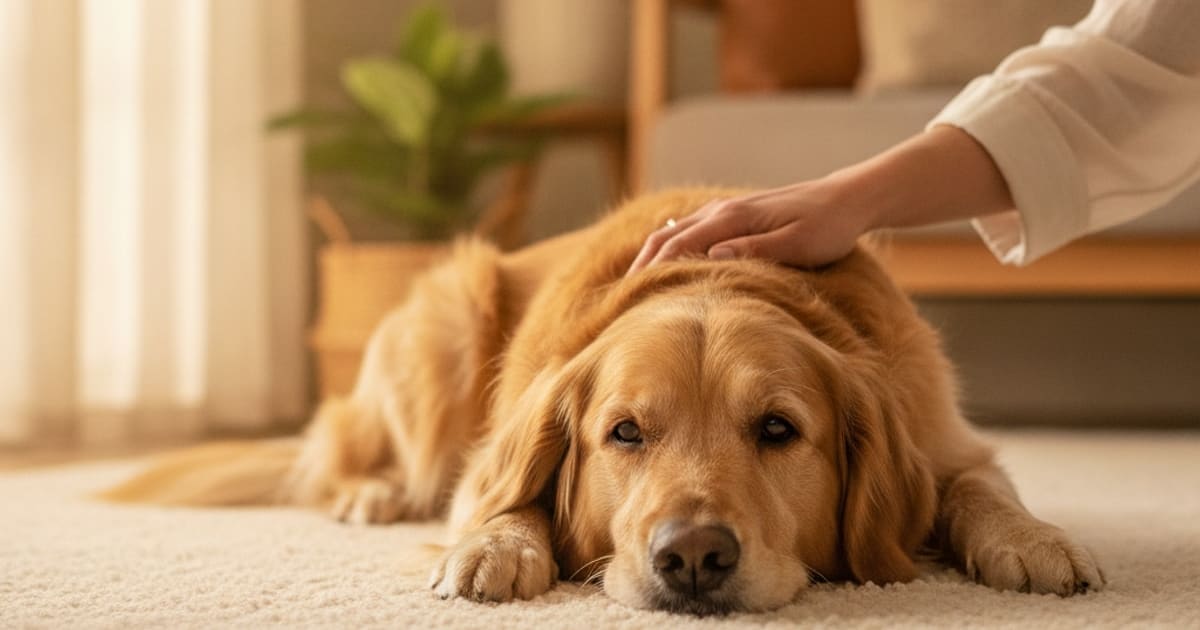
Puggles can have breathing problems, and breathing trouble in a puggle is a reason to see a vet. Go to an emergency vet now if your dog is struggling to breathe, has blue, grey or pale gums or tongue, collapses, or is panting hard and weak in the heat; otherwise book a same-day appointment. The plain answer to 'do puggles have breathing problems' is that they can, because a puggle is a cross between a pug and a beagle and may inherit part of the pug's short, flat face along with the crowded airway that comes with it. Snoring, snorting, noisy breathing, gagging and tiring quickly on walks are all puggle breathing problems that your vet should hear about today, even if your dog has made those sounds for as long as you have known them. A sound that has always been there is still a sign that air is not moving freely, and it is not something to put down to the breed.
When to go to the vet now
Breathing trouble can get worse fast in a dog with a narrow airway. Effort, fear and heat can make the soft tissues of the throat swell, and swollen tissue narrows the airway further, so a dog that is struggling can tip into a crisis quickly. Go to an emergency vet now for any of these signs:
- Struggling to breathe, with the chest or belly working hard at every breath
- Blue, grey, pale or white gums or tongue
- Collapse, fainting or sudden weakness
- Panting hard, weakness or wobbling in warm weather or after exercise
- Choking, or a loud, harsh noise with every breath
- Breathing fast or hard while resting or asleep
Heat needs special care in a puggle. A dog that has been in a warm car, a hot room or strong sun, or that has been running and playing hard, has to pant off heat through an airway with less room, and that can tip into heat stroke. Panting hard with weakness or wobbling at those times is a reason to go now, not later.
Call the clinic on the way so the team can be ready with oxygen when you arrive. Do not try to look into your dog's mouth or throat, do not try to clear the nose and do not give anything by mouth. If you are unsure whether a sign belongs on this list, treat it as an emergency and go now. The page on Dog Emergency Signs covers other signs that need a vet straight away, and every one of them matters more in a dog whose airway has less room to begin with.
What can cause breathing trouble
To understand why pugs have breathing problems, it helps to picture the inside of the head. A pug has been bred for a short, flat face. The bones of the muzzle are shorter, but the soft tissues inside the nose and throat have not shrunk to match. The tongue, the soft palate and the folds that line the nose all have to fit into less space, so the airway is crowded and narrow from the nostrils all the way to the windpipe. This head shape is called brachycephalic, and the group of airway problems that can come with it is known as brachycephalic airway syndrome. The page What Is Brachycephalic Airway Syndrome sets out each part of the airway involved in more detail.
So do pugs have trouble breathing? They can. A pug has to pull harder to draw air through a narrow airway than a dog with a long nose does, and that extra effort is more than a noise. The pull of each hard breath can draw the soft tissues of the throat inward, and over time those tissues can become swollen and thicker, which narrows the airway again. Heat, exercise, excitement and stress all ask for more air, so they can turn a narrow airway into a struggling one.
A puggle sits somewhere between its two parent breeds. The beagle side brings a longer muzzle and the pug side brings a shorter one, so one puggle may have a nose closer to a beagle's while another has a face closer to a pug's. A longer nose does not rule out breathing trouble, and the outside of the face cannot show how crowded the airway is inside. That is why puggle breathing issues are something for your vet to examine, rather than something to judge by looking at your dog.
When your vet thinks about the airway itself, there are several possibilities they check. Narrow nostrils, called stenotic nares, can let less air in at the front. A soft palate that is too long or too thick can hang into the back of the throat and partly cover the opening to the windpipe. Small pouches in the voice box, called laryngeal saccules, can be pulled out of place by the effort of breathing and sit in the airway. The windpipe itself can be narrower than it should be. The cartilage of the voice box can weaken and fold inward, which is called laryngeal collapse. Large tonsils and a thick tongue can also take up room at the back of the mouth. A dog can have one of these or several at once.
A narrow airway can also affect sleep, because the muscles of the throat relax and the soft tissues can fall into the airway. Loud snoring, pauses in breathing, waking with a snort or gasp, and sleeping with the chin propped up or sitting upright are all things your vet will want to hear about when they look at the airway.
Not every case of breathing trouble in a puggle comes from the shape of the head, so your vet also considers other causes. Heat stroke is one, because dogs cool themselves by panting and a narrow airway makes panting harder work. Extra weight is another, since fat around the neck and chest can press on the airway. Infections of the nose, throat, windpipe or lungs, including kennel cough and pneumonia, can change how a dog breathes. A dog with a crowded throat can breathe in food, water or vomit, which can lead to a lung infection called aspiration pneumonia. A windpipe that softens and flattens, called a collapsing trachea, can narrow the airway too. Heart disease can let fluid build up in or around the lungs. Allergies, something stuck in the nose or throat, a growth in the airway, pain and anaemia are also on the list your vet works through.
Some flat-faced dogs also have problems where the food pipe meets the stomach. The effort of breathing and the gut can affect each other, so your vet may ask about gagging, retching, bringing up food or swallowing hard, and may want to look at both the airway and the gut.
None of these causes can be sorted out at home by looking at your dog or listening to the breathing. Each one needs an exam, and in some cases tests, before your vet can say what is going on. That is also why there are no home remedies for pug breathing problems or for breathing trouble in a puggle: the cause decides what helps, and only a vet can find the cause.
What your vet may do
If your dog arrives struggling to breathe, the team acts first and asks questions after. Your vet may give oxygen, cool a dog that has overheated, and give a calming medicine, because fear and panic make a narrow airway tighten further. If the airway is badly blocked, your vet may place a breathing tube under anaesthesia to get air in while they work on the swelling. Your dog may need to stay at the clinic until the breathing is steady.
Your vet will also ask about your dog's history: how your dog sleeps, how it copes with walks and warm days, whether it gags, retches or brings up food, and whether the parent dogs had airway problems, if you know. These answers help your vet decide which parts of the airway to look at first.
When your dog is stable, or at a same-day appointment, the vet starts with a full exam. Your vet watches how your dog breathes at rest, listens to the nose, throat, chest and heart with a stethoscope, looks at the size and shape of the nostrils, checks the colour of the gums and tongue, takes a temperature and weighs your dog. Some vets also measure the oxygen level in the blood with a small clip on the tongue or ear, or watch how your dog breathes after a short, gentle walk at the clinic.
Tests depend on what the exam shows. Chest X-rays can show the lungs, the heart and the windpipe. X-rays of the neck can show the windpipe and the soft tissues around it. Blood tests can look for infection, anaemia and other problems, and they help your vet plan any anaesthesia. If your vet hears a murmur or has concerns about the heart, they may suggest an ultrasound scan of the heart. Some clinics also use a CT scan to see the nose, throat and chest in detail.
Parts of a flat-faced dog's airway cannot be seen while the dog is awake. To see the soft palate, the voice box, the laryngeal saccules and the tonsils, your vet may need a short general anaesthetic. They may also pass a thin camera, called an endoscope, into the nose, throat or windpipe. Vets take extra care with anaesthesia in brachycephalic dogs, and your vet will talk you through how they plan to handle the breathing tube and the time while your dog wakes up.
Treatment for breathing problems in a pug or a puggle depends on what your vet finds. If there is infection, swelling or allergy, your vet may prescribe a medicine. If weight is part of the problem, your vet sets a weight plan, including what to feed and how much. If the shape of the airway is the problem, your vet may talk to you about surgery to widen the nostrils, shorten the soft palate or remove saccules that sit in the airway. Some of these steps are done at the same time as the airway exam, and your vet may refer you to a specialist surgeon for others. After any procedure, your vet explains the care your dog needs at home and when to come back for a recheck. Talk to your vet about what each step involves for your dog, what it is meant to change and the care your dog needs afterwards.
Treating breathing problems in a pug or a puggle always starts with the vet, and there is no home remedy to try first. Do not give any medicine, herb, oil or supplement, do not put anything into your dog's nose or mouth, and do not try steam, sprays or other home steps. These can delay care, and some can make a narrow airway worse. If your puggle already has another health condition, your vet can tell you how it fits with the airway plan, and you can read about individual conditions in the dog health conditions library.
What to tell your vet
Clear details help your vet decide where to start. When you call, tell your vet:
- When you first noticed the breathing trouble and what your dog was doing at the time
- Any change in the sound, speed or effort of the breathing since then
- Any bleeding from the nose or mouth
- Any licking of the lips, gagging, retching or hard swallowing
- Other signs, such as coughing, vomiting, tiring quickly on walks, fainting or a change in appetite
It also helps to mention any heat or hard exercise just before the trouble started, any past anaesthesia or airway surgery, any change in sleep such as loud snoring, waking up gasping or sleeping sitting up, and any recent weight gain. If your dog has seen another vet about the breathing before, bring any notes or X-ray reports you have. Call your vet again if the breathing changes after the visit, and go to an emergency vet now for any of the signs listed above.
Frequently asked questions
- Is breathing trouble an emergency in dogs?
- It can be. Go to an emergency vet now if your dog is struggling to breathe, has blue, grey or pale gums or tongue, collapses, or is panting hard and weak in the heat. For any other breathing trouble in a puggle or a pug, including snoring or noisy breathing, book a same-day appointment with your vet.
- What should I do if my dog has breathing trouble?
- Call your vet today and describe the breathing: when it started, what your dog was doing and any other signs. If your dog is struggling to breathe, has blue, grey or pale gums or tongue, or collapses, go to an emergency vet now and call the clinic on the way so the team is ready.
- Can I treat breathing trouble at home?
- No, because breathing trouble needs a vet to find the cause. Do not give any medicine, herb or supplement, do not put anything in your dog's nose or mouth, and do not remove anything from the throat before the vet sees your dog. Call your vet today, or go to an emergency vet now for struggling or collapse.
- Do puggles have breathing problems?
- Puggles can have breathing problems because they are part pug, and a pug's short, flat face crowds the nose and throat. A puggle may inherit narrow nostrils, a long soft palate or other airway changes from that side. Snoring, snorting, gagging or tiring fast on walks are reasons to book a same-day vet appointment.
- Why do pugs have breathing problems?
- Pugs can have breathing problems because their skull is short while the soft tissue inside the nose and throat is not. The tongue, soft palate and nasal lining are squeezed into less room, leaving a narrow airway. This is called brachycephalic airway syndrome, and your vet can examine each part of the airway to see what is narrowing it.
- Do pugs have trouble breathing?
- Pugs can have trouble breathing, because air has to pass through narrow nostrils and a crowded throat. The extra effort can make the tissues swell, which narrows the airway, and heat or exercise can add strain. Any pug with noisy or laboured breathing should see a vet the same day, and struggling or collapse means emergency care now.
- What is the treatment for breathing trouble in pugs and puggles?
- Treatment depends on what your vet finds. Emergency care can include oxygen, cooling and a calming medicine. Later, your vet may prescribe medicine for infection or swelling, set a weight plan, or talk to you about surgery to open the nostrils or shorten the soft palate. Talk to your vet about what each option involves for your dog.
- What is brachycephalic airway syndrome?
- Brachycephalic airway syndrome is the name for a group of airway problems in flat-faced dogs such as pugs and some puggles. It can include narrow nostrils, a long or thick soft palate, pouches in the voice box pulled into the airway, a narrow windpipe and a weakened voice box. A vet exam may help find which parts are involved.
- Can hot weather make a puggle's breathing trouble worse?
- Yes, because a dog cools itself by panting, and a narrow airway makes panting less effective, so a puggle can overheat faster than a long-nosed dog. Panting hard, weakness, wobbling or collapse in the heat means go to an emergency vet now. Any other breathing trouble in warm weather is a reason to call your vet today.
- Does extra weight affect a puggle's breathing?
- It can, because fat around the neck, chest and belly can press on the airway and make every breath harder work for a dog that already has a narrow nose and throat. Your vet can weigh your dog, tell you whether weight is part of the problem and set a plan for what to feed and how much.
Educational content, not veterinary advice. Ask your vet about your dog.