Do Shiba Inus Have Seizures? When to See the Vet
Shiba Inus can have seizures from epilepsy or from another problem in the brain or body. Any seizure is a reason to see a vet. This page covers when to go to an emergency vet now, what your vet may check and what to tell them.
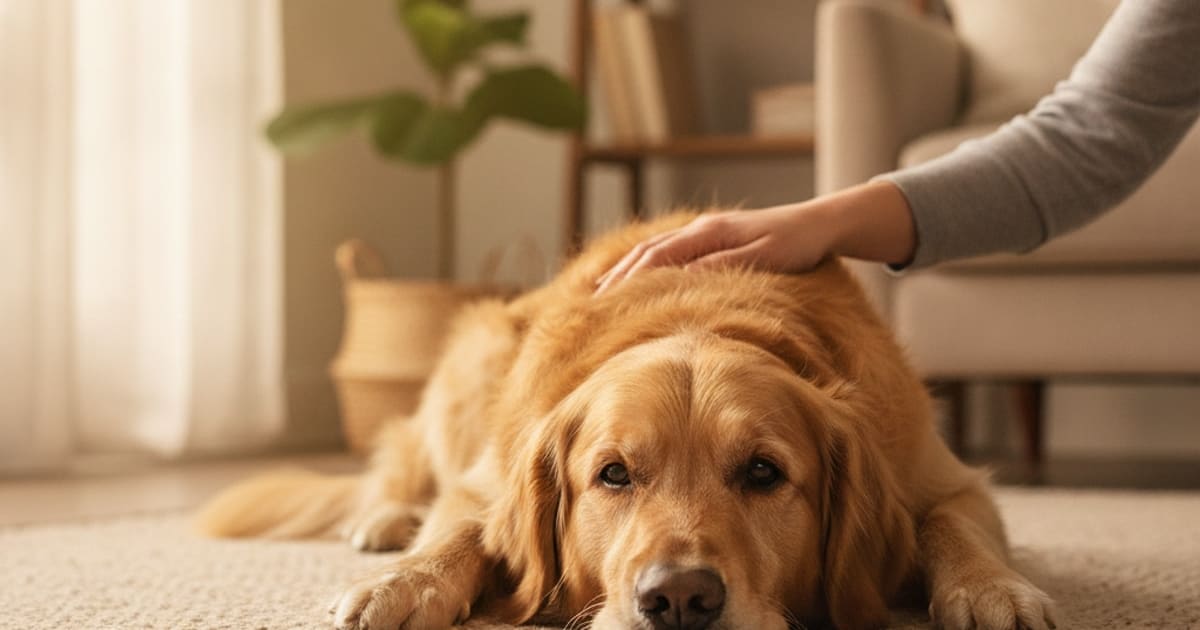
A seizure in your Shiba Inu is a reason to see a vet. Go to an emergency vet now if the seizure does not stop, seizures come one after another, your dog does not come round afterwards or your dog has trouble breathing; otherwise book a same-day appointment. The plain answer to 'do Shiba Inus have seizures' is yes. Shiba Inus can have epilepsy, as dogs of any breed can, and a seizure can also be a sign of another problem in the brain or the body. Only a vet can look for that cause, so even one short seizure is a call to your vet today. While your dog is seizing, keep your hands away from its mouth, do not put anything in its mouth and do not give any food, drink or medicine.
When to go to the vet now
- A seizure that does not stop
- Seizures that come one after another, or several seizures close together
- Your dog does not come round between seizures or after one
- Trouble breathing during or after a seizure
- A seizure in a puppy, or a seizure after a fall or a knock to the head
- Any chance your dog got into a poison, a medicine or a household chemical: call your vet or an animal poison control service now
What can cause a seizure
A seizure is a burst of uncontrolled electrical activity in the brain, and it can take more than one form. In a Shiba Inu, a seizure can look like a sudden fall onto the side, stiff or paddling legs, jaw chomping, drooling, and passing urine or stool without control, while your dog does not respond to you. A seizure can also affect only part of the body, with twitching of the face or one leg, or it can show as an episode of staring, snapping at the air or sudden confusion. Before a seizure, a dog can seem restless, clingy or anxious. Afterwards, a dog can be confused, wobbly, restless, very thirsty or hungry, or seem unable to see properly for a while. Any episode like this is a reason to call your vet today, and the signs in the list above are reasons to go to an emergency vet now.
Shiba Inus can develop epilepsy, and like any dog they can also have seizures caused by something else. This page gives no figure for how many Shiba Inus have seizures, because a number would not tell you anything about your own dog. What matters is that a seizure in your Shiba Inu is never something to explain at home. It is a sign your vet needs to trace back to a cause, and the causes below are possibilities your vet checks, not answers you can reach by looking at your dog.
Why your Shiba Inu has seizures is the question your vet sets out to answer. A seizure shows that something is affecting the brain, but it does not show what that something is. The same kind of seizure can come from epilepsy, a liver problem, a growth in the brain or a poison, which is why a description or a video, however clear, cannot name the cause. A vet exam may help find the cause, and tests narrow it down from there.
Epilepsy means repeated seizures. When your vet examines your dog, runs tests and finds no other cause, they may diagnose idiopathic epilepsy, which means epilepsy with no cause found in the brain or the body. Epilepsy of this kind can run in families in dogs, which is one reason your vet may ask about your Shiba Inu's parents and littermates. Your vet reaches this diagnosis by ruling other causes out, so it cannot be named from the seizures alone.
Your vet also looks for a problem in the brain itself that could be setting off seizures. Possibilities include inflammation of the brain, an infection that has reached the brain, a growth, a bleed or a blocked blood supply, and damage from a recent or past head injury. Your vet weighs your dog's age, the neurological exam and the pattern of the seizures when deciding whether a scan of the brain is needed.
Seizures can also start from a problem outside the brain. Low blood sugar, liver disease, kidney disease, an extra blood vessel that carries blood around the liver instead of through it, changes in salts such as calcium or sodium in the blood, and some hormone problems can all affect how the brain works. Blood and urine tests let your vet check for these, and finding one changes the treatment your dog needs.
A seizure can follow contact with a poison, a human medicine, a garden or household chemical, or some plants and mushrooms. If there is any chance your dog got into something, call your vet or an animal poison control service now. Tell them what it was and when, if you know, and do not try to make your dog sick or give anything by mouth.
Other possibilities your vet may consider include a body-wide infection, a high fever and problems with the heart that affect the blood supply to the brain. A collapse caused by the heart can look a lot like a seizure, which is one more reason the cause needs a vet.
What your vet may do
If your dog is still seizing when you arrive, or the seizures keep coming, the first job is to stop them. The emergency team may give a medicine into a vein or by another route, give oxygen, check your dog's temperature and blood sugar, and keep your dog in the hospital until the seizures are under control. The search for the cause starts once your dog is stable.
At a same-day appointment, or once your dog is stable, your vet starts with a full history. They ask when the seizures began, what each one looked like from start to finish, how long each one lasted, how your dog was afterwards, and whether your dog could have got into anything. If you were able to take a short video on your phone without putting yourself or your dog at risk, show it to your vet.
Your vet then does a full physical exam, including the heart, temperature, gums and belly, followed by a neurological exam. In the neurological exam, your vet looks at how your dog walks, stands and places its feet, tests reflexes, checks the eyes and pupils, and looks at how your dog responds to touch and sound. This helps your vet judge whether the problem is more likely to sit in the brain or somewhere else in the body.
Blood tests are a standard first step. A blood count and a chemistry panel look at the liver, the kidneys, blood sugar and the salts in the blood, and a liver function test can show how well the liver is working. Your vet may add a urine test, a blood pressure check and other blood tests, such as a thyroid test. If one of these shows a problem in the body, your vet treats that problem as the cause of the seizures.
If the blood tests do not show a cause, or the neurological exam points to the brain, your vet may suggest an MRI scan of the brain, which is done under general anaesthesia. A sample of the fluid around the brain and spinal cord can be taken at the same time to look for inflammation or infection. Your vet may refer you to a veterinary neurologist for these tests. X-rays or an ultrasound of the chest and belly may be done to look at other organs before anaesthesia.
Treatment depends on the cause your vet finds. When a problem in the body is found, such as low blood sugar or a liver problem, treating that problem is the focus. When the diagnosis is epilepsy, your vet may prescribe a medicine to try to control the seizures. Your vet sets the dose and the times to give it, and will want blood tests to check the level of the medicine and how the liver is coping. Do not stop, skip or change a seizure medicine without talking to your vet, because stopping suddenly can bring on seizures. If your Shiba Inu has a growth or inflammation in the brain, your vet or a neurologist will explain the treatment options for that cause.
Your vet may ask you to write down each seizure: the date, the time, how long it lasted and what it looked like. This record helps your vet adjust the plan. A new seizure, a change in the pattern or a seizure that looks different from the ones before is still a call to your vet today, and the emergency signs above still mean going to an emergency vet now.
Questions about epilepsy and life expectancy belong with your vet, who knows your dog's history and test results. This page cannot predict how epilepsy will affect your Shiba Inu over the years, and no general figure would apply to your own dog. Your vet can tell you how an existing condition, the cause they find and the treatment plan fit together for your dog, so talk to your vet about the long-term picture.
What to tell your vet
When you call your vet or arrive at the clinic, tell them:
- When you first noticed a seizure, and the date and time of each one since
- How long each seizure lasted and what it looked like from start to finish
- Any change: seizures closer together, longer, or different in how they look
- Any bleeding, such as from a bitten tongue, a fall or a knock
- Any licking, chomping, chewing or drooling before, during or after a seizure
- Other signs, such as vomiting, changes in thirst, appetite, weight, walking or behaviour, and how your dog was afterwards
- Anything your dog could have got into, every medicine and product your dog takes, and whether a parent or littermate had seizures
If your Shiba Inu already has a diagnosis of epilepsy and a plan from your vet, the same steps still apply. Call your vet again if the seizures come closer together, last longer or look different, or if your dog seems unwell between them. Go to an emergency vet now for a seizure that does not stop, seizures one after another or a dog that does not come round.
For the signs that mean any dog needs emergency care, read Dog Emergency Signs. For other health problems that can affect the breed, read Do Shiba Inus Have Health Problems?, and for more on seizures and other health conditions in dogs, browse the conditions library.
Frequently asked questions
- Is a seizure an emergency in dogs?
- Go to an emergency vet now if the seizure does not stop, seizures come one after another, your dog does not come round afterwards or your dog has trouble breathing. Call your vet or an animal poison control service now if your dog could have got into a poison. Any other seizure needs a same-day vet appointment.
- What should I do if my dog has a seizure?
- Call your vet today, and go to an emergency vet now if the seizure does not stop, repeats or your dog does not come round. While it happens, keep your hands away from your dog's mouth and do not put anything in it. Note the time it started and what it looked like so you can tell your vet.
- Can I treat a seizure at home?
- No, because a seizure needs a vet to find the cause. Do not give any medicine, food or drink, do not put anything in your dog's mouth or on any wound, and do not remove anything before the vet sees your dog. For bleeding, use only gentle pressure with a clean cloth on the way to the vet.
- Do Shiba Inus have seizures?
- Yes, Shiba Inus can have seizures, because the breed can develop epilepsy and, like any dog, can have seizures caused by a problem in the brain or body, or by a poison. Any seizure in your Shiba Inu is a reason to call your vet today, or to go to an emergency vet now if it will not stop.
- Are Shiba Inus prone to seizures?
- Shiba Inus can develop epilepsy, as dogs of any breed can, and epilepsy can run in families in dogs. No figure here would tell you about your own dog, so talk to your vet about your Shiba Inu's risk, and tell them if a parent or littermate had seizures. Any seizure needs a same-day vet visit.
- Why does my Shiba Inu have seizures?
- A seizure shows that something is affecting the brain, but not what it is. Your vet checks for epilepsy, problems in the brain such as inflammation or a growth, problems in the body such as low blood sugar or liver disease, and poisons. Finding the cause takes an exam and tests, so call your vet today.
- What if my Shiba Inu is having seizures one after another?
- Go to an emergency vet now. Seizures that come one after another, or a seizure that does not stop, need emergency treatment to stop them, and the cause still needs to be found. Leave straight away, and do not put anything in your dog's mouth on the way. Tell the emergency team how many seizures you saw.
- What does a seizure look like in a Shiba Inu?
- A seizure can look like a fall onto the side with stiff or paddling legs, jaw chomping, drooling and loss of bladder control, or like twitching of the face or one leg, staring or snapping at the air. Your dog may not respond to you. Any episode like this is a reason to call your vet today.
- How is epilepsy in a Shiba Inu treated?
- Your vet first rules out other causes with an exam and tests. If the diagnosis is epilepsy, your vet may prescribe a medicine to try to control the seizures, set the dose and times, and check blood levels and liver health with blood tests. Do not stop or change the medicine without talking to your vet.
- Should I see the vet after just one seizure?
- Yes, because even one seizure is a sign that something is affecting the brain and your vet needs to look for the cause. Book a same-day appointment, and go to an emergency vet now if the seizure will not stop, another follows or your dog does not come round afterwards.
Educational content, not veterinary advice. Ask your vet about your dog.