Does Conjunctivitis in Dogs Go Away? When to See a Vet
Whether conjunctivitis in dogs goes away depends on what is causing it, and only a vet exam can find that. Learn the emergency signs, the possible causes your vet checks and what to tell your vet when you call.
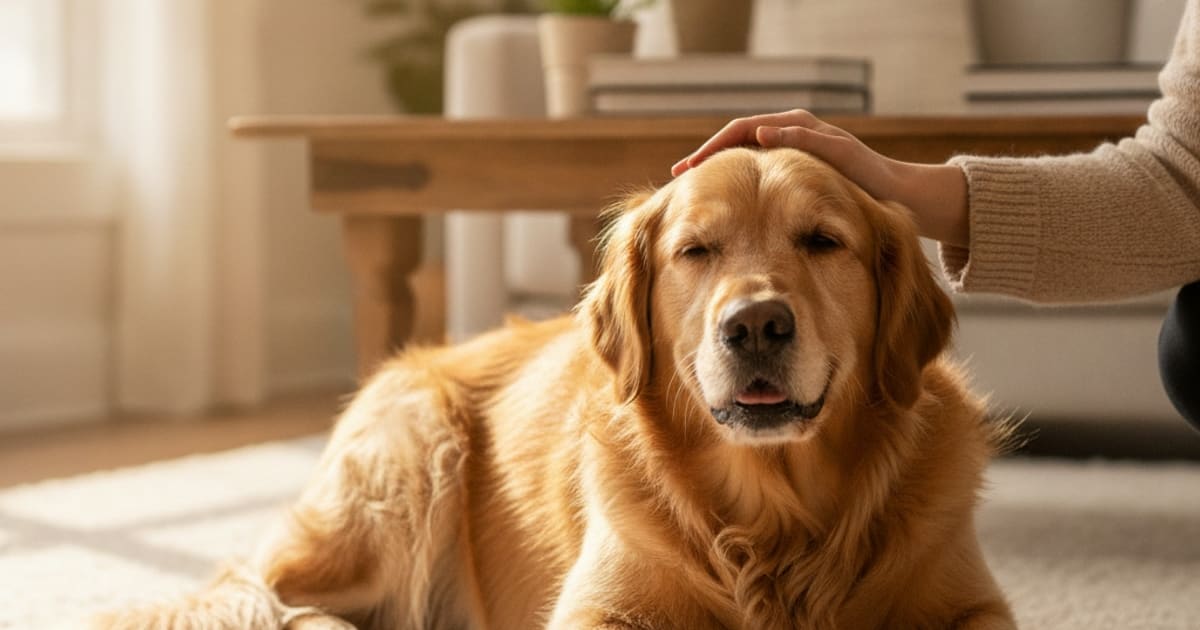
Conjunctivitis is a reason to see a vet, not something to wait out at home. Go to an emergency vet now if your dog is squinting hard or holding the eye shut, the eye looks cloudy or bulging, there has been an injury to the eye, or your dog seems unable to see; otherwise book a same-day appointment. The plain answer to 'does conjunctivitis in dogs go away' is that it depends on what is causing it, and only a vet exam can find that cause. Conjunctivitis means the pink lining of the eyelids and the white of the eye, called the conjunctiva, is red, swollen and inflamed, and it can come with discharge, tears or rubbing at the eye. It is a sign rather than a diagnosis. Behind it can be an allergy, an infection, something trapped under an eyelid, dry eye, an eyelid problem, an ulcer on the surface of the eye or raised pressure inside the eye, and from the outside these can look alike. That is why no one can say from home how long conjunctivitis in dogs lasts, how long it takes to heal or whether it will go away without treatment. Giving it time to see what happens can let a problem such as an ulcer or dry eye harm the eye, so talk to your vet today.
When to go to the vet now
Go to an emergency vet now for any of these signs:
- Your dog is squinting hard, holding the eye shut or will not let the eye open
- The eye looks cloudy or hazy, or the eye itself looks bulging or larger than before
- There has been a knock, scratch, bite or other injury to the eye or the face around it
- Something is stuck in or on the eye
- There is blood in the eye or coming from it
- Your dog seems unable to see, is bumping into things or is reluctant to move around
- The eyelids or face are swelling quickly, or your dog is weak, very quiet or unwell along with the red eye
These signs need care now because damage to the surface of the eye or to the inside of the eye can get worse quickly, and some of it can cost your dog sight in that eye. Do not open the eyelids to look, put anything in the eye or try to remove anything you think is stuck there; keep your dog calm and go straight to the clinic. If you can, call ahead so the team knows you are on the way. For a wider list of signs that need care straight away, see Dog Emergency Signs.
For a red, weepy or swollen eye without any of these signs, book a same-day appointment with your vet. A same-day visit lets your vet find the cause before it has a chance to affect the eye, rather than leaving the eye to sort itself out.
What can cause conjunctivitis
Conjunctivitis has a long list of possible causes, and your vet works through them during the exam. Some start on the surface of the eye, some come from the eyelids, eyelashes or tear system, some start inside the eye and some are part of an illness elsewhere in the body. Redness, tears and discharge can look much the same whatever the cause, so the look of the eye cannot show which one is behind it. That is the job of the exam and tests described below.
Allergies are one possibility your vet considers. Pollen, dust, mites, mould and other things in the air or the home, as well as some food allergies, can make the lining of the eye red, puffy and itchy. Allergic conjunctivitis can come with itchy skin, paws or ears, and it can return each time the trigger is around, which is why your vet may ask about the season, your dog's diet and any skin problems.
Infection is another possibility. Bacteria can infect the lining of the eye, sometimes on their own and sometimes on top of another problem that has already damaged or irritated the eye, such as dry eye or an eyelid that rubs. Viruses can involve the eyes too, at times as part of an illness that also affects the nose, throat or chest, such as kennel cough. Your vet considers infection alongside the other causes rather than assuming it, because treating an infection alone leaves any problem underneath it in place.
Irritants and foreign material are checked too. Smoke, dust, shampoo, sprays, cleaning products, sand, grass seeds and small pieces of plant can all get into the eye. A grass seed or plant awn can slip behind the eyelids or the third eyelid, where it stays hidden from view and keeps scratching the eye until it is found and taken out by the vet. A trapped seed can also lead to an ulcer if it is left in place.
Dry eye, where the glands do not make enough of the watery part of the tears, is a cause your vet tests for. Without enough tears the surface of the eye dries out and becomes red and sore, and thick, sticky discharge can build up. Dry eye needs ongoing care from your vet, and without treatment it can scar the surface of the eye and affect sight.
Problems with the eyelids and eyelashes are another group your vet looks for. An eyelid that rolls inward can push hair and lashes against the eye, and an eyelid that droops outward can leave the lining of the eye exposed to dust and drying. Extra eyelashes, or lashes that grow from the wrong place or toward the eye, can rub on its surface with every blink. These problems keep irritating the eye for as long as they are there.
The third eyelid and the tear ducts are part of the check as well. The third eyelid sits in the inner corner of the eye, and the gland inside it can swell and move out of place, or the tissue on its inner side can become inflamed. The tear ducts carry tears away from the eye and into the nose, and when one is blocked or narrowed, tears and discharge can build up and spill onto the face.
A scratch or ulcer on the cornea, the clear front of the eye, can make the whole eye red, weepy and painful. From the outside an ulcer can look like any other conjunctivitis, but it needs different care, and some products used for other eye problems can make an ulcer worse. An ulcer can also deepen, which is one reason a red eye should be seen the same day.
Problems inside the eye are also on the list. Inflammation inside the eye, called uveitis, and raised pressure inside the eye, called glaucoma, can both make the eye look red and sore, and both can threaten sight quickly. They need very different treatment from a surface problem, so your vet checks for them before deciding on a plan.
Conjunctivitis can also be one part of a wider illness, such as an infection that affects the whole body, an immune-related condition or a problem that involves the skin around the eyes. This is why your vet may ask about your dog's appetite, energy and general health, not just the eye. The dog health conditions library has more about conditions that can involve the eyes.
The shape of your dog's face and eyes is part of the picture too. A dog with prominent eyes, a short nose or loose or tight eyelids can have eyes that are more exposed to dust, drying and rubbing, and your vet takes this into account when looking for the cause.
Because so many causes can look alike, how long conjunctivitis lasts and how long it takes to heal depend entirely on which cause your vet finds. An irritant that is removed, an infection that is treated and an ongoing condition such as dry eye or allergies each call for a different plan and a different length of treatment. No healing time or recovery time can be given from the outside, and leaving the eye to see whether it clears can give an ulcer, dry eye or raised pressure time to harm it. Talk to your veterinarian today, and let the exam answer the question of how long it will take.
What your vet may do
Your vet starts by asking when the eye changed, whether one or both eyes are affected and how your dog is in general, then examines your dog as a whole before focusing on the eyes. Conjunctivitis can be part of a wider illness, so your dog's temperature, lymph nodes, skin, ears, nose and chest may all be checked.
For the eye itself, your vet uses a bright light and magnification to look at the eyelids, the eyelashes, the conjunctiva, the third eyelid and the clear front of the eye, and checks how the pupils respond to light and whether your dog can see. Your vet may look behind the eyelids and the third eyelid for a grass seed or other trapped material, which can involve numbing drops.
Several tests may follow. A special dye placed on the eye shows up scratches and ulcers on the clear surface, which can be hard to see without it. A tear test with a small paper strip under the lower eyelid measures how many tears the eye is making, which shows whether dry eye is part of the problem. A pressure reading checks for raised pressure inside the eye. A swab of the discharge or the lining of the eye can be looked at under a microscope or sent to a laboratory to look for bacteria or other organisms. Your vet may also flush the tear ducts to see whether they are open.
If the cause is still unclear, or the eye problem keeps returning, your vet may suggest an allergy workup, blood tests or a referral to a veterinary eye specialist, who has equipment for a closer look at the inside of the eye. Some dogs need light sedation for a proper look at a painful eye or to take something out from behind an eyelid.
Treatment follows from what the exam finds. It may include a medicine your vet prescribes for the eye or by mouth, removing material trapped behind an eyelid, correcting an eyelid or eyelash problem, sometimes with surgery, clearing a blocked tear duct, or a longer plan to manage an allergy or dry eye. Your vet decides how long treatment runs and when to recheck the eye, and the recheck is how your vet finds out whether the treatment is working. Follow the instructions for any medicine exactly, do not use leftover eye products from another pet or a person, and go back for every recheck. Call your vet again if the eye changes, if your dog squints or rubs more, or if new signs appear, and go to an emergency vet now for any of the emergency signs above.
What to tell your vet
Your vet will ask about the history of the eye, and clear answers help guide the exam and tests. Have these ready when you call or arrive:
- When you first noticed the red eye, and whether it came on suddenly or slowly
- Any change since then, including whether it has spread from one eye to both
- Any bleeding from or around the eye
- Licking, rubbing or pawing at the eye, or rubbing the face on the floor or furniture
- Any discharge you have seen, and whether it has changed
- Other signs, such as sneezing, coughing, itchy skin or ears, or a change in appetite or energy
- Anything that might have reached the eye, such as grooming, shampoo, sprays, smoke, a walk through long grass or a scuffle with another animal
- Any eye problem your dog has had before, and any medicine your dog already takes
You do not need to look closely at the eye, open the eyelids or wipe anything away to gather this; tell your vet what you have already seen. If another dog in your home has a red or weepy eye, mention that too and ask whether both dogs should be seen. If you are unsure whether a sign is an emergency, call your vet now and describe it.
Frequently asked questions
- Is conjunctivitis an emergency in dogs?
- It is an emergency when your dog is squinting hard or holding the eye shut, the eye looks cloudy or bulging, there has been an injury to the eye, or your dog seems unable to see. Go to an emergency vet now for any of those. For anything else, book a same-day appointment with your vet.
- What should I do if my dog has conjunctivitis?
- Call your vet today and book a same-day appointment. Tell them when you first noticed the red eye, whether one or both eyes are affected, what any discharge has looked like and whether your dog is rubbing or pawing at it. Go to an emergency vet now if your dog holds the eye shut or seems unable to see.
- Can I treat conjunctivitis at home?
- No, because the treatment depends on a cause only an exam can find. Do not put anything in or on the eye or try to remove anything stuck there; some products can make an ulcer worse. For bleeding near the eye, hold a clean cloth gently around it, never on the eye, on the way to the vet.
- Does conjunctivitis in dogs go away?
- Whether it goes away depends on what is causing it, and only a vet exam can find that. Conjunctivitis is a sign, not a diagnosis, and an allergy, an infection, dry eye and an ulcer each need a different plan. Book a same-day appointment, and go to an emergency vet now for an eye held shut.
- Does conjunctivitis go away on its own in dogs?
- No one can say that it will, because the redness can come from an infection, an allergy, dry eye, a scratch, an eyelid problem or pressure inside the eye, and some of these need treatment to protect the eye. Waiting can let an ulcer deepen or dry eye scar the surface. Book a same-day vet appointment instead.
- Can conjunctivitis in dogs heal on its own?
- Healing depends on removing what is causing it. A grass seed behind the eyelid, an eyelash rubbing on the eye, low tear production or a blocked tear duct keeps irritating the surface for as long as it is there, and only a vet exam can find these. Talk to your vet today rather than giving it time.
- Is conjunctivitis in dogs contagious?
- It depends on the cause. Some infections can pass between dogs, while allergies, dry eye and eyelid problems cannot, and an exam is how your vet finds out which applies. Ask your vet whether to keep your dog apart from other dogs until the visit, and book a same-day appointment for any other dog with a red eye.
- Why does my dog's conjunctivitis keep coming back?
- When conjunctivitis returns, your vet looks again for a cause that is still there, such as an allergy, low tear production, an eyelid that rolls inward, extra eyelashes or a blocked tear duct. Call your vet today each time it comes back, and ask whether more tests or a visit to a veterinary eye specialist would help find the cause.
- What tests does a vet do for conjunctivitis in dogs?
- Your vet examines the eyes and eyelids with a bright light and magnification, may place a dye on the eye to show scratches or ulcers, may measure tears with a small paper strip and may check the pressure inside the eye. A swab of the discharge, a tear duct flush, an allergy workup or blood tests may follow.
- Can conjunctivitis affect both of my dog's eyes?
- Yes, it can affect one eye or both, and either way it is a reason to see a vet. Tell your vet whether it started in one eye and spread or appeared in both at once, because that helps guide which tests are done. Book a same-day appointment, and go to an emergency vet now for any emergency sign.
Educational content, not veterinary advice. Ask your vet about your dog.