Does Entropion Go Away in Dogs? When to See the Vet
Entropion is a reason to see a vet, not something to leave to correct itself. This page covers the emergency signs, what can cause the eyelid to roll in, what your vet may do, and what to tell your vet.
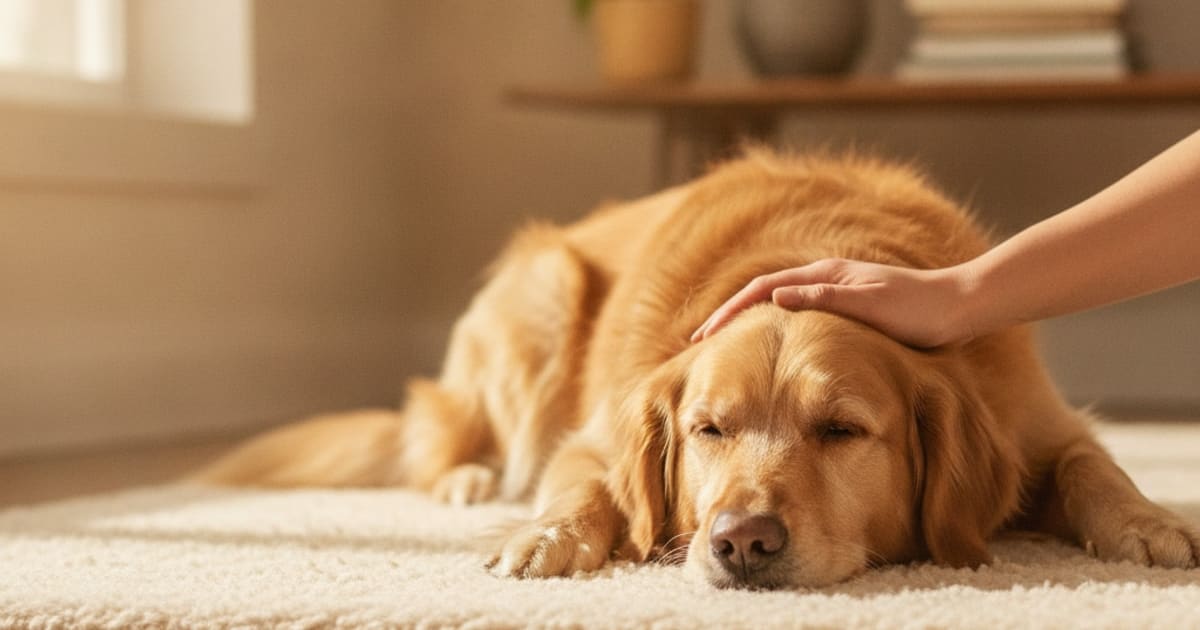
The plain answer to 'does entropion go away in dogs' is that entropion is a reason to see a vet, not something to leave alone. Go to an emergency vet now if your dog is holding the eye shut or pawing at it in pain, the surface of the eye looks cloudy or changed, there is blood from the eye, or the eye has been injured; otherwise book a same-day appointment. Entropion means the edge of an eyelid rolls inward, so the lashes and the fur on the lid rub against the clear front surface of the eye. That rubbing can scratch the eye, cause an ulcer and, over time, leave scarring that can affect sight. Entropion is not something to leave to correct itself, and there is no home cure: any correction comes from treatment by a vet, chosen once the vet knows the cause and the state of the eye. Talk to your vet today about an eyelid that looks turned in, or about a dog that is squinting, watering or rubbing at an eye, even if it seems mild.
When to go to the vet now
- Your dog is holding the eye shut, squinting hard or pawing at the eye in pain
- The surface of the eye looks cloudy, hazy or changed
- There is blood from the eye or the eyelid
- The eye has been hit, scratched or injured in any way
For other urgent signs that need a vet straight away, see Dog Emergency Signs. For entropion without any of the signs above, book a same-day appointment with your vet, because the rubbing on the eye does harm for as long as it goes on.
What can cause entropion
Entropion is a change in the position of the eyelid, and there are several reasons it can happen. Your vet looks at your dog's age, face, eye health and history to work out which possibility applies. The causes below are things the vet checks for. They are not a way to sort the problem at home, and only an exam can show what is behind it in your dog.
One possibility is the way the face and eyelids are built. Some dogs are born with eyelids that are too long for the eye, or with heavy skin and folds around the head that pull the lid edge inward. Breeds with deep facial folds, loose skin on the head or short, flat faces, such as the Shar-Pei, Chow Chow and Bulldog, can be affected, and the vet takes breed and face shape into account. Entropion linked to the build of the face can show in young puppies and can also appear in adult dogs. It can involve the upper lid, the lower lid, the outer or inner corner of the eye, or both eyes at once.
In a puppy, the skin, muscles and bones of the face are still changing, so the way the eyelid sits can change too. This is one reason the vet may handle entropion in a young puppy differently from entropion in an adult. It is not a reason to leave it: lashes and fur rubbing on a puppy's eye can scratch the surface now, whatever the face does as the puppy grows.
Another possibility is pain in the eye itself. When the eye is sore, from a scratch, an ulcer, something caught under the lid, an infection or dry eye, the muscles around the eye can squeeze hard. That squeezing can pull the lid edge inward, and the turned-in lid then rubs the eye and adds to the soreness. Vets call this spastic entropion. When pain could be behind the problem, the vet looks for the original source of the pain as well as the position of the lid, because both need treatment.
Scarring is another cause the vet considers. An old injury to the eyelid, a bite or wound near the eye, a burn, or a past infection or surgery around the eye can leave scar tissue that tightens and draws the lid edge in. This is sometimes called cicatricial entropion, and the vet will ask about any past injury or surgery near the eye.
Changes in the tissue behind and around the eye can also play a part. If the eye sits deeper in its socket, for example after weight loss, loss of muscle over the head, or some illnesses, the eyelid has less to rest against and can fold inward. Changes in the skin and the support of the lids themselves can do the same. In these cases the vet may look beyond the eye to your dog's general health, and may suggest checks for an underlying illness.
Whatever the cause, the concern is the same: lashes and fur rubbing on the cornea, the clear front window of the eye. Rubbing can lead to watering, squinting, redness, discharge, scratches and ulcers, and over time to scarring or dark pigment on the surface of the eye, which can affect sight. Entropion and eye pain can feed each other, so it is not possible to tell from the outside which came first. That is part of why the exam matters, and why the vet, not a guess at home, decides on the cause. You can read about other eye and eyelid problems in our conditions library.
What your vet may do
Your vet starts with a careful look at the eyes, eyelids and face, using a bright light and magnification. The vet checks how each eyelid sits, which part of the lid edge turns in, whether lashes or fur touch the eye, and whether there are extra or misplaced lashes adding to the rubbing. The vet also looks at face shape, skin folds and how deep the eyes sit, and asks about your dog's age, history and any past eye problems.
The vet may also check for related eyelid problems at the same exam, such as lashes that grow from the wrong place along the lid edge, or a part of the lid that turns outward instead of inward, which vets call ectropion. These can sit alongside entropion and can change the plan for treatment.
Several tests can follow. A dye test uses a drop of coloured dye that shows up scratches and ulcers on the surface of the eye under a blue light. A tear test uses a small paper strip at the edge of the lid to measure tear production, because dry eye can add to soreness. The pressure inside the eye may be checked as well. The vet may also place a numbing drop on the eye. Once the eye is not sore, the vet can see how much of the inward rolling comes from squeezing in pain and how much comes from the lid itself. Some dogs need light sedation for a proper look at a painful eye.
If the eye is scratched, ulcerated or infected, the vet treats that first or at the same time, with a medicine your vet prescribes for the eye. Pain relief may also be part of the plan. When pain is behind the inward rolling, treating the soreness and its source is the main step, and it lets the vet judge the true position of the lid without squeezing in the way.
For a young puppy whose face is still growing, the vet may suggest a temporary step rather than permanent surgery straight away. One option is placing a few small stitches in the eyelid skin to hold the edge out and away from the eye while the face develops. The vet then reassesses the eyelid position as the puppy grows and decides whether a permanent repair is needed.
For entropion that is fixed in place, the vet may recommend surgery to correct the eyelid. The surgery is done under general anaesthetic. It removes a small strip of skin near the lid edge so that the edge turns back outward, or reshapes the lid in another way that suits your dog's face. In dogs with heavy facial folds, the folds may be addressed as part of the same plan. Your vet may refer you to a veterinary eye specialist, a vet who focuses on eyes and eyelid surgery, where the entropion is complex or the eye is badly damaged.
Entropion is not something to leave to correct itself at home, and there is no home cure for it. Is entropion in dogs curable? Where it can be corrected, the correction comes from treatment by a vet: treating the eye pain behind spastic entropion, temporary stitches in a growing puppy, or surgery for a lid that is fixed in place. Which step fits, what it involves and what follow-up is needed depend on the cause and the state of the eye, so talk to your vet about the options for your dog.
After treatment, the vet may want to see your dog again to check the eyelid position and the surface of the eye. Follow the vet's instructions for any medicine exactly. Call your vet again straight away if, after treatment, the eye is held shut, looks cloudy, bleeds, or stitches come loose.
What to tell your vet
Before the visit, do not put anything in or on the eye, and do not trim lashes or fur near it. Instead, note what you have seen so you can tell the vet clearly:
- When you first noticed the eyelid turning in, or the squinting or watering
- Any change since then, such as more redness, discharge, cloudiness or squinting
- Any bleeding from the eye or the eyelid
- Whether your dog has been rubbing the face on the floor or furniture, or pawing at the eye
- Other signs, such as a change in appetite, energy or weight, and any past eye injury, eye surgery or illness
Tell the vet about any medicine your vet has already prescribed and any treatment your dog has had for the eyes before. If your dog is a puppy, say how old the puppy is and whether the problem was there from the time you brought the puppy home. If your dog has had entropion surgery in the past, say which eye and which lid were treated. All of this can help the vet decide on the right tests and treatment for your dog.
Frequently asked questions
- Is entropion an emergency in dogs?
- Entropion needs an emergency vet now if your dog is holding the eye shut or pawing at it in pain, the eye surface looks cloudy or changed, there is blood from the eye, or the eye has been injured. For entropion without these signs, book a same-day vet appointment, because rubbing lashes and fur can scratch the eye.
- What should I do if my dog has entropion?
- Call your vet today and book a same-day appointment, or go to an emergency vet now if the eye is held shut, looks cloudy, bleeds or has been injured. Do not put anything in or on the eye before the visit. Note when you first noticed the eyelid turning in and any change since, and tell your vet.
- Can I treat entropion at home?
- No, because only a vet can correct the eyelid position, and the eye needs an exam. Do not put anything in or on the eye, trim or pull lashes or fur, or try to roll the lid out. For bleeding from the eyelid, gentle pressure with a clean cloth on the way to the vet is the only step.
- Does entropion go away in dogs?
- Entropion is a reason to see a vet, not something to leave alone. The rolled-in lid rubs lashes and fur on the eye, which can scratch it and cause ulcers. Correcting it is a job for your vet, who treats the cause and the eye together, so call your vet today and book a same-day appointment.
- Can entropion correct itself in dogs?
- Entropion is not something to leave to correct itself. When eye pain is behind it, the vet treats the pain and the eye surface. When the lid itself is turned in, the vet may recommend surgery. In every case the rubbing on the eye needs a vet, so call your vet today rather than leaving it.
- Can a puppy's entropion correct itself as the face grows?
- A puppy's face changes as it grows, and the way the eyelid sits can change with it, but that is not a reason to leave it. Hair rubbing on the eye can scratch it now. The vet may place temporary stitches to protect the eye and then reassess the lid as your puppy grows. Call your vet today.
- Is entropion in dogs curable?
- Entropion is a condition a vet can treat, and surgery to turn the eyelid edge back out is one treatment the vet may recommend. There is no home cure. Which treatment fits your dog depends on the cause, age, face shape and the state of the eye, so talk to your vet about the options and what each involves.
- What does entropion surgery involve for a dog?
- Entropion surgery is done under general anaesthetic. The vet removes a small strip of skin near the eyelid edge, or reshapes the lid another way, to turn the edge outward, away from the eye. Heavy facial folds may be addressed too. Your vet may refer you to a veterinary eye specialist and will explain the aftercare.
- Can entropion damage my dog's eye?
- Yes, because lashes and fur rubbing on the clear surface of the eye can cause scratches, ulcers, infection and scarring, and scarring or dark pigment on the surface can affect sight. This is why entropion needs a same-day vet visit, and why a held-shut, cloudy or bleeding eye needs an emergency vet now.
- Can entropion affect both eyes?
- Yes, entropion can affect one eye or both, and the upper lid, lower lid or corners of the eye. The vet examines both eyes and all the lids, even if you have only noticed a problem on one side, because treatment is planned around everything the exam finds. Book a same-day appointment to have them checked.
- Should my dog see a veterinary eye specialist for entropion?
- Your regular vet is the first step and can examine the eye, test the surface and start treatment the same day. For complex entropion, heavy facial folds, repeat surgery or a damaged eye, your vet may refer you to a veterinary eye specialist. Talk to your vet about whether a referral is right for your dog.
Educational content, not veterinary advice. Ask your vet about your dog.