Dog Can't Open Mouth Fully: When to See the Vet
Trouble opening the mouth fully is a reason to see a vet. This page covers the emergency signs, what can cause a dog's jaw to open only part of the way, what your vet may do, and what to tell your vet.
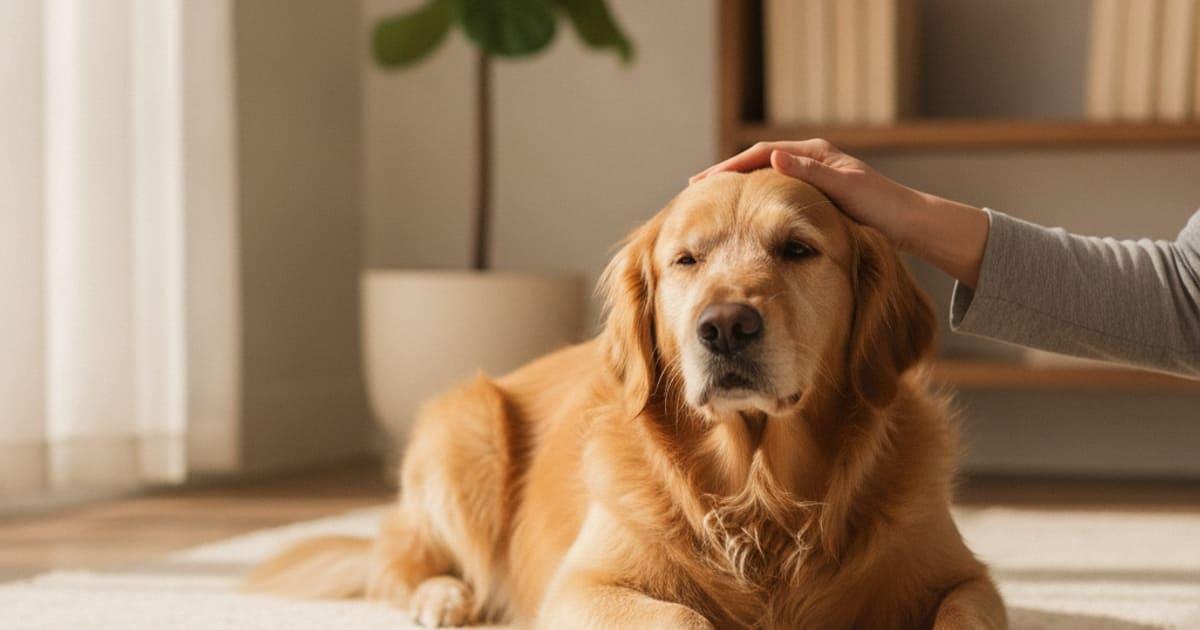
Trouble opening the mouth fully is a reason to see a vet, because pain, swelling or a problem in the jaw muscles or jaw joint can stop the jaw moving. Go to an emergency vet now if the jaw is stuck and will not move at all, your dog cannot drink or swallow, your dog is having trouble breathing, or the face swells fast or there has been a recent injury to the head; otherwise book a same-day appointment. If your dog can't open his mouth fully or wide, the cause can be inflammation of the chewing muscles, a sore or damaged jaw joint, a painful tooth, an infection or swelling behind the eye, an ear problem or an injury, and a vet exam may help find which one it is. Talk to your vet today, and do not try to force the jaw open yourself.
When to go to the vet now
Each of these is a reason to go to an emergency vet now:
- The jaw is stuck open or stuck shut and will not move at all.
- Your dog cannot drink or swallow, or saliva is pouring from the mouth.
- Trouble breathing, noisy breathing or gasping.
- Swelling of the face, head or around the eyes that comes on fast.
- A recent knock to the head, fall, road accident or fight with another animal.
For other signs that need urgent care, see dog emergency signs.
What can cause trouble opening the mouth fully
A jaw that opens only part of the way has a long list of possible causes, and several of them can look alike from the outside. The muscles, bones, joints, teeth, eyes, ears and glands of the head all sit close together, so a problem in any one of them can make opening the mouth sore or hard. The causes below are possibilities your vet checks. None of them can be confirmed at home, and more than one can be present at the same time.
One cause your vet considers is inflammation of the chewing muscles, called masticatory muscle myositis. In this condition the immune system attacks the muscles that move the jaw. These muscles cover the top and sides of the head and run down over the cheeks. When they are inflamed they can be swollen and sore, and the jaw may not open wide without pain. If the inflammation goes on, the muscles can shrink and scar, and the jaw can become harder to open. This condition can affect dogs of different breeds and ages, so a dog that can't open her mouth all the way needs a vet check whatever her size or age. Inflammation can also involve muscles across the whole body, so your vet may look at how your dog walks, stands and swallows as well.
The jaw joint is another place your vet checks. There is one on each side of the head, just in front of the ear, and together they let the lower jaw swing open. A joint can become sore from arthritis, an old injury, an infection or a dislocation. After an injury or infection, extra bone or scar tissue can sometimes form in or around the joint and limit how far the jaw moves, which is one reason a dog can't open the jaw all the way even when there is no pain. A broken jaw, or a crack in the bone near the joint, can also stop the mouth opening wide. This can follow a fall, a road accident, a hard knock or a fight with another dog, and it is a reason for emergency care.
Pain inside the mouth can make a dog hold the jaw partly closed to protect a sore spot. Your vet may look for a broken tooth, a tooth root infection, sore or swollen gums, a cut or puncture from a stick or bone, or something wedged between the teeth or across the roof of the mouth. A dog with mouth pain may also paw at the face, rub the muzzle on the floor, drool or chew on one side. You can read more about those signs in why is my dog pawing at his mouth and why does my dog scratch around his mouth.
Swelling behind the eye can also make opening the mouth painful. When the mouth opens, part of the lower jaw moves toward the space behind the eye, so an abscess, an infection or a growth there can hurt each time the jaw moves. Your vet checks both eyes closely and may look at the area behind the upper back teeth, where an abscess behind the eye can sometimes be reached.
Problems in the ear can play a part as well. The ear canal and the middle ear sit close to the jaw joint, and a deep ear infection or swelling there can make jaw movement sore. Your vet may examine the ears and, in some cases, use imaging to see the middle ear.
A lump or growth in the mouth, the jaw bone, the chewing muscles or the glands under the jaw can limit how far the mouth opens. Any new lump or swelling should be checked by a vet, who may take a fine needle sample. Swelling of the salivary glands, or of the lymph nodes under the jaw, is also on the list your vet works through.
Tetanus is an infection that causes stiff, tight muscles, and the jaw muscles can be among the first affected, which is where the name lockjaw comes from. It can follow a wound, sometimes one that has already healed over. A stiff jaw together with a stiff body, ears pulled back, a wrinkled forehead or trouble swallowing is a reason for emergency care.
In a young, growing dog, your vet may also consider a bone condition in which the jaw bones and the bones near the jaw joint thicken. This can make chewing and opening the mouth painful and can come with swelling along the jaw.
If you have an older dog that can't open his mouth fully, age by itself does not explain it. An older dog can have any of the causes on this page, as well as wear in the jaw joint, dental disease or a growth, so the same vet exam applies. Other causes, such as a problem with the nerves that supply the jaw muscles, are part of the vet's checks too.
If your dog cannot open the mouth at all, rather than only part of the way, see dog can't open mouth. For what an open mouth can mean in other settings, see what does it mean when a dog keeps its mouth open. You can also read about many of these conditions in the conditions library.
What your vet may do
Your vet will start by asking about your dog's history and then do a full physical exam. They may gently test how far the jaw opens, feel the muscles over the head and cheeks, look at the teeth and gums, check both eyes, and examine the ears. They will also feel the glands under the jaw and along the neck and look at how your dog walks, swallows and breathes, because some of the causes on this page affect more than the jaw.
Some dogs need light sedation or a general anaesthetic for a proper look at a painful mouth. When the jaw will not open far, sedation can be the only way to see the back of the mouth and the throat. Under anaesthetic, your vet can also tell whether the jaw is held closed by pain and muscle tension or by something that blocks it, such as scarring, extra bone or a joint problem, because a jaw held shut by pain can open further once the dog is relaxed.
Blood tests can show signs of inflammation or infection, and they show how the organs are working before any sedation or anaesthetic. If your vet thinks the chewing muscles may be inflamed, they may send a blood sample to a lab to look for antibodies against those muscles. A urine test may also be part of the checks.
Imaging helps your vet see the bones and joints. X-rays of the skull and dental X-rays can show fractures, tooth root problems and changes in the jaw joint. Because the jaw joint is small and surrounded by other bone, your vet may suggest a CT scan for a clearer picture, sometimes at a referral clinic with a specialist.
Samples may be needed to confirm the cause. If a muscle problem is suspected, a small piece of the chewing muscle, called a biopsy, can be taken under anaesthetic and examined in a lab. If there is a lump or swelling, your vet may take a fine needle sample or a biopsy. Fluid from an abscess, the ear or a wound may be sent for testing to find out which infection is present.
Treatment depends on the cause your vet finds. It can include pain relief, a medicine your vet prescribes to calm the immune system, treatment for infection, dental work, draining an abscess, or surgery on the jaw or the jaw joint. While the jaw is sore, your vet may suggest soft food and will show you how to give medicine to a dog that can't open his mouth wide. Your vet sets what to feed, how much and how often. Your vet may also want to recheck how far the jaw opens as treatment goes on. Talk to your vet about any part of the plan you are unsure of.
What to tell your vet
Before the visit, note what you have seen so you can tell your vet:
- When you first noticed it, and whether it came on suddenly or slowly.
- Any change since then, such as the jaw opening less, new swelling or a change in the shape of the head.
- Any bleeding from the mouth, nose or ears.
- Any licking, pawing or rubbing at the face or mouth.
- Any knock, fall or fight, or chewing on sticks, bones or hard toys, before it started.
- Other signs, such as trouble eating or drinking, drooling, weight loss, eye changes, crying out or low energy.
- Any medicine your dog takes and any past health problems.
Frequently asked questions
- Is trouble opening the mouth fully an emergency in dogs?
- It is an emergency when the jaw is stuck and will not move, your dog cannot drink or swallow, has trouble breathing, or has fast swelling of the face or a recent head injury. Go to an emergency vet now for any of those. For anything else, book a same-day appointment with your vet.
- What should I do if my dog has trouble opening the mouth fully?
- Call your vet today and describe what you have seen, including when it started and any injury. Do not try to force the mouth open or look deep inside. If the jaw is stuck, your dog cannot drink or swallow, or is struggling to breathe, go to an emergency vet now instead.
- Can I treat trouble opening the mouth fully at home?
- No, because the cause needs a vet exam and the wrong step can add to the pain. Do not put anything on the jaw or in the mouth, do not remove anything, and do not force the jaw open. For bleeding, use gentle pressure with a clean cloth on the way to the vet only.
- Why can't my dog open his mouth fully?
- A dog may not open his mouth fully because of inflammation of the chewing muscles, a sore or injured jaw joint, a broken jaw, a painful tooth, an infection or swelling behind the eye, an ear problem or a growth. Only a vet exam can show which one it is, so book a same-day appointment.
- Why can't my dog open his mouth properly?
- When a dog cannot open his mouth properly, pain or a physical block can be stopping the jaw. Pain can come from the teeth, gums, jaw joint, ears or muscles, and a block can come from scarring, a joint problem, a fracture or something wedged in the mouth. Book a same-day appointment so your vet can find the cause.
- Why can't my old dog open his mouth fully?
- Age alone does not explain it. An older dog can have arthritis or wear in the jaw joint, dental disease, a tooth root infection, a growth in the mouth or jaw, or inflammation of the chewing muscles. Each of these needs a vet to find it, so book a same-day appointment, just as you would for a younger dog.
- What is masticatory muscle myositis in dogs?
- Masticatory muscle myositis is a condition in which the immune system attacks the chewing muscles over the head and cheeks. These muscles can become swollen and sore, and the jaw may not open wide. Your vet can look for it with a blood test for antibodies against these muscles and, in some cases, a muscle sample.
- Can a tooth problem stop my dog opening her mouth all the way?
- Yes, because pain from a broken tooth, a tooth root infection or sore gums can make a dog hold the jaw partly closed. An abscess near the back teeth can also cause swelling below the eye. Your vet may need sedation and dental X-rays to find the problem, so book a same-day appointment.
- Should I try to open my dog's mouth to look inside?
- No, because forcing a sore jaw can hurt your dog, worsen an injury and lead to a bite, even from a gentle dog. Do not look deep inside or try to remove anything. Your vet can examine the mouth properly, with sedation if needed, so book a same-day appointment instead of checking yourself.
- How will my vet find out why my dog can't open his mouth wide?
- Your vet starts with a full exam of the head, jaw, teeth, eyes and ears, and may gently test how far the jaw opens. Blood tests, X-rays or a CT scan, and sometimes a small muscle or tissue sample can follow. Sedation may be needed for a proper look inside a sore mouth.
- Can my dog eat if he can't open his mouth all the way?
- Your dog may still be able to lap water or take soft food, but chewing may hurt. Do not force food in. If your dog cannot drink or swallow, go to an emergency vet now; otherwise book a same-day appointment. Your vet sets what to feed, how much and how often while the jaw is being treated.
Educational content, not veterinary advice. Ask your vet about your dog.