Dog Chemotherapy Side Effects: Timeline and Quality of Life
The most common side effects of chemotherapy in dogs are mild, short lived digestive upset, low appetite, tiredness for a day or two after a dose, and a temporary dip in white blood cells. Serious reactions are less common, and veterinary protocols are dosed to protect quality of life.
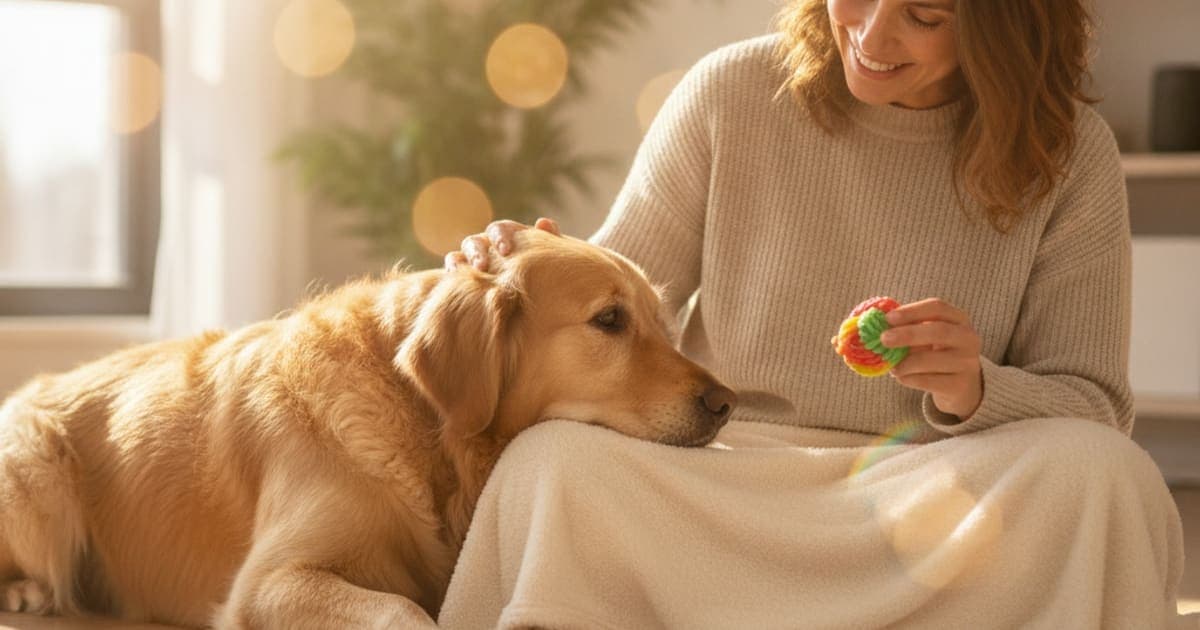
Chemotherapy in dogs most often causes mild, short lived effects: a dip in appetite, nausea or vomiting, soft stools or diarrhea, a quieter day or two after a dose, and a temporary drop in white blood cells that you cannot see from the outside. If your dog is receiving chemotherapy and you notice repeated vomiting, diarrhea that will not settle, a fever, unusual bleeding, collapse, or a refusal to eat that lasts more than a day, call your veterinarian or an emergency clinic that same day rather than waiting for the next scheduled appointment.
What follows is what those side effects actually look like at home, when in each cycle they tend to appear, how long they last, how long a full course of treatment runs, and how owners and oncologists weigh whether treatment is the right call. Results vary from dog to dog, and your veterinary oncologist is the person who can map all of this onto your dog's specific diagnosis and protocol.
Why chemotherapy affects dogs differently than it affects people
Chemotherapy drugs work by targeting cells that divide quickly. Cancer cells qualify, but so do healthy cells that are supposed to divide fast: the lining of the gut, the blood cell factories in the bone marrow, and hair follicles in certain coat types. That overlap is where nearly every side effect comes from. Nausea and loose stools come from the gut lining. Infection risk comes from the marrow. Coat and whisker changes, when they happen at all, come from the follicles.
The bigger difference is intent. Human oncology often pushes toward the highest dose a person can tolerate, accepting a hard stretch in exchange for a chance at cure. Veterinary oncology usually does not work that way. Protocols for dogs are built around doses chosen to control the disease while keeping the dog feeling like itself between visits. Most dogs on chemotherapy feel well most of the time, and veterinary protocols are deliberately designed to keep it that way.
Research suggests that dogs tolerate standard veterinary protocols better than most owners expect going in, which is why a dog in active treatment often looks, to a neighbour on the street, like a dog who is not in treatment at all. Some dogs have a rough day or two after each dose. Some sail through. A smaller number react badly enough to need same day veterinary care, which is why every protocol comes with a list of warning signs and a phone number to use.
The side effects you are most likely to see, and when they show up
| What you may see | When it tends to appear | What it usually looks like | What to do |
|---|---|---|---|
| Reduced appetite and nausea | In the first few days after a dose | Picking at food, lip licking, drooling, turning away from the bowl | Offer bland, warm, strongly scented food and ask your vet about keeping anti-nausea medication at home |
| Vomiting or diarrhea | In the first few days after a dose | An episode or two, then a return to normal | Call your vet if it repeats, lasts beyond a day, or contains blood |
| Low white blood cell count | In the days following a dose, recovering before the next one | Invisible at home, found on bloodwork at the clinic | Watch for fever, shivering, hiding or sudden flatness and call the same day |
| Low energy | Treatment day and the day after | Sleeping more, less interest in walks and play | Let the dog rest, and report it if the flat period gets longer each cycle |
| Coat and whisker changes | Gradually, across several cycles | Whisker loss, slow regrowth, thinning in continuously growing coats | Cosmetic only, no action needed |
| Injection site irritation | Immediately or within a few days | Swelling, pain or skin damage near the catheter site | Tell the treating team straight away, this is managed at the clinic |
Beyond that shared profile, individual drugs carry their own specific risks. Some can affect heart muscle as the total lifetime dose builds, which is why certain dogs get a heart ultrasound before treatment starts and again during the course. Some irritate the bladder lining and can cause straining or blood in the urine. Others are harder on the kidneys or on nerves. Your oncologist picks the combination based on the tumour type, your dog's breed, age and other conditions, and will tell you exactly which effects matter for the drugs your dog is actually receiving.
For lymphoma specifically, multi drug protocols rotate agents so that no single toxicity stacks up. The practical effect at home is that different weeks can feel different. One drug may cause a quiet, picky few days, another may pass without you noticing anything. Many dogs with lymphoma also feel noticeably better early in treatment, because the disease itself, not the drug, was what had been making them unwell.
How long side effects last, and how long treatment takes
Digestive side effects usually arrive within a few days of a dose and resolve within another day or two, often faster if your vet has sent you home with medication to give at the first sign of nausea. The dip in white blood cells follows a similar rhythm: it falls, then recovers, and a blood count taken before the next dose tells the team whether to proceed, delay or reduce. A delayed treatment is not a setback, it is the monitoring system working.
Cumulative fatigue is the one effect that can build. Dogs often tolerate early cycles easily and take slightly longer to bounce back later in the course. Tell your team if the flat period stretches from one day to three, because that is exactly the kind of information that leads to a dose adjustment.
How long the whole course takes depends entirely on the cancer and the protocol. Multi drug intravenous protocols for lymphoma run as a series of clinic visits spaced anywhere from weekly to every few weeks, carried out over a period of months. Other plans use oral medication given at home, sometimes continuously for as long as it keeps working. Low dose continuous approaches aim at slowing growth rather than driving remission, and tend to be gentler day to day. Ask for the full calendar before the first dose, including the bloodwork visits, so you can see what the commitment really looks like.
Is chemotherapy worth it for a dog?
That question usually sits underneath all the others, and it deserves a straight answer: for chemotherapy responsive cancers, treatment is often about buying good quality time rather than a cure, and plenty of owners decide that trade is worth making. Others decide it is not, for reasons that are entirely legitimate.
The factors that genuinely matter in the decision are how responsive the specific cancer is to drugs, how advanced it is, your dog's age and other health problems, how your dog copes with car rides and clinic visits, how far you live from the treating practice, and what the course will cost. Costs vary widely by clinic, region and protocol, so get a written estimate for the full course rather than a per visit figure.
It is worth knowing that dogs do not anticipate treatment the way people do. They do not spend the week before a visit dreading it, and they do not understand the diagnosis. What they experience is a car journey, a catheter, some attention from nurses, and possibly a quiet day afterwards. Judged on that, chemotherapy is less hard on dogs than the word implies.
You can also stop. Choosing not to treat, or stopping partway, is not giving up, and a palliative plan built around comfort medication your vet prescribes, appetite support and pain control is a real option with real value. Deciding well means watching the things that make up your dog's day: eating, moving, greeting you, sleeping comfortably, and whether the good days still outnumber the bad.
Living with a dog in treatment: handling, hygiene and warning signs
Yes, you can be around your dog during and after chemotherapy. Petting, cuddling, sharing the sofa and sleeping in the same room are all considered safe. The precautions are about body waste, not contact.
For a period after each dose, small amounts of the drug and its breakdown products leave the body in urine, stool, vomit and saliva. Your oncology team will tell you how many days that applies to for the specific drugs used. During that window: wear disposable gloves to pick up stool or clean accidents, flush or bag waste promptly, wash hands afterwards even though you wore gloves, wash soiled bedding separately, and pick one area of the yard for toileting so the rest stays clear. Pregnant or nursing women, anyone who is immunocompromised, and young children should not handle waste, vomit or oral chemotherapy tablets. Oral drugs stay in their original container, are never split or crushed, and are handled with gloves.
Illnesses unrelated to the cancer do not pause during treatment, and a dog with a suppressed immune system has less margin, so it helps to know the broader picture of common canine conditions and what their early signs look like.
Call your veterinarian the same day, or go to emergency care, if you see a fever or shivering, more than a couple of episodes of vomiting, diarrhea that will not stop, blood in vomit, stool or urine, pale gums, laboured breathing, collapse, or a complete refusal to eat or drink. Neutropenic infection can escalate quickly and is treatable when caught early. Talk to your vet as soon as something looks wrong rather than waiting to see whether it passes overnight.
Key Takeaways
- Common side effects are appetite loss, nausea, vomiting, diarrhea and low energy in the first few days after a dose, plus a temporary dip in white blood cells visible only on bloodwork.
- Veterinary protocols are dosed for quality of life, not maximum tolerated intensity, so severe reactions are far less common than owners fear.
- Most side effects resolve within a day or two, and blood counts are rechecked before every dose so the team can delay or adjust.
- Significant coat loss is unusual except in continuously growing coat breeds, though whisker loss and slow regrowth are normal.
- Treatment length depends entirely on the protocol, from a months long series of clinic visits to ongoing oral medication at home.
- Being around your dog is safe, but wear gloves for waste for a few days after each dose and keep pregnant, nursing and immunocompromised people away from that task.
- Fever, repeated vomiting, unstoppable diarrhea, bleeding, pale gums or collapse are same day veterinary problems.
Your veterinarian and veterinary oncologist own the diagnosis, the protocol and every decision about adjusting it. Everything you do at home, the food you offer, the rest you protect, the symptoms you log and report, works inside the space that proper veterinary care creates. Bring your notes to every visit, ask what each drug in the protocol is likely to do, and ask what your dog's good day is supposed to look like so you can tell when it changes.
Related reading: How to Determine an Old Dog's Quality of Life and Dog Emergency Signs.
Frequently asked questions
- What are the side effects of chemo on dogs?
- The most common side effects are appetite loss, nausea, vomiting, diarrhea and low energy in the first few days after a dose, plus a temporary dip in white blood cells detected on bloodwork. Coat thinning is uncommon except in continuously growing coat breeds. Serious reactions happen but are far less common.
- How long do chemo side effects last in dogs?
- Digestive side effects usually appear within a few days of a dose and settle within another day or two, often faster with medication your vet prescribes. Blood counts dip and then recover before the next treatment, which is why bloodwork is repeated at each visit. Results vary from dog to dog.
- Does chemo make dogs sick?
- Not usually, and not the way people expect. Veterinary doses are chosen to control disease while keeping dogs comfortable, so many dogs have only a quiet day or mild stomach upset after treatment. A smaller number feel genuinely unwell and need supportive care. Report every reaction to your oncology team.
- How will my dog feel after chemo?
- Most dogs feel tired on treatment day and close to normal within a day or two. Some have a short stretch of nausea, soft stools or picky eating in the days that follow. Dogs with lymphoma often feel better overall once treatment starts reducing the disease burden.
- How does chemo affect dogs?
- Chemotherapy targets rapidly dividing cells, which includes cancer cells plus the gut lining, bone marrow and some hair follicles. That is why the usual effects are digestive upset, a temporary drop in infection fighting white blood cells, and occasional coat changes. Certain drugs also require heart, bladder or kidney monitoring.
- Is chemo hard on dogs?
- Less than most owners expect. Dogs do not anticipate treatment with dread, and protocols are dosed for quality of life rather than maximum tolerated intensity. The hardest parts are usually the travel, the clinic visits and the short rough patches after a dose. Talk to your vet about what your dog's protocol involves.
- Is dog chemotherapy worth it?
- For chemotherapy responsive cancers, many owners decide it is, because the goal is usually good quality time rather than cure. The honest answer depends on the tumour type, your dog's age and other illnesses, travel distance and cost. Your veterinary oncologist can explain what applies to your dog.
- How long does chemo take for dogs?
- It depends entirely on the cancer and the protocol. Some courses run as a series of clinic visits spread across several months, while others continue as low dose oral medication at home for as long as it keeps working. Ask for the full calendar before the first dose.
- Can you be around dogs after chemo?
- Yes. Normal petting, cuddling and sharing space are considered safe. Drug residues leave the body in urine, stool, vomit and saliva for a few days after each dose, so wear gloves to clean up waste, wash hands afterwards, and keep pregnant, nursing or immunocompromised people away from that job.
- Is chemotherapy good for dogs?
- It can be a reasonable option for chemotherapy responsive cancers such as lymphoma, where the aim is remission, comfort and more good time rather than cure. It is less useful for some other tumour types. Your vet or veterinary oncologist can explain what applies to your dog.
Educational content, not veterinary advice. Ask your vet about your dog.