Why Do Dogs With Kidney Disease Drink So Much Water?
Dogs with kidney disease drink so much water because damaged kidneys can no longer concentrate urine, so water is lost in dilute urine and thirst rises to replace it. When increased drinking comes with accidents indoors, appetite loss, panting or weight change, the combination needs a veterinary workup.
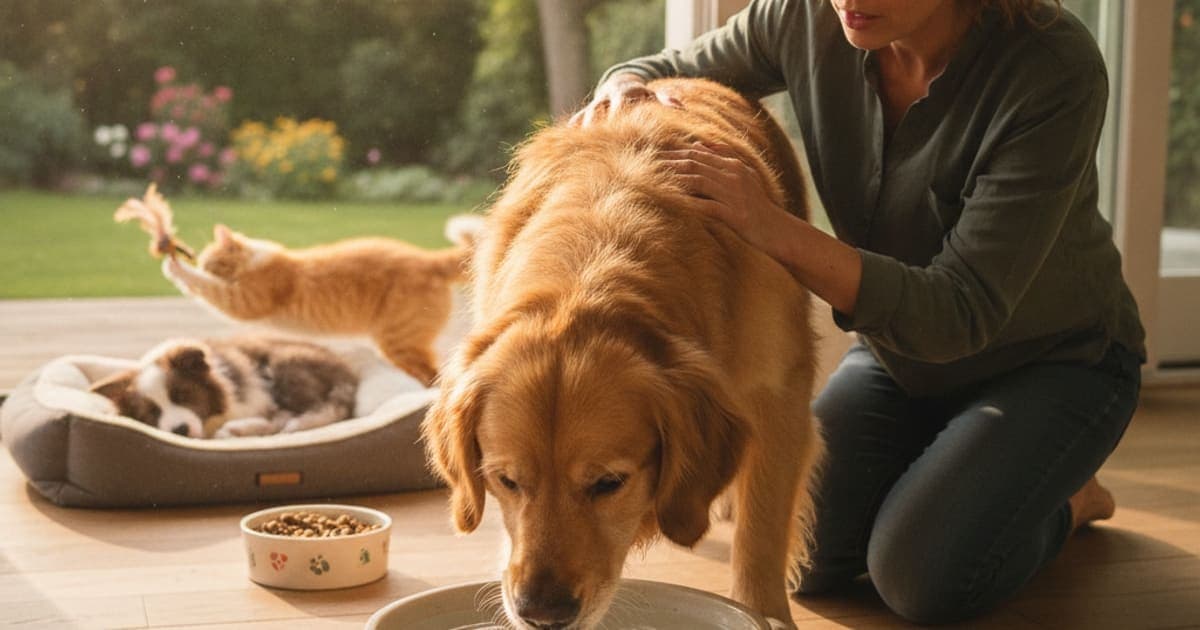
Call your veterinarian promptly if your dog has suddenly started drinking far more water than usual, especially alongside vomiting, appetite loss, lethargy or accidents indoors. Go to an emergency vet now if your dog is straining to urinate and producing little or no urine. A male dog who is straining and producing little or no urine may have a urinary blockage, which is a life threatening emergency. Collapse, repeated vomiting, severe weakness, a painful or swollen belly, or a dog who cannot keep water down are also reasons to seek emergency care rather than wait. And never restrict water in a dog who is drinking more than usual: the drinking is replacing fluid that has already been lost, and removing the bowl risks dehydration.
Dogs with kidney disease drink so much water because the damaged kidney loses its ability to concentrate urine. A healthy kidney filters an enormous volume of fluid every day and then reclaims most of that water before urine reaches the bladder. When enough filtering units are lost, the reclaiming step fails. Urine comes out dilute and plentiful, the dog loses body water with every squat, the blood becomes slightly more concentrated, thirst receptors in the brain fire, and the dog drinks to keep up. A dog with kidney disease drinking a lot of water is chasing a loss, not creating one.
That is why the two signs travel together so reliably. A dog drinking more water than usual and peeing in the house is almost always losing water through the kidneys first and drinking to catch up, which makes restricting the water bowl dangerous rather than helpful. The right move is the opposite: leave water freely available, and book a veterinary appointment with a urine sample collected first thing in the morning.
How a kidney loses control of water
Each kidney is built from a very large number of nephrons, the microscopic units that do the actual work. Blood is filtered at the glomerulus, and the filtrate then runs through a long tubule that pulls back water, sodium, glucose and other things the body wants to keep. The loop of Henle builds a salty gradient deep in the kidney, and antidiuretic hormone opens water channels in the collecting duct so water can be drawn back across that gradient into the bloodstream. Concentrated urine out, water retained.
Kidneys carry a lot of spare capacity. A dog can lose a large share of nephron function before anything looks wrong at home, which is why chronic kidney disease so often seems to appear overnight when it has actually been developing for a long time. The concentrating mechanism is one of the first things to go. Once the kidney cannot hold the gradient, urine stays dilute no matter how dehydrated the dog is, and water pours out in volumes the dog can only match by drinking constantly.
The same disease process also lets waste products such as urea build up in the blood. That is where nausea, a picky appetite, bad breath, mouth ulcers and slow weight loss come from. So the classic picture is not thirst alone. It is thirst, dilute urine, more frequent urination, and then a second or third sign stacked on top.
When increased thirst comes with accidents in the house
House soiling in a previously reliable dog is a medical sign, not a behaviour problem. When urine volume doubles or triples, the bladder fills faster than the dog's routine allows. Overnight accidents, puddles rather than spots, and a dog who suddenly needs out at three in the morning all point the same way. Punishing it achieves nothing except making the dog hide the evidence.
Increased thirst with increased urination has a name in veterinary medicine: polyuria and polydipsia. It is one of the most useful signals in canine medicine because it narrows the list fast. The common causes include chronic kidney disease, diabetes mellitus, hyperadrenocorticism (Cushing's disease), urinary tract infection, high blood calcium, liver disease, pyometra in unspayed females, and certain medications your vet may already have prescribed for another problem. Each one is distinguished by tests, not by guesswork at home.
A senior dog drinking more water than usual and peeing in the house deserves a slightly wider net, because older dogs can carry more than one problem at once. Urethral sphincter weakness causes leaking while asleep. Canine cognitive dysfunction can erode house training. Arthritis can make the trip to the door slow enough that the dog does not make it. None of those cause increased drinking, so if the bowl is also emptying faster, the thirst still needs its own explanation.
If you want useful information to bring to the appointment, measure intake for two or three days. Fill the bowl with a measured amount, top it up with measured amounts, and subtract what is left. A commonly used rough guide is about one ounce of water per pound of body weight per day, and anything consistently above that is worth raising. Note the time and size of accidents too.
Reading the second symptom
Thirst by itself is a wide net. Thirst plus one more sign is a much shorter list. Use the table below to decide how fast you need to be seen, then talk to your veterinarian with the specifics in hand.
| Thirst plus this sign | What it commonly points toward | How fast to act |
|---|---|---|
| Peeing a lot, accidents indoors | Kidney disease, diabetes, Cushing's disease, urinary infection | Appointment within days, bring a morning urine sample |
| Not eating, or picking at food | Waste products building up in the blood, nausea, dental pain, liver or pancreatic disease, pyometra | Appointment promptly, sooner if nothing has been eaten for more than a day |
| Panting at rest | Pain, fever, heat, anxiety, Cushing's disease, heart or respiratory disease, anaemia | Same day if panting is heavy, continuous or happening in a cool room |
| Diarrhoea | Gastrointestinal fluid loss driving compensatory thirst, infection, dietary upset, kidney or liver disease | Same day if bloody, black, or paired with lethargy or vomiting |
| Vomiting | Nausea from circulating waste products, pancreatitis, obstruction, toxin exposure, Addison's disease | Urgent, especially with repeated vomiting or collapse |
| Losing weight with a normal or big appetite | Diabetes, thyroid disease, malabsorption, some cancers | Appointment within days |
| Losing weight with a poor appetite | Chronic kidney disease, liver disease, dental disease, cancer | Appointment within days |
| Straining, producing little or no urine | Possible urinary obstruction or acute kidney injury | Emergency, go now |
A dog drinking more water than usual but not peeing more is a different pattern and usually a less alarming one. Heat, hard exercise, a switch from wet food to dry, a saltier diet, fever, or fluid lost through panting, vomiting and diarrhoea all raise intake without raising output. The exception that matters is a dog who is drinking and straining without producing urine. That is an emergency, not a watch-and-wait.
What the veterinary workup actually looks like
The single most informative test is cheap and fast: a urinalysis with urine specific gravity, ideally from the first urine of the morning before the dog has had a chance to drink. Specific gravity tells your vet whether the kidneys can still concentrate. From there, the usual panel includes bloodwork covering kidney values, SDMA, electrolytes, calcium, glucose and liver enzymes, a urine culture to rule out infection, a urine protein to creatinine ratio, and blood pressure. Imaging and a hormone test are added when the history points that way.
If chronic kidney disease is confirmed, veterinarians stage it using the IRIS system, which sets the treatment plan. That plan may include a specific diet chosen and directed by your veterinarian, medication your vet may prescribe, and fluids given under the skin at home once you have been shown how. Any diet change should happen only under your vet's direction, because food that suits one stage of kidney disease is not automatically right for another, and a dog who stops eating a new food has traded one problem for a worse one. Results vary from dog to dog, so expect the plan to be adjusted as rechecks come in. If your dog is already on prescribed medication, keep giving it exactly as directed and raise any changes with the prescribing vet first.
Senior dogs: thirst, weight change, and the slowdown that travels with it
Owners often arrive at this question from two directions at once. The dog started emptying the bowl and having overnight accidents, and somewhere in the same season he also got slower on the stairs, stiffer after naps, and visibly thinner over the hips and shoulders. Metabolic illness takes lean muscle. So does arthritis, through simple disuse. Sorting out which is which is diagnostic work, and it belongs with your veterinarian.
While the workup is underway, the most valuable thing you can do at home is observe carefully and write things down. Keep the water bowl full and measure what goes in, note how often your dog asks to go out and whether the puddles are large or small, and watch for straining, dribbling, blood tinged urine or a dog who postures to urinate without result. Track appetite in plain terms: eats normally, picks, needs coaxing, refuses. Weigh your dog on the same scale on the same day each week if you can, because a trend over a few weeks says more than a single number. Note vomiting, diarrhoea, bad breath, mouth sores, panting at rest, sleeping more, or a change in how willing your dog is to walk or climb stairs.
Bring all of that to the appointment, along with a current list of everything your dog takes, including anything bought over the counter, plus the exact food and any recent change to it. Tell the vet when the thirst started, whether it came on over days or months, and what else changed in the household around the same time. A first morning urine sample collected before your dog drinks is one of the most useful things you can hand over at the door.
Know the lines that turn monitoring into a same day visit or an emergency: repeated vomiting, a dog who cannot keep water down, collapse, severe weakness or wobbliness, seizures, a painful or distended abdomen, pale or very dry gums, heavy continuous panting in a cool room, refusing all food for more than a day, or straining to urinate with little or nothing coming out. If you are unsure, phone the clinic and describe what you are seeing; triage advice over the phone costs nothing and is what reception and nurses are there for.
Key Takeaways
- Kidney disease causes heavy drinking because the damaged kidney cannot concentrate urine, so water is lost first and thirst follows to replace it.
- Never restrict water in a dog who is drinking more. The drinking is compensation, and taking it away risks dehydration.
- Accidents in the house alongside increased thirst are a medical sign, not disobedience, and the combination warrants a vet visit with a morning urine sample.
- The second symptom sets the urgency: vomiting, heavy panting at rest, or straining without producing urine moves this from an appointment to the same day or an emergency.
- Drinking more without peeing more is usually heat, diet, fever or gastrointestinal fluid loss, unless the dog is straining.
- Measured water intake over two or three days is one of the most useful things you can bring to the appointment.
- A simple home log of water intake, accidents, appetite, weight and energy gives your vet a far clearer picture than memory alone.
Where your vet leads and where owners support
Thirst, urination, appetite, panting and weight are diagnostic territory. Your veterinarian owns the diagnosis and the treatment plan, including the bloodwork, the staging, the diet and any prescription. The owner's job runs alongside that: keep water freely available day and night, make toilet trips easy and frequent so a dog with a fast filling bladder is not set up to fail, keep food and routine consistent while testing is underway, and report changes early rather than waiting for the next scheduled recheck.
Practical home measures help too. Put out more than one water bowl if your dog is slow to move between rooms, use washable bedding and floor protection so overnight accidents do not become a source of stress for either of you, and never scold a house trained dog for a puddle caused by illness. Keep a note of rechecks and what each one showed, so you can see the direction of travel rather than a single snapshot.
Make the appointment, bring the urine sample, and keep the water bowl full. Nothing in this article treats, cures or prevents any condition; every decision about your dog's care belongs with your veterinarian.
Related guides: Why Is My Dog Suddenly Peeing a Lot? (Causes Explained) and Dog Peeing in House Suddenly: Medical vs Behavioural.
Frequently asked questions
- Why do dogs with kidney disease drink so much water?
- Because damaged kidneys lose the ability to concentrate urine. Water that a healthy kidney would reclaim is instead lost as large volumes of dilute urine, the blood concentrates slightly, and thirst receptors in the brain drive the dog to drink to replace it. The drinking follows the loss rather than causing it.
- My dog is drinking more water than usual and peeing a lot, is it an emergency?
- Usually it warrants an appointment within days rather than an emergency run, and you should bring a first-morning urine sample. It becomes urgent if your dog is also vomiting repeatedly, collapsing, straining without producing urine, or refusing food entirely. Leave water freely available while you wait for the visit.
- Why is my senior dog drinking more water than usual and peeing in house overnight?
- Increased urine volume outpaces the dog's usual routine, so the bladder fills faster than he can hold. Common causes include chronic kidney disease, diabetes, Cushing's disease and urinary infection. Older dogs may also have sphincter weakness or cognitive decline on top, so the thirst still needs its own veterinary explanation.
- What does it mean if my dog is drinking more water than usual and not eating?
- Thirst plus appetite loss often reflects nausea from waste products circulating in the blood, which happens when kidney function declines. Liver disease, pancreatitis, dental pain and pyometra in unspayed females can produce the same pairing. Book promptly, and sooner if your dog has eaten nothing for more than a day.
- My dog is drinking more water than usual and panting, what causes that?
- Panting raises water loss, so heat, exercise and anxiety explain many cases. Panting at rest in a cool room is different and may reflect pain, fever, Cushing's disease, anaemia, or heart and respiratory problems. Heavy or continuous panting alongside increased thirst deserves a same-day veterinary assessment.
- What if my dog is drinking more water than usual and has diarrhea?
- Diarrhoea drains fluid from the body, so increased drinking is often simple compensation for that loss. It can also accompany infection, dietary upset, or kidney and liver disease. Seek same-day care if the stool is bloody or black, or if vomiting, lethargy or weakness appear alongside it.
- Should I worry if my dog is drinking more water than usual and vomiting?
- Yes, treat that combination as urgent. Repeated vomiting with increased thirst can reflect waste products building up from reduced kidney function, pancreatitis, an obstruction, toxin exposure or Addison's disease. Dehydration develops quickly when fluid is lost from both ends, so arrange veterinary assessment the same day.
- What does increased thirst with weight loss usually mean?
- It depends on appetite. Weight loss with a strong appetite points toward diabetes, thyroid disease or malabsorption. Weight loss with a poor appetite points more toward chronic kidney disease, liver disease, dental problems or cancer. Either pattern needs bloodwork and a urinalysis rather than watchful waiting at home.
- My dog is drinking more water than usual but not peeing more, is that normal?
- Often yes. Heat, exercise, fever, a switch from wet food to dry, or fluid lost through panting, vomiting and diarrhoea all raise intake without raising output. The exception is a dog who drinks and then strains with little or no urine produced, which is an emergency.
- What should I note at home before the vet visit for increased thirst?
- Measure water intake over two or three days, record how often your dog urinates and the size of any accidents, and note appetite, vomiting, diarrhoea, panting, energy and weekly weight. List everything your dog takes, including over the counter products, and any recent food change. Bring a first morning urine sample if you can collect one.
Educational content, not veterinary advice. Ask your vet about your dog.