Dog Drooling a Lot Suddenly: When to See the Vet
A dog drooling a lot suddenly needs a vet. Learn which signs mean going to an emergency vet now, what can cause sudden drooling, what your vet may do and what to tell them.
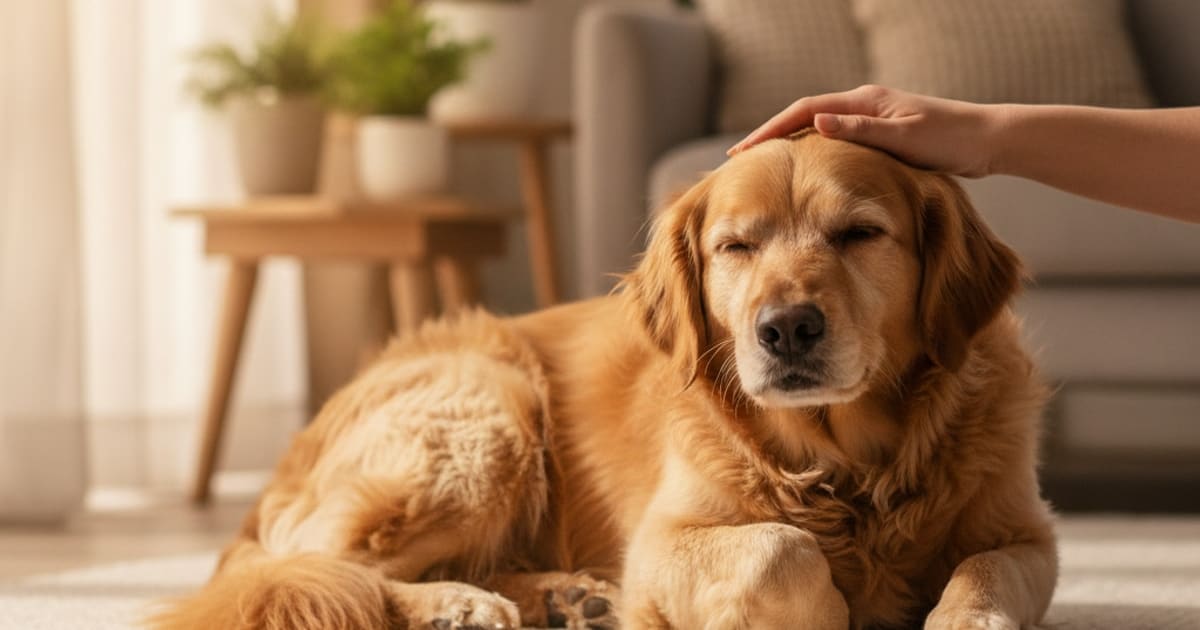
A dog drooling a lot suddenly needs a vet, because sudden drooling is a sign that something has changed in the mouth, throat, stomach or body. Go to an emergency vet now if your dog may have licked, chewed or eaten something poisonous, is having trouble breathing, has a swollen face or tongue, or is shaking, having a seizure or collapsing; otherwise book a same-day appointment. If poison is possible, call your vet or an animal poison control service now. When it seems your dog is drooling for no reason, there is still a cause behind it, and a vet exam may help find it. Even in a dog that has always drooled, a sudden change in the amount or thickness of the saliva is a reason to book that same-day visit.
When to go to the vet now
Go to an emergency vet now if your dog is drooling and you notice any of these:
- Your dog may have licked, chewed or eaten something poisonous, such as a plant, a cleaning or garden product, a medicine or a toad: call your vet or an animal poison control service now
- Trouble breathing, choking, or noisy, struggling breaths
- A swollen face, lips, tongue or throat
- Tremors, a seizure, weakness, wobbling or collapse
- Hard panting with weakness or wobbling after time in the heat or in a warm car
- Retching or trying to vomit with nothing coming up, or a swollen belly
- Blood in the drool, or bleeding from the mouth that will not stop
- Drooling after biting an electrical cord
What can cause sudden drooling
When a dog starts drooling all of a sudden, the cause can sit in the mouth, the throat, the stomach or elsewhere in the body, and your vet works through the possibilities one by one during the exam. The causes below are not a way to sort out the problem at home. They are here so you understand what your vet is thinking about, why they ask the questions they do, and why a same-day visit matters even when your dog seems bright in every other way.
Mouth pain is one of the first things a vet looks at. A cracked or broken tooth, an infected tooth root, sore or swollen gums, an ulcer on the tongue or lips, or a cut inside the cheek can all make a dog drool more. These problems sit inside the mouth, where they need a careful look under good light by someone trained to do it. Please do not open your dog's mouth or try to look inside yourself, because a dog in pain can bite, and handling a sore mouth can make an injury worse.
Something caught in the mouth or throat is another possibility your vet checks. A piece of stick wedged across the roof of the mouth, a bone fragment caught between the teeth, a grass seed pushed into the gum or a thread wrapped around the base of the tongue can each lead to heavy drooling. An object lodged in the throat or food pipe can make swallowing hard, so saliva builds up and spills out instead of going down. Do not reach in or try to pull anything out, as this can push it further in or injure your dog. If your dog swallowed a bone, a stick, a toy or any other object, call your vet now.
Mouth injuries and burns can cause drooling too. A dog that bites down on an electrical cord, chews a hot item or carries a caustic product in the mouth can burn the lips, gums or tongue. An electrical cord bite is an emergency even when your dog seems well, so go to an emergency vet now. For a caustic product or anything else poisonous, call your vet or an animal poison control service now.
Nausea is another cause. A dog that feels sick to its stomach can drool before it vomits. Nausea can come from a stomach upset, from motion during a car journey, or from illness elsewhere in the body, such as problems with the liver, kidneys or pancreas. Kidney disease can cause sores in the mouth as well as nausea, and liver problems can affect the brain, so your vet may suggest blood tests even when drooling is the main sign you have seen. Your vet may also ask about vomiting, diarrhea, appetite, thirst and energy.
Car travel can bring on drooling as well, through motion sickness, the stress of the journey or both. Even when the drooling started in the car, book the vet visit, because your vet needs to look for the other causes before putting it down to travel. If travel turns out to be the trigger, your vet can talk through ways to make future trips easier for your dog.
Poisons are a key reason sudden drooling is taken seriously. Some plants, cleaning products, garden chemicals, pest baits, human medicines, certain toads and some insects can cause drooling within a short time of being licked, chewed or swallowed. Some substances irritate or burn the mouth straight away, while others act on the nerves, heart or gut. If there is any chance your dog has licked, chewed or eaten something poisonous, call your vet or an animal poison control service now. Do not try to make your dog sick, and do not rinse or wipe the mouth unless the vet or poison service tells you to.
Insect stings, bites and allergic reactions are other possibilities. A bee or wasp sting in or near the mouth, a spider or snake bite, or an allergic reaction can make the lips, face or throat swell, and drooling can follow. Swelling around the face or throat can affect breathing. A sting or bite near the face is a sudden illness, so call your vet now, and go to an emergency vet now if there is any swelling or trouble breathing.
Heat stress and heatstroke can cause heavy drooling alongside hard panting. A dog can overheat fast after time in the sun, exercise in warm weather or a stay in a warm car. If your dog is panting hard, weak, wobbly or collapsing, go to an emergency vet now and tell the clinic you are on your way.
Problems with swallowing itself can lead to drooling. Inflammation or infection in the throat, a problem with the food pipe, a swelling of the salivary glands that make saliva, or weakness of the muscles used to swallow can all stop saliva going down as it should. Your vet can check each of these during the exam and with tests.
Conditions affecting the nerves of the face or the brain can also make it hard for a dog to close the mouth or swallow. Drooling that comes with tremors, a head tilt, a drooping lip or eyelid, circling or trouble standing is a reason to go to an emergency vet now.
Fear, stress and strong excitement can bring on drooling too, for example during a storm, a car trip or a stay away from home. Your vet looks at stress as a cause only after the physical causes have been checked, because a dog in pain or feeling sick can also seem anxious.
You can read more about related problems in our conditions library, and the guide to Dog Emergency Signs sets out the signs that need urgent care in any situation. A list of causes is a starting point for your vet, not a way to find the answer at home, so book the visit today.
What your vet may do
Your vet starts with questions: when the drooling began, whether it has changed, what your dog was doing just before, and what your dog could have reached at home, in the garden or on a walk. They then examine your dog from nose to tail, checking temperature, heart rate, breathing, the belly, the lymph nodes and the eyes, as well as how your dog stands, walks and responds.
The mouth exam is a central part of the visit. The vet looks at the teeth, gums, tongue, cheeks, the roof of the mouth and the back of the throat for broken teeth, sores, cuts, burns, swelling or anything stuck. Some dogs need light sedation for a proper look at a painful mouth, and some need a general anesthetic so the vet can see the back of the throat and remove anything lodged there.
Depending on what the exam shows, your vet may suggest blood tests to look at the liver, kidneys, pancreas and blood cells, a urine test, or X-rays of the head, neck, chest or belly to look for a swallowed object or other changes. An ultrasound scan, a camera look down the throat and food pipe, called an endoscopy, or a closer check of the nerves may follow if the cause is still unclear. When a poison is possible, the vet may start treatment straight away while tests are run, because some toxins act quickly.
Treatment depends on the cause your vet finds. It can include dental work, removing an object, care for a mouth wound or burn, medicine for pain or nausea, fluids, cooling and support for heatstroke, or treatment for a poison or an allergic reaction. Your vet will explain what they find and the choices for your dog. Ask questions if anything is unclear, and talk to your veterinarian before giving any medicine or food to settle the drooling.
If your dog has an existing health condition or takes any medicine, talk to your vet about it when you call, as it can change which tests and treatments make sense.
What to tell your vet
Having the details ready can help your vet find the cause sooner. Tell your vet:
- When you first noticed the drooling and what your dog was doing just before it started
- Any change since then, such as more drool, thicker saliva, or drool on one side only
- Any blood in the drool or bleeding from the mouth
- Any licking of the lips, pawing at the face, gulping or repeated swallowing
- Other signs, such as vomiting, diarrhea, not eating, hard panting, weakness, shaking or a change in behavior
- Anything your dog could have licked, chewed or eaten, such as plants, cleaning or garden products, medicines or trash, and if poison is possible, call your vet or an animal poison control service now
- Any existing health conditions and any medicines your dog takes
Sudden drooling can be a sign of a toxin, a mouth injury, something stuck or an illness that needs treatment, so book a same-day vet exam now, and go to an emergency vet now for any of the emergency signs listed above.
Frequently asked questions
- Is sudden drooling an emergency in dogs?
- Sudden drooling is an emergency if your dog may have eaten or licked something poisonous, has trouble breathing, has a swollen face or tongue, or is shaking, having a seizure or collapsing. Go to an emergency vet now for these; for poison, call your vet or an animal poison control service now. Anything else needs a same-day vet visit.
- What should I do if my dog has sudden drooling?
- Call your vet today and book a same-day appointment, even if your dog seems bright otherwise. Note when the drooling started and any other signs to share. If your dog may have eaten something poisonous, call your vet or an animal poison control service now, and go to an emergency vet now for breathing trouble, a seizure or collapse.
- Can I treat sudden drooling at home?
- No, because sudden drooling needs a vet to find the cause. Do not put anything in or on your dog's mouth, do not try to remove anything you think is stuck, and do not give medicine or food to settle it. For bleeding, gentle pressure with a clean cloth is only for the trip to the vet.
- Why is my dog drooling for no reason?
- When drooling seems to have no reason, there is still a cause, and a vet exam may help find it. Possible causes include mouth pain, something stuck in the mouth or throat, nausea, heat stress, a sting or a poison. Book a same-day vet visit, and if poison is possible, call your vet or an animal poison control service now.
- Why is my dog drooling all of a sudden?
- A dog can start drooling all of a sudden after a broken tooth, an object caught in the mouth, a sting, nausea, overheating or contact with a poison. Because a sudden start can signal an urgent problem, book a same-day vet visit, and if poison is possible, call your vet or an animal poison control service now.
- Why is my dog drooling so much all of a sudden?
- Heavy drooling that starts suddenly can come from pain or injury in the mouth, something stuck in the throat, a burn from biting an electrical cord, heatstroke or poison. If poison is possible, call your vet or an animal poison control service now. Go to an emergency vet now for breathing trouble or collapse; otherwise book a same-day appointment.
- Why is my dog suddenly drooling so much?
- Your vet looks for the cause by examining the mouth, throat and whole body, then may suggest blood tests or X-rays. Possible causes include dental pain, an object in the mouth, nausea, a swallowing problem, a nerve problem or stress. Book a same-day appointment, and go to an emergency vet now for breathing trouble, swelling or a seizure.
- Why is my dog suddenly drooling profusely?
- Drooling profusely, with saliva pouring or foaming from the mouth, can follow contact with a poison, a toad or a caustic product, a sting, a seizure or something lodged in the throat. If poison is possible, call your vet or an animal poison control service now; go to an emergency vet now for breathing trouble, tremors or collapse.
- Why does a dog start drooling suddenly?
- A dog can start drooling suddenly when the mouth hurts, when something blocks swallowing, when it feels sick or overheats, or after a sting or bite. Stress and car travel can play a part, but your vet checks physical causes first. Book a same-day appointment, and if poison is possible, call your vet or an animal poison control service now.
Educational content, not veterinary advice. Ask your vet about your dog.