Dog Drooling One Side of Mouth: When to See the Vet
Drooling from one side of the mouth can come from a sore tooth, something stuck in the mouth, a salivary gland problem or a facial nerve problem. Learn the emergency signs, what your vet may check and what to tell them.
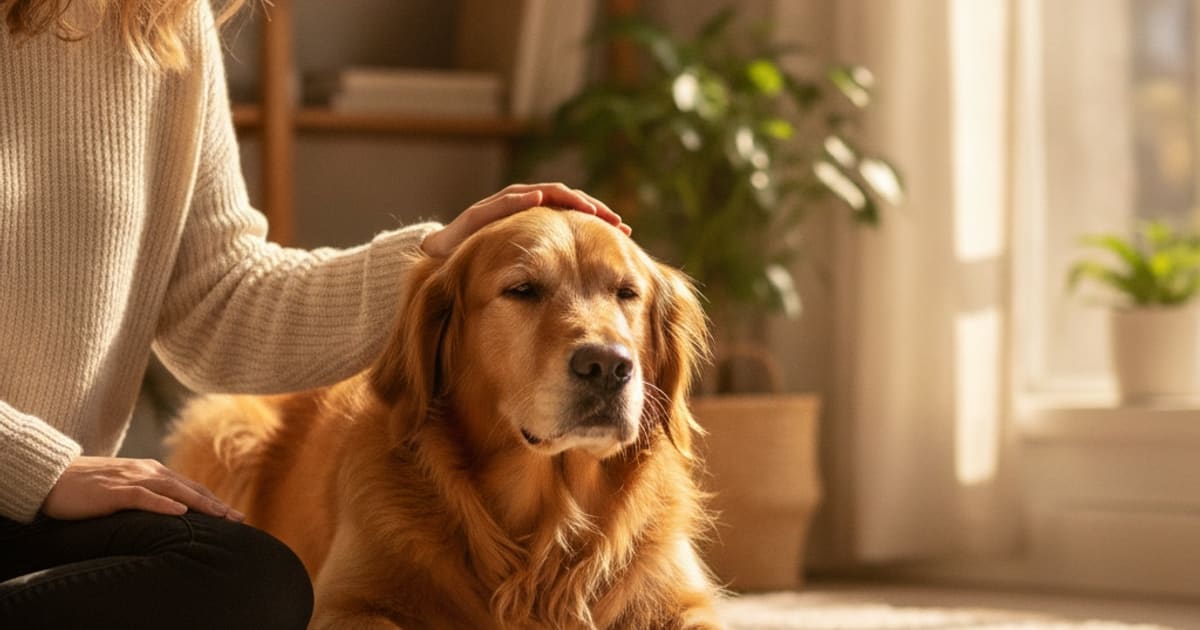
Your dog drooling from one side of the mouth is a reason to see a vet, because it can come from a sore tooth, something stuck in the mouth or a nerve problem on one side of the face. Go to an emergency vet now if your dog has trouble breathing or swallowing, collapses or has a seizure, has a sudden droop of the face with a head tilt or loss of balance, or cannot close the mouth; otherwise book a same-day appointment. Do not open the mouth to look for the cause yourself, because a sore mouth can make even a gentle dog snap. Talk to your vet today about what you are seeing.
When to go to the vet now
Go to an emergency vet now if drooling from one side of the mouth comes with any of these:
- Trouble breathing or swallowing, choking, or sudden swelling of the face, tongue or throat
- Collapse, a seizure or sudden weakness
- A sudden droop of one side of the face with a head tilt, loss of balance, circling or eyes that flick from side to side
- A mouth that hangs open and will not close
- Heavy bleeding from the mouth, or bleeding that will not stop
- A chance your dog has bitten an electrical cord
- A chance your dog has chewed or licked something toxic, such as a plant, a cleaning product, a battery or a toad: call your vet or an animal poison control service now
For drooling from one side of the mouth without these signs, book a same-day appointment. The guide to Dog Emergency Signs explains other signs that need care straight away.
What can cause drooling from one side of the mouth
Drooling from one side of the mouth has several possible causes. It does not matter whether the drool is on the right side or the left side, or whether your dog is male or female: the list of possibilities is the same. The side, amount, colour and thickness of the drool cannot tell you which cause it is. Only an exam can do that, and the possibilities below are what your vet considers and checks.
Saliva escapes wherever the lips do not hold it in. A dog with pain on one side of the mouth may chew on the other side, hold the jaw at an angle or swallow less, so saliva spills out at the sore corner. A swelling can push the lip away from the teeth. Weak muscles on one side of the face can let the lip hang loose, so drool runs out of that side of the mouth. This is why a dog can drool on one side of the face and stay dry on the other.
Your vet checks the teeth and gums closely. A broken tooth, a tooth with an exposed nerve, an infection at the root of a tooth or gum disease that is worse on one side can make that side of the mouth sore. Some of these problems sit below the gum line, where dental X-rays under anaesthesia are needed to see them. A tooth problem can also cause swelling of the cheek or under the eye on the same side.
Something stuck in the mouth is another possibility. A splinter of stick, a piece of bone, a grass seed or other plant material can wedge between the teeth, across the roof of the mouth, under the tongue or into the cheek. Your dog may paw at the face or rub it on the ground. Do not try to pull anything out: a sharp object can cut your hand, break or move deeper, and your vet may need sedation to remove it without causing more harm.
Injuries and sores inside the mouth can make one side painful. A cut on the tongue, lip or cheek, an ulcer or a burn can all lead to drooling on the side that hurts. If your dog may have bitten an electrical cord, go to an emergency vet now. If your dog may have chewed or licked a cleaning product, a battery, a plant or a toad, call your vet or an animal poison control service now, even if the drooling is only on one side.
A lump or growth in the mouth is another possibility your vet checks. A growth on the gum, tongue, lip, roof of the mouth or inside of the cheek can make saliva escape on that side, and it may bleed or make eating hard. Any new lump or swelling should be checked by a vet, who may take a fine needle sample. Do not squeeze or press on a lump in the mouth.
The salivary glands are another place your vet looks. These glands sit on each side of the face and under the jaw, and they drain into the mouth. A blocked or damaged gland, or saliva that leaks out and collects under the tongue or under the skin of the neck, can cause a soft swelling and drooling on one side. Your vet may feel the area, look under the tongue and take a sample of any fluid.
Problems with the facial nerve are a further cause your vet considers. This nerve moves the lips, eyelids and ears on one side of the face. When it stops working, the lip on that side can hang, the eyelid may not close fully and food can collect in the cheek, so saliva runs out of that corner. Possible reasons include a deep ear infection, an injury to the face or head, a low thyroid hormone level and, in some cases, no cause that tests can find. An eye that cannot blink fully can dry out and become damaged, which is another reason not to put off the visit.
The middle and inner ear lie close to the facial nerve and to the parts of the head that control balance. An infection, a growth or inflammation there can affect both at once, so drooling from one side of the mouth can come with a head tilt, stumbling or eyes that flick from side to side. A sudden head tilt, loss of balance or circling is a reason to go to an emergency vet now.
Problems with other nerves or with the brain can also affect the face. A problem with the nerves that close the jaw, or a problem inside the head such as inflammation, a growth or a bleed, can change how the mouth works on one side or both. A jaw injury, a jaw that has slipped out of place or a jaw that cannot close can also let saliva spill, and a mouth that hangs open and will not close needs an emergency vet now.
Nausea and illness elsewhere in the body are possibilities too. A dog that feels sick can drool, and drool can run out of one side because of how the dog holds the head or lies down. Your vet checks the whole body, not only the mouth, and may find more than one problem at once.
You can read more about the conditions behind these signs in the conditions library. Reading is not a substitute for the exam: talk to your vet about what they find and what it means for your dog.
What your vet may do
Your vet starts by asking when the drooling began, whether it came on suddenly and what else has changed. They then examine your dog from nose to tail, checking temperature, heart, breathing, hydration and the glands under the jaw and in the neck.
The face gets a close look. Your vet compares the two sides of the face, checks how the lips, eyelids and ears move, and tests the blink on each side. A nerve exam can include checking reflexes, balance, how the eyes move and how your dog walks and holds the head.
Then comes the mouth. Your vet looks at every tooth, the gums, the tongue, the area under the tongue, the roof of the mouth, the inside of each cheek and the back of the throat. Your dog may need light sedation for a proper look at a painful area, and a full look at the teeth and the back of the mouth may need a general anaesthetic. Your vet may also look deep into both ears with an instrument, which can need sedation too.
Tests depend on what the exam shows. Blood and urine tests can look at general health, and a blood test can include thyroid hormone. Dental X-rays under anaesthesia can show tooth roots and the bone around them. X-rays of the head, or a CT or MRI scan, can show the ears, jaw, skull and brain. A fine needle sample or a small tissue sample can be taken from a lump, a swelling or the lining of the ear. If an eye is not blinking fully, your vet may test the tear film and stain the surface of the eye to look for damage.
Treatment for drooling from one side of the mouth depends on the cause your vet finds. It may include removing something stuck in the mouth, treating or removing a damaged tooth under anaesthesia, cleaning and treating an ear, treating an infection or pain with a medicine your vet prescribes, surgery for a growth or a salivary gland problem, or drops to protect an eye that cannot blink fully. Your vet may also suggest soft food or a referral to a specialist in dentistry, neurology or surgery, and your vet can tell you how a change of diet fits your dog's mouth problem.
Ask about each step, what it involves and what care your dog needs at home afterwards. If anything changes before the appointment, such as trouble breathing, collapse, a seizure or a sudden loss of balance, go to an emergency vet now.
What to tell your vet
Before the visit, note what you have seen so you can tell your vet:
- When you first noticed the drooling, and whether it started suddenly
- Any change since then, such as more drool, drool on the other side too or a new swelling
- Any bleeding from the mouth, or blood or a bad smell in the drool
- Any licking of the lips, pawing at the face or rubbing it on the ground
- Other signs, such as trouble eating, dropping food, a change in how the face or an eye looks, a head tilt, vomiting or less energy
Also tell your vet about any health problem your dog already has and anything your dog is already being treated for.
Frequently asked questions
- Is drooling from one side of the mouth an emergency in dogs?
- It is an emergency if your dog has trouble breathing or swallowing, collapses or has a seizure, has a sudden droop of the face with a head tilt or loss of balance, or cannot close the mouth: go to an emergency vet now. Without those signs, book a same-day vet appointment.
- What should I do if my dog has drooling from one side of the mouth?
- Call your vet today and book a same-day appointment. Do not open the mouth to look or try to remove anything you think is stuck, because a sore mouth can make a gentle dog bite. Note when it started and any other signs. Go to an emergency vet now if breathing, balance or alertness changes.
- Can I treat drooling from one side of the mouth at home?
- No, because the cause needs a vet exam to find, and home treatment can hide it or make it worse. Do not put anything in or on the mouth, and do not remove anything you think is stuck. If there is bleeding, hold gentle pressure with a clean cloth only on the way to the vet.
- Why is my dog drooling on one side?
- Drool can escape on one side when that side of the mouth hurts, when something is stuck there, or when the lip on that side cannot seal. A broken or infected tooth, a mouth injury, a growth, a salivary gland problem or a facial nerve problem are possibilities your vet checks. Book a same-day appointment.
- Why is a dog drooling from one side of the mouth and not the other?
- Saliva leaves the mouth wherever the lips do not hold it in. Pain on one side can make your dog hold the mouth at an angle, a swelling can push the lip open, and weak muscles on one side of the face can let it hang. Your vet examines both sides to look for the cause.
- Why is my dog drooling from one side of her mouth?
- The possible causes are the same for any dog: a sore or broken tooth, a cut or sore inside the mouth, something wedged between the teeth, a swelling of a salivary gland, or a nerve problem on one side of the face. Do not open her mouth to look. Call your vet today for a same-day appointment.
- Why is my dog drooling on one side of his face?
- Drool on one side of his face can come from his teeth or mouth, or from a problem with the nerve that moves that side of the face, which can also affect the ear and eyelid. Your vet checks his mouth, ears, eyes and face to look for the cause. Book a same-day appointment.
- Why is my dog drooling from one side of his mouth?
- Something stuck in the mouth, such as a piece of stick or bone wedged across the teeth or the roof of the mouth, is one possibility your vet checks, along with dental disease, mouth injuries, growths and nerve problems. Do not try to pull anything out yourself. Call your vet today for a same-day appointment.
- What treatment might my dog need for drooling from one side of the mouth?
- Treatment depends on the cause your vet finds. It may include dental work under anaesthesia, removing something stuck, treating an ear or mouth infection with a medicine your vet prescribes, surgery for a growth, or eye care if one eye cannot blink. Talk to your vet about the plan for your dog.
- Does it matter if my dog is drooling on the right side of the mouth?
- The side does not change what to do. Drooling on the right side or the left side has the same list of possible causes, including the teeth, the mouth, the salivary glands and the nerves of the face. Tell your vet which side it is, and book a same-day appointment.
Educational content, not veterinary advice. Ask your vet about your dog.