Dog Eye Injury: What It Looks Like and When to See a Vet
A dog eye injury can show as a red, bloodshot or swollen eye, bleeding, a black eye or squinting. This page covers the emergency signs, what can cause an eye injury, what your vet may do and what to tell your vet.
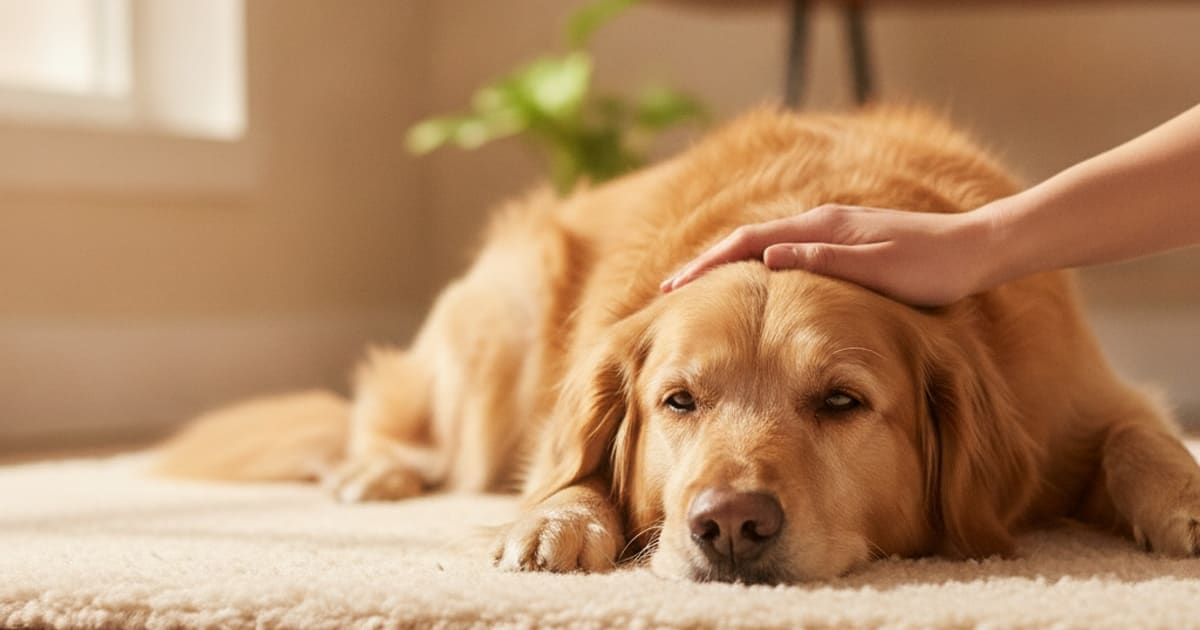
An eye injury is a reason to see a vet. Go to an emergency vet now if the eye is bulging or out of its socket, something is stuck in it, the eye is bleeding or your dog suddenly cannot see; otherwise book a same-day appointment. A dog eye injury can look like a red or bloodshot eye, swollen eyelids, bleeding from the eye or the skin around it, a black eye from bruising, squinting, tears, discharge, a cloudy patch on the eye, or pawing and rubbing at the face. An injury that looks mild or early can still hide damage to the surface or the inside of the eye that only a vet exam can find, so every eye injury needs a vet today.
When to go to the vet now
Go to an emergency vet now if you notice any of these:
- The eye is bulging, pushed forward or out of its socket
- Something is stuck in the eye or the eyelid
- The eye is bleeding, or there is blood inside the eye
- Your dog suddenly cannot see, bumps into things or cannot open the eye
- The eye has suddenly turned cloudy or changed shape
- A chemical, cleaning product or spray got into the eye
- The injury came from a bite, a fight, a car accident or a fall
For any other eye injury, book a same-day appointment. Eye injuries can get worse quickly, so call as soon as you notice a problem. Our guide to dog emergency signs covers other signs that need a vet straight away.
What can cause an eye injury
A range of things can hurt a dog's eye, and part of your vet's job is to find out which one is behind your dog's signs. The possibilities below are what a vet thinks about and checks during the exam. None of them can be confirmed from the outside at home, because very different problems can look alike, and the eye has several parts that can be hurt: the eyelids, the clear front surface, the inside of the eye, the third eyelid in the inner corner and the bones of the socket around it.
A scratch to the clear front surface of the eye, called the cornea, is one possibility. It can come from a cat's claw, a thorn, a stick, a branch, rough play or running through brush and long grass. A scratch can turn into an ulcer, a sore where the top layer of the surface is lost, and an ulcer can deepen. A fresh scratch can be too fine to see without a special dye, so your vet checks for one in any dog with a sore, red or watery eye after an injury.
A blow to the head or face is another possibility. A knock from a door, a car, a fall, a kick or a collision during play can bruise the skin and tissue around the eye, which is what a black eye in a dog is. Fur can hide the dark colour of a bruise, so a black eye may show mainly as swelling around the eye. A blow strong enough to bruise can also injure the eye itself, cause bleeding inside the eye, push the eye forward or crack the bones around it, so your vet looks well beyond the bruise.
Something stuck in or behind the eye is a further possibility. Grass seeds, plant awns, splinters, sand and grit can lodge under the eyelids or behind the third eyelid, the thin fold of tissue in the inner corner of the eye. A foreign body can scratch the surface again each time your dog blinks. Your vet checks under the lids and behind the third eyelid, which needs numbing drops and the right tools, so do not try to find or remove anything yourself.
Eyelid wounds are a possibility of their own. The lids protect the eye and spread tears across it, so a cut, tear or swelling of a lid can leave the surface dry or exposed. A torn lid edge needs careful repair so the lid closes properly, which is one reason your vet looks closely at the lids after any injury near the eye.
Bites and fights can tear the eyelids or puncture the eye. A cat scratch or a dog bite near the eye can look small on the outside while reaching deep, and a puncture can carry infection inward. This is one reason an eye injury from a fight is an emergency.
Chemicals and irritants can also injure the eye. Shampoo, cleaning products, garden sprays, smoke and other substances can burn or irritate the surface. If a product got into your dog's eye, go to an emergency vet now and take the container with you so the vet knows what it was.
An eye injury can also come with other injuries. After a fall, a car accident or a fight, your vet examines the whole dog and not just the eye, because a head injury, broken bones or internal bleeding can be present at the same time. Tell your vet about any other wound or limp you notice.
The signs you see can each have more than one cause. Redness or a bloodshot look after an injury can come from irritation of the surface, a scratch or ulcer, bleeding under the thin clear layer over the white of the eye, inflammation inside the eye or a change in pressure inside the eye. Swelling after an injury can come from bruising, a wound to the lid, infection, a reaction to a sting or bite, something lodged under the lid, or the eye being pushed forward. Bleeding can come from a cut to the lid or the skin around the eye, a wound to the eye itself, or bleeding inside the eye after a knock. Squinting, holding the eye shut and pawing at the face are signs of eye pain, which can come from any of these. Your vet checks each possibility, because the sign alone does not show which one it is.
Some eye problems that are not injuries can look like one. An infection, an allergic reaction, dry eye, raised pressure inside the eye, an ulcer that started without any knock, or eyelids or lashes rubbing on the eye can all cause redness, swelling, squinting or discharge. If you are not sure whether your dog hurt the eye, it still needs a same-day vet. You can read about other health problems in the conditions library.
An eye injury that looks mild or early needs the same care as one that looks bad. A small scratch, a watery eye or redness after a knock can be the first sign of damage that goes deeper than it looks, and the surface of the eye can break down quickly. Book a same-day appointment even when the eye does not look bad, and go to an emergency vet now for any of the emergency signs above.
What your vet may do
Your vet starts by asking what happened, when you first noticed the problem and whether anything has changed since. Then the vet examines your dog's face, eyelids and both eyes with a bright light and magnification. Some dogs need light sedation for a proper look at a painful eye, and numbing drops can make the exam more comfortable. The vet checks how the pupils respond to light, whether your dog can see, whether the eye sits where it should, and whether the eyelids open and close fully.
If your dog is in a lot of pain or very distressed, the vet may give pain relief or sedation first so the eye can be examined without your dog rubbing at it or pulling away. Keeping your dog calm on the way in, without touching the eye, makes this easier for everyone.
A dye test is a key step after any eye injury. Your vet places a drop of a special dye on the eye. The dye sticks to any scratch or ulcer on the surface and glows under a blue light, which shows damage that cannot be seen any other way. Your vet may also measure the pressure inside the eye, because a change in pressure can point to injury or another problem inside the eye, and may run a tear test to see how much tear film the eye makes.
Your vet may look at the back of the eye with a special light and look under the eyelids and behind the third eyelid for anything stuck there. If blood or swelling blocks the view inside the eye, an ultrasound scan of the eye can help. X-rays or other scans may be used when a blow could have damaged the bones around the eye or when something may be lodged behind it. If an infection is possible, the vet may take a swab from the eye for testing.
Treatment depends on what the exam and tests find. It can include removing a foreign body under numbing drops or sedation, medicines your vet prescribes, such as eye drops or tablets for pain, infection or inflammation, and repair of a torn eyelid. Deep ulcers, punctures, a displaced eye or bleeding inside the eye can need surgery or referral to a vet who specialises in eyes. Your vet may want to recheck the eye and repeat the dye test, because an eye injury can change. Your vet will explain what was found, which medicines to give and how to give them, and what changes in the eye mean you should call again.
Do not put any drops, ointments or other products in your dog's eye unless your vet prescribes them for this injury. Products meant for people, or drops left over from an earlier problem, can make an eye injury worse. If you have questions about a medicine or about how this injury fits with a condition your dog already has, talk to your vet. Talk to your veterinarian, too, before you give your dog anything by mouth for pain.
What to tell your vet
- When you first noticed the eye problem and what happened, if you know, such as a knock, a fight or a run through long grass
- Any change since then, such as more swelling, redness, cloudiness or discharge
- Any bleeding, from the eye or the skin around it
- Whether your dog is licking, rubbing or pawing at the eye
- Other signs, such as squinting, tears, holding the eye shut, hiding, low energy or not eating
- Any product or substance that may have got into the eye
- Any eye problem your dog already has and any medicine your dog takes
The more your vet knows about what happened, the sooner the right tests can start. If you saw the injury happen, say so, and bring the container of any product that got into the eye. After the visit, call your vet again if the eye changes, if new swelling, bleeding or cloudiness appears, or if your dog squints more or stops eating.
Frequently asked questions
- Is an eye injury an emergency in dogs?
- It can be. Go to an emergency vet now if the eye is bulging or out of its socket, something is stuck in it, the eye is bleeding, your dog suddenly cannot see, or a chemical got in it. Any other eye injury, even one that looks mild, needs a same-day vet because eye injuries can get worse quickly.
- What should I do if my dog has an eye injury?
- Call your vet today and describe what happened and what the eye looks like. Go to an emergency vet now if the eye is bulging, bleeding, has something stuck in it or your dog cannot see. Do not put anything in the eye or try to remove anything, and bring any product that may have got into it.
- Can I treat an eye injury at home?
- No, because only a vet exam and tests can find the damage. Do not put drops, creams or anything else on the eye, and do not remove anything from it. If the skin around the eye is bleeding, hold a clean cloth gently on the skin, never on the eye, on the way to the vet only.
- What does a dog eye injury look like?
- A dog eye injury can look like a red or bloodshot eye, swollen eyelids, bleeding, a black eye from bruising, squinting, tears, discharge, a cloudy patch on the eye or pawing at the face. Some injuries show very little on the outside, so any eye injury needs a same-day vet, and the emergency signs need a vet now.
- Why is my dog's eye red or bloodshot after an injury?
- Redness after an injury can come from irritation, a scratch or ulcer on the surface, bleeding over the white of the eye, inflammation inside the eye or a change in eye pressure. The redness alone does not show which, so book a same-day vet visit. Go to an emergency vet now if there is blood inside the eye.
- Why is my dog's eye swollen after an injury?
- Swelling after an injury can come from bruising, a wound to the eyelid, infection, a reaction to a sting or bite, something stuck under the lid, or the eye being pushed forward. Your vet checks which. Go to an emergency vet now if the eye is bulging or your dog cannot open it; otherwise book a same-day appointment.
- What does it mean if my dog's eye is bleeding after an injury?
- Bleeding can come from a cut to the eyelid or the skin around the eye, a wound to the eye itself, or bleeding inside the eye after a knock. Any bleeding from the eye or blood inside it is a reason to go to an emergency vet now. Never press on the eye itself.
- Can a dog get a black eye from an injury?
- Yes, a blow to the face can bruise the tissue around a dog's eye, though fur can hide the colour so it may show as swelling. A knock hard enough to bruise can also hurt the eye or the bones around it, so book a same-day vet. Go to an emergency vet now if the eye bulges or bleeds.
- Why is my dog squinting after hurting its eye?
- Squinting and holding the eye shut are signs of eye pain. After an injury, the pain can come from a scratch or ulcer on the surface, something stuck under the lid, inflammation inside the eye or a change in eye pressure. A squinting eye needs a same-day vet, and an emergency vet now if your dog cannot open it.
- Does a mild eye injury still need a vet?
- Yes, because an eye injury that looks mild or early can hide a scratch or ulcer that only a vet's dye test shows, and the surface can break down quickly. Book a same-day appointment even when the eye does not look bad, and go to an emergency vet now for bulging, bleeding or sudden loss of sight.
- How does a vet treat an eye injury in a dog?
- Treatment depends on what the exam and tests find. It can include removing something stuck in the eye, medicines your vet prescribes such as drops or tablets for pain and infection, repairing a torn eyelid, or surgery and referral to a vet eye specialist for deep wounds. Do not give anything at home unless your vet prescribes it.
Educational content, not veterinary advice. Ask your vet about your dog.