Dog Eyes Watering From Allergies: When to See the Vet
A dog's eyes can water from allergies, but infection, eye injury and tooth problems can look the same. Learn which signs mean go to an emergency vet now, what your vet may check, and what to tell your vet when you book a same-day appointment.
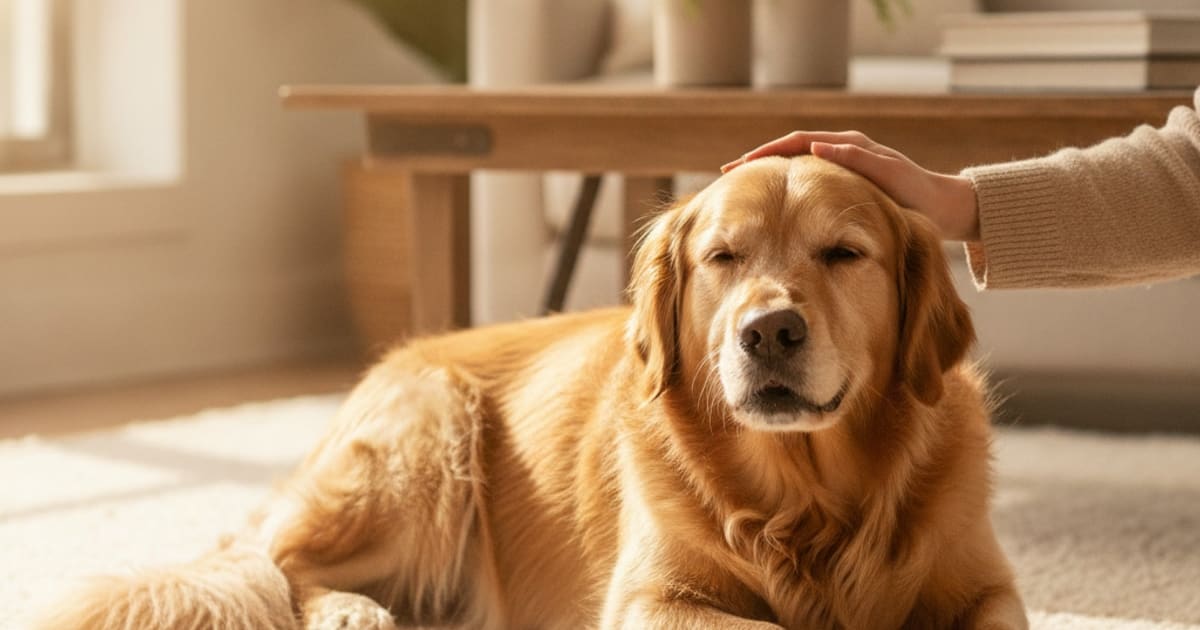
Watery eyes in dogs can come from allergies, and they are a reason to see a vet. Go to an emergency vet now if your dog is squinting or keeping an eye shut, the eye has been hurt or looks cloudy, or the face is swelling or your dog is struggling to breathe; otherwise book a same-day appointment. So yes, a dog's eyes can water from allergies. When you see your dog's eyes watering, allergies are one possibility your vet will weigh, but they are not the only one. An infection, a scratch on the eye, something caught under an eyelid, a sore tooth or a blocked tear duct can bring the same tears, and the tears look much the same whatever is behind them. That is why the eye needs a vet exam rather than a guess. This page sets out which signs mean go now, what can cause watery eyes, what your vet may do, and what to tell your vet when you call.
When to go to the vet now
Go to an emergency vet now, day or night, for any of these:
- Your dog is squinting, blinking hard or keeping one eye closed.
- The eye has been hit, scratched, poked by a plant or caught during grooming.
- The surface of the eye looks cloudy, or the eye seems to bulge.
- There is blood in the tears or around the eye.
- The eyelids, muzzle or face are swelling, or raised bumps are spreading over the skin.
- Your dog is struggling to breathe, collapses or vomits as the face swells.
- Your dog seems suddenly unable to see or starts bumping into things.
The page Dog Emergency Signs lists other signs that need care straight away. Every other case of watery eyes is a same-day appointment.
What can cause watery eyes
Dogs can get watery eyes from allergies, and an allergy is one of the possibilities your vet checks. Pollen from grasses, trees and weeds, house dust mites, mould spores and other particles in the air can land on the eye and on the skin around it. In a dog with an allergy, the immune system overreacts to these particles, and the thin lining of the eye and eyelids can become red, puffy and itchy. Vets call this allergic conjunctivitis. The eye can make extra tears, the itch can make your dog paw at the face or rub it along the floor or furniture, and the fur under the eyes can stay damp. Allergies to things in the environment can come with the seasons or carry on all year, depending on the trigger. You can read more about these triggers in What Are Environmental Allergies in Dogs?
An allergy affects more than the eyes, so your vet looks at the whole dog. A dog with allergies can lick or chew the paws, scratch or shake the head because of itchy ears, rub the face, sneeze or have a runny nose, and get red, itchy skin on the belly, in the armpits or between the toes. A dog rubbing an eye and licking a paw can be showing two sides of one allergy. The same pair of signs can also come from a skin infection, fleas or mites, all of which itch. Eye discharge together with paw licking is a reason for your vet to examine the skin, ears and paws as well as the eyes, since the cause may involve all of them.
A food allergy is another possibility. In this case the immune system reacts to an ingredient in the diet, such as a protein. A food allergy can show up as itchy skin, ear trouble, paw licking, face rubbing and sometimes loose stools or a sore belly, and the skin around the eyes can become red while the eyes water or produce discharge. Watery eyes from a food allergy and watery eyes from an allergy to pollen or dust can look the same. A food allergy cannot be confirmed by swapping foods at home, because a proper diet trial needs a strict diet your vet chooses and a careful plan. Changing the food on your own can blur the picture your vet needs, so talk to your vet before you change anything in your dog's diet.
Eyes watering while eating, or straight after a meal, can have more than one cause. A food allergy is one. The mouth is another: the roots of the upper back teeth sit close to the eye socket, and a sore or infected tooth can cause tears, discharge or swelling under the eye that can be clearer when your dog chews. Dust and crumbs from dry food can get into the eye, and a dog with a short muzzle or deep folds of skin on the face can push into the bowl so that food, hair and skin rub against the eye. A dog rubbing the eyes after eating may be itchy, may have pain in the mouth, or may have something caught in the eye or between the teeth. Your vet checks the teeth and gums during the exam for this reason, and tells you what they find.
Eyes that start watering after grooming can come from shampoo, conditioner, sprays or scent getting into the eye, from loose or clipped hair trapped under an eyelid, from water in the eye, or from the warm air of a dryer. A nick from clippers or scissors can scratch the clear front of the eye, and a scratch like that can hurt and still look like plain watering at first. Squinting after a grooming visit is a reason to go to an emergency vet now. A dog with allergies can also react to a new product on the skin, which is one more reason to tell your vet exactly what was used.
Infection is a key question whenever there is discharge. Bacteria and viruses can infect the lining of the eye. After a stay in boarding kennels, at daycare or anywhere dogs mix, infectious illnesses of the nose, throat and airways can bring discharge from the eyes and nose along with coughing or sneezing. Allergy and infection can also happen together, because a dog that keeps rubbing an itchy eye can bring in bacteria. The look of the discharge does not tell you whether it is allergy or infection: its colour and thickness cannot sort the two at home. Your vet decides with an exam and, where needed, a sample from the eye.
Other problems in the eye itself can cause watery eyes and look just like an allergy. A grass seed, a hair or a speck of grit under an eyelid can cause tears and rubbing. A scratch or ulcer on the clear surface of the eye is painful and can make the eye stream. Eyelids that roll inward, or extra lashes that grow toward the eye, can rub the surface each time your dog blinks. A blocked or narrow tear duct can make tears spill over the lids and stain the fur instead of draining into the nose. Dry eye, where the eye does not make enough of the watery part of the tears, can bring a sticky discharge, which may seem odd for an eye that lacks tears. Raised pressure inside the eye or inflammation inside the eye can cause tears, redness and pain, and these need emergency care. Your vet checks for each of these, which is why allergy is weighed alongside them rather than assumed.
Not every trigger is an allergy. Smoke, strong cleaning products, air fresheners, perfume, pool water, wind and dust can irritate the eyes of a dog with no allergy at all. Sorting an irritant from an allergy is part of your vet's job, using your dog's history and the exam, so tell your vet about anything new in your home or routine.
What your vet may do
Your vet starts with questions and a look at the whole dog, not just the eyes. They ask when the watery eyes began, whether one or both eyes are involved, what has changed at home, and whether there is itching anywhere else. Then they look at the eyes with a bright light and magnification, check the eyelids and lashes, and look behind the third eyelid, the thin fold in the inner corner of each eye, where seeds and hairs can hide. Some dogs need numbing drops or light sedation so the vet can take a proper look at a sore eye.
Several tests can follow. A tear test uses a thin paper strip tucked at the edge of the lower lid for a short time to measure how many tears the eye makes, which helps your vet look for dry eye. A dye test uses an orange stain that shows scratches and ulcers on the surface of the eye under a special light. Your vet may measure the pressure inside the eye with a small handheld device, since raised pressure needs urgent treatment. They may flush the tear ducts to see whether tears drain into the nose, and take a swab or a sample of cells from the eye to look for infection or for the kinds of cells an allergy can bring.
Because allergies and infections can show up across the body, your vet also checks the skin, coat, ears and paws, and looks in the mouth. Skin scrapings, tape samples or combing can look for fleas and mites. Swabs from the ears or skin can look for yeast or bacteria. If a tooth root problem is a possibility, your vet may suggest dental X-rays under anaesthetic.
If allergy looks likely, the next steps aim to find the trigger. Your vet first deals with parasites and infection, because these itch too and can hide an allergy. For a possible food allergy, your vet may plan a diet trial with a special diet and strict rules about everything your dog eats; your vet can tell you how a trial like this fits your dog's diet and any existing condition. For allergies to things in the environment, skin tests or blood tests can help pick out triggers, and your vet may refer your dog to a vet who specialises in skin or eyes.
Treatment depends on the cause your vet finds. It can include a medicine your vet prescribes for the eye, for the itch or for an infection, flea and mite control, dental care, or changes at home to cut down contact with a trigger. Do not use human eye drops, leftover medicine or products meant for another pet, because the wrong product can harm an eye with a scratch or ulcer. Talk to your vet before you start or stop anything, and ask when they want to see your dog again. Our conditions library has more on eye and skin problems your vet may discuss.
What to tell your vet
When you call, clear details help your vet plan the visit and choose the right tests. Have these ready:
- When you first noticed the watery eyes, and whether it is one eye or both.
- Any change since then: more tears, thicker discharge, a change in colour, redness, swelling or squinting.
- Any bleeding, or blood in the tears or around the eye.
- Licking, rubbing or scratching: paws, face, ears, or rubbing the face along floors or furniture.
- Other signs: sneezing, a runny nose, coughing, ear trouble, red skin, hair loss, a tummy upset or less energy.
- What happened around the time it started: anything new your dog ate, a grooming visit, a new shampoo or cleaning product, a stay in kennels, walks through long grass, or a change of season.
- Any medicines, the current diet, past allergies or eye problems, and anything already put on or near the eye.
Do not wipe, rinse or put anything on the eye before the visit, because your vet needs to see the eye as it is. Talk to your veterinarian about every sign you have noticed, even ones that seem unrelated to the eyes, such as paw licking or ear scratching. After you have booked, call your vet again if anything changes, and go to an emergency vet now if your dog starts squinting, the eye looks cloudy or the face swells.
Frequently asked questions
- Is watery eyes an emergency in dogs?
- Watery eyes are an emergency when your dog is squinting or keeping an eye shut, the eye has been hurt or looks cloudy, there is blood in or around the eye, or the face is swelling or your dog is struggling to breathe. Go to an emergency vet now for those. For anything else, book a same-day appointment.
- What should I do if my dog has watery eyes?
- Call your vet today and book a same-day appointment, and go to an emergency vet now if your dog is squinting, the eye looks cloudy or the face is swelling. Do not wipe, rinse or put anything on the eye before the visit. Note when the watery eyes started, any licking or rubbing, and anything new at home.
- Can I treat watery eyes at home?
- No, because watery eyes can come from allergy, infection, a scratch or something under the eyelid, and your vet needs to find which. Do not put anything on the eye or remove anything before the vet sees it. If skin near the eye bleeds, hold gentle pressure with a clean cloth on the way to the vet only.
- Can a dog's eyes water from allergies?
- Yes, a dog's eyes can water from allergies to pollen, dust mites, mould or an ingredient in the diet, because the allergy can inflame the lining of the eye and eyelids. Infection, eye injuries and tooth problems can cause the same tears, so watery eyes need a vet exam. Book a same-day appointment, or go now for squinting or swelling.
- Do allergies cause eye discharge in dogs?
- Allergies can cause eye discharge in dogs as well as watery eyes, because an inflamed, itchy eye can make extra tears and mucus. Infection, dry eye, a blocked tear duct or something under the eyelid can cause discharge too, and the discharge alone cannot tell them apart. Call your vet today so they can examine the eye.
- Can a food allergy cause watery eyes or eye discharge in dogs?
- Yes, a food allergy can cause watery eyes, discharge and red, itchy skin around the eyes, along with paw licking, ear trouble or loose stools. It cannot be confirmed by changing foods at home, because a proper diet trial needs a strict plan. Talk to your vet before you change your dog's diet, and book a same-day appointment.
- Why do my dog's eyes water while eating or after eating?
- Eyes that water during or after a meal can come from a food allergy, an infected upper tooth with a root near the eye, dust from dry food, or the face pressing into the bowl. Rubbing the eyes after eating can mean itch or mouth pain. Book a same-day appointment so your vet can check the eyes and mouth.
- Why is my dog rubbing an eye and licking a paw?
- Rubbing an eye and licking a paw at the same time can be signs of itch from an allergy to pollen, dust or food. Fleas, mites and skin or eye infections can cause the same pair of signs. Book a same-day appointment so your vet can examine the eyes, skin, ears and paws, and go now for squinting.
- Can grooming make a dog's eyes water?
- Yes, grooming can make a dog's eyes water when shampoo, sprays, water or clipped hair get into the eye, or when clippers or scissors scratch it. A dog with allergies can also react to a new product. Squinting after grooming means go to an emergency vet now; any other case of watery eyes after grooming needs a same-day appointment.
- How can my vet tell an allergy from an eye infection?
- Your vet tells an allergy from an infection with an eye exam, a tear test, a dye test for scratches and, where needed, a swab or sample of cells from the eye. They also check the skin, ears and paws for signs of allergy. The colour of the discharge cannot sort the two at home, so book a same-day appointment.
Educational content, not veterinary advice. Ask your vet about your dog.