Dog Wheezing After Eating: Triggers and When to Worry
Dog wheezing after eating usually comes from the upper airway, where food, water and air pass a narrowed or irritated throat, soft palate or windpipe, rather than from deep in the lungs. Brief episodes are common, but wheezing with blue gums, open-mouth breathing at rest or collapse is an emergency.
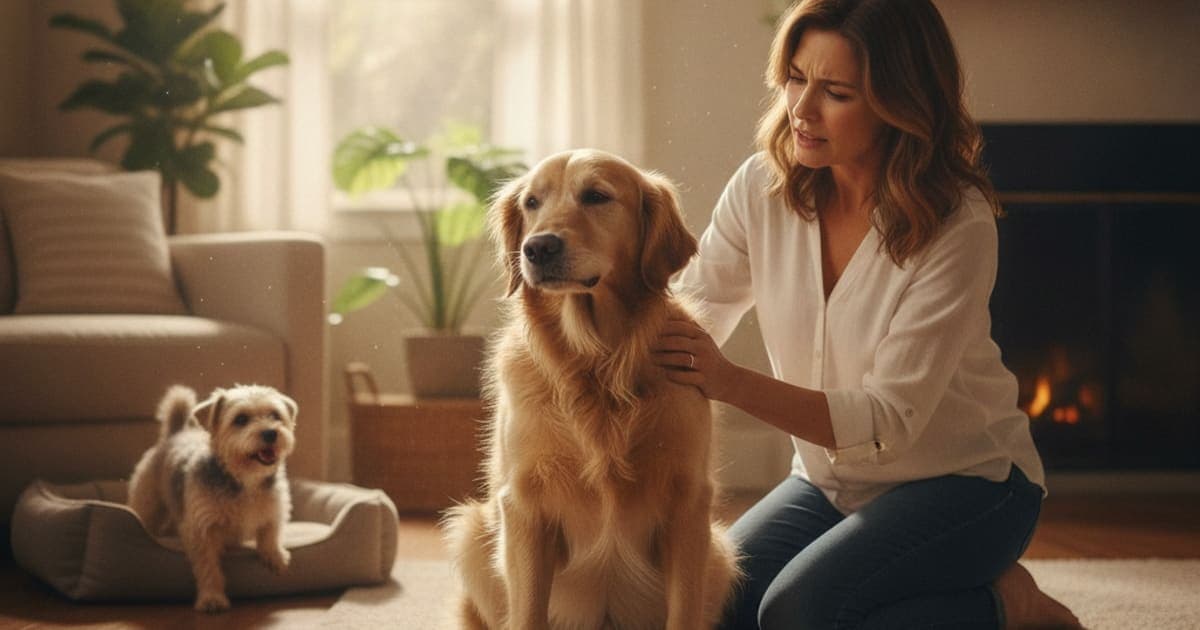
Dog wheezing after eating is most often an upper airway event. Food, water and air are moving past a narrowed or irritated throat, soft palate or windpipe, rather than through a problem deep in the lungs. In many dogs the episode is brief and tied to eating too fast, a sensitive soft palate, or a bout of reverse sneezing that sounds far worse than it is.
It can also signal something that needs help right away. If your dog is wheezing and also has blue, grey or pale gums, is breathing with an open mouth while at rest, is gagging without producing anything, is panicking, or collapses, go to an emergency veterinary clinic now. Wheezing that comes with blue or grey gums, open-mouth breathing in a resting dog, or sudden collapse is an emergency, and it needs an emergency veterinarian immediately, not an appointment in the morning. Suspected choking and any wheeze that worsens over minutes belong in the same category.
What a wheeze actually is, and where the noise comes from
A wheeze is the sound of air squeezing through a passage that has become narrower than it should be. The narrowing can sit anywhere from the nostrils to the small airways in the lungs, and the location changes what you hear.
Noise from the nose tends to be snorty, snuffly or whistling, and it often comes with sneezing. Owners searching for why their dog is wheezing through the nose are usually describing nasal or throat-level sound rather than true lung wheeze. Noise from the voice box and windpipe is harsher and often shows up as a honking cough or a raspy inhale. True lower airway wheezing is a higher, musical sound heard mostly on the way out, and it is the kind a veterinarian is most likely to pick up with a stethoscope rather than from across the room.
Reverse sneezing deserves its own mention because it sends so many owners into a panic. The dog stands still, extends the neck, and makes rapid, snorting, honking inhales for several seconds. It is a spasm of the throat and soft palate, it typically stops on its own, and dogs are usually normal immediately afterwards. It is not the same as a wheeze, though the two can look alike in a phone video.
Anatomy matters here. Flat-faced breeds carry narrowed nostrils, a long soft palate and a smaller windpipe as a matter of build, which is why they snort and wheeze more readily during meals, play and warm weather. Small breeds are more prone to weakness in the tracheal cartilage, which produces that classic honking sound. Breed does not make noisy breathing normal, but it does help your vet weigh what is likely.
When noisy breathing cannot wait until morning
Call a veterinarian immediately, or head straight to an emergency clinic, if any of the following appear alongside the wheezing:
- Gums or tongue that look blue, grey, purple or very pale
- Open-mouth breathing in a dog that is not hot or exercising
- Breathing with obvious effort, flared nostrils, or the belly heaving with each breath
- Standing or sitting with elbows out and neck stretched, refusing to lie down
- Gagging, pawing at the mouth or retching with nothing coming up
- Collapse, stumbling or loss of consciousness, even briefly
- Coughing up foam or fluid after choking on food or water
- Noisy breathing that appears suddenly in a dog who has never made that sound
Food or water that goes down the wrong way can be inhaled into the lungs, and the signs of aspiration may build over hours rather than appearing instantly. If your dog choked badly during a meal and then seems quiet, feverish or off their food later that day, that is a reason to be seen, not a reason to wait.
Trigger by trigger: what the timing tells you
The single most useful thing an owner can do is notice exactly when the noise happens. Timing narrows the list faster than almost anything else.
After eating or drinking
Fast eating pulls air and food past the soft palate in a rush, which can set off a wheeze, a snort or a reverse sneeze within seconds. Dogs who gulp water the same way often do the same thing, which is why so many owners notice wheezing after drinking water and not at any other time. A slow feeder bowl, smaller portions and a quieter feeding spot all reduce the gulping that provokes the episode, and they cost nothing to try.
If the noise happens with every meal, lasts longer than a few seconds, or comes with gagging, retching or food coming back up, treat that as a reason to book a visit. Swallowing problems, throat irritation and laryngeal weakness can all present as mealtime noise, and they are diagnosed in a clinic, not from a bowl change.
When excited or greeting visitors
A dog wheezing when excited is usually breathing fast through an airway that is already a little tight. Excitement raises airflow, and any narrowing that is silent at rest becomes audible. Collar pressure makes it worse, which is why switching to a harness often quiets a dog who wheezes at the front door. Episodes of excited wheezing that resolve within a minute of calming down are common. Episodes that leave the dog tired, blue-tinged or unable to settle are not.
After playing or during a walk
Exertion raises both the volume and speed of airflow. A dog wheezing after playing, or wheezing partway through a walk, is telling you that something limits airflow when demand rises. That might be a narrow upper airway, weakness in the voice box, chronic airway inflammation, or simply a very enthusiastic dog in a warm environment. Pay attention to recovery time. Noise that fades within a minute or two of stopping is different from noise that persists while the dog is resting in the shade.
In cold weather
Cold, dry air irritates airway linings and can trigger coughing and wheezing in dogs the way it does in people. A dog wheezing in cold weather often settles once indoors and warm. Shortening outdoor time in hard frost, avoiding sprints in freezing air, and letting the dog warm up before exercise all reduce the trigger.
In heat and humidity
Heat is the trigger that most deserves respect. Panting is how dogs shed heat, so hot weather forces huge volumes of air through the upper airway, and swelling of the throat tissues can follow. A dog wheezing from heat, especially a flat-faced dog, can move from noisy to genuinely struggling quickly. Get the dog into shade and cool air, offer water, and if the noise does not settle rapidly or the dog looks distressed, this is an emergency visit.
After anesthesia or surgery
A breathing tube sits in the windpipe during anesthesia, and mild throat irritation afterwards is a recognised consequence. Mild hoarseness or an occasional cough in the first day or two is something your surgical team will have warned you about, and it should be improving, not worsening. Any wheeze after an anesthetic that is getting louder, is paired with effortful breathing, or appears days later should go straight back to the practice that performed the procedure. They know what was done and what to look for.
Through the nose, with sneezing
Wheezing from the nose that comes with sneezing points upstream. Seasonal and environmental allergens, dust, smoke, scented cleaners and air fresheners all irritate nasal tissue. A dog wheezing from allergies often also rubs the face, has watery eyes, or licks the paws. Sudden violent sneezing with one-sided nasal discharge after a walk through long grass raises the question of an inhaled grass seed, which needs veterinary removal rather than time. Nasal mites and infections also belong on that list.
A quick trigger map to bring to the appointment
| When the noise happens | Usual source | What it tends to sound like | How urgent |
|---|---|---|---|
| Seconds after a meal or big drink | Soft palate, throat, gulping air | Snorting, honking, reverse sneeze | Low if brief, higher if every meal |
| Greeting people, excitement | Upper airway under high airflow | Raspy inhale, snorting | Low if it stops when calm |
| Mid-play or mid-walk | Upper airway or lower airways under demand | Whistle or rasp that eases with rest | Vet visit if recovery is slow |
| Cold, dry air | Irritated airway lining | Cough then wheeze, settles indoors | Low, mention at next visit |
| Hot or humid conditions | Heat-driven airway swelling | Loud, laboured, with heavy panting | Treat as urgent |
| First days after anesthesia | Throat irritation from intubation | Hoarse, occasional cough | Call the surgical practice |
| With sneezing and nasal discharge | Nose and nasal passages | Snuffly, whistling, one-sided | Vet visit, same week |
What your veterinarian will actually do
Start by filming an episode on your phone. Noisy breathing has a habit of stopping the moment you reach the clinic, and a clear video of the sound, the posture and the duration is often the most valuable piece of information in the room.
From there, an exam usually includes listening to the chest and the throat separately, checking gum colour, watching breathing effort at rest, and feeling the windpipe. Depending on what that turns up, your vet may recommend chest and neck imaging, bloodwork, an examination of the airway under sedation, or sampling of airway fluid. Some causes, like a narrowed soft palate or a weak voice box, are identified by direct visualisation. Others, like chronic airway inflammation or infection, need imaging and lab work. Your vet may prescribe medication, recommend weight management, or discuss a surgical opinion where the airway structure itself is the problem. Those decisions sit with the person who has examined your dog.
Talk to your veterinarian about any breathing noise that is new, getting louder, lasting longer, or happening more often. Owners frequently underestimate gradual change, because a sound you hear every day stops registering as unusual.
What to track between now and the appointment
Write down what you see. A short log beats memory every time.
- The exact moment the noise starts: meal, drink, excitement, exercise, sleep, temperature change
- How long each episode lasts and what ends it
- Whether the noise is on the way in, the way out, or both
- Gum colour during an episode if you can safely check
- Posture: lying down normally, or neck stretched with elbows out
- Any sneezing, nasal discharge, coughing, gagging, or voice change
- Exercise tolerance compared with a month ago
- Whether the dog has gained weight, since extra weight loads an already tight airway
Key Takeaways
- Wheezing after eating or drinking is most often an upper airway event linked to gulping, soft palate anatomy or reverse sneezing, and timing is your best diagnostic clue.
- Blue, grey or pale gums, open-mouth breathing at rest, collapse or worsening effort mean emergency care right now.
- Excitement, exertion, cold air, heat and nasal irritants all raise airflow or inflame tissue, which makes a mild narrowing audible.
- Heat-related wheezing in flat-faced dogs escalates fast and should be treated as urgent.
- Mild hoarseness in the first days after anesthesia is recognised, but anything worsening goes back to the practice that performed the procedure.
- Slow feeders, harnesses instead of collars, and avoiding dusty or scented air reduce common triggers without masking anything.
- Film an episode and bring a written log, because the sound rarely performs on cue in the exam room.
For plain-language background on other canine health topics, pawgen maintains an educational library at https://pawgen.com/conditions/.
Your veterinarian owns the diagnosis and the treatment plan. Breathing noise is one of the few signs where the difference between harmless and dangerous is measured in minutes, so when in doubt, have your dog seen rather than waiting to see whether the sound comes back.
Frequently asked questions
- Why does my dog wheeze after drinking water?
- Fast gulping pulls water and air past the soft palate together, which can trigger a brief snort, wheeze or reverse sneeze. Smaller, more frequent water offerings and a slower drinking setup often reduce it. If your dog coughs hard, gags or seems distressed after drinking, have a vet check for a swallowing or throat problem.
- Is my dog wheezing or reverse sneezing?
- Reverse sneezing is a burst of rapid, snorting inhales, usually with the neck extended and the body still, and it stops on its own within seconds. A true wheeze is a more continuous whistling or raspy sound that follows the breathing cycle. Filming the episode is the fastest way for your vet to tell the difference.
- Why does my dog wheeze when excited?
- Excitement increases how fast and how much air moves through the airway, so a narrowing that is silent at rest becomes audible. Collar pressure makes it worse, and many owners find a harness quiets it. Episodes that stop within a minute of calming are common, but ones that leave your dog exhausted or blue-tinged need urgent veterinary attention.
- Can allergies cause wheezing in dogs?
- Yes. Environmental allergens, dust, smoke and scented products irritate nasal and airway tissue, and that irritation can produce sneezing, snuffly nasal noise and wheezing. Allergic dogs often also rub the face, lick the paws or have watery eyes. Your vet can help separate allergic irritation from infection, inhaled foreign material or airway disease.
- Why does my dog wheeze in cold weather?
- Cold, dry air irritates the lining of the airways and can provoke coughing and wheezing, much as it does in people. It usually settles once the dog is indoors and warm. Shorter outings in hard frost and a gentle warm-up before running both help. Noise that persists indoors deserves a veterinary exam.
- Is wheezing after anesthesia normal?
- Mild throat irritation and hoarseness in the first day or two after a breathing tube is used during anesthesia is a recognised effect, and it should be improving rather than worsening. Any wheeze that gets louder, comes with effortful breathing, or starts several days later should be reported straight back to the practice that performed the procedure.
- My dog is wheezing through the nose and sneezing. What does that mean?
- Noise coming from the nose with sneezing points to the nasal passages rather than the lungs. Allergens, dust and irritants are common causes. Sudden violent sneezing with discharge from one nostril, especially after walking through long grass, raises the possibility of an inhaled grass seed, which needs veterinary removal rather than waiting.
- Does a slow feeder bowl help with wheezing after meals?
- It often reduces the gulping that triggers the episode, because the dog takes in less air with each mouthful. Smaller portions and a calm, unhurried feeding spot help too. These changes address a trigger, not a diagnosis, so if the wheezing happens at every meal, book a veterinary exam as well.
- When is wheezing in a dog a true emergency?
- Go to an emergency veterinary clinic immediately if your dog has blue, grey or pale gums, is breathing with an open mouth at rest, is using the belly heavily with each breath, refuses to lie down, collapses, or is gagging with nothing coming up. Heat-related wheezing in flat-faced breeds should also be treated as urgent.
Educational content, not veterinary advice. Ask your vet about your dog.