Hemorrhagic Gastroenteritis in Dogs Treatment: What Vets Do
Hemorrhagic gastroenteritis is a reason to see a vet today. Treatment is vet care built around fluids through a drip, with medicine for nausea and pain, tests to find the cause, and antibiotics when your vet decides they are needed.
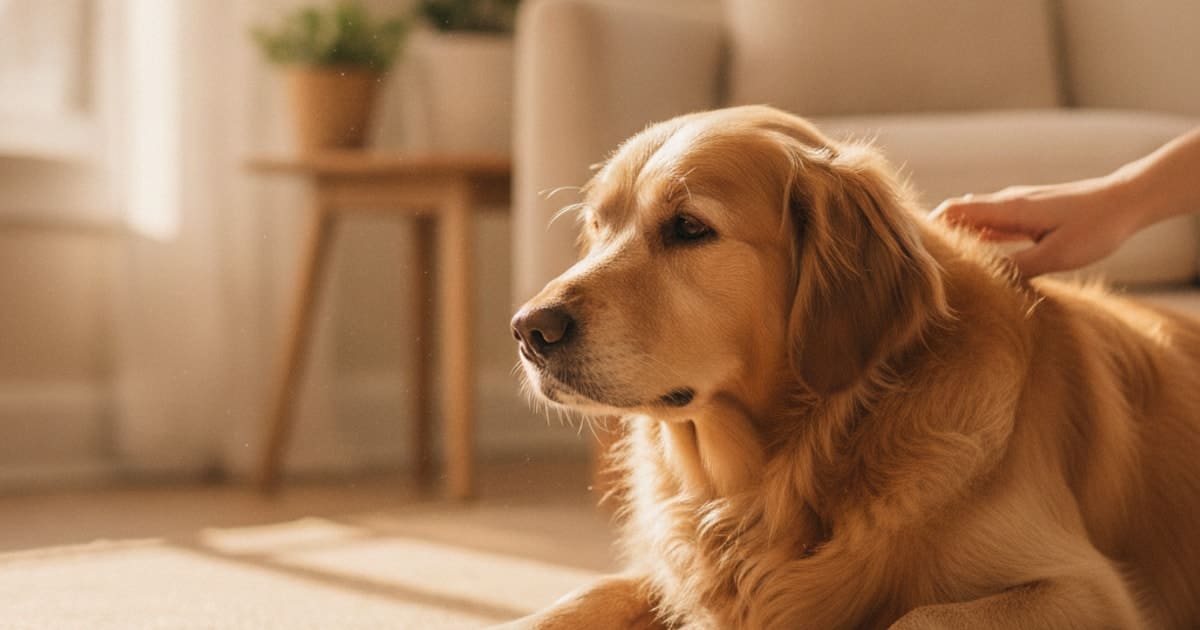
Hemorrhagic gastroenteritis is a reason to see a vet today, and hemorrhagic gastroenteritis in dogs treatment is vet care built around fluids. Go to an emergency vet now if your dog is weak, wobbly or collapses, vomits again and again or cannot keep water down, passes a large amount of blood or red, jelly-like diarrhea, or is dull and hard to rouse; otherwise book a same-day appointment. Hemorrhagic gastroenteritis, which vets also call HGE, is sudden vomiting and bloody diarrhea from a leaky, inflamed gut lining, and it can drain fluid from your dog's body within hours. There is no home cure and nothing to give from the cupboard: the way to stop it is to get your dog to a vet, who replaces the lost fluid, calms the stomach and gut, and looks for the cause.
When to go to the vet now
- Your dog is weak, wobbly or collapses.
- Your dog vomits again and again or cannot keep water down.
- Your dog passes a large amount of blood or red, jelly-like diarrhea, or there is blood in the vomit.
- Your dog is dull, very quiet or hard to rouse.
What can cause hemorrhagic gastroenteritis
The exact cause of hemorrhagic gastroenteritis is not always found, even after a full set of tests. Vets describe it as a sudden, severe inflammation of the stomach and intestines in which the gut lining becomes leaky. Fluid, protein and blood pass from the body into the bowel, which is what makes the diarrhea bloody and what pulls water out of the blood vessels. Because the cause can stay unclear, the vet treats the dog in front of them first and looks for answers alongside, rather than holding treatment back until a cause is named.
Possible triggers your vet may consider include bacteria in the gut and the toxins some of them release. Clostridium perfringens is one of the bacteria vets look at in a dog with a bleeding gut, and a stool test may help show whether it is present in large numbers. Other possibilities include a sudden change of food, eating rubbish or spoiled food, a reaction in the gut to something in the diet, and stress, such as boarding, travel or a change at home. If your dog ate rubbish, spoiled food or anything unusual before getting sick, call your vet now and say so. None of these triggers can be confirmed by looking at your dog or at the stool: your vet weighs them against the exam and the test results.
Bloody vomiting and diarrhea do not come only from hemorrhagic gastroenteritis, so your vet also checks for other problems that can look much the same. These include parvovirus, gut parasites, a swallowed object blocking the bowel, inflammation of the pancreas, a hormone problem of the adrenal glands called Addison's disease, a bleeding or clotting problem, and some cancers of the gut. Poisoning is on the list too. Some poisons, such as rat and mouse bait, cause bleeding inside the body, and some human medicines can damage the stomach lining. If there is any chance your dog got into bait, a medicine, a plant or a household chemical, call your vet or an animal poison control service now.
This is why the cause is not something to work out at home. Bloody diarrhea from hemorrhagic gastroenteritis, from parvovirus and from poisoning can look alike, and each one needs a different plan. Your dog's age, vaccination history, diet, recent stress, other health problems and anything they may have eaten all help your vet narrow the list. A puppy that has not finished its vaccinations may need a parvovirus test straight away, and the clinic may ask you to come in by a side door or stay with your dog away from the waiting room so other dogs are not exposed.
Hemorrhagic gastroenteritis can affect a dog of any size or age. A small dog has less fluid in its body to start with, so it has less to lose; do not wait with a small dog, a puppy or an older dog. You can read about other gut conditions your vet may look into in the dog conditions library.
What your vet may do
Your vet starts with a full exam. That includes your dog's heart rate and pulse, temperature, the colour and moisture of the gums, how the skin and eyes reflect hydration, and a gentle feel of the belly for pain, gas, a mass or anything that should not be there. The vet may also check the back end and take a stool sample. A vet exam may help find the cause and shows how much fluid your dog has lost, which guides how quickly fluids need to start.
Blood tests come next. A quick test of how concentrated the blood is, read together with the protein level, can point your vet toward hemorrhagic gastroenteritis, because the blood thickens as fluid leaks into the gut while protein may stay low or drop. A fuller blood panel checks the kidneys, liver, blood sugar and salts such as potassium. Your vet may also run a parvovirus test, a stool test for parasites and bacteria, clotting tests, and an x-ray or ultrasound of the belly to look for a blockage or another cause. Some of these results are ready at the clinic and some go to an outside lab.
Hemorrhagic gastroenteritis can move fast. A dog can go from bright to weak within hours as fluid leaks into the gut, and very thick blood strains the heart and kidneys. That is why your vet starts fluids early and does not hold them back while waiting for every test result.
Fluids are the centre of hemorrhagic gastroenteritis treatment. Your vet places a thin tube called a catheter into a vein in a leg and runs fluid in through a drip. The fluid replaces what has been lost into the gut, supports blood pressure and keeps blood flowing to the kidneys and other organs. The vet adjusts the rate as the exam and repeat blood tests change. Fluid given under the skin can be too slow for a dog losing fluid fast, which is why a dog with hemorrhagic gastroenteritis may need to stay in the hospital on a drip. A dog that is very weak or whose protein has dropped may need more intensive care, which can include plasma or a blood transfusion.
Alongside fluids, your vet may give medicine for nausea and vomiting, pain relief for a sore belly, and medicine that protects the lining of the stomach and gut. While your dog is vomiting, these go in by injection or through the drip; once your dog keeps food down, your vet may switch to tablets or liquid. Every medicine is one your vet prescribes and chooses for your dog. Do not give human medicines or anything left over from an earlier illness, because some can damage the gut further or hide signs your vet needs to see.
Antibiotics are not part of the plan for every dog with hemorrhagic gastroenteritis. Because the gut lining is damaged, your vet weighs whether bacteria may be crossing from the bowel into the blood. If your dog has a fever, a white blood cell count that is too low or too high, signs of infection in the blood, or a weak immune system, your vet may give antibiotics through the drip. Some vets prescribe an antibiotic aimed at gut bacteria for bloody diarrhea, and others hold back when a dog is stable, because antibiotics can also upset the helpful bacteria in the gut. Whether your dog needs one, and which one, is your vet's decision. Ask your vet why they have or have not chosen an antibiotic, and talk to your vet before giving any tablet, including one you have in the house.
While your dog is vomiting, your vet may hold back food for a short time, then bring back a bland, easy-to-digest diet in the clinic. Getting food back into the gut may help the lining heal, so the vet decides the moment and the food rather than leaving your dog without food for long. Your vet can tell you what to feed when your dog comes home, along with how much and how often, and whether a prescribed gut diet is part of the plan.
There is no separate treatment for the bloody, jelly-like stool. It comes from the damaged gut lining, so the fluids, medicine and food plan are the treatment for the stool too. Your vet may ask for a fresh stool sample; bring one if you already have it, but do not delay the trip to collect it.
Your vet decides between a hospital stay and going home with medicines, based on the exam and blood results. A dog that keeps water down and has lost less fluid may go home with medicines your vet prescribes and a food plan. A dog that is losing fluid fast, keeps vomiting or is weak may stay on a drip so the team can repeat blood tests, track fluid in and out, and change treatment as needed. If parvovirus has not yet been ruled out, your dog may be kept in an isolation ward. Hemorrhagic gastroenteritis is treated with vet care rather than a single cure, and your vet decides when your dog is ready to go home and explains each medicine and the food plan before you leave. Talk to your veterinarian about any part of the plan that is unclear.
Once home, give only the medicines your vet sends home, exactly as the label says. Call your vet again straight away if vomiting or bloody diarrhea comes back, or if you notice weakness or a refusal to drink, and go to an emergency vet now if your dog collapses. For a wider guide to signs that need urgent care, read Dog Emergency Signs.
What to tell your vet
- When you first noticed the vomiting or bloody diarrhea, and whether it came on suddenly.
- Any change since then, such as more vomiting, more blood or your dog getting quieter or weaker.
- How much bleeding you have seen in the stool or vomit, and whether the stool looks like red jelly.
- Any licking at the back end or belly, or straining to pass stool.
- Other signs, such as refusing food or water, plus any recent diet change, stress, anything your dog may have eaten, vaccinations and medicines your dog takes.
Frequently asked questions
- Is hemorrhagic gastroenteritis an emergency in dogs?
- Yes, because it can drain fluid from your dog's body within hours. Go to an emergency vet now if your dog is weak, wobbly or collapses, vomits again and again or cannot keep water down, passes a large amount of blood or red, jelly-like diarrhea, or is dull and hard to rouse. Otherwise, book a same-day vet appointment.
- What should I do if my dog has hemorrhagic gastroenteritis?
- Call your vet today and describe the vomiting, the bloody diarrhea and any weakness. Plan for your dog to be seen the same day, because fluid loss can build quickly. If your dog is weak, collapses, cannot keep water down or is passing a lot of blood, go to an emergency vet now instead.
- Can I treat hemorrhagic gastroenteritis at home?
- No, because a dog with hemorrhagic gastroenteritis needs fluids, tests and medicine that only a vet can give. Do not give any medicine, and do not put anything on your dog or remove anything before the vet sees them. For any outside bleeding, use only gentle pressure with a clean cloth on the way to the vet.
- How is hemorrhagic gastroenteritis in dogs treated?
- Vets treat hemorrhagic gastroenteritis mainly with fluids through a drip into a vein, to replace the fluid lost into the gut. Alongside that, your vet may give medicine for nausea, pain relief, gut protectants and, in some dogs, antibiotics. Blood tests are repeated to guide the plan, and your vet decides when food comes back.
- What causes hemorrhagic gastroenteritis in dogs?
- The exact cause is not always found. Possibilities your vet considers include gut bacteria and the toxins they make, a sudden diet change, eating rubbish or spoiled food, and stress. Your vet also rules out parvovirus, parasites, a blockage, poisoning and clotting problems, which can cause bloody diarrhea too and need a different plan.
- Do dogs with hemorrhagic gastroenteritis need antibiotics?
- Not always, because antibiotics are kept for dogs where the vet is concerned that bacteria are crossing from the damaged gut into the blood, or where tests point to infection. Some vets prescribe an antibiotic aimed at gut bacteria for bloody diarrhea. Whether your dog needs one, and which one, is your vet's decision, so never give leftover tablets.
- What medicine do vets give for hemorrhagic gastroenteritis?
- The main treatment is fluid through a drip, not a tablet. Medicines your vet prescribes may include something for nausea and vomiting, pain relief, medicine that protects the stomach and gut lining, and antibiotics when the vet decides they are needed. Never give human medicines, as some can harm the gut further.
- Does a dog with hemorrhagic gastroenteritis need to stay in the hospital?
- It depends on what the exam and blood tests show. A dog that has lost a lot of fluid, keeps vomiting or is weak may need to stay on a drip for repeat tests and closer care. A dog that keeps water down and has lost less fluid may go home with medicines and a food plan.
- What should my dog eat after treatment for hemorrhagic gastroenteritis?
- Your vet can tell you what to feed, how much and how often once your dog comes home. A bland, easy-to-digest diet or a prescribed gut diet may be part of the plan. Do not switch foods or add treats or table scraps without asking, and call your vet again straight away if vomiting or bloody diarrhea comes back.
Educational content, not veterinary advice. Ask your vet about your dog.