How Do You Get Rid of Flea Dirt on Dogs? (Step by Step)
You get rid of flea dirt by bathing your dog in warm water with a gentle shampoo, combing the damp coat with a fine-toothed flea comb into soapy water, and then treating the fleas and the home so it stops coming back. Flea dirt returns until the life cycle is broken.
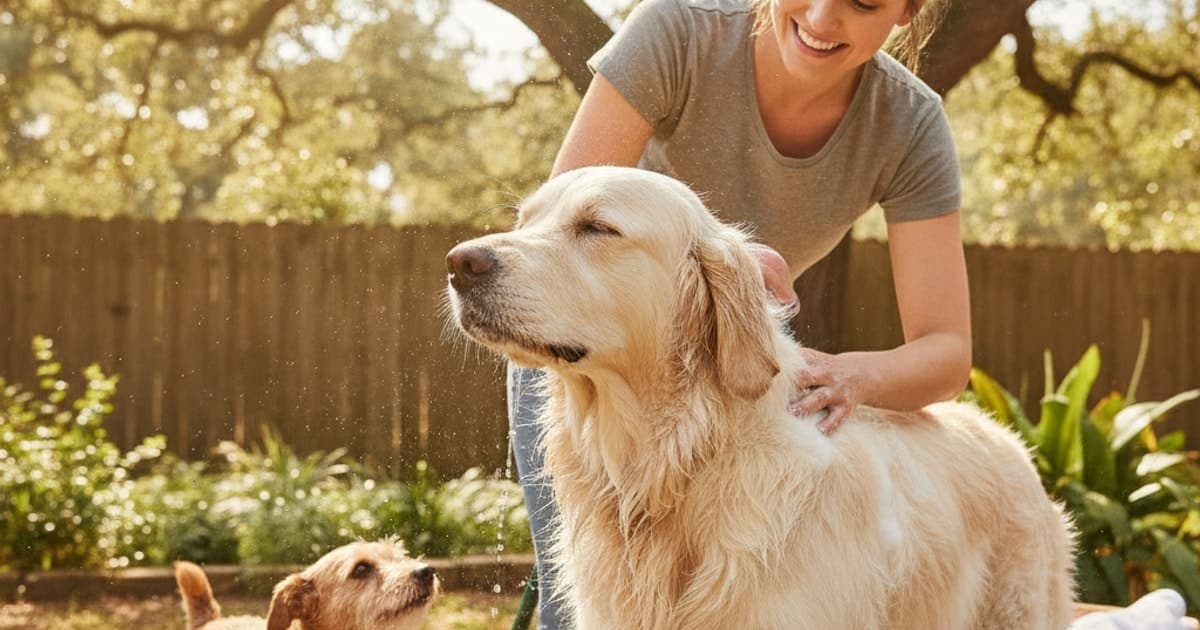
You get rid of flea dirt by washing and combing it out of the coat, then removing the fleas that are producing it. In practice that means a warm bath with a gentle, dog-safe shampoo, a fine-toothed flea comb worked through the damp coat and rinsed into a bowl of soapy water after every pass, a full rinse, and then daily combing for the following few weeks while you clean the house and keep your dog on a vet-recommended flea preventive. Flea dirt is flea feces, mostly digested blood, so it reappears as long as live fleas are feeding. Scrubbing the specks off is the easy half. Breaking the flea life cycle in your home is the half that actually finishes the job.
You can remove every speck tonight and see more by the weekend unless the fleas, the eggs and the environment are handled at the same time.
What those black specks actually are
Flea dirt looks like coarse black pepper or tiny dark commas sitting down at the skin, most often along the lower back, the base of the tail, the belly and the groin. It is not soil, not dried mud and not ordinary dandruff. It is what passes through a flea after a blood meal, which is why it is so dark and why it behaves the way it does when it gets wet.
The test is simple and takes a minute. Comb or brush some of the debris onto a white paper towel, then add a drop or two of water. Flea dirt dissolves into a rusty red or reddish brown smear because of the digested blood in it. Regular dirt stays grey or brown and does not bleed colour. Dry skin flakes are usually pale and flatten rather than streak.
If you see the rust-coloured smear, you have fleas, even if you never spot an adult flea on the dog. Adults are fast, they hide in dense coat, and a dog who grooms heavily can swallow most of the ones you would have found. The droppings are easier to catch than the insect.
One more thing worth knowing: those specks are also flea food. Flea larvae living in carpet fibres and bedding seams feed on flea dirt that falls off your dog. Every speck you remove and flush is one less meal supporting the next generation.
The bath and comb routine that clears a coat
This is the core answer to how to clean flea dirt on dogs, and the order matters.
- Comb before the bath. Work a fine-toothed flea comb slowly through dry coat, from the skin outward, in small sections. Keep a bowl of hot soapy water beside you and dunk the comb after each pass. Soapy water kills what you catch and stops fleas jumping back.
- Bathe in warm water with a gentle shampoo. Wet the coat thoroughly, lather from the neck down so fleas do not retreat to the head, and let the lather sit a few minutes before rinsing. A plain dog shampoo is enough to loosen and float off flea dirt. Ask your veterinarian before using any medicated or insecticidal shampoo, especially on puppies, pregnant or nursing dogs, or a dog with broken skin.
- Rinse until the water runs clear. Flea dirt stains the rinse water a dirty rust colour. Keep going until that colour is gone.
- Comb again while damp. This is when most of the remaining debris comes out. Damp coat separates, and the comb teeth reach the skin properly.
- Towel dry and inspect. Check the belly, the inside of the thighs and the base of the tail under good light.
- Comb daily for the next two to three weeks. New flea dirt appearing is information, it tells you fleas are still hatching and feeding.
Short-coated dogs usually clear in one bath plus follow-up combing. Thick double coats take longer, and a professional groomer can be worth the money simply because they can get a comb to skin level on a dog you cannot.
Do not bathe repeatedly in a short window hoping to speed it up. Over-washing strips coat oils and leaves already-irritated skin worse off. Combing is the tool you can use daily without cost to the skin.
Belly, groin, armpits and the base of the tail
Flea dirt concentrates where the coat is thin and the skin is warm, which is exactly where it is hardest to work. On the belly, lay your dog on their side or ask a second person to steady them, then use a soft cloth soaked in warm water and a little gentle shampoo and wipe in the direction of hair growth. Thin skin there does not tolerate scrubbing. Patience beats pressure.
The groin and armpits are the same job with less room. A damp microfibre cloth, worked gently and rinsed often, lifts flea dirt off bare or sparse skin without needing a full bath. Some dogs will accept a flea comb here, many will not.
The base of the tail and the lower back are the classic hotspots and also the itchiest spots on a dog with flea allergy dermatitis. If the skin there is red, scabbed, thickened or losing hair, stop treating it as a grooming problem and book a veterinary appointment. Flea allergy in dogs is driven by a reaction to flea saliva, and a small number of bites can set off a large response. That needs a diagnosis and a treatment plan, not a longer bath.
Home approaches worth your time, and ones worth skipping
Plenty of advice circulates about how to get rid of flea dirt on dogs naturally. Some of it is genuinely useful for the cleaning task. Some of it does nothing, and a few popular suggestions can hurt.
| Approach | What it actually does | Verdict |
|---|---|---|
| Fine-toothed flea comb plus soapy water | Physically removes flea dirt, adult fleas and eggs | The single most useful home tool |
| Warm bath with plain dog shampoo | Loosens and rinses away flea dirt, soothes coat | Core step, do not overdo the frequency |
| Damp microfibre cloth on belly and groin | Lifts debris off thin skin without a full bath | Good for spot cleaning between baths |
| Washing bedding on hot and drying hot | Kills eggs, larvae and pupae in fabric | Essential, repeat weekly during a breakout |
| Vacuuming carpets, seams, skirting and under furniture | Removes eggs, larvae and the flea dirt they feed on | Essential, empty the canister outside each time |
| Diluted apple cider vinegar rinse | May loosen debris slightly, does not kill fleas | Harmless on intact skin, not a flea control measure |
| Dish soap baths | Strips coat oils aggressively | Skip, use a dog shampoo instead |
| Essential oils applied to coat | Several are irritating or toxic to dogs | Skip unless your vet specifically clears it |
| Diatomaceous earth on the dog | Dusty, drying, inhalation risk | Skip on the animal |
| Garlic, brewer's yeast and similar feed-through remedies | No reliable evidence of flea control, garlic is unsafe for dogs | Skip |
The honest summary on home remedies for flea dirt on dogs is this: home methods are excellent at the removal half and poor at the control half. Combing, bathing, laundry and vacuuming clear what is already there. Stopping the cycle takes a proper flea preventive, and that choice belongs with your veterinarian, who will weigh your dog's weight, age, health history and any other medication before recommending one.
If you want to clear flea dirt without a bath at all, perhaps because your dog hates water or has a wound or a cast, combing plus damp cloth wiping gets you most of the way there. It just takes more sessions.
Why flea dirt is still showing up after treatment
This is the most common follow-up question, and the answer is reassuring. Finding flea dirt on your dog after treatment usually does not mean the treatment failed.
First, dead fleas and old droppings stay in the coat until they are physically removed. A preventive kills fleas, it does not vacuum the coat.
Second, and more importantly, the dog is only part of the infestation. The majority of a flea population exists in the environment as eggs, larvae and pupae, not as adults on the animal. Pupae are protected inside a cocoon and can sit dormant in carpet and floor cracks for weeks, emerging in waves triggered by warmth and vibration. New adults keep hatching into your home and jumping on your dog, where the preventive meets them. So you keep seeing small amounts of fresh flea dirt even while the product is working.
That is why control is measured in weeks, not days. Keep combing daily, keep the laundry and vacuuming going, and treat every pet in the household rather than only the one who is scratching. If flea dirt volume is not dropping after several weeks of consistent treatment, or your dog is losing hair, has open sores, pale gums, or seems lethargic, call your veterinarian. Heavy flea burdens can cause anaemia in small dogs and puppies, and fleas can carry tapeworm.
After the infestation: coat, skin and comfort
Once the fleas are gone, most dogs rebuild coat condition on their own over a few weeks. Keep grooming gentle, keep nutrition consistent, and give irritated skin time. Your vet can advise on anything topical if the skin stays inflamed.
It is worth being clear about what supplements are and are not for, because flea season is when owners get sold a lot of things. Parasite control is a veterinary medication question, full stop. pawgen makes K9-REPAIR, a BPC-157 and TB-500 peptide formulation for dogs that owners use around joint, tendon and mobility recovery. It is not a flea product, it has no role in parasite control, and BPC-157 and TB-500 are not FDA-approved veterinary drugs. pawgen publishes third-party certificates of analysis for what it sells, which is the kind of transparency worth demanding from any brand you buy from, particularly the underdosed kitchen-sink chews that list twenty ingredients and quantify none of them.
Key Takeaways
- Flea dirt is flea feces. The white paper towel test confirms it: add water and it smears rust red.
- Removal is a bath with gentle dog shampoo plus a fine-toothed flea comb rinsed into soapy water, followed by daily combing.
- Belly, groin, armpits and the tail base need a damp cloth and patience rather than scrubbing.
- Combing, laundry on hot and thorough vacuuming are the home measures that earn their place. Essential oils, dish soap, diatomaceous earth and garlic do not.
- Flea dirt after treatment is normal for several weeks because most of the infestation lives in your home, not on your dog.
- Red, scabbed or hair-losing skin, pale gums or lethargy means a veterinary appointment, not another bath.
More background on what pawgen makes and how it is tested is available through the certificates of analysis and the product range, and shipping coverage is listed on the location page.
Your veterinarian owns the diagnosis and the treatment plan here. They identify whether the itching is fleas alone or flea allergy dermatitis or something else entirely, they choose the preventive that suits your dog's age, weight and health, and they decide what medication, if any, is needed. Grooming, cleaning and supplements work in the space that proper veterinary care creates, never in place of it.
Owners exploring peptide support for their dog can review K9-REPAIR, BPC-157 + TB-500 formulated for dogs, at https://pawgen.com/. BPC-157 and TB-500 are not FDA-approved veterinary drugs. Nothing in this article treats, cures or prevents any condition; every decision about your dog's care belongs with your veterinarian.
Frequently asked questions
- How do you get rid of flea dirt on dogs?
- Bathe your dog in warm water with a gentle dog shampoo, then work a fine-toothed flea comb through the damp coat, rinsing it in soapy water after every pass. Comb daily afterwards, wash bedding hot, vacuum thoroughly, and use a flea preventive recommended by your veterinarian.
- How do you get rid of flea dirt on a dog's skin?
- Work at skin level rather than coat level. Part the hair in sections and wipe the skin with a warm, damp cloth and a little gentle shampoo, moving with the hair growth. A flea comb reaches the skin best on damp coat. If skin is red, scabbed or sore, see your vet.
- How do you get rid of flea dirt on a dog's belly?
- The belly has thin, sensitive skin, so skip the comb and use a soft cloth soaked in warm water with a trace of dog shampoo. Wipe gently in the direction of hair growth, rinse the cloth often, and repeat in short sessions rather than scrubbing in one go.
- How do you get rid of flea dirt on dogs at home?
- At home, the effective combination is a warm bath with dog shampoo, daily flea combing into soapy water, washing all bedding on a hot cycle, and vacuuming carpets, seams and under furniture. Home cleaning removes flea dirt, but stopping the cycle needs a preventive chosen with your vet.
- How do you get rid of flea dirt on dogs without bathing them?
- Yes, it can be done without a bath. Comb the dry coat in small sections with a fine-toothed flea comb, dunking it in hot soapy water between passes, and spot-clean the belly and groin with a damp microfibre cloth. It takes more sessions than bathing but works.
- How do you clean flea dirt on dogs properly?
- Comb first, bathe second, comb again while the coat is damp, then rinse until the water runs clear of rust-coloured residue. Towel dry and inspect the belly, inner thighs and tail base under good light. Repeat combing daily for two to three weeks while treating the home.
- Why is there still flea dirt on my dog after treatment?
- Because most of a flea population lives in your home as eggs, larvae and pupae rather than on your dog. New adults keep hatching for weeks and jumping on. Old flea dirt also stays in the coat until combed out. Keep combing, laundering and vacuuming consistently.
- Is flea dirt harmful to my dog?
- Flea dirt itself is harmless debris, but it confirms live fleas, and those matter. Fleas can trigger flea allergy dermatitis, carry tapeworm, and in puppies or small dogs cause anaemia from blood loss. Pale gums, lethargy, hair loss or open sores warrant a veterinary visit promptly.
Educational content, not veterinary advice. Ask your vet about your dog.