How to Diagnose Diabetes in Dogs? (Tests and Vet Workup)
Diabetes in dogs is diagnosed by pairing clinical signs with two laboratory findings: persistently high blood glucose and glucose in the urine. Your vet typically runs a blood panel, a fructosamine test and a urinalysis, then screens for infections and other illnesses that can mimic or complicate the disease.
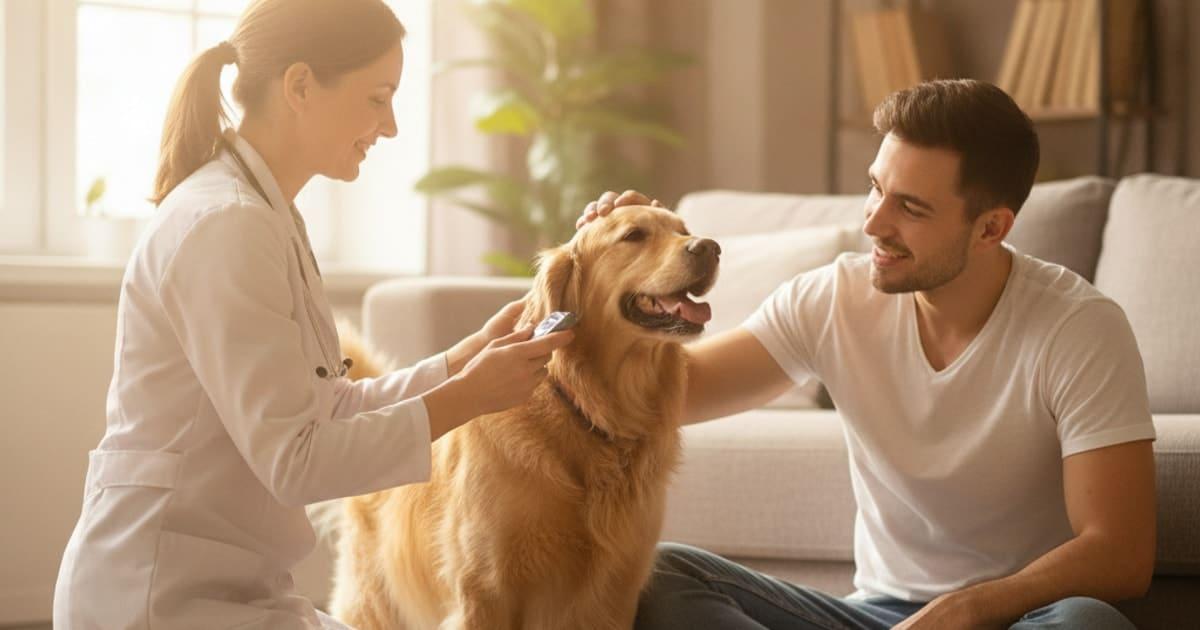
Diabetes in dogs is diagnosed by matching what you are seeing at home against two laboratory findings that have to appear together: a persistently raised blood glucose level and glucose spilling into the urine. If your dog has started drinking and urinating far more than usual, is losing weight while eating normally or eating more, or seems unusually flat, book a veterinary appointment now, and go to emergency care the same day if your dog is vomiting, refusing food, breathing oddly, wobbling or collapsing. Those last signs can mean diabetic ketoacidosis, which is an emergency rather than something to watch overnight.
The rest of this page walks through exactly what that workup looks like: the questions your vet asks, the samples they take, what each test measures, and how the results are read together to confirm or rule out diabetes.
The signs that usually prompt a diabetes workup
Most dogs are tested because something at home changed. The classic cluster is increased thirst, increased urination, increased appetite and weight loss happening at the same time. A house-trained dog may start asking to go out at night or having accidents indoors. The water bowl empties faster than it used to. The dog eats well, sometimes ravenously, yet the ribs and spine become easier to feel.
Other changes bring owners in too. Some dogs develop cloudiness in both eyes over a short period, because high blood sugar can affect the lens. Some have recurrent skin or urinary infections that keep coming back after each course of treatment. Some simply seem to have lost condition and energy, with a dull coat and less interest in walks.
None of these signs confirm anything on their own. Increased thirst and urination also belong to kidney disease, hormonal disorders and several other conditions, which is exactly why testing exists. What they do is give your vet a reason to look, and the earlier that happens the less likely it is that your dog arrives at the clinic already unwell.
What happens at the appointment, step by step
Expect the visit to begin with questions rather than needles. Your vet will want to know how long the changes have been going on, roughly how much your dog is drinking compared with before, what and how often your dog eats, whether there has been any vomiting or diarrhoea, what medications your dog is on, and for intact females, when she was last in season. Research suggests that the hormonal changes following a heat cycle can drive insulin resistance in some intact female dogs, so that question is not idle curiosity.
If you can, bring useful information with you. A rough measure of daily water intake, a note of when the signs started, a photo of your dog from a few months ago for body condition comparison, and a fresh urine sample collected that morning in a clean container all shorten the path to an answer.
Next comes the physical examination: body weight and body condition score, hydration status, a look at the eyes, a check of the skin and coat, abdominal palpation, temperature, heart and lungs. Your vet is building a picture and quietly looking for the other illnesses that can look similar or occur alongside diabetes.
Then the samples. A blood sample is drawn, usually from a front or hind leg, and a urine sample is collected either from the one you brought or by a sterile technique at the clinic. Some clinics can run the core results while you wait; others send samples to an external laboratory and call you with the findings. Fasting is sometimes requested beforehand, so ask when you book.
Blood work: glucose, fructosamine and the wider panel
The blood glucose measurement is the obvious starting point, and it is also the easiest to misread in isolation. A single raised reading can be caused by stress, by a recent meal, or by certain medications. That is why a diagnosis is almost never built on one number taken on one afternoon.
Fructosamine is the test that solves that problem. It measures glucose that has become bound to proteins circulating in the blood, and because those proteins turn over slowly, the result reflects the average blood sugar over the preceding weeks rather than the preceding minutes. A dog who was simply frightened in the waiting room will have a normal fructosamine. A dog whose glucose has genuinely been running high for some time will not.
Your vet will almost certainly run more than glucose. A complete blood count and a full biochemistry panel look at kidney values, liver enzymes, electrolytes, proteins and blood fats, because untreated diabetes affects multiple systems and because other diseases need to be excluded. Depending on the findings, further testing may follow: pancreatic markers if pancreatitis is suspected, thyroid testing, adrenal function testing if Cushing's syndrome is on the list, or blood pressure measurement and abdominal imaging.
Diabetes is confirmed when persistently raised blood glucose and glucose in the urine appear together in a dog showing matching clinical signs, not by a single high reading on its own.
Urinalysis: what the urine sample rules in and rules out
The urine test does something blood work cannot. The kidneys normally reclaim glucose before urine leaves the body, and only once blood glucose rises beyond a certain point does glucose begin to appear in the urine. Finding it there tells your vet that blood sugar has been high enough, for long enough, to overwhelm that mechanism.
A full urinalysis also checks concentration, protein, pH, blood, cells and crystals, and looks for signs of infection. Urinary tract infections are common in diabetic dogs and are easy to miss, because sugary urine is a hospitable place for bacteria and because some diabetic dogs show no obvious discomfort. If infection is suspected, a culture may be sent off to identify the organism and guide treatment.
The most urgent part of the urine test is the ketone check. When the body cannot move glucose into cells for fuel, it burns fat instead, and ketones accumulate. Ketones in the urine of a diabetic dog change the picture from an outpatient diagnosis to a potential emergency, and if your dog is also vomiting, dehydrated or weak, treatment usually begins immediately with hospitalisation and fluids rather than waiting for further results.
| Test | Sample | What it measures | What it tells your vet |
|---|---|---|---|
| Blood glucose | Blood | Sugar level at that moment | Whether glucose is high right now, and how high |
| Fructosamine | Blood | Average glucose over recent weeks | Whether a high reading is real or stress related |
| Urine glucose | Urine | Sugar spilling past the kidneys | Confirms sustained high blood sugar |
| Urine ketones | Urine | Fat breakdown products | Warns of ketoacidosis, which is urgent |
| Full blood panel | Blood | Organ values, electrolytes, blood fats | Finds complications and other diseases |
| Urine culture | Urine | Bacterial growth | Identifies hidden urinary infection |
Making sense of the results, including the look-alikes
When the two core findings line up with the signs you reported, the diagnosis is usually clear. When they do not, your vet works through the alternatives rather than guessing.
A high blood glucose with a normal fructosamine and no glucose in the urine points towards a transient rise rather than diabetes, and the sensible next step is a repeat test under calmer conditions. Glucose in the urine with normal blood glucose can point to a kidney problem affecting glucose reabsorption. Dramatic thirst and urination with entirely normal glucose results sends the investigation elsewhere, towards kidney disease, liver disease, hormonal conditions such as Cushing's syndrome, uterine infection in an unspayed female, or the far rarer forms of diabetes insipidus, which despite the shared name is not a blood sugar disorder at all.
It is also common for two things to be true at once. A dog can have both diabetes and pancreatitis, or diabetes and a urinary infection, or diabetes alongside an untreated hormonal condition that is making the blood sugar harder to control. That is why the panel is run broadly rather than narrowly, and why your vet may want to recheck some values once treatment is underway. If any part of the report is unclear, ask for it to be explained line by line. Good clinics expect that question.
After the diagnosis: monitoring, curves and follow-up
A confirmed diagnosis is the beginning of a management plan, not the end of the testing. Treatment for canine diabetes centres on insulin, together with a consistent feeding routine and steady daily exercise. Your veterinarian decides which products, which schedule and which diet fit your individual dog, and those decisions are theirs to make and adjust, never something to copy from another dog's plan.
Follow-up testing usually involves some combination of repeat fructosamine, spot glucose checks, blood glucose curves run over the course of a day, and in some cases a small continuous monitoring sensor worn on the skin. At home you will likely be asked to track water intake, appetite, weight and attitude, because those everyday observations often flag a problem before the next blood test does.
Expect the first weeks to involve adjustment. Dose changes, diet changes and repeat visits are normal and are not a sign that something has gone wrong. Results vary from dog to dog, and two dogs of the same breed and weight can need quite different plans. If you are unsure whether a change you are seeing matters, talk to your vet rather than waiting for the next scheduled appointment.
Key takeaways
- Diabetes in dogs is diagnosed with a combination of clinical signs, persistently raised blood glucose and glucose detected in the urine.
- Fructosamine separates genuine long-term high blood sugar from a stress-related spike at the clinic.
- A full urinalysis checks for glucose, ketones and infection, all of which change what happens next.
- Ketones, vomiting, weakness or collapse mean emergency care now, not a routine appointment.
- A broad blood panel is run because other diseases can mimic diabetes or occur alongside it.
- Bringing a morning urine sample and a note of your dog's water intake speeds up the whole process.
- Monitoring continues after diagnosis through repeat testing and your own observations at home.
For a wider look at the signs that mean same-day attention rather than wait and see, read Dog Emergency Signs.
Your veterinarian owns the diagnosis and the treatment plan. They decide which tests to run, how to interpret them together, what treatment your dog needs and how it should be adjusted over time, and that relationship matters more in diabetes than in almost any other chronic canine condition. Bring them your observations, ask them to walk you through the results, and talk to your vet before changing anything about your dog's food, routine or medication.
Frequently asked questions
- How to diagnose diabetes in dogs
- Diabetes is diagnosed by combining clinical signs with laboratory results. Your vet looks for increased thirst, urination, appetite and weight loss, then confirms with blood work showing persistently raised glucose and a urine test showing glucose spilling into the urine. Fructosamine and a full panel support the diagnosis and exclude other diseases.
- How is diabetes in dogs diagnosed
- It is diagnosed through a veterinary workup, not a single test. The vet takes a history, examines your dog, draws blood for glucose, fructosamine and a biochemistry panel, and collects urine to check for glucose, ketones and infection. Diabetes is confirmed when those findings align with the signs at home.
- How to test diabetes in dogs
- Testing is done at a veterinary clinic using a blood sample and a urine sample. The blood sample measures current glucose plus fructosamine, which reflects average blood sugar over recent weeks. The urine sample shows whether glucose is spilling past the kidneys and whether ketones or infection are present.
- How to detect diabetes in dogs
- At home you detect the possibility, not the diagnosis. Watch for a dog drinking and urinating far more than usual, eating well yet losing weight, sudden cloudiness in both eyes, or repeat infections. Any of those warrant a veterinary appointment, where blood and urine testing can confirm or rule out diabetes.
- How do they check for diabetes in dogs
- Your vet checks by taking a history and physical exam, then running laboratory tests. Blood is tested for glucose and fructosamine alongside kidney, liver, electrolyte and blood fat values. Urine is tested for glucose, ketones, protein and infection. The results are interpreted together rather than individually.
- What blood test shows diabetes in dogs
- Two blood tests matter most. Blood glucose shows the sugar level at that moment, and fructosamine shows the average over the preceding weeks, which distinguishes real diabetes from a stress spike at the clinic. A wider biochemistry panel and complete blood count run alongside them to find complications.
- Can diabetes in dogs be diagnosed with a urine test alone
- No. Glucose in the urine strongly suggests diabetes but is not sufficient on its own, because some kidney disorders allow glucose to escape while blood sugar stays normal. A urine test is paired with blood glucose and fructosamine before a diagnosis is made, and ketone results guide urgency.
- Does my dog need to fast before a diabetes test
- Sometimes, because a recent meal raises blood glucose and makes that single reading harder to interpret. Ask when you book the appointment, since practices differ and some tests do not require it. If your dog is unwell, do not withhold food without first checking with your veterinary clinic.
- What happens immediately after a diabetes diagnosis in dogs
- Your vet explains the plan, which centres on insulin, a consistent feeding routine and steady exercise, and shows you how to manage it at home. Follow-up testing and dose adjustments are expected in the first weeks. Results vary from dog to dog, so plans are individual and reviewed regularly.
Educational content, not veterinary advice. Ask your vet about your dog.