Hyacinth and Dog Safety: Is Hyacinth Safe for Dogs?
Hyacinth is toxic to dogs, from the bulb and leaves to the flowers and their vase water. If your dog has eaten any part of one, call your vet or an animal poison control service now.
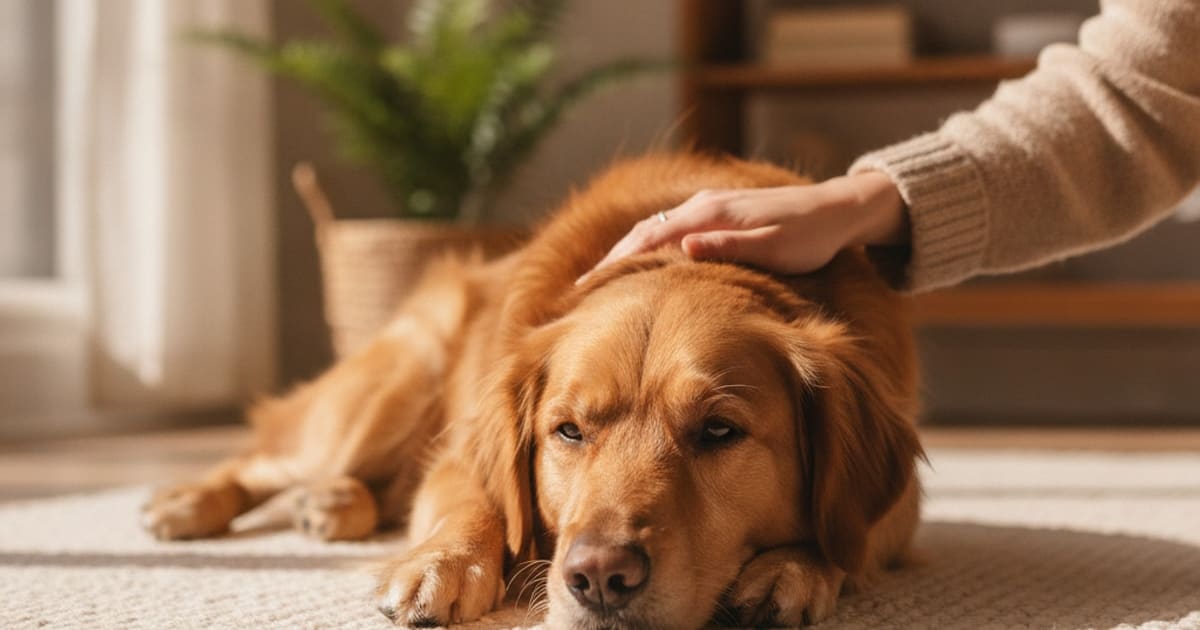
If your dog has eaten a hyacinth, call your vet or an animal poison control service now. Hyacinth is not safe for dogs: the bulb, leaves, stems and flowers are all toxic to dogs, and the irritation the plant causes can build quickly, so the call cannot wait until your dog looks unwell. Go to an emergency clinic now if your dog has tremors, seizures, collapses or has trouble breathing. On hyacinth and dog safety, the answer is the same whether the plant is in a garden bed, a pot on the windowsill, a bouquet on the table or a bag of bulbs in the shed: none of it is dog friendly, and none of it belongs where your dog can reach it.
Why hyacinth is dangerous for dogs
Hyacinth is poisonous to dogs because the plant carries irritating compounds in every part of it. These include tiny needle-like crystals and other plant substances that irritate living tissue on contact. When a dog bites into a bulb, chews a leaf or mouths a flower, these compounds are released straight onto the lining of the mouth and throat, and anything swallowed carries them on to the stomach and gut. The harm comes from that direct irritation, and it begins as soon as the plant is chewed.
The bulb is the part of the plant built to store food and energy through the cold months. It is dense and firm, and it carries these compounds throughout. A dog that digs in a flower bed, tears open a bag of bulbs set aside for planting or finds a bulb growing indoors can chew through one in moments. A bulb is also a solid object, so a whole bulb or a chunk of one can lodge in the throat, stomach or intestines and cause a blockage, a separate problem on top of the toxins. If your dog swallowed a bulb or a piece of one, call your vet or an animal poison control service now.
Bulbs grown indoors in winter bring the same risk closer. A hyacinth bulb sitting in a glass or a bowl of water or pebbles, with its roots and shoots in view, is easy for a dog to reach on a low shelf or table, and the water around it has been in contact with the bulb and roots the whole time. Treat that water, the roots and the bulb as part of the plant.
The leaves, stems and flowers matter too. There is no part of a hyacinth that is OK for dogs to chew, and no amount you can judge at home as too small to count. A torn leaf, a few fallen petals or a stem pulled from a pot all carry irritating compounds, so treat any of them as an emergency and call now. Fresh, wilted or dried, these parts all belong to the same plant.
Cut flowers bring the plant indoors, and a low table or windowsill puts them at nose height. A bouquet of hyacinths is no more pet safe than the growing plant: the flower heads, stems and leaves still carry the same compounds, and petals that drop onto the floor are easy for a dog to pick up. The water in the vase is part of the risk as well. Compounds from the cut stems can pass into the water, and a dog that drinks from a vase of hyacinths has taken in part of the plant. If your dog has drunk vase water from hyacinths, call your vet or an animal poison control service now.
Hyacinth has a strong, sweet scent, and the scent on its own is not what makes the plant a poisoning risk. The danger comes from contact by mouth: chewing, licking, swallowing or drinking water the plant has stood in. A dog drawn to the smell of a bouquet can go from sniffing to biting in a moment, so the scent is still a reason to keep the flowers well out of reach. If your dog has had any part of the plant in its mouth, call your vet or an animal poison control service now.
Garden waste counts as well. Leaves and stems cut back after flowering, spent flower heads and bulbs lifted for storage can end up in a compost heap, a garden bag or a pile on the lawn, all places a curious dog can reach. Hyacinth that has been cut, dried or thrown away is still hyacinth, so treat it the same way as the living plant.
The same reasoning applies to every animal in the home. Hyacinth is toxic to cats as well as dogs, so it is not pet friendly in any household with animals, whether as a garden plant, a potted plant or a cut flower. A puppy can explore with its mouth, and a dog of any age can dig, chew a pot or knock over a vase when no one is in the room.
For a home with a dog, the plainest answer is to leave hyacinth out, or to keep bulbs, pots, bouquets and garden waste fully out of your dog's reach. If you are planning a spring garden or choosing plants for indoors, talk to your vet about which plants to keep away from your dog. Your vet can tell you how a garden plan fits your dog's age, habits and health.
What your vet may do
When you call your vet or an animal poison control service, expect questions about what your dog ate, roughly when, how much of the plant may be missing and how much your dog weighs. Answer as plainly as you can; an honest guess helps more than no answer. Then take your dog in as directed. If your own clinic is closed, go to the nearest emergency clinic, and call ahead on the way so the team can prepare for you.
An animal poison control service can talk through the plant and what your dog ate with you, and can pass the details to your vet so the clinic has them before you arrive.
If your dog is having tremors or seizures, has collapsed or is struggling to breathe, go straight to an emergency clinic. The team will stabilize your dog first, with oxygen, fluids and medicine to control seizures as needed, before turning to the plant itself.
At the clinic, the vet starts with a full exam. That means looking in the mouth and at the tongue for irritation, checking the throat, listening to the heart and lungs, feeling the belly, checking hydration and taking a temperature. The vet also asks about your dog's health history and any medicines, since these shape which treatments fit. This exam sets a starting point, so that any change during the visit stands out.
The next decision is about decontamination: whether to remove plant material still in your dog's body, or to stop more of it being absorbed. If pieces of the plant may still be in the stomach, the vet may give an injection that makes your dog vomit, so that bulb, leaf or flower comes back up under supervision. In other cases the vet may rinse the mouth, give medicine to protect the stomach lining, or give a substance that binds plant compounds in the gut. Which of these fits your dog depends on what was eaten, when, and what the exam shows. Do not try to make your dog vomit at home. That is a decision for the vet, because bringing up an irritating plant can harm a throat that is already sore, and a piece of bulb can lodge on the way up.
If a bulb or a large piece of one may have been swallowed, the vet may take X-rays or use ultrasound to look for plant material in the stomach or intestines and for signs of a blockage. A blockage is its own problem, separate from the toxins, and it can need its own treatment, which may mean removing the material with a scope or with surgery. Blood tests show how your dog is handling what happened: hydration, salts in the blood, and how the kidneys and liver are working. These results guide care and give a baseline for comparison later in the stay.
Care in the clinic depends on what the vet finds. It can include fluids through a drip to support hydration, a medicine your vet prescribes to settle nausea, medicine to protect the stomach and gut, and pain relief for a sore mouth or belly. The vet also decides when and what your dog eats while in the clinic.
Your dog may stay in the clinic for monitoring. The team checks heart rate, breathing, hydration and comfort, repeats blood tests where needed, and adjusts fluids and medicines as things change. How long your dog stays is a decision your vet makes from these checks.
Before your dog goes home, the vet explains any medicine to give, how to feed and what to call about. Follow those instructions exactly, and call your vet again if anything changes after you get home.
If you have questions at any point, about the plant, the tests or the care plan, talk to your veterinarian; they know your dog and the details of what happened. For a wider view of the signs that need emergency care at any time, read Dog Emergency Signs, and for plain explanations of the health problems vets treat, the Dog Health Conditions library is a good place to start.
What to have ready when you call
Gather what you can while you dial or as you talk, and do not let any of it hold up the call:
- The plant, its pot label or the bouquet tag, or the plant's name if you know it
- Roughly when your dog ate it, and how much of the plant may be missing
- Your dog's weight
- Any medicines your dog takes and any health conditions your vet should know about
If you are not sure whether your dog ate any hyacinth, call anyway. If you are not sure the plant is a hyacinth, bring the plant, a piece of it or its label with you to the clinic so the team can identify it.
Frequently asked questions
- Is hyacinth an emergency for dogs?
- Yes, because hyacinth is toxic to dogs and the harm can build quickly once it is chewed or swallowed. If your dog has eaten any part of a hyacinth, including the bulb, leaves or flowers, call your vet or an animal poison control service now. Go to an emergency clinic now for tremors, seizures, collapse or trouble breathing.
- What should I do if my dog ate hyacinth?
- Call your vet or an animal poison control service now, before any signs appear. Have the plant or its label, a rough idea of when your dog ate it, your dog's weight and any medicines ready. Go to an emergency clinic now if your dog has tremors, seizures, collapses or has trouble breathing.
- How much hyacinth is dangerous for dogs?
- Treat any amount of hyacinth as an emergency and call your vet or an animal poison control service now. A single bite of bulb, a chewed leaf, a nibbled flower or a drink of vase water all count. There is no amount you can judge at home, and your vet needs to hear about it straight away.
- Is hyacinth dog friendly?
- No, hyacinth is not dog friendly, because the bulb, leaves, stems and flowers are all toxic to dogs. That includes potted plants, garden beds and cut bouquets. If your dog has chewed, licked or swallowed any part of one, call your vet or an animal poison control service now.
- Is hyacinth OK for dogs?
- No, hyacinth is not OK for dogs to eat or chew, because the whole plant is toxic to them. Keep bulbs, pots and bouquets where your dog cannot reach them, or leave hyacinth out of a home with a dog. If your dog has eaten any of it, call your vet or an animal poison control service now.
- Is hyacinth pet friendly?
- No, hyacinth is not pet friendly, because it is toxic to dogs and to cats as well. If a pet in your home has eaten any part of a hyacinth, call your vet or an animal poison control service now. A bouquet on a table or a pot on a windowsill can still be within reach of a pet.
- Is hyacinth toxic to dogs?
- Yes, hyacinth is toxic to dogs, because the plant contains irritating compounds, including tiny needle-like crystals, in its bulb, leaves, stems and flowers. These can harm the mouth and gut once chewed. If your dog has eaten any part of a hyacinth, call your vet or an animal poison control service now.
- Is the scent of hyacinth a danger to my dog?
- The strong scent is not what makes hyacinth a poisoning risk; the danger comes from chewing, licking or swallowing the plant or drinking its vase water. A dog that sniffs a bouquet can lick or bite it too. If your dog has had any of the plant in its mouth, call your vet or an animal poison control service now.
- Is water from a hyacinth vase dangerous for dogs?
- Yes, treat vase water as a danger, because compounds from the cut stems and flowers can pass into the water. A dog that drinks from a vase of hyacinths has taken in part of the plant. Call your vet or an animal poison control service now, and keep cut flowers where your dog cannot reach them.
- Can my dog get sick from licking or chewing a hyacinth leaf?
- Yes, because the leaves carry irritating compounds, like the rest of the plant, and licking or chewing puts them in your dog's mouth. Any contact by mouth counts as an ingestion. Call your vet or an animal poison control service now, and go to an emergency clinic now for tremors, seizures, collapse or trouble breathing.
Educational content, not veterinary advice. Ask your vet about your dog.