Is Cataract Surgery Recommended for Dogs?
Cataract surgery can be recommended for some dogs after a full eye exam by a veterinary ophthalmologist. Here is when a cloudy eye needs emergency care, what can cause a cataract, what your vet may do and what to tell your vet.
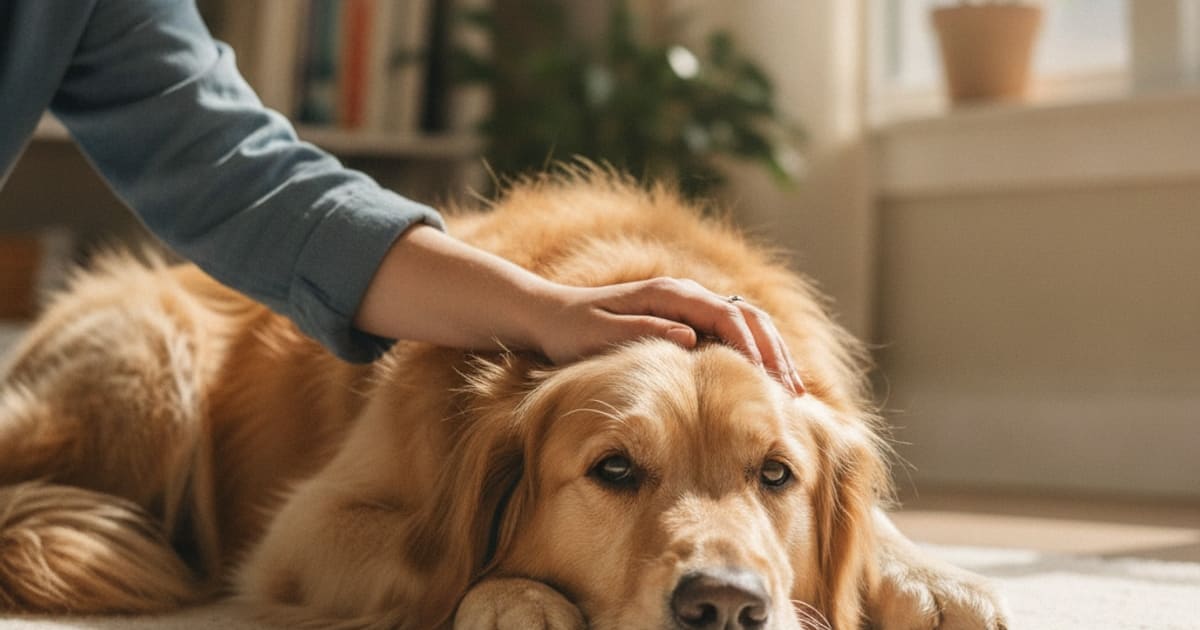
A cataract is a reason to see a vet, and surgery can be recommended for a dog whose eye and general health suit it. Go to an emergency vet now if your dog's eye is suddenly red, painful or cloudy, your dog is squinting or holding the eye shut, the eye looks swollen or bulging, or your dog has suddenly lost sight; otherwise book a same-day appointment. The plain answer to 'is cataract surgery recommended for dogs' is that it can be. The person who makes that call is a veterinary ophthalmologist, an eye specialist your vet can refer you to after checking the eye.
When to go to the vet now
- An eye that turns red, painful or cloudy over a short time
- Squinting, holding an eye shut, or pawing and rubbing at the eye
- An eye that looks swollen or bulging, or a wound on or near the eye
- Sudden loss of sight, such as walking into doors or furniture
- Redness, pain, squinting, discharge or a change in sight in an eye that has had surgery
What can cause a cataract
A cataract is a cloudy change in the lens, the clear part inside the eye that sits behind the pupil and focuses light onto the retina at the back of the eye. When the lens clouds, less light gets through, and sight in that eye can dim or be lost. A cataract can be small and affect only part of the lens, or it can fill the whole lens. Your vet looks at several possible causes, because the cause matters for what happens next, including whether surgery is an option for your dog.
Inherited cataracts are one possibility. Some cataracts are passed down through families, and some breeds carry inherited forms. They can appear in young dogs as well as in older dogs, and they can affect one eye or both. Your vet may ask about your dog's breed, and about parents or littermates if you know them. An ophthalmologist can then examine the eyes closely to decide whether an inherited cause fits.
Diabetes is another cause your vet checks. When blood sugar stays high, sugar builds up inside the lens and draws water in, and the lens can turn cloudy fast, sometimes in both eyes at once. A cataract linked to diabetes can swell the lens and stir up inflammation inside the eye. This is one reason your vet may run blood and urine tests even when a cloudy eye is the only change you have noticed. If your dog already has diabetes, your vet can tell you how a cataract fits with the diabetes plan.
An injury to the eye is another possibility. A knock, a scratch from a branch or a cat's claw, a thorn, or a bite near the eye can damage the lens and lead to clouding. Any injury to the eye is a reason to go to an emergency vet now, even if the eye looks clear at first.
Inflammation inside the eye, called uveitis, can cause a cataract, and a cataract can also cause uveitis. As a cataract develops, proteins from the lens can leak into the eye and set off inflammation, which can be painful and can raise the pressure inside the eye. Raised pressure, called glaucoma, can damage sight and needs urgent care. Your vet looks for signs of inflammation and measures the eye pressure for this reason, whatever the cause of the cataract turns out to be.
Diseases of the retina can sit alongside a cataract. Progressive retinal atrophy, a condition where the retina wears away, can be linked with cataracts in some dogs. Taking out a cloudy lens does nothing for a retina that is not working, which is why an ophthalmologist tests the retina before deciding on surgery.
Other possible causes include problems with diet early in life, low blood calcium, some medicines, some toxins and other illness in the body. Your vet asks about your dog's history, diet and any medicine to cover these possibilities.
Not every cloudy eye is a cataract. A hardening of the lens called nuclear sclerosis can give the eye a hazy look, and a damaged or swollen cornea, glaucoma and inflammation can all make an eye look cloudy too. These need very different care, and some, such as glaucoma, need emergency treatment. Only an eye exam can tell them apart, so a cloudy eye of any kind is a reason to book a vet visit rather than guess at the cause. You can read about other health problems in the conditions library, and Dog Emergency Signs sets out the signs that need care straight away.
What your vet may do
Your vet starts with questions about when you first noticed the change, whether one eye or both are affected, and how your dog is getting around. A full physical exam follows, because a cataract can be tied to illness elsewhere in the body. Your vet then examines both eyes in a dim room with a bright light and a magnifying instrument, looking at the cornea, the lens and, where the cloudiness allows, the retina behind it.
Several eye tests may follow. Your vet may measure the pressure inside each eye with a small handheld tool after numbing drops, check tear production with a paper strip, and use a stain to look for scratches on the cornea. Drops that widen the pupil give a better view of the whole lens. Blood and urine tests can check for diabetes and look at the kidneys, liver and general health, which matters both for finding a cause and for planning any anaesthetic.
Your vet may also refer you to a veterinary ophthalmologist, a vet who specialises in eyes. If you want cataract surgery in dogs near you, ask your vet for a referral. They know the eye specialists who serve your area and can send your dog's records and test results ahead.
The ophthalmologist repeats the eye exam in detail and adds tests that check whether the back of the eye works. An electroretinogram, or ERG, measures how the retina responds to flashes of light. An ultrasound scan of the eye shows whether the retina is attached and looks for other problems hidden behind a cloudy lens. Some dogs need light sedation for these tests. The specialist may also check the drainage angle of the eye, which helps judge the risk of glaucoma.
Can dogs have cataracts removed? Yes, and surgery is the only way to remove a cataract. No drop, tablet or food can clear a cloudy lens. Removal of cataracts in dogs is done under general anaesthetic, using a method called phacoemulsification. The surgeon makes a very small opening at the edge of the cornea, breaks up the cloudy lens with ultrasound and removes the pieces with gentle suction. Where the eye allows, an artificial lens is placed inside the thin capsule that held the old lens, so the eye can focus. During the operation, the team checks heart rate, breathing and blood pressure throughout. Both eyes may be operated on in the same session or at different times, and the specialist explains which plan fits your dog. The goal of the surgery is to bring back useful sight in an eye where the retina still works.
Before recommending surgery, the ophthalmologist weighs several things: whether the cataract is affecting your dog's sight, whether the retina works, whether inflammation or raised pressure needs to be brought under control first, whether your dog is fit for an anaesthetic, whether any diabetes is under control, and whether your dog will accept handling around the eye and rechecks after the operation.
Whether cataract surgery for your dog is worth it is a decision you make with the ophthalmologist and your own vet. Talk to your vet about how the cataract affects your dog day to day, what the surgery and aftercare involve for your household, and what the plan would be if you choose not to operate.
Cataracts in dogs do not always have to be removed. A small cataract that is not affecting sight, or an eye where the retina no longer works, may be managed without surgery. A cataract that stays in the eye still needs vet care, because it can lead to inflammation and glaucoma. Your vet may prescribe medicine to calm inflammation and will set a plan for rechecks.
Cataract surgery in senior dogs is possible, and age alone does not decide it. What counts is your dog's general health: the heart, kidneys and liver, blood pressure, any other illness, and how well your dog can handle an anaesthetic. Your vet may run extra tests before surgery for an older dog, such as a heart check or further blood work. No surgery or anaesthetic is free of risk at any age. Ask the surgical team to explain the risks for your dog, which can include inflammation inside the eye, raised eye pressure, a detached retina, infection and bleeding inside the eye.
Before and after cataract surgery, the plan is set by the ophthalmology team. Before the day, they explain which tests are needed, the fasting instructions and any medicine your dog needs. After surgery, the cloudy lens is gone from the operated eye, and the eye is checked at set rechecks with the specialist. Your dog goes home with written aftercare instructions and any medicine your vet prescribes. Follow those instructions exactly and ask the team if anything is unclear.
How soon can you walk your dog after cataract surgery? The ophthalmologist sets when and how your dog can go out, based on the eye and the operation. Before you leave, ask the team how to keep outings calm and short, how to stop your dog pulling, jumping, swimming or playing roughly, and how to stop rubbing at the eye. Do not change the plan without speaking to them. Go to an emergency vet or call the ophthalmology team now if, after surgery, the eye looks red, cloudy or painful, there is discharge, your dog squints or paws at the eye, or your dog's sight seems to change.
What to tell your vet
Have these details ready when you call, and call your vet again if anything changes after you book.
- When you first noticed the cloudiness or a change in your dog's sight
- Any change since then, and whether one eye or both are affected
- Any bleeding, discharge or redness around the eye
- Licking, rubbing or pawing at the eye or face
- Other signs, such as drinking or peeing more, weight change, walking into things, any recent injury, any medicine and any existing condition
Frequently asked questions
- Is a cataract an emergency in dogs?
- A cataract is not always an emergency, but it is a reason to see a vet. Go to an emergency vet now if the eye is suddenly red, painful or cloudy, your dog is squinting or holding it shut, the eye looks swollen or bulging, or sight is suddenly lost. For anything else, book a same-day appointment.
- What should I do if my dog has a cataract?
- Call your vet today and book a same-day appointment. Your vet can examine both eyes, run tests for causes such as diabetes and refer you to a veterinary ophthalmologist. Go to an emergency vet now instead if the eye is red, painful, swollen or bulging, your dog is squinting, or sight has suddenly gone.
- Can I treat a cataract at home?
- No, because no drop, food or home step can clear a cataract. Do not put anything on or in the eye, and do not try to remove anything from it. For bleeding, the only step is gentle pressure with a clean cloth on the way to the vet, never on the eye itself. Call your vet today.
- Is cataract surgery recommended for dogs?
- It can be, for a dog whose cataract affects sight, whose retina works and who is fit for an anaesthetic. A veterinary ophthalmologist makes the recommendation after a full eye exam and tests such as an ERG and an eye ultrasound. Talk to your vet about a referral if your dog has a cataract.
- Is cataract surgery for dogs worth it?
- That is a decision you make with a veterinary ophthalmologist and your own vet. They weigh how the cataract affects your dog's sight, whether the retina works, your dog's general health and whether your dog will accept aftercare and rechecks. Ask them to explain the risks, the aftercare and the plan if you choose not to operate.
- Can dogs have cataracts removed?
- Yes, because surgery can remove a cataract, and it is the only way to do so. A veterinary ophthalmologist breaks up the cloudy lens with ultrasound under general anaesthetic, removes it with gentle suction and, where the eye allows, places an artificial lens. Your vet can refer you after an eye exam and tests.
- How soon can I walk my dog after cataract surgery?
- The ophthalmology team sets when and how your dog can go out after surgery, based on the eye and the operation. Before you take your dog home, ask how to keep outings calm and short and how to stop pulling, jumping, swimming and rough play. Call the team now if the eye turns red, cloudy or painful.
- Do cataracts in dogs have to be removed?
- No, because not every cataract needs surgery. A small cataract that does not affect sight, or an eye with a retina that no longer works, may be managed without an operation. A cataract left in the eye still needs vet care, since it can lead to inflammation and glaucoma, so your vet sets a recheck plan.
- Can an older dog have cataract surgery?
- Yes, because age alone does not decide whether a dog can have cataract surgery. The team looks at the heart, kidneys, liver, blood pressure and any other illness, and may run extra tests before an anaesthetic. No surgery is free of risk at any age, so ask the team to explain the risks for your dog.
- Where can my dog have cataract surgery?
- Cataract surgery in dogs is done by a veterinary ophthalmologist, a vet who specialises in eyes. Ask your own vet for a referral, because they know the eye specialists who serve your area and can send your dog's records and test results ahead so the specialist has the full picture before the first appointment.
- What happens before and after cataract surgery in dogs?
- Before surgery, your dog has eye tests such as an ERG and an eye ultrasound, plus blood tests and a check that an anaesthetic is suitable. After surgery, the cloudy lens is gone from the operated eye, your dog goes home with written aftercare instructions and medicine your vet prescribes, and rechecks with the specialist follow.
Educational content, not veterinary advice. Ask your vet about your dog.