Kennel Cough in Puppies: Signs, Risks and When to See a Vet
Kennel cough in puppies is a contagious airway infection that can spread to the lungs. This page covers the signs, why puppies face a higher risk, what your vet may do, and when a coughing puppy needs an emergency vet now.
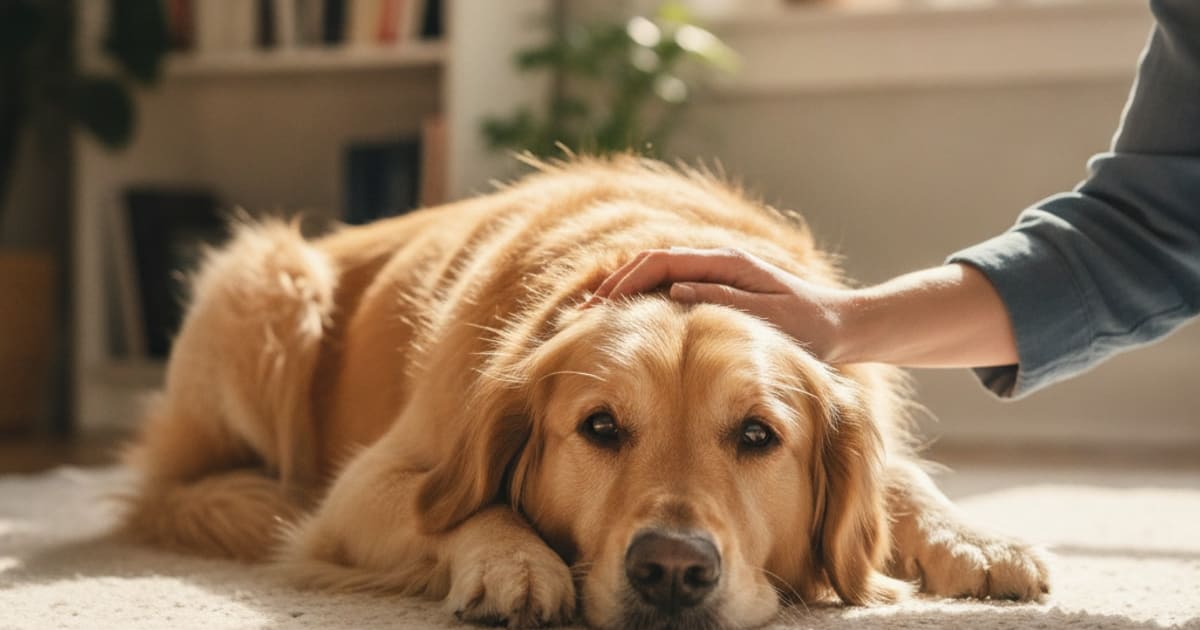
Kennel cough in puppies is a contagious airway infection, and any puppy with kennel cough should see a vet the same day. Go to an emergency vet now if your puppy is struggling to breathe or breathing fast at rest, has blue, grey or pale gums, collapses or is too weak to stand, or coughs up blood; otherwise book a same-day appointment. A young puppy has small airways and an immune system that is still developing. An infection that starts in the throat can reach the lungs, so the vet is the right first step for every coughing puppy, even one that still seems bright and playful.
When to go to the vet now
- Breathing that is fast, hard or noisy while your puppy is resting, or breathing with the mouth open
- Blue, grey, white or pale gums or tongue
- Collapse, fainting, or a puppy too weak to stand
- Coughing up blood or blood-stained froth
- A puppy that will not eat or drink and is limp, very sleepy or hard to wake
These signs can mean the infection has spread into the lungs, or that your puppy is not getting enough oxygen. Hard breathing can show as the chest and belly working with every breath, flared nostrils, or a puppy that will not lie down to rest. Kennel cough can turn into pneumonia, and a small puppy has less in reserve to cope with that than a grown dog. A puppy can go from coughing to struggling to breathe quickly. Do not wait for a later appointment if any of these signs appear. Call the emergency clinic on the way so the team is ready for you. For a wider guide to urgent signs at any age, see our page on dog emergency signs. A coughing puppy without any of these signs still needs a same-day appointment rather than a wait at home.
What can cause kennel cough
Kennel cough is not one single illness with one single germ. It is the everyday name for infectious tracheobronchitis, an infection and inflammation of the windpipe (the trachea) and the larger airways that branch off it into the lungs (the bronchi). Several viruses and bacteria can cause it, alone or together. Part of the vet's job is to consider which ones may be involved and whether something else is behind the cough.
The germs your vet may consider include a bacterium called Bordetella bronchiseptica, canine parainfluenza virus, a canine adenovirus, canine respiratory coronavirus, canine influenza, canine herpesvirus and mycoplasma, a small bacteria-like germ. One germ can damage the airway lining and open the way for another, which is one reason a puppy can get sicker than its first cough suggests. The vet may not need to name the exact germ to treat a puppy. Knowing it can help when a puppy is very unwell, or when several dogs in one home or group are coughing.
Puppies can get kennel cough, and they catch it the same way adult dogs do. The germs travel in tiny droplets when an infected dog coughs, sneezes or barks. They also pass through nose-to-nose greetings, shared water bowls, toys and bedding, and on hands and clothes that have touched another dog. A puppy does not need to have stayed in a kennel. Kennel cough spreads easily, and a puppy can meet it at a breeder, a shelter, a pet shop, a puppy class, a groomer, a boarding stay, a vet waiting room, a park or a friend's house. A puppy that has not yet finished its vaccines has less protection, and even a vaccinated puppy can catch a germ that its vaccines do not cover. Talk to your vet about which airway vaccines fit your puppy and where they sit in its vaccine plan.
The signs that can come with kennel cough include a harsh, dry, honking cough, coughing fits that end in a gag or a retch that brings up white froth, and a cough that is set off by excitement, play or a drink of water. A puppy may also sneeze, have a runny nose or watery eyes, seem more tired than usual, or show less interest in food. These signs do not tell you on their own that a puppy has kennel cough. Other illnesses can bring the same kind of cough. A puppy that sounds only a little unwell can already have changes in its lungs that only a vet exam and tests can find.
For that reason, the vet also thinks about other causes of coughing in a young puppy. Distemper is a serious viral illness that can begin with a cough and discharge from the eyes and nose before it affects the gut and the nervous system, and an unvaccinated or part-vaccinated puppy is at risk. Pneumonia can follow kennel cough or start on its own. A puppy can breathe milk, food or vomit into its lungs, and a gap in the roof of the mouth present from birth can make that more likely. The young stages of some worms pass through the lungs and can cause coughing, and lungworm is another worm the vet may test for. A grass seed or small object breathed in, a heart problem present from birth, and airway problems such as a narrow or soft windpipe in small or flat-faced breeds are also on the list. The vet decides which of these to look into; the sound of a cough alone does not point to any one of them. Our conditions library covers several of these illnesses in more detail.
When a puppy catches kennel cough, the germs take hold in the lining of the windpipe. They damage the tiny hairs that sweep mucus and dust up and out of the airways. That leaves the lining raw and easy to set off, and that is what drives the harsh cough. In some puppies the infection stays in the upper airways. In others it travels down into the lungs and becomes pneumonia, which can bring fever, fast breathing, weakness and a puppy that stops eating. There is no way to tell at home which path the infection will take, and a puppy that coughs is also passing the germs on to other dogs. Both are reasons to see the vet the same day the cough starts.
What your vet may do
Your vet will start with questions about your puppy: its age, where it came from, which vaccines it has had and when, where it has been recently, whether it has met other dogs or been near any that cough, and how its appetite, energy and toilet habits have been. These answers help the vet decide which causes to look for first and how urgent the picture is. Bring your puppy even if it seems brighter on the day of the visit, because the lungs can be affected before a puppy looks very ill.
The physical exam can include taking your puppy's temperature, listening closely to the heart and lungs with a stethoscope, checking the colour of the gums and how well hydrated your puppy is, looking at the eyes and nose for discharge, and feeling the lymph nodes and belly. The vet will look at how your puppy breathes at rest and may try to hear the cough. If your puppy is struggling, the vet may give oxygen first and examine afterwards, because steadying the breathing comes before everything else.
Depending on what the exam finds, the vet may suggest tests. Chest X-rays can show whether the lungs are affected, whether there are signs of pneumonia, how the heart looks and whether something has been breathed in. A small clip on the ear, lip or paw can measure how much oxygen is in the blood. Blood tests can show signs of infection, inflammation and dehydration. A swab from the nose or throat can be sent to a lab that looks for the genetic material of the germs that cause kennel cough and distemper, which helps the vet know what it is dealing with. A stool sample can be checked for worms. If the cause is still unclear, the vet may suggest an airway wash under sedation or anaesthesia. A small amount of fluid is passed into the airways and collected, so the lab can see which germs are there and what can treat them.
Treatment depends on what the vet finds. The vet may send your puppy home with a medicine your vet prescribes, which may include one that fights bacteria if a bacterial infection is likely or confirmed, along with advice on rest, feeding and keeping your puppy away from other dogs. A puppy with pneumonia or breathing trouble may need to stay in hospital for oxygen, fluids through a drip, medicines given by injection, and medicine breathed in as a mist, with close checks on breathing and oxygen levels. Give only the medicines your vet prescribes, exactly as directed. Do not give any cough medicine or product meant for people, because some of them are dangerous for puppies.
The vet may book a recheck to listen to the lungs again and may repeat X-rays. Talk to your vet about when your puppy can mix with other dogs, return to puppy class and carry on with its vaccine plan. Call your vet again now if the cough changes or gets worse, if your puppy stops eating, or if any of the emergency signs above appear, and go to an emergency vet now if breathing becomes hard.
What to tell your vet
- When you first noticed the cough, and whether it started suddenly or built up
- Any change since then, such as a cough that is getting harsher, wetter or closer together
- Any bleeding: blood or blood-stained froth coughed up, or blood from the nose
- Any licking of the lips, gagging or retching after coughing fits, and what came up
- Other signs: sneezing, runny nose, watery eyes, tiredness, less appetite, vomiting, diarrhoea or twitching
Bring your puppy's vaccine and worming record if you have it, and tell the vet where your puppy came from, where it has been, and whether any dog it has met has been coughing. Mention any other pets at home and whether they are coughing too. Tell the vet about any medicine or product your puppy has been given, by any route. A short phone video of a coughing fit can help, because a puppy may not cough in the exam room. When you call to book, tell the clinic that your puppy is coughing, because the team may ask you to wait in the car or use a separate door so other patients are not exposed. If anything about your puppy's cough, vaccines or contact with other dogs is unclear to you, talk to your veterinarian, who knows your puppy and can help you plan the next step.
Frequently asked questions
- Is kennel cough an emergency in dogs?
- It is an emergency when a dog or puppy is struggling to breathe or breathing fast at rest, has blue, grey or pale gums, collapses or is very weak, or coughs up blood. Go to an emergency vet now for any of these. A puppy with a cough and none of these signs needs a same-day vet appointment.
- What should I do if my dog has kennel cough?
- Call your vet today and book a same-day appointment, and tell the clinic your dog is coughing so the team can keep it away from other patients. Keep your dog away from other dogs in the meantime. If breathing becomes hard or fast, the gums turn blue or grey, or your dog collapses, go to an emergency vet now.
- Can I treat kennel cough at home?
- No, because a cough in a puppy can come from several illnesses that need a vet to find and treat. Do not give any cough medicine, remedy or product meant for people or pets, and do not put anything in your puppy's mouth or nose or try to remove anything from its throat. Call your vet today.
- What is kennel cough in puppies?
- Kennel cough is a contagious infection of the windpipe and larger airways, caused by one or more viruses or bacteria passed between dogs. In a puppy it can bring a harsh, honking cough, gagging, a runny nose and tiredness. Because a young puppy can get sicker than an adult dog, book a same-day vet appointment.
- Can puppies get kennel cough?
- Yes, puppies can get kennel cough, because they catch it the same way adult dogs do: from coughing dogs, shared bowls and toys, and hands or clothing that have touched an infected dog. A puppy that has not finished its vaccines has less protection. Call your vet today if your puppy starts coughing.
- Is kennel cough dangerous for puppies?
- Yes, kennel cough can be dangerous for puppies, because the infection can spread from the windpipe into the lungs and cause pneumonia, which makes breathing hard. Young puppies have small airways and an immune system that is still developing. Book a same-day vet visit for any cough, and go to an emergency vet now for breathing trouble.
- How serious can kennel cough get in a young puppy?
- Kennel cough can become serious in a young puppy when it turns into pneumonia, leaving the puppy short of oxygen, weak and unwilling to eat. A puppy can move from coughing to struggling to breathe quickly. That is why any coughing puppy needs a same-day vet visit, and breathing trouble needs an emergency vet now.
- What happens if a puppy gets kennel cough?
- The germs take hold in the lining of the windpipe and damage the tiny hairs that sweep mucus out, leaving the airway raw and easy to set off. That causes the harsh cough and gagging. The infection can stay in the upper airways or spread to the lungs, so call your vet today.
- Can a vaccinated puppy still get kennel cough?
- Yes, a vaccinated puppy can still catch kennel cough, because several different germs cause it and vaccines do not cover all of them. A young puppy may also not have finished its full course. Call your vet today about any cough, and talk to your vet about which airway vaccines fit your puppy.
- Can my puppy pass kennel cough to other dogs?
- Yes, a puppy with kennel cough can pass it to other dogs through coughing, sneezing, shared bowls and toys, and on your hands and clothes. Keep your puppy away from other dogs and tell the clinic it is coughing before you arrive. Talk to your vet about when your puppy can mix with dogs again.
- How does a puppy catch kennel cough?
- A puppy catches kennel cough by breathing in germs from a dog that coughs, sneezes or barks nearby, by nose-to-nose contact, or from shared bowls, toys and hands. Breeders, shelters, puppy classes, grooming, boarding and parks are all places it can spread. If your puppy starts coughing, call your vet today.
Educational content, not veterinary advice. Ask your vet about your dog.