What Is a Low Fat Dog Snack? (Pancreatitis Fat Limits)
Low fat dog treats are snacks that contain very little fat per serving, usually single ingredient or purpose made options such as lean cooked protein, plain vegetables, or a veterinary low fat range. For a dog diagnosed with pancreatitis or liver disease, the fat target belongs to your veterinarian, not to a label.
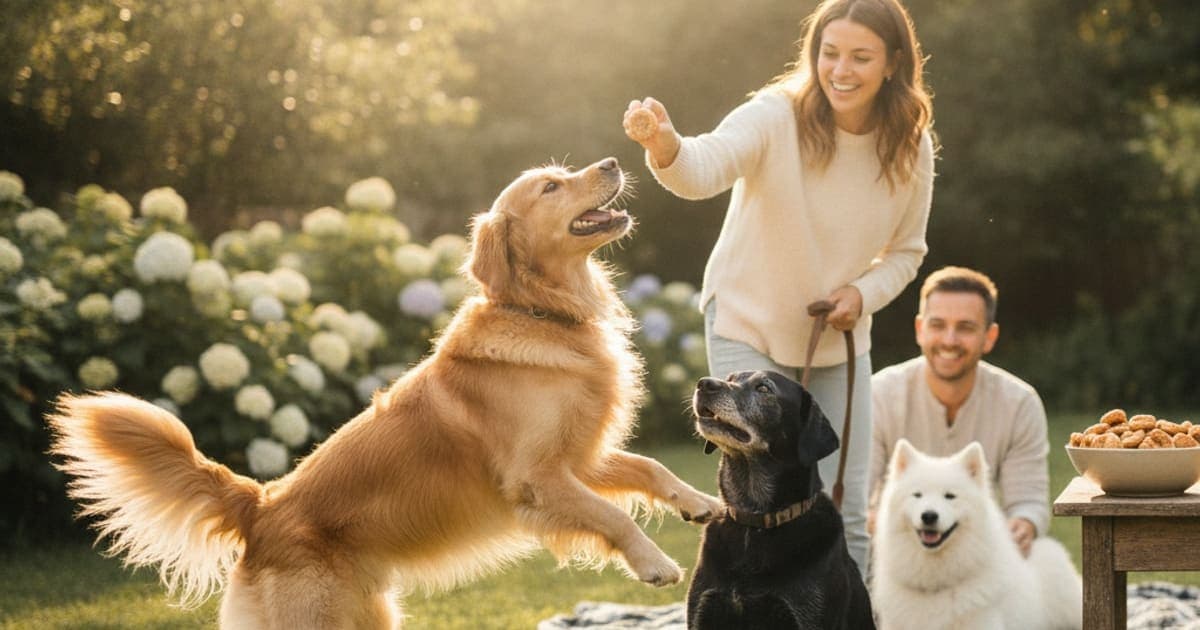
Low fat dog treats are snacks that carry very little fat per piece, either because they are made from naturally lean ingredients such as white fish, skinless poultry breast or plain vegetables, or because they come from a veterinary range built around a restricted fat content. For a dog diagnosed with pancreatitis or a liver condition, they matter because fat is usually the nutrient the treatment plan controls most closely.
Before anything else: if your dog is vomiting repeatedly, refusing food, standing hunched with the front end lowered, tender in the belly, weak, collapsing, or showing yellowing of the gums, eyes or skin, call your veterinarian now or go to an emergency clinic. Acute pancreatitis and acute liver problems can escalate quickly, and snack selection is a question for the management phase, never a response to a dog who is currently unwell.
What follows is how fat is actually measured on a label, what people mean when they say low fat, which store bought and homemade options owners commonly use, and how to read the advice you find in online forums.
How fat is measured on a label, and what counts as low
Most packaging shows a guaranteed analysis with a line for crude fat, listed as a minimum. A minimum is a floor, not the real number, so a snack listing a low minimum fat can still contain more. Some labels instead show a typical analysis, which is closer to the actual content. If the figure you need is not printed, the manufacturer can usually supply it, and a company that will not give you a straight answer about fat content has told you something useful.
Two conversions make comparisons honest:
- Dry matter basis. Moisture skews everything. A biscuit listing 8 percent crude fat with 10 percent moisture works out to roughly 8 divided by 90, multiplied by 100, which is about 9 percent fat on a dry matter basis. A soft, moist snack listing the same 8 percent as fed is far richer once the water is removed.
- Fat per calorie. Treats differ wildly in calorie density, so grams of fat per 100 calories is the figure clinical nutrition tends to care about. A tiny high fat morsel and a large lean one can read similarly on a percentage and behave very differently in a dog.
There is no legal or regulatory definition of low fat for dog snacks. In veterinary nutrition discussion, fat below roughly 10 percent on a dry matter basis is commonly described as low, with stricter targets used for some patients, but the published literature does not set one universal cutoff and marketing use of the phrase is not controlled. The number that matters is the one your veterinarian sets for your individual dog, calculated across the whole day rather than per snack.
Labelling conventions also differ between markets, so the panel may be titled crude fat in one place and typical analysis fat in another. Read whichever panel your local packaging uses and convert it to dry matter before comparing brands.
Commonly cited feeding guidance keeps all snacks to about 10 percent of daily calories. For a dog on a restricted diet, even that may be too generous, and your vet may want the allowance taken out of the prescribed food rather than added on top.
Why fat gets restricted in pancreatitis and liver conditions
The pancreas produces digestive enzymes, and dietary fat is a strong signal for the hormonal cascade that stimulates pancreatic secretion. Research suggests a link between high fat meals, dietary indiscretion such as raiding a bin or being fed table scraps, and episodes of acute pancreatitis in dogs. Some dogs also carry a predisposition to high blood triglycerides, which has been associated with pancreatitis risk, and breed background is one of the things your vet will weigh when setting dietary limits.
Liver conditions are less uniform. Fat restriction is not automatic for every liver patient. The nutritional plan depends entirely on the diagnosis: copper associated liver disease centres on copper intake, a portosystemic shunt centres on protein quality and amount, and biliary or gallbladder problems are the ones more likely to come with a fat limit. Liver based snacks, which many owners assume are a healthy choice, can be high in copper and vitamin A and are not a default good fit. A general overview of how different canine conditions are managed is useful background, but it does not replace the plan your clinic writes for your dog.
No snack, however lean, substitutes for the diagnosis, the prescription diet and the treatment plan your veterinarian puts in place for a dog with pancreatitis or liver disease.
Store bought options and what to check before buying
| Option | What it looks like | Fat profile | What to watch for |
|---|---|---|---|
| Veterinary therapeutic ranges | Low fat gastrointestinal diets and matching snacks sold through clinics. Royal Canin is one of several manufacturers with a low fat veterinary line | Formulated to a controlled fat level and stated on the label | Usually clinic only, and suitability is decided by the vet holding your dog's records |
| The dog's own prescribed food | Kibble counted out as rewards, or canned food frozen into small cubes | Identical to the diet already approved for your dog | Calories still count toward the daily total, so subtract them from meals |
| Single ingredient dried lean protein | Air dried or freeze dried white fish, chicken or turkey breast | Naturally lean, with nothing added if the ingredient list is one line long | Any added oil, glycerin or fat sprayed on for palatability |
| Fresh produce | Carrot sticks, green beans, cucumber, plain pumpkin puree, apple without seeds or core | Negligible fat | Portion size, sugar content of fruit, and toxic foods such as grapes and raisins |
| Snacks marketed as low fat or light | Biscuits, soft chews, training rewards | Variable, since the phrase is unregulated | Minimum-only guaranteed analysis, long ingredient decks, added fats low in the list |
The categories to avoid for most fat restricted dogs are the obvious rich ones: peanut butter, cheese, fatty jerky, bacon and trimmings, and many traditional chews such as pig ears, bully sticks and duck feet, which are far higher in fat than their natural positioning suggests.
If you are searching for low fat dog treats near you, the shortest route is your own veterinary clinic, which stocks the therapeutic ranges most retailers cannot sell, followed by independent pet shops that carry single ingredient dried products. Your own kitchen is nearer still. If country of manufacture matters to you, look for a stated manufacturing location on the pack rather than a distributed by line, which tells you only where the box was shipped from.
Homemade low fat dog treats and a simple recipe
Many owners switch to homemade because it is the only way to be certain what is in a snack. That control is real, but homemade snacks are not nutritionally balanced and should stay a small part of the day's calories. Run any recipe past your veterinarian first, particularly in the weeks after an episode, when the digestive system is still settling.
Baked lean protein crisps. Slice skinless chicken or turkey breast, or a white fish fillet such as cod, as thinly as you can. Lay the pieces on a lined tray with no oil and bake in a low oven until completely dry and brittle. Cool fully, then store in the fridge and use within a few days, or freeze.
Pumpkin and oat drops. Mix plain canned pumpkin, which must contain no spice mix or added sugar, with oat flour until you have a stiff dough. Add an egg white if it needs binding. Drop small pieces onto a lined tray and bake until firm and dry. Keep the pieces small, because the calories add up quickly.
Frozen cubes. Freeze small cubes of your dog's own prescribed wet food, or plain unsalted broth made without onion or garlic, in an ice cube tray. Useful in warm weather and for dogs who are bored of dry rewards.
Never include xylitol, chocolate, grapes, raisins, onion, garlic, macadamia nuts, cooked bone, salt, bacon grease or fatty meat trimmings. Because homemade snacks have no preservatives, treat them as fresh food and refrigerate or freeze them.
Reading forum advice without letting it set the plan
Owner forums are genuinely useful for one thing: generating a shortlist. Threads on sites like Reddit surface product names, which brands publish real typical analysis figures, and which snacks dogs with sensitive stomachs have tolerated. That is a decent starting point for a basket of labels to photograph and bring to your next appointment.
What forums cannot give you is a plan. The dogs described there have different diagnoses, different severity, different bloodwork and often undiagnosed concurrent disease. A snack that one dog handled comfortably may sit badly with yours, and results vary from dog to dog. Be especially careful with confident advice about how much fat is acceptable, because that number is a clinical decision made from your dog's history and test results.
Practical habits that help more than any single product: introduce one new item at a time, write down what was given and when, subtract snack calories from meals rather than adding them, and keep the recheck appointments your vet schedules so that changes show up in the bloodwork rather than in a crisis.
Key Takeaways
- Low fat dog treats are snacks with minimal fat per serving, from lean single ingredients, plain produce, or a veterinary low fat range.
- There is no regulatory definition of low fat for snacks. Fat under roughly 10 percent on a dry matter basis is a commonly used reference point, but your vet sets the real target.
- Crude fat is usually a minimum, not the actual figure. Convert to dry matter, and compare fat per calorie rather than percentage alone.
- Fat restriction is standard in many pancreatitis cases, while liver conditions vary, so the diet follows the specific diagnosis.
- Homemade snacks give you ingredient control but are not balanced, and every recipe should be cleared with your veterinarian.
- Vomiting that will not stop, severe abdominal pain, collapse or yellowing of the gums or eyes means emergency care, not a diet adjustment.
The plan belongs to your veterinarian
Your vet owns the diagnosis, the imaging and bloodwork behind it, and the treatment plan that follows, including which diet your dog is on and how much fat that diet allows. Prescription diets, medication and the recheck schedule are the structure that recovery is built on. Snack choices live inside that structure, filling the small space a properly managed plan leaves open, and the safest low fat snack is always the one your own veterinarian has looked at and approved.
Owners exploring peptide support for their dog can review K9-REPAIR, BPC-157 + TB-500 formulated for dogs, at https://pawgen.com/. BPC-157 and TB-500 are not FDA-approved veterinary drugs. Nothing in this article treats, cures or prevents any condition; every decision about your dog's care belongs with your veterinarian.
Frequently asked questions
- What is low fat dog treats?
- Low fat dog treats are snacks that provide very little fat per piece. They are usually lean single ingredients such as white fish, skinless poultry breast or plain vegetables, or purpose made items from a veterinary low fat range. For a dog with pancreatitis or liver disease, your veterinarian decides what qualifies.
- What is considered low fat dog treats?
- There is no legal definition. In veterinary nutrition discussion, fat below roughly 10 percent on a dry matter basis is commonly described as low, with stricter targets used for some patients. Convert the label figure to dry matter, compare fat per calorie, and confirm the target with your vet.
- Can I make low fat dog treats at home?
- Yes. Thinly sliced chicken or white fish baked dry with no oil, plain pumpkin and oat drops, and frozen cubes of your dog's prescribed wet food are common homemade options. They are not nutritionally balanced, so keep them a small part of daily calories and clear recipes with your vet.
- Are low fat dog treats right for a dog with liver disease?
- Not automatically. Liver conditions vary, and the nutritional plan follows the specific diagnosis. Copper associated disease centres on copper, a shunt on protein, and biliary problems are more likely to come with fat limits. Liver based snacks are often high in copper, so ask your vet before using them.
- Where can I find low fat dog treats near me?
- Your veterinary clinic is the most reliable source, because therapeutic low fat ranges are sold through clinics rather than retailers. Independent pet shops often stock single ingredient dried lean protein. Plain carrot, green bean and cucumber from your own kitchen are the nearest option of all.
- Does Royal Canin make a low fat option for dogs?
- Royal Canin is one of several manufacturers whose veterinary ranges include low fat gastrointestinal diets, which are sold through veterinary clinics rather than general retail. Whether a specific product suits your dog, and what can be used as a reward alongside it, is a decision for your treating vet.
- Is peanut butter safe for a dog with pancreatitis?
- Peanut butter is high in fat and is generally not a good fit for a fat restricted dog. Some varieties also contain xylitol, which is toxic to dogs. If you need a spreadable reward for giving medication, ask your veterinarian what they want you to use instead.
- How much of my dog's daily food can come from snacks?
- Commonly cited guidance keeps all snacks to about 10 percent of daily calories. For a dog on a restricted or prescription diet, your vet may want less, and may ask you to subtract those calories from meals rather than adding them on top of the measured portion.
- Are carrots and green beans safe for a dog with pancreatitis?
- Plain carrot, green bean and cucumber are very low in fat and are widely used as rewards, but tolerance varies from dog to dog and fibre can unsettle a recovering digestive system. Introduce one item at a time in small amounts and confirm with your veterinarian first.
Educational content. BPC-157 and TB-500 are not FDA-approved veterinary drugs. Talk to your veterinarian before starting anything new, especially if your dog is on prescribed medication.