Redbone Coonhound Health Problems: What to Watch For
Redbone coonhounds are watched for ear infections, eye conditions such as entropion and cherry eye, hip and elbow joint problems, skin irritation, weight gain, and bloat. Bloat is an emergency that needs a veterinarian immediately. Knowing the early signs for each helps you decide when a visit cannot wait.
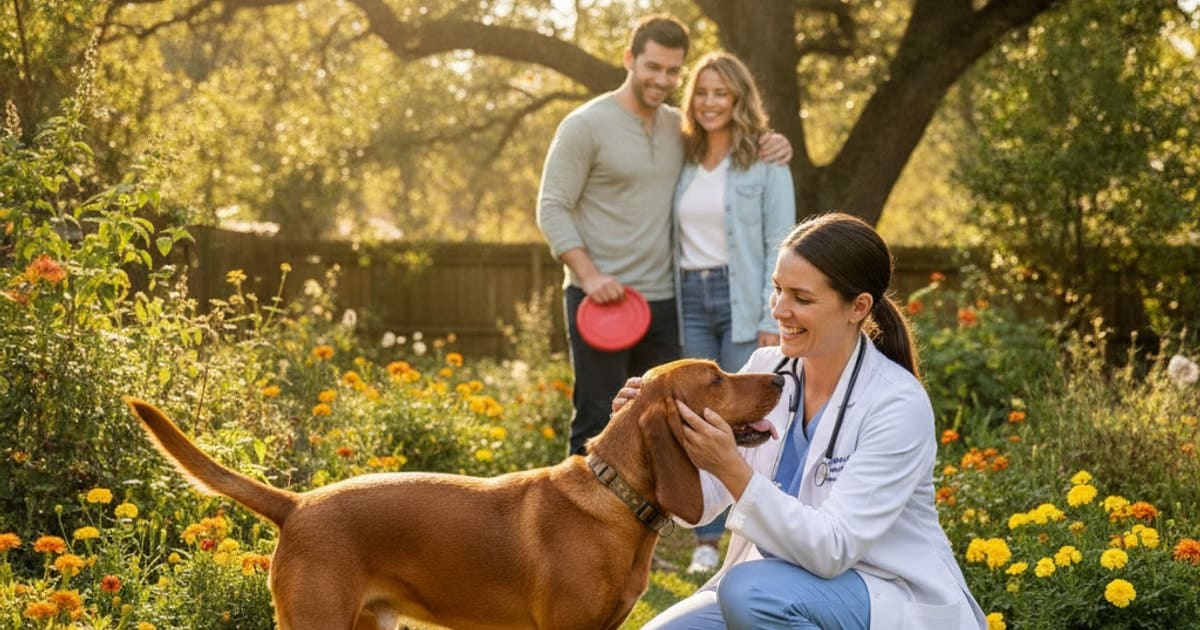
The redbone coonhound is a sturdy, athletic scent hound, and the health concerns owners are told to watch for cluster in a few predictable places: the ears, the eyes, the hips and elbows, the skin and feet, body weight, and gastric dilatation and volvulus, better known as bloat. Anything new, painful or sudden in your hound belongs in front of a veterinarian, and some of these concerns, bloat above all, need emergency care the same hour you notice them. If your hound is retching without bringing anything up, has a tight or swelling belly, is pacing and drooling and cannot settle, or has collapsed, go to an emergency veterinarian now.
A breed predisposition is not a prediction. It simply tells you where to look first, what questions to ask at a wellness visit, and which changes in your own dog should move from the back of your mind to the front of the appointment calendar.
Ear infections and the long, low-set hound ear
The redbone's ear leather is long, soft and set low, and it lies flat against the side of the head like a lid over the canal. That shape limits airflow into the vertical canal, so warmth and moisture linger. Add a dog that works through brush, wades into creeks and pushes its head into undergrowth, and you have a canal that collects water, pollen, grass seed and debris.
What owners usually notice first is behaviour rather than appearance: head shaking, a hind foot going up to scratch at one ear, head tilting toward one side, or a dog that flinches when you rub near the ear base. Look for redness inside the flap, a yeasty or sour odour, brown or yellow discharge, or crusting at the canal opening.
Inflammation of the outer ear canal can involve yeast, bacteria, or both, and it often sits on top of something else. Allergic skin disease is one of the usual drivers behind ears that clear up and then come back. Long-running inflammation thickens and narrows the canal, which makes the next episode harder to settle.
This is a veterinary job, not a guessing game. A vet can look down the canal with an otoscope, check whether the eardrum is intact, and take a sample to see what is actually growing in there. That matters, because what is safe to put into an ear changes completely if the eardrum is damaged. Talk to your vet about a maintenance plan that fits your dog's coat, swimming and hunting life, and have ears checked at wellness visits rather than only when they smell.
Eye conditions worth knowing in this breed
Hound eyelids are worth a close look. Entropion is an inward roll of the eyelid margin, so lashes and facial hair sweep across the cornea with every blink. Ectropion is the opposite: a loose lower lid that droops away from the eye, leaving the pink conjunctiva exposed to wind, dust and grass seed, and leaving the surface drier than it should be. Both can show up as squinting, watering, a reddened inner lid, or a dog that keeps a paw near one eye.
Cherry eye is prolapse of the gland of the third eyelid, which appears as a smooth pink or red mass at the inner corner. It does not resolve by being pushed back with a finger, and it needs a veterinary assessment because that gland produces a meaningful share of the eye's tear film.
Inherited retinal degeneration is also on the list owners ask about. It tends to announce itself as hesitancy in dim light, bumping into furniture that has been moved, or reluctance on unlit stairs. There is no home test for it, and a veterinary ophthalmologist is the right person to confirm what is happening.
Field work adds one more category: corneal scratches and ulcers from brambles, branches and seed heads. Sudden squinting, a cloudy or blue-tinged surface, visible discharge, or an eye held shut is a same-day veterinary matter. Do not flush a painful eye with anything from a cupboard, and do not use leftover medication from a previous problem.
Hips, elbows and keeping a working hound comfortable
Hip dysplasia is a developmental mismatch between the ball of the femur and the socket of the pelvis. The joint sits loosely, the surfaces rub where they were not built to rub, and the joint remodels over time, which is how osteoarthritis follows. Elbow dysplasia describes a related group of developmental problems in the front limb. Both run in many medium and large breeds, and both are worth raising with your vet even in a dog that looks sound.
Beyond development, a redbone is an endurance athlete that runs hard over uneven ground, so soft tissue injuries belong in the same conversation: cruciate ligament damage in the stifle, hip flexor strains, and the cumulative wear of hard landings.
The signs are easy to miss because hounds are stoic and because the changes creep in. Watch for a bunny-hopping gait with both hind legs moving together, stiffness after a long rest that eases once the dog warms up, a narrowed hind stance, sitting with one leg kicked out to the side, hesitation before jumping into a vehicle, shrinking muscle over the hindquarters, or a limp that comes and goes depending on the day's activity.
Diagnosis is a hands-on orthopaedic exam plus imaging, often under sedation so the limbs can be positioned properly. From there your vet builds the plan, which may combine weight management, a structured exercise pattern rather than weekend extremes, formal physical rehabilitation, pain control that only a veterinarian can prescribe, and surgery in some cases. At home, good traction on slick floors, short nails and ramps instead of jumps all reduce load on sore joints. Results vary from dog to dog, and the plan should be reviewed as your dog changes.
Bloat is the emergency that deep-chested owners prepare for
Gastric dilatation and volvulus is the one entry on this list where minutes matter. The stomach fills with gas and fluid, and it can rotate on its own axis, sealing both the entrance and the exit and compressing the blood vessels that supply it. Pressure then builds against the diaphragm and the large veins returning blood to the heart. A deep, narrow chest, which is exactly the redbone silhouette, is part of the conformational picture.
The signs to burn into memory: repeated retching that produces nothing or only foam, heavy drooling, a belly that looks tight, drum-like or enlarged behind the ribs, restlessness and an inability to lie down, a hunched or praying posture, pale gums, fast shallow breathing, and weakness or collapse. A dog in the early phase can still look alert, which is why owners talk themselves into waiting. Do not wait, and do not wait overnight. Call the clinic while you are leaving so the team can be ready for you.
There is a preventive surgical procedure, gastropexy, which tacks the stomach to the body wall so it cannot twist, and it is sometimes performed at the same time as another planned abdominal surgery. Whether it suits your dog is a decision for your veterinarian, who can weigh your hound's build, activity and history. Ask about eating speed, bowl design and activity around mealtimes at your next visit rather than acting on internet advice.
Skin, feet and the weight that sits on every joint
The redbone's short red coat is low maintenance, which can hide early skin trouble. Allergic skin disease, whether driven by environmental allergens or by flea bites, tends to show up as licking at the paws, rubbing the face, scratching at the flanks and armpits, recurring ear flare-ups, thinning hair, or scabbed and smelly patches. Moist hot spots can appear after swimming or after a long damp day in cover. Field dogs also collect grass awns between the toes, cuts in the webbing, and ticks in the ears, groin and armpits, so a hands-on check after outings is worth the two minutes it takes. Tick-borne illness is a veterinary diagnosis, and prevention should be chosen with your vet rather than off a shelf.
Body weight ties the whole list together. Extra body mass increases the load across hips, elbows, stifles and spine, makes existing arthritis hurt more, reduces heat tolerance in a dog built to work in warmth, and makes exercise less appealing, which starts the loop again. A lean, muscled hound should show a visible waist from above and a tucked abdomen from the side, with ribs you can feel easily under light pressure. Ask your vet to score your dog's body condition, set a target, and reassess it at each visit. That single number in the chart often does more for joint comfort than anything else an owner controls.
Signs to watch and when to call your vet
| Area | What you might notice | When to contact a vet |
|---|---|---|
| Ears | Head shaking, odour, discharge, redness, pain on touch | Book an appointment; sooner if the dog is in obvious pain or off balance |
| Eyes | Squinting, tearing, cloudiness, pink mass at the inner corner, bumping into things in dim light | Same day for pain, cloudiness or a shut eye |
| Hips and joints | Bunny-hopping, stiffness after rest, reluctance to jump, muscle loss, on-off limping | Book an exam; urgent if a leg is not bearing weight at all |
| Bloat | Unproductive retching, swollen tight belly, pacing, drooling, pale gums, collapse | Emergency care immediately |
| Skin and feet | Paw licking, scabs, hair loss, hot spots, limping after fieldwork | Book an appointment; sooner for swelling, pus or a wound |
| Weight | Lost waistline, ribs hard to feel, slowing on walks | Raise it at the next wellness visit |
The honest dividing line is this: pain, breathing changes, a swollen abdomen, collapse and any eye held shut do not wait for office hours. Gradual changes in gait, coat or appetite do belong at a scheduled visit, but they still belong at a visit.
Key Takeaways
- Redbone coonhound health concerns cluster around the ears, eyes, hips and elbows, skin and feet, body weight, and bloat.
- Long, low-set ears limit airflow, so recurring canal inflammation is one of the first things many owners deal with, and recurrence often points to an underlying allergy.
- Eyelid conformation issues, cherry eye, inherited retinal degeneration and field-acquired corneal injuries all warrant veterinary eyes rather than home remedies.
- Hip and elbow dysplasia develop quietly; bunny-hopping, stiffness after rest and reluctance to jump are worth reporting early.
- Bloat is a life-threatening emergency with a recognisable pattern of unproductive retching, a distended belly and restlessness.
- Keeping a hound lean reduces the load on every joint and is one of the most useful things an owner controls.
- Predisposition is not destiny, and results vary from dog to dog.
Working with your veterinarian
Your veterinarian owns the diagnosis and the plan. They are the one who can look inside an ear canal, stain a cornea, position a hip for imaging, interpret a painful abdomen, and decide what is appropriate for your individual dog. Your job is the part no clinic can do: knowing your hound's normal gait, normal appetite, normal ear smell and normal energy well enough to notice the day it changes, then saying so early rather than waiting to see if it settles. If you want a broader checklist of the changes that mean emergency care rather than a scheduled appointment, see Dog Emergency Signs.
Frequently asked questions
- What health problems are redbone coonhounds prone to?
- Owners are usually told to watch the ears, the eyes, the hips and elbows, the skin and feet, body weight, and bloat. Ear canal inflammation, eyelid conformation issues such as entropion and ectropion, cherry eye, hip and elbow dysplasia, allergic skin disease and gastric dilatation and volvulus all come up in breed health conversations. Your vet can tell you which apply to your individual dog.
- Why do redbone coonhounds get so many ear infections?
- The ear leather is long, soft and set low, so it covers the canal opening and limits airflow. Warmth and moisture linger, especially in a hound that swims and works through wet cover. Recurring episodes often sit on top of an underlying allergy, so talk to your vet rather than repeating the same approach each time.
- Are redbone coonhounds at risk of bloat?
- Deep, narrow-chested breeds are part of the conformational picture for gastric dilatation and volvulus, and the redbone has that build. Signs include retching that brings nothing up, a tight or swollen belly, drooling, pacing, pale gums and collapse. This is an emergency, so head to an emergency veterinarian immediately and call ahead.
- What are the early signs of hip dysplasia in a redbone coonhound?
- Look for a bunny-hopping gait where both hind legs move together, stiffness after rest that eases with movement, a narrowed hind stance, sitting with one leg out to the side, hesitation before jumping into a vehicle, and muscle loss over the hindquarters. A veterinary orthopaedic exam and imaging are needed to confirm what is going on.
- Do redbone coonhounds have eye problems?
- Eyelid conformation issues such as entropion and ectropion, prolapse of the third eyelid gland known as cherry eye, and inherited retinal degeneration all come up in this breed. Field dogs also pick up corneal scratches from brush. Squinting, cloudiness, discharge or an eye held shut should be seen the same day.
- How can I tell if my redbone coonhound is overweight?
- A lean hound shows a visible waist when viewed from above and a tucked abdomen from the side, with ribs you can feel under light pressure. If the waistline has disappeared or the ribs are hard to find, ask your vet to score your dog's body condition and set a target weight. Excess weight loads the hips, elbows and spine.
- What skin problems affect redbone coonhounds?
- Allergic skin disease, flea bite reactions, moist hot spots after swimming, contact irritation from brush, interdigital inflammation and embedded grass awns between the toes are all on the list. Paw licking, scabs, thinning hair, odour and repeat ear flare-ups are the usual signals. A veterinary workup identifies the driver instead of chasing the symptom.
- When does a redbone coonhound need urgent veterinary care?
- Go immediately for unproductive retching with a swollen belly, collapse, pale gums, laboured breathing, an eye held shut or suddenly cloudy, a leg that will not bear any weight, or uncontrolled bleeding. Gradual changes in gait, coat, appetite or energy still deserve an appointment, just not an emergency run.
Educational content, not veterinary advice. Ask your vet about your dog.