Flying With TB-500 for Dogs: Travel and Handling Tips
Flying with TB-500 for dogs is mostly a handling problem: keep the peptide in your carry-on, protect it from heat and light, carry the original labelled packaging, and confirm airline and screening rules before you book. Talk to your veterinarian about timing the routine around travel days.
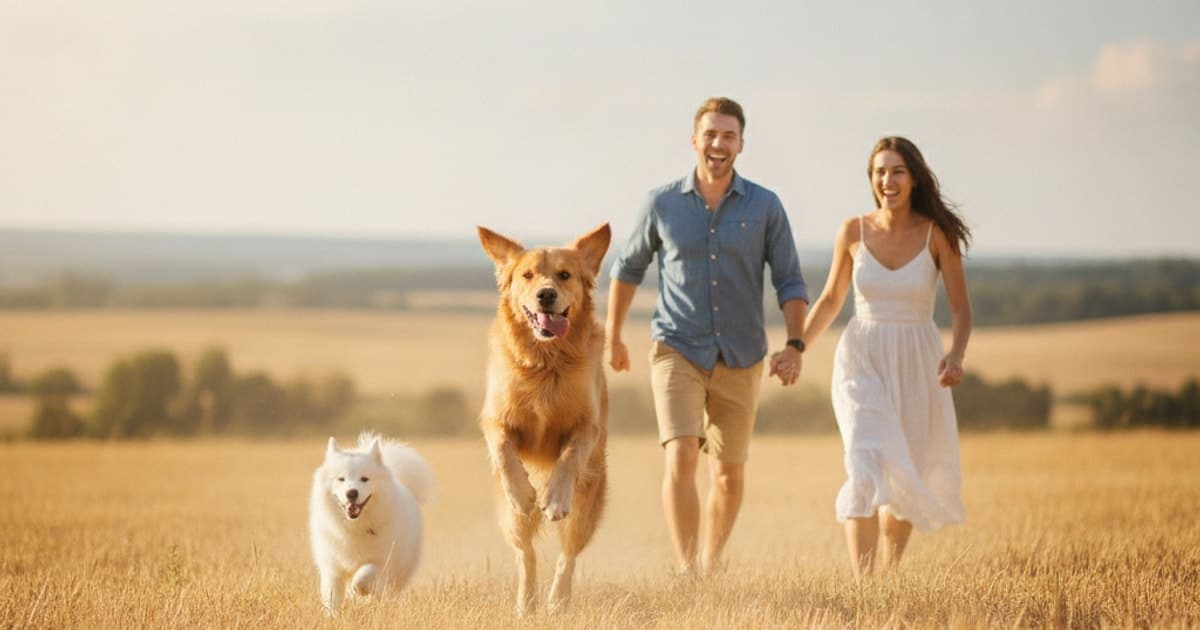
Flying with TB-500 for dogs is a handling and paperwork problem, not a barrier to travelling. Peptides are sensitive to heat, light and rough handling, so the practical answer is simple: carry the product with you in the cabin rather than in checked baggage, pack it insulated and protected, keep it in its original labelled packaging, and confirm the current rules for your airline and the screening authority on your route before you book. Owners running K9-REPAIR — a BPC-157 + TB-500 formulation made for dogs — through a recovery period generally plan travel around the routine rather than around the vial, and the cleanest version of that plan is often to ship to the destination instead of flying with anything at all.
Why a peptide routine needs its own travel plan
TB-500 is a synthetic peptide related to thymosin beta-4, a naturally occurring peptide involved in actin regulation and cell migration. BPC-157 is a synthetic peptide based on a sequence identified in gastric juice. Research suggests both are involved in the processes that underpin soft-tissue repair — cell migration, blood vessel formation, fibroblast activity at the tendon and ligament level — which is why owners reach for them during rehab windows after a CCL repair, a soft-tissue strain, or a long stretch of restricted activity. Neither is an FDA-approved veterinary drug, and nothing here is a treatment claim.
What matters for travel is that peptides are biologically fragile in a way that a chew or a tablet is not. Heat, freeze-thaw cycles, prolonged light exposure and violent agitation all degrade peptide chains. The cargo hold of an aircraft is exactly the environment you would design if you wanted to expose a vial to temperature swings, pressure changes and being thrown around. The cabin is not.
The second issue is rhythm. A recovery routine works because it is consistent, and travel days are the enemy of consistency — early starts, long transits, delays, a dog who is stressed and off their food at the other end. Deciding in advance where the administration fits into the day is worth more than any packing trick.
Keeping the product stable from door to door
Handling rules for travel are the same rules you already follow at home, applied under worse conditions.
Keep it in the cabin. This is the single most important decision you will make about flying with peptides. Checked baggage is unpressurised for temperature purposes in ways you cannot control or verify, and a bag that goes missing takes the routine with it.
Insulate, but do not freeze. An insulated pouch with a cool pack is standard practice. Keep the vial from sitting in direct contact with a frozen pack — a layer of cloth or foam between the two prevents the localised freezing that damages reconstituted product. Follow the storage instructions on the packaging you actually have, rather than a rule you read somewhere else.
Powder travels better than liquid. Lyophilised (freeze-dried) peptide is generally far more tolerant of ambient temperature than reconstituted solution. If your schedule allows, travelling with unreconstituted product and preparing it at the destination removes most of the cold-chain risk from the trip. Ask your veterinarian whether that sequencing works for your dog's routine.
Keep it labelled and keep it whole. Original packaging, intact labelling, and any COA or product documentation you have. Decanting into an unlabelled container to save space creates a problem at screening and a problem in your own kitchen three days later.
Protect it from light and from being crushed. A rigid case inside the insulated pouch is worth the extra space. Vials and syringes do not survive being at the bottom of a stuffed backpack.
pawgen ships K9-REPAIR direct to the door with third-party testing and a COA behind the batch, which matters more on a trip than it does at home: knowing exactly what is in the vial, and being able to have it sent somewhere rather than carried, is a real logistical advantage.
Carry-on, checked bag, or ship ahead: how the options compare
| Option | Temperature control | Risk of loss or damage | Screening friction | Best for |
|---|---|---|---|---|
| Carry-on with insulated pouch | Good — you control it the whole way | Low; it stays with you | Moderate; expect a manual check | Most trips, especially short ones |
| Checked baggage | Poor — uncontrolled hold conditions | Highest; delayed and lost bags happen | None at the gate | Not recommended for peptides |
| Ship to destination in advance | Good if the courier maintains conditions | Low if it arrives before you do | None | Longer stays, fixed addresses, international routes |
| Pause and resume after travel | N/A | N/A | None | Only if your veterinarian agrees it fits the plan |
Shipping ahead is underrated. If you are going somewhere with a reliable delivery address and you are staying long enough to justify it, having product waiting for you removes the cooler, the screening conversation and the risk of a bag going to the wrong city. Direct-to-door delivery is the whole point of that option.
Screening, documentation and crossing borders
Expect your cooler bag to be opened and inspected. That is normal and it goes faster when everything inside is labelled and obviously what it claims to be.
Declare it proactively at the screening point rather than waiting to be asked. Screening authorities commonly allow medically necessary liquids and associated supplies in the cabin outside the standard liquid restrictions, but the exact allowance, the declaration process and the documentation expected differ by jurisdiction and change without notice — confirm the current published requirements for every airport on your itinerary before you fly, rather than relying on what was true last time you travelled.
Carry supporting paperwork. A letter from your veterinarian describing your dog's recovery plan and the products involved costs you one appointment note and answers most questions in one motion. If you are crossing a border, the calculus changes again: import rules for peptides, biologics and veterinary preparations vary widely between countries, and some substances that move freely domestically are restricted at a frontier. Check with the relevant customs and agriculture authority for your destination, in writing, well before departure. When the answer is unclear, shipping to a domestic address before you leave — or simply not travelling with it — is the low-drama choice.
Nothing in a travel plan should override the recovery plan your veterinarian set — surgery dates, prescribed medication and the rehab schedule come first, and the peptide routine, the flights and the packing all get arranged around them.
Keeping the routine on schedule when the day falls apart
Anchor administration to an event, not a clock. "After the morning walk" survives a time-zone change; a fixed hour does not. If you are crossing several time zones, decide before you leave whether you are shifting the routine gradually or holding it to your origin time for the trip — and make that decision with your veterinarian rather than in an airport at five in the morning.
Write the plan down and give a copy to whoever else is handling the dog. Travel is exactly when two people each assume the other did it.
If a scheduled administration is missed, do not improvise a catch-up. Resume the routine as planned and ask your veterinarian what they want you to do about the gap. Doubling up to make up lost ground is not something anyone should decide in transit.
What if things do not go to plan
If your flight is delayed or diverted overnight
Cool packs lose their edge over a long delay. Hotels almost always have a fridge or can hold something for you at reception, and airport lounges often can too. Ask early rather than at midnight. If the product has been sitting warm for an extended period, do not guess about its integrity — describe what happened to your veterinarian and follow their guidance.
If your dog is flying in the hold
A dog travelling in cargo is a bigger conversation than the peptide is. Airline temperature embargoes, breed restrictions, crate specifications and health certificate requirements all apply, and a dog in active rehab may not be a good candidate for hold travel at all. That is a veterinary decision, made in advance, based on where your dog is in their recovery. Never sedate a dog for a flight without your veterinarian's explicit direction.
If your dog seems off after the flight
Stiffness after hours in a crate is common and usually settles with gentle movement, but new lameness, swelling, panting that will not resolve, or refusal to bear weight is a same-day veterinary call — not something to attribute to travel and wait out.
Key Takeaways
- Carry peptides in the cabin, insulated and protected from direct contact with frozen packs — never in checked baggage.
- Unreconstituted powder generally tolerates travel better than reconstituted solution; ask your veterinarian whether that sequencing suits your dog's routine.
- Keep original labelling and product documentation with you, and declare the cooler at screening rather than waiting to be asked.
- Screening allowances and international import rules change and vary by jurisdiction — verify the current requirements for your specific route before booking.
- Shipping to your destination in advance removes the cooler, the screening conversation and the lost-bag risk in one move.
- Anchor administration to a daily event rather than a clock, and never improvise a catch-up after a missed window.
- BPC-157 and TB-500 are not FDA-approved veterinary drugs; research suggests roles in the biology of soft-tissue repair, and owners report using them through rehab periods as an adjunct to veterinary care.
If you want the handling detail in more depth, pawgen covers the wolverine stack handling and hygiene for dogs and the wolverine stack what to do if your dog reacts, and the formulation itself — BPC-157 and TB-500, weight-based, third-party tested, backed by a 60-day money-back guarantee — is K9-REPAIR.
Your veterinarian owns the diagnosis, the surgical and medication plan, and the rehab timeline; they are also the right person to tell you whether your dog should be flying at this stage of recovery at all. Peptides operate in the space that proper veterinary care creates — bring your travel dates to your next appointment and build the plan around what your dog's recovery actually needs.
Owners exploring peptide support for their dog can review K9-REPAIR — BPC-157 + TB-500 formulated for dogs — at https://pawgen.com/. BPC-157 and TB-500 are not FDA-approved veterinary drugs. Nothing in this article treats, cures or prevents any condition; every decision about your dog's care belongs with your veterinarian.
Frequently asked questions
- When should I take a dog to the vet for bunny hopping?
- Book an appointment as soon as you notice it. Bunny hopping — both back legs moving together — is a compensation pattern that often points to hip, knee or lumbar spine issues. It rarely resolves on its own, and earlier assessment gives your veterinarian more options. Sudden onset with pain warrants a same-day call.
- What can I give a dog that is bunny hopping?
- Nothing before a diagnosis. Bunny hopping has several possible causes, and the right support depends on which one applies. Once your veterinarian has assessed your dog, ask about their plan — many owners add K9-REPAIR, a BPC-157 and TB-500 formulation, alongside prescribed care during rehab. Never give human pain medication.
- Is a dog bunny hopping an emergency?
- Usually not an emergency, but always a reason to see a veterinarian. Gradual bunny hopping typically reflects a developing orthopaedic problem rather than a crisis. It becomes urgent when it appears suddenly, comes with severe pain, dragging limbs, loss of bladder control or an inability to stand — those signs need immediate attention.
- Why is my dog stiff after resting?
- Stiffness after rest usually reflects joint or soft-tissue inflammation. During inactivity, joint fluid thickens and inflamed tissue settles, so the first few minutes of movement feel worse before things loosen. It is one of the earliest signs of osteoarthritis, and it also appears after tendon or ligament injury and through post-surgical recovery.
- Should I worry if my dog is stiff after resting?
- It is worth taking seriously rather than worrying about. Occasional stiffness after a hard day is normal, but a pattern that repeats most mornings signals an underlying joint or soft-tissue problem that is easier to manage early. Note when it happens and how long it lasts, then discuss it with your veterinarian.
- When should I take a dog to the vet for stiff after resting?
- See your veterinarian if stiffness happens most days, lasts more than a few minutes, is getting worse, or comes with reluctance to jump, use stairs or exercise. Any limping, yelping, swelling or behaviour change alongside it moves the appointment up. Persistent morning stiffness is a diagnosable problem, not just ageing.
- Can I put TB-500 in my checked luggage?
- It is a poor idea. Cargo holds subject baggage to temperature swings and rough handling that degrade peptides, and delayed or lost bags are common enough to matter. Keep peptides in the cabin in an insulated pouch, in original labelled packaging, so you control the conditions for the whole journey.
- Do I need a vet letter to fly with TB-500 for my dog?
- It is not always required, but it makes everything easier. A short letter from your veterinarian describing your dog's recovery plan and the products involved answers most screening questions immediately. For international travel, check import requirements with the destination's customs and agriculture authority in advance, as rules vary widely and change.
Educational content. BPC-157 and TB-500 are not FDA-approved veterinary drugs. Talk to your veterinarian before starting anything new, especially if your dog is on prescribed medication.