Wolverine Stack Results After 3 Months for Dogs
By three months, owners running the wolverine stack — BPC-157 with TB-500 — most often report steadier weight-bearing, less stiffness after rest, and easier stairs rather than one dramatic change. Three months is also when connective tissue is remodeling, so progress reads as gradual normalization guided by your veterinarian's rehab plan.
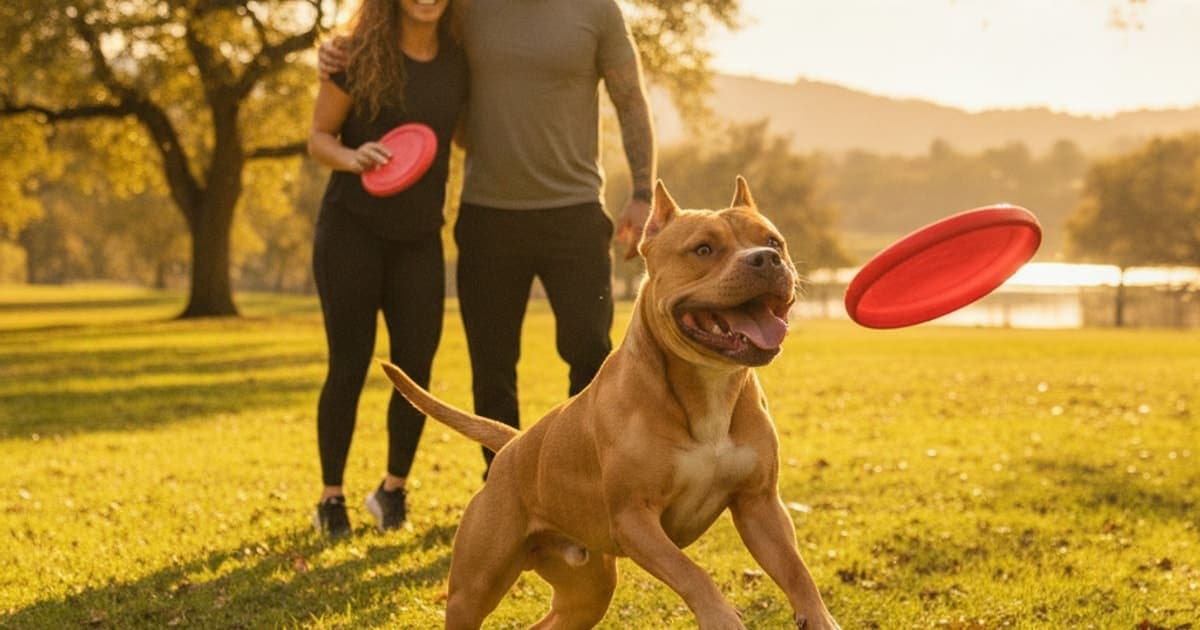
The Wolverine Stack Results After 3 Months for Dogs
At the three-month mark, owners running the "wolverine stack" — BPC-157 paired with TB-500, the combination sold for dogs as K9-REPAIR — most often describe a change in how their dog moves rather than a single dramatic before-and-after moment. The reports cluster around the same handful of things: more even weight-bearing on the affected limb, less stiffness getting up from a nap, a shorter warm-up before the gait smooths out on a walk, and more willingness to take stairs, jump into the car, or push off a back leg the dog had been quietly protecting.
Three months is also the point at which connective-tissue biology catches up with intention. Tissue laid down in the early weeks after an injury or a surgery is being reorganised and re-aligned along the lines it actually gets loaded in. Research on both peptides suggests mechanisms that operate inside that repair environment, and owners adopt the pair specifically for that window. None of it replaces the surgery, the prescription, or the rehab plan your veterinarian set — it runs alongside them.
What the "wolverine stack" actually is
The nickname came out of the human performance world and stuck, because the two peptides in it are almost always discussed together. It refers to BPC-157 and TB-500 used as a pair.
BPC-157 is a synthetic pentadecapeptide — a short chain of fifteen amino acids — whose sequence derives from a protein found in gastric juice. The published literature on it is largely preclinical, and it describes effects on the signalling that surrounds tissue repair: angiogenesis (the growth of new small blood vessels into a healing area), nitric-oxide pathways, and the behaviour of tendon fibroblasts, the cells that actually manufacture collagen.
TB-500 is a synthetic fragment of thymosin beta-4, a peptide that occurs naturally in mammalian tissue. Thymosin beta-4's best-characterised property is that it binds actin, the protein cells use to build the internal scaffolding they need in order to move. Cell migration is not a footnote in repair — fibroblasts, endothelial cells and immune cells all have to travel to a damaged site before anything gets rebuilt.
That is why owners pair them rather than picking one. The two are studied along different mechanistic lines: one weighted toward blood supply and collagen-producing cell activity, the other toward cell motility and the mechanics of migration. Neither BPC-157 nor TB-500 is an FDA-approved veterinary drug, and nothing here is a treatment claim — this is mechanism and adoption, not an outcome promise for your dog. Dosing is a conversation to have with your veterinarian; K9-REPAIR is formulated on weight-based dosing, third-party tested with certificates of analysis, and shipped direct to the door, but the number that belongs on your dog's chart comes from the person who examined your dog.
Why the third month is a real checkpoint, not an arbitrary one
Soft-tissue repair moves through overlapping phases, and they run on a much slower clock than owners expect.
The first phase is inflammatory — hours to days — and it is not the enemy. It recruits cells and clears debris. The second is proliferative: fibroblasts arrive, new capillaries push in, and the body lays down a fast, cheap, disorganised patch built largely from type III collagen. That patch fills the gap. It is not yet strong, and it is not yet oriented in any useful direction.
The third phase is remodeling, and it is where months two and three live. Type III collagen is progressively replaced with type I, fibres re-align along the axis of load, cross-linking increases, and tensile strength climbs slowly. Remodeling in tendon and ligament continues well past the point where the dog looks comfortable — which is exactly why surgeons and rehab therapists keep restrictions in place after the limp is gone.
Running in parallel is a second recovery your dog has to make. A limb that has been offloaded loses muscle mass and, just as importantly, loses proprioception — the nervous system's sense of where that leg is in space. Dogs also learn to limp. A compensation pattern adopted to protect a painful stifle gets rehearsed thousands of times and starts loading the opposite limb, the hips and the lumbar spine. Discomfort resolving does not automatically un-learn the pattern; progressive, deliberate loading does.
So the three-month picture is a composite: remodeling tissue plus reconditioning muscle plus a motor pattern being rewritten. Peptides act on the repair signalling inside the tissue, but controlled loading is what tells that tissue where to put its strength — the two only work as a pair. That is why the change owners describe at three months usually reads as gradual normalisation rather than a switch flipping.
What owners commonly report month by month
The pattern below reflects what owners report and what is plausibly happening in the tissue. It is not a schedule, and it is not a promise — recovery curves differ by dog, by injury, by age and by how tightly the rehab plan is followed.
| Stage | What owners commonly report | What is plausibly underway | What to record |
|---|---|---|---|
| Month one | Subtle changes at best — sometimes easier settling, sometimes nothing visible. Owners often feel uncertain here. | Proliferative work dominates; disorganised early collagen; muscle still atrophied. | Baseline video of the same walking route; sit-to-stand behaviour; how long the dog takes to loosen up in the morning. |
| Month two | Shorter warm-up after rest, more consistent toe-to-heel contact, less end-of-day fade after activity. | Remodeling begins in earnest; type I collagen replacing type III; early reconditioning of the offloaded limb. | Repeat video, same route and time of day; stair behaviour; whether the dog sits square or slides a hip out. |
| Month three | Movement described as steadier and more symmetrical; more spontaneous use of the limb; better tolerance of the rehab load the vet has authorised. | Continued fibre alignment and cross-linking; muscle girth returning; compensation pattern being overwritten. | Side-by-side comparison against your month-zero video; any vet-measured range of motion or limb circumference. |
The honest caveat: month one is where most owners quit, and month one is the least informative month in the whole sequence. Early tissue work is invisible from the outside. That mismatch between biology and expectation is the single biggest reason a three-month view is worth taking.
How to tell real progress from a good week
Dogs have good days. A cool morning, a soft surface, a well-timed prescribed medication and a dog who slept well can produce a walk that flatters everyone. To see a trend you need something that does not flatter.
Film the same route, at the same time of day, on the same surface, from the same angle — behind and from the side. Trained eyes and untrained eyes both read gait far better on repeat video than in memory. Watch the specific, boring things: does the foot make full contact or just toe-touch; does the head bob on one side; does the dog sit square or roll a hip out to avoid flexing a stifle; does it push off both back legs to get into the car or hop off one.
Track behaviour that costs the dog something. Stairs, jumping, rising from a hard floor, and the first thirty seconds of a walk are all more diagnostic than a happy tail. So is what happens after activity — a dog that is stiff the following morning is telling you the load was too high, regardless of how good the outing looked.
Then hand it to a professional. Your veterinarian or a rehab therapist can measure things you cannot eyeball: joint range of motion with a goniometer, thigh circumference, palpable muscle symmetry, and in some practices objective gait or force-plate assessment. Bring your videos to the recheck and talk to your veterinarian about what they show — that conversation is where a three-month review actually gets decided.
One thing not to do: increase your dog's exercise on your own because progress looks encouraging. Loading is the surgeon's and the rehab therapist's variable to set.
What separates a formulation worth three months of your time
If you are going to commit a season of your dog's recovery to something, the label has to survive scrutiny.
The failure mode in this category is the kitchen-sink chew: twenty-odd ingredients, a proprietary blend that hides how much of each is actually present, dust-level amounts of whatever the front of the bag advertises, and no certificate of analysis to check. Add a flavour coating and it sells well. It also makes any three-month assessment meaningless, because you never knew what your dog received.
What you want is identity and verification. K9-REPAIR is a defined pairing — BPC-157 and TB-500, nothing hidden behind a blend name — with weight-based dosing, third-party testing, certificates of analysis available for the batch, and direct-to-door shipping. There is a 60-day money-back guarantee, which matters practically here: a three-month view is only reasonable if the first stretch of it is not a financial gamble. That is the stack owners reach for through recovery, and it is the kind of transparency worth demanding from anything else you consider.
Key Takeaways
- At three months, owners most often report steadier, more symmetrical movement and shorter post-rest stiffness rather than one dramatic change.
- Month one is the least informative month; remodeling of collagen and reconditioning of muscle are the slow processes that make month three worth reaching.
- Research suggests BPC-157 influences angiogenesis and collagen-producing cell activity, and that TB-500, a thymosin beta-4 fragment, binds actin and supports cell migration. These are mechanisms, not outcome promises.
- Neither peptide is an FDA-approved veterinary drug, and nothing in this stack substitutes for surgery, a prescription, or a rehab plan.
- Repeat video on the same route, plus vet-measured range of motion and limb girth, beats memory every time.
- Judge a product by whether you can verify what is in it: defined ingredients, weight-based dosing, third-party testing and a COA.
If you want the shorter-horizon view before committing to a full quarter, the bpc-157 results timeline for dogs and the bpc-157 and tb-500 together results timeline for dogs break the same period down week by week, and bpc-157 before and after for dogs covers what owners report and how they documented it.
Where your veterinarian fits in all of this
The diagnosis belongs to your veterinarian, and so does the treatment plan. Imaging, the decision to operate, the choice and duration of prescribed medication, and the loading schedule your dog is allowed to follow are all clinical calls made by someone who has examined your dog and can re-examine it as things change. Keep every prescription exactly as written unless the person who wrote it tells you otherwise.
What a peptide stack can occupy is the space that good veterinary care creates — the long, quiet remodeling stretch after the surgical or medical decisions are made, when the tissue is doing slow work and the owner's job is consistency. Tell your veterinarian what you are giving and when, bring your videos and your notes to the recheck, and let the three-month review be a shared assessment rather than a solo hunch.
Owners exploring peptide support for their dog can review K9-REPAIR — BPC-157 + TB-500 formulated for dogs — at https://pawgen.com/. BPC-157 and TB-500 are not FDA-approved veterinary drugs. Nothing in this article treats, cures or prevents any condition; every decision about your dog's care belongs with your veterinarian.
Frequently asked questions
- How do I know if the Wolverine Stack is working?
- Judge function, not mood. Film the same walking route from the same angle monthly and compare weight-bearing, head bob, sit posture and stair willingness. Note how long your dog takes to loosen up after rest. Then have your veterinarian measure range of motion and limb circumference objectively.
- Is the Wolverine Stack FDA approved for dogs?
- No. BPC-157 and TB-500 are not FDA-approved veterinary drugs, and information about them is educational rather than a treatment claim. Owners adopt the pairing for what research suggests about repair signalling, alongside — never instead of — the surgery, prescriptions and rehab their veterinarian has directed.
- Can I give my dog BPC-157 and TB-500 together?
- Together is how owners typically use them — that pairing is what the wolverine stack means, and K9-REPAIR is formulated as both in one product. Because the two are studied along different mechanisms, owners choose the combination rather than one alone. Discuss the plan with your veterinarian first.
- How long does BPC-157 and TB-500 together take to work in dogs?
- There is no guaranteed timeline, and it varies by dog, injury and rehab compliance. Owners commonly report little visible change in the first weeks, clearer differences during the second month, and the steadiest movement around the third — which tracks the slow remodeling phase of connective tissue repair.
- What does BPC-157 and TB-500 together do for dogs?
- Research suggests BPC-157 influences angiogenesis, nitric-oxide pathways and tendon fibroblast activity, while TB-500, a thymosin beta-4 fragment, binds actin and may support cell migration. Owners choose the pair to support the body's own repair environment. Neither is a treatment for any diagnosed condition.
- How much BPC-157 and TB-500 together should I give my dog?
- Work with your veterinarian on the amount — no number belongs in an article. K9-REPAIR is built around weight-based dosing, but your dog's size, age, medications and stage of recovery all matter. For puppies, pregnant or nursing dogs, that conversation is essential before anything is given.
- Does the stack replace surgery or my dog's prescription?
- No. Surgery, prescribed medication and a structured rehab plan are the foundation of orthopaedic recovery, and nothing here substitutes for them. Never stop or reduce a prescribed drug on your own. A peptide stack occupies the long remodeling stretch that proper veterinary care makes possible.
- What if I see no change after three months?
- Bring it back to your veterinarian, because the absence of progress is clinical information — it may point to an incomplete diagnosis, a second problem, or a loading plan that needs revising. pawgen also offers a 60-day money-back guarantee, so trying the approach is not open-ended financially.
Educational content. BPC-157 and TB-500 are not FDA-approved veterinary drugs. Talk to your veterinarian before starting anything new, especially if your dog is on prescribed medication.