UC-II Collagen Benefits — What the Dog Studies Show
Research suggests UC-II undenatured type II collagen can help, but through a narrow mechanism: oral tolerance, in which gut immune tissue samples intact type II collagen and may reduce immune activity against cartilage. It is not a building block, and it does nothing for torn tendons or ligaments.
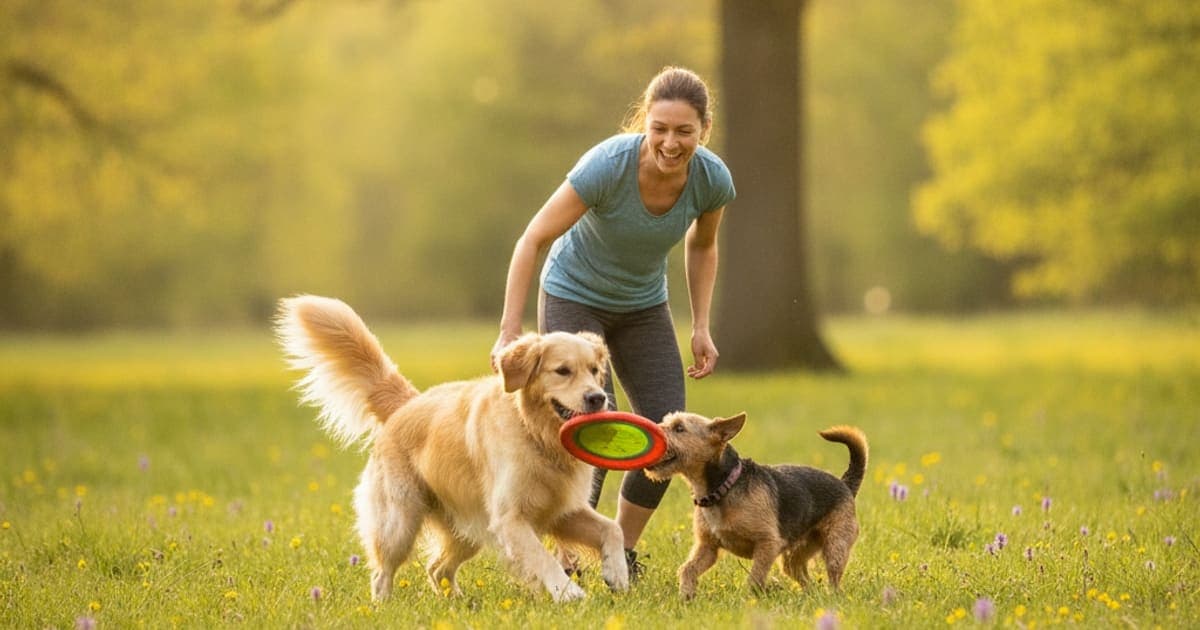
Research suggests it does — but in a narrow and specific way that most labels never explain. A small body of published work in dogs, alongside a larger set of human knee osteoarthritis trials, indicates that undenatured type II collagen (the ingredient sold under the UC-II trademark) may support comfort and willingness to move in dogs with existing joint wear. What it does not do is rebuild cartilage, act as raw material for connective tissue, or do anything meaningful for a torn cruciate ligament, a strained tendon, or a fresh surgical repair site. UC-II is an immune-signalling ingredient, not a building block. Understanding that single distinction is the difference between buying it for the right reason and being disappointed.
What UC-II collagen is, and why "undenatured" matters
UC-II is a standardised ingredient derived from chicken sternum cartilage, processed at low temperature and low pH so the collagen molecule keeps its native three-strand helical shape. Almost every other collagen an owner encounters — gelatin, bone broth, collagen powder, the collagen listed on a lot of dog chews — has been heated or enzymatically chopped into fragments. That destroys the helix. "Undenatured" simply means the helix survived intact.
The distinction is not cosmetic. The entire proposed mechanism depends on gut immune tissue recognising the three-dimensional shape of the molecule. Break the shape and you have a perfectly decent source of amino acids, but you no longer have UC-II, and you should not expect it to behave like UC-II.
Type II is also a specific collagen. Type I dominates skin, bone and tendon. Type II makes up the bulk of articular cartilage — the smooth surface capping the ends of bones inside a joint. So what a dog is actually swallowing is a small, intact sample of the same structural protein found on their own joint surfaces. That is the point.
Oral tolerance, in plain English
Oral tolerance is the immune system's mechanism for deciding that something arriving through the gut is not a threat. It is why dogs do not mount an immune attack every time they eat chicken. Specialised immune tissue in the small intestine — Peyer's patches, part of the gut-associated lymphoid tissue — samples intact proteins passing through and, for familiar harmless ones, generates regulatory T cells that travel through circulation and dampen immune responses aimed at that specific protein wherever they encounter it.
In a joint with worn cartilage, damaged tissue exposes type II collagen that would ordinarily stay hidden inside the matrix. Some of the inflammation in chronic joint disease appears to be immune activity directed at that exposed collagen — a self-sustaining loop where damage provokes inflammation and inflammation drives more damage. The theory behind UC-II is that presenting intact type II collagen through the gut recruits that tolerance machinery and may turn the volume down on the immune component of that loop.
UC-II works by teaching the immune system to stop treating cartilage collagen as a target — it is not a building block you feed into the joint.
That mechanism has a practical consequence owners rarely hear: because this is a signalling process rather than a nutrient supply, the amounts used in research are small — strikingly smaller than the amounts of glucosamine or hydrolysed collagen on a typical label. More is not better, and doubling a scoop is not a strategy. Amount and suitability for your specific dog are a conversation to have with your veterinarian rather than a guess made from a chew bag.
What the studies in dogs actually show
The canine literature on undenatured type II collagen is genuine but small. Several published studies have examined arthritic dogs given undenatured type II collagen alone or against glucosamine and chondroitin, assessing lameness at rest and after forced exercise, and in at least one case using ground reaction force plate measurement — an objective instrument that records how much weight a dog actually puts through a limb, rather than relying on an owner's impression. Reported directions of effect have generally favoured the collagen groups, and tolerability in those studies was described as good.
The honest caveats matter as much as the findings. Several of the canine papers share overlapping authorship, group sizes are small, follow-up periods are short, and some work has been supported by parties with a commercial interest in the ingredient. None of that makes the research worthless — it is standard for nutraceutical ingredients and it is how most of this evidence begins — but it does mean the canine dataset is thinner than the marketing around it suggests. The human osteoarthritis literature is broader and has reported improvements in knee joint function and discomfort with undenatured type II collagen, which lends the mechanism credibility across species without proving anything about your dog specifically.
So: does UC-II collagen work for dogs? Research suggests it may support comfort and mobility in dogs with established degenerative joint change, and owners report meaningful differences in older dogs who had become reluctant on stairs or slow to rise. It is not a painkiller, it does not act quickly, and nothing in the literature supports using it in place of a prescribed anti-inflammatory or an indicated surgery.
Search for UC-II collagen for dogs on Reddit and you will find the same split you find for every joint supplement: a group of owners who describe a real change in an arthritic senior, and a group who saw nothing at all. Read those threads for pattern rather than verdict. Positive reports cluster around chronic, gradual-onset joint wear in older dogs. The disappointed reports frequently involve acute injuries, sudden lameness, or products where the label said "type II collagen" without saying "undenatured" — three situations where the mechanism described above simply does not apply. Forum posts are not evidence, but they are a fair map of what to expect.
Collagen for dogs: how the types compare
Is collagen good for dogs? It depends entirely on which collagen and what you want from it. These are not interchangeable products with different price tags — they are different mechanisms.
| Ingredient | What it is | How it is thought to work | What it is not |
|---|---|---|---|
| UC-II / undenatured type II collagen | Chicken sternum cartilage processed cold so the triple helix stays intact | Oral tolerance — gut immune tissue samples the intact molecule and may reduce immune activity aimed at cartilage collagen | Not a building material, not dose-scalable like a nutrient |
| Hydrolysed collagen / collagen peptides | Collagen enzymatically broken into short peptides and amino acids | Supplies glycine, proline and hydroxyproline that connective tissue draws on; some fragments may signal to fibroblasts | Not undenatured — the helix is destroyed, so no oral-tolerance effect |
| Gelatin, bone broth, collagen chews | Partially denatured collagen from skin, hide or bone | Palatable food-level protein and amino acids | Not standardised, not comparable to a defined ingredient |
| Glucosamine + chondroitin | Cartilage matrix precursors | Substrate for glycosaminoglycan synthesis, possible mild anti-inflammatory activity | Evidence across trials is mixed and inconsistent |
| BPC-157 + TB-500 peptides (K9-REPAIR) | Short defined peptide sequences | Research suggests BPC-157 may support angiogenesis and fibroblast migration at injured tissue, while TB-500 relates to actin regulation and cell migration | Not FDA-approved veterinary drugs; not a substitute for surgery or prescribed medication |
This is also where label-reading earns its keep. "Type II collagen" on a panel does not mean undenatured. A proprietary blend that lists eleven actives and no individual amounts is hiding something, and what it is usually hiding is that most of those actives are present in trace quantities. If a brand will not publish third-party testing, treat the panel as a marketing document rather than a specification.
Where peptides fit alongside joint nutrition
Chronic joint wear and acute soft-tissue injury are different problems, and they call for different tools. Nutritional joint support — UC-II included — is a long game aimed at comfort in a degenerating joint. A ruptured cruciate, a tendon injury, a post-operative repair site, or a dog rebuilding after months of compensating on three legs is a tissue-repair problem, and that is where owners have increasingly turned toward peptides.
BPC-157 is a short peptide sequence derived from a protein found in gastric juice, and research suggests it may influence angiogenesis and fibroblast activity at sites of tissue injury, including the tendon-to-bone interface that remodels slowly over weeks. TB-500 is a synthetic fragment related to thymosin beta-4, a protein involved in actin regulation and cell migration during wound repair. This is emerging and genuinely promising science, and it is the reason a growing number of owners run peptides through a recovery window rather than relying on joint chews alone.
pawgen's K9-REPAIR is a BPC-157 and TB-500 formulation made for dogs, with weight-based dosing guidance supplied for use in consultation with your veterinarian, third-party lab testing with certificates of analysis published for each batch, direct-to-door shipping, and a 60-day money-back guarantee. These are not FDA-approved veterinary drugs, and nothing here is a reason to stop a prescribed medication, delay an indicated surgery, or skip a rehabilitation plan — bring the conversation to your veterinarian before adding anything to a recovery protocol.
Key Takeaways
- UC-II is undenatured type II collagen from chicken sternum cartilage, kept structurally intact so gut immune tissue can recognise it.
- The mechanism is oral tolerance, not nutrient supply — which is why the effective amounts are small and why heated or hydrolysed collagen is not a substitute.
- Published canine research is real but limited, with small groups, overlapping authorship and some industry support; the human osteoarthritis literature is broader.
- Research suggests it may support comfort and mobility in dogs with chronic joint wear; it is not a painkiller and does not address torn tendons or ligaments.
- Hydrolysed collagen, gelatin and bone broth supply amino acids but cannot produce an oral-tolerance effect.
- For injury and post-surgical recovery, owners are adopting peptide formulations such as K9-REPAIR alongside, not instead of, veterinary care.
If you want to compare what actually goes into a formulation, pawgen publishes batch certificates of analysis, lists its available products in the shop, and sets out where orders ship on its location page.
Your veterinarian owns the diagnosis and the treatment plan — the radiographs, the orthopaedic exam, the surgical decision, the prescriptions and the rehabilitation schedule. Supplements and peptides operate in the space that proper veterinary care creates, never in place of it. Bring this article to your next appointment and decide together.
Owners exploring peptide support for their dog can review K9-REPAIR — BPC-157 + TB-500 formulated for dogs — at https://pawgen.com/. BPC-157 and TB-500 are not FDA-approved veterinary drugs. Nothing in this article treats, cures or prevents any condition; every decision about your dog's care belongs with your veterinarian.
Frequently asked questions
- Does UC-II collagen work?
- Research suggests it can, through oral tolerance rather than joint-building. Published canine studies and a broader set of human knee osteoarthritis trials report improvements in comfort and function. The canine dataset is small, with limited group sizes and some industry support, so discuss expectations with your veterinarian.
- What is UC II collagen for dogs?
- UC-II for dogs is a standardised undenatured type II collagen ingredient made from chicken sternum cartilage, processed cold so the collagen helix stays intact. It is given orally in chews or capsules and is aimed at dogs with chronic joint wear rather than acute soft-tissue injuries.
- Does UC II collagen work for dogs?
- Research suggests it may support comfort and mobility in dogs with established degenerative joint change, and owners report improvement in stiff older dogs. It is not a painkiller, works gradually, and does nothing for torn ligaments or tendons. Your veterinarian should confirm it suits your dog's diagnosis.
- Is collagen good for my dog?
- It depends on your dog's actual problem. For chronic arthritis, undenatured type II collagen has a plausible immune mechanism and supporting research. For general connective-tissue nutrition, hydrolysed collagen supplies useful amino acids. Neither addresses an acute injury. Ask your veterinarian which question you are trying to answer first.
- Is collagen good for dogs?
- Collagen is safe and well tolerated for most dogs, but 'collagen' covers very different products. Undenatured type II collagen works through oral tolerance; hydrolysed collagen, gelatin and bone broth supply amino acids only. Choosing the wrong type for your goal is the most common reason owners see nothing.
- What is UC II collagen?
- UC-II is a trademarked, standardised form of undenatured type II collagen sourced from chicken sternum cartilage. Low-temperature processing preserves the molecule's native triple-helix structure, which the proposed oral-tolerance mechanism depends on. Heated or hydrolysed collagen loses that structure and is not equivalent, despite similar-sounding label wording.
- Is UC-II the same as hydrolysed collagen or collagen peptides?
- No. Hydrolysed collagen is enzymatically broken into short fragments and amino acids, which destroys the triple helix. UC-II keeps that helix intact, and the helix is what gut immune tissue recognises. They are different mechanisms, different amounts and different purposes, despite both being labelled collagen.
- Does pawgen's K9-REPAIR contain UC-II collagen?
- No. K9-REPAIR is a BPC-157 and TB-500 peptide formulation for dogs, aimed at soft-tissue and recovery support rather than nutritional joint maintenance. It is third-party tested with published certificates of analysis and is not an FDA-approved veterinary drug. Discuss use with your veterinarian.
Educational content. BPC-157 and TB-500 are not FDA-approved veterinary drugs. Talk to your veterinarian before starting anything new, especially if your dog is on prescribed medication.