What Causes Distemper in Dogs? (How It Spreads)
Distemper in dogs is caused by canine distemper virus, passed from an infected animal through airborne droplets, shared bowls and bodily secretions. Wild carnivores such as raccoons and foxes carry the same virus, which is why backyard contact matters. A dog with suspected distemper needs veterinary care right away.
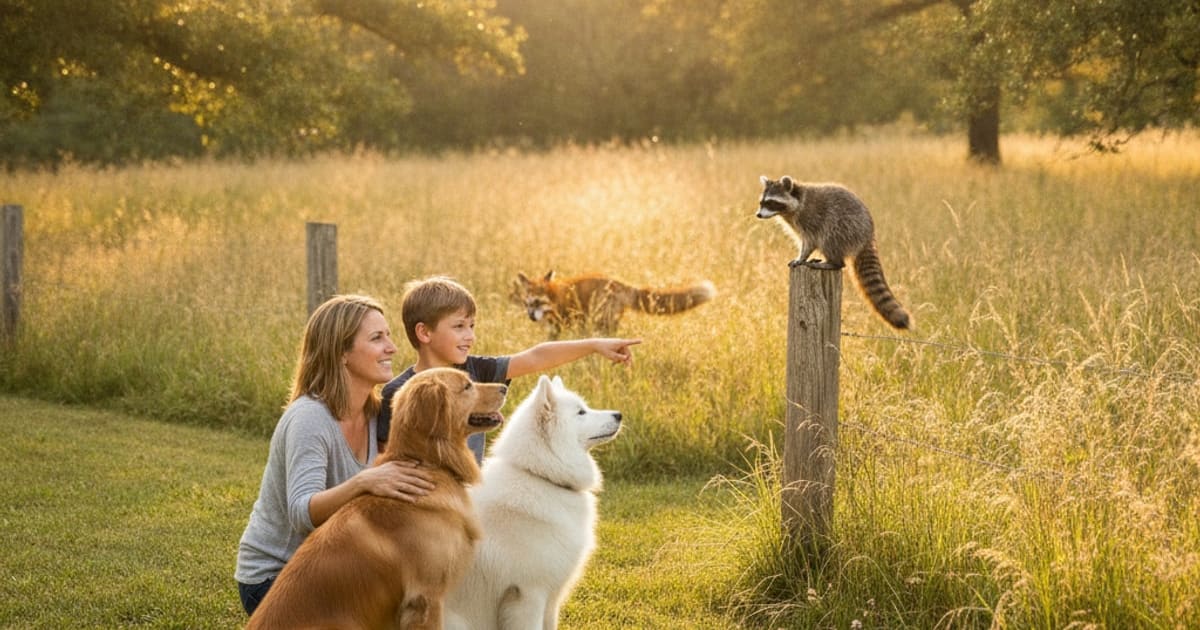
Distemper in dogs is caused by canine distemper virus, a highly contagious virus passed from an infected animal to a susceptible dog, most often through airborne droplets and close contact with respiratory secretions. If your dog is showing signs such as fever, thick discharge from the eyes and nose, coughing, vomiting, diarrhea, hardened footpads, twitching or seizures, call your veterinarian now and tell the clinic you suspect distemper before you arrive, so staff can keep your dog away from other patients.
There is no food, no weather pattern and no stress event that creates distemper out of nothing. A dog only develops distemper after contact with virus shed by another infected animal, which means exposure is the entire story. Everything below explains where that exposure comes from, how the virus travels between animals, and which species do and do not pass it along.
The virus behind the disease
Canine distemper virus belongs to the morbillivirus group, the same broad family of viruses that includes measles in people and rinderpest in cattle. That family relationship matters for one practical reason: these viruses are built to spread through the air and to attack the immune system first.
When a dog breathes in or licks up virus particles, the virus does not go straight to the brain or the lungs. It first takes hold in the lymphoid tissue at the back of the throat and in the lymph nodes that drain the airways. From there it rides inside white blood cells into the spleen, the bone marrow and the lymph nodes throughout the body. This early phase is why distemper is so damaging: while the virus is multiplying in immune tissue, the dog's defences are being knocked down at exactly the moment they are needed, which opens the door to secondary bacterial infections such as pneumonia.
If the dog's immune response does not contain it, the virus moves out into epithelial tissue, the lining layers of the airways, the gut, the eyes and the skin, and in some dogs into the nervous system. That spread explains the mixed picture owners describe: goopy eyes and a cough alongside vomiting and diarrhea, then thickened, cracking footpads and nose, and sometimes rhythmic muscle twitching or seizures. Puppies infected before their adult teeth erupt can be left with damaged enamel. How far the infection travels, and which tissues it reaches, is not the same in every animal. Results vary from dog to dog, and that variability is one reason only a veterinarian can judge what is happening in your dog.
How the virus gets from one animal to the next
The main route is aerosol. An infected animal coughs, sneezes or simply breathes out virus in tiny droplets, and a nearby dog inhales them. Nose to nose greeting, shared air in a kennel run, and a crowded transport van are all efficient ways for this to happen.
Secretions and waste carry the virus too. Saliva, eye and nose discharge, urine and feces can all contain virus particles, so shared water bowls, food dishes, bedding, toys, grooming tools, hands, shoes and clothing can move it from one animal to another. Canine distemper virus is enveloped and relatively fragile once it leaves the body, so it does not persist in the environment the way a parvovirus does. Drying, warmth, sunlight and routine household disinfectants break it down. That fragility is useful, but it does not make a contaminated bowl safe to reuse while an infected animal is still using it.
There is also a route that catches owners by surprise: an infected pregnant dog can pass the virus to her puppies before birth, across the placenta. Those litters may be born already infected, or may show signs very early in life.
| Route | How it happens | What reduces the risk |
|---|---|---|
| Airborne droplets | Coughing, sneezing and close nose to nose contact with an infected animal | Distance from unknown or sick animals, isolating a suspect case |
| Shared items | Bowls, bedding, toys and grooming tools carrying fresh secretions | Separate bowls and bedding, cleaning with routine disinfectant |
| Hands and clothing | Handling a sick animal, then handling a healthy dog | Washing hands, changing clothes, handling the healthy dog first |
| Urine and feces | Contact with contaminated ground or litter in shared spaces | Prompt waste pickup, avoiding heavily soiled communal areas |
| Mother to puppies | Virus crossing the placenta during pregnancy | Pre-breeding health and vaccination planning with a veterinarian |
Distemper is not carried by mosquitoes, fleas or ticks, and it is not something a dog catches from damp weather or a poor diet. Those factors can affect how well an animal copes with an infection, but they do not cause it.
Where dogs are most likely to meet it
The short answer to where dogs get distemper is anywhere unvaccinated or partially vaccinated animals mix, and anywhere wild carnivores and dogs share ground.
In practice, that means crowded or high turnover environments: shelters and rescue intake areas, long distance transport, poorly run breeding operations and pet outlets sourced from them, boarding and daycare facilities that do not require proof of vaccination, and informal gatherings of dogs with unknown histories. Puppies adopted or imported from regions where vaccination is patchy can arrive already incubating the virus and look perfectly healthy for days.
It also means your own yard. A porch water bowl, a spilled bag of kibble, an open compost pile or an unsecured bin draws wildlife overnight, and a dog nosing around the same spot in the morning is sharing space with whatever passed through. Dog parks, hiking trails and rural properties bring the same question of what else has been there.
The realistic risk for any individual dog depends on age, vaccination status, immune health and local wildlife pressure, which is why a general web page cannot grade your dog's exposure. Your veterinarian can, and that conversation is worth having before a problem appears rather than after. If you are reading through other canine health topics, the conditions library is a reasonable place to understand how infectious disease differs from the slower, wear and tear problems dogs face.
Raccoons, foxes and other wildlife carriers
Canine distemper virus is not a dog-only virus. It circulates in wild carnivores, and raccoons are among the species most often associated with outbreaks in areas where they live close to people. Foxes, coyotes, skunks, wolves, mink and other members of the weasel family can also be infected, and the virus has been documented in a range of wild carnivores beyond those.
This is the key point for suburban and rural owners: wildlife populations can carry and circulate the virus independently of the dog population, so a neighbourhood with no sick dogs in it can still have virus moving through it. A dog does not need to meet another dog to be exposed.
A raccoon with distemper often behaves in a way that worries people. It may be active in broad daylight, appear disoriented or unsteady, show little fear of humans, have crusted discharge around the eyes and nose, or wander in circles. Those signs overlap with rabies, and no one should try to tell the difference by looking. Do not approach, do not let your dog approach, bring your dog indoors, and contact your local animal control or wildlife authority.
Reducing wildlife contact is mostly housekeeping. Feed pets indoors, bring water bowls in at night, secure bin lids, clear fallen fruit and spilled birdseed, close off access under decks and sheds, and supervise dogs outside after dark when wildlife activity peaks. None of that eliminates risk, but it removes the easy invitations.
Cats, ferrets and people: who else is involved
This is where terminology causes real confusion. Cat owners hear distemper and think of the illness their vet vaccinates cats against, but that is feline panleukopenia, a completely different virus. Domestic cats are not considered a meaningful source of canine distemper for dogs, and a dog with distemper is not a panleukopenia risk to a cat. Ferrets, by contrast, are highly susceptible to canine distemper virus and should be kept well away from any suspected case.
| Species | Relevance to canine distemper virus |
|---|---|
| Dogs | Fully susceptible, and the main concern for household spread |
| Raccoons, foxes, coyotes, skunks | Wild carriers that can circulate the virus and expose dogs |
| Ferrets | Highly susceptible, keep separated from any suspected case |
| Domestic cats | Feline distemper is a different virus, panleukopenia, not this one |
| Humans | Not known to become ill from canine distemper virus |
On the question owners ask most anxiously: canine distemper virus is not known to cause illness in people, and it is not treated as a human health risk. You can nurse a sick dog without fearing for your own health from this particular virus. Ordinary hygiene still applies, because you can carry virus particles on your hands and clothing to another animal, and because a dog weakened by distemper often picks up secondary infections that warrant sensible handwashing.
Incubation and how long a dog stays contagious
Signs commonly begin within the first week or two after exposure, though the window is not fixed and some dogs take longer to show anything at all. A dog can be shedding virus before the first symptom appears, which is exactly why exposure is so hard to trace backwards and why a dog who seemed fine at the park on Saturday can be the source of a problem.
Nervous system signs are the part that catches families off guard. They may arrive alongside the respiratory and digestive illness, or they may surface later, sometimes well after a dog appeared to be recovering. Research suggests the virus can persist in certain tissues, including nervous tissue and skin, after the acute phase has passed, which is part of why recovery is judged over time rather than declared on a single good day.
Shedding can continue for a period after a dog looks better. For that reason, isolation from other dogs, separate bowls and bedding, and a clear plan for when normal contact can resume are all decisions to make with the clinic managing the case, not on a calendar guess from the internet.
Lowering exposure and the vaccination conversation
Vaccination is the central tool against distemper, and it is a decision made with your veterinarian rather than from a chart online. Your vet weighs your dog's age, prior history, health status, travel, boarding plans and the wildlife pressure where you live. Puppies are a special case, because antibodies from their mother protect them early on and then fade, leaving a window where they are vulnerable. Managing that window safely, including how much social exposure is reasonable during it, is a conversation to have at the first appointment.
The rest is practical. Ask boarding and daycare facilities about their vaccination requirements. Isolate newly adopted or imported dogs from resident pets until your vet has looked them over. Keep food and water indoors. Clean and disinfect shared equipment. If a dog in your circle is diagnosed, talk to your vet about what that means for your own animals rather than waiting to see what happens.
Key Takeaways
- Canine distemper virus is the single cause of distemper in dogs, and infection always traces back to contact with an infected animal.
- The main spread route is airborne droplets, with secondary spread through saliva, discharge, urine, feces and shared bowls, bedding and hands.
- Wild carnivores including raccoons, foxes, coyotes and skunks carry the same virus, so backyard and trail exposure is real even with no sick dogs nearby.
- Feline distemper is a different virus, so cats are not the source, while ferrets are highly susceptible and should be kept separate.
- Canine distemper virus is not known to make people ill, though hygiene still protects other animals in the home.
- Signs often begin within a week or two of exposure, nervous system signs can appear later, and shedding may continue after a dog looks better.
Distemper is a diagnosis that belongs to your veterinarian. Only a vet can examine your dog, decide which tests fit the picture, rule out the other illnesses that look similar in the early days, and build the supportive care plan that follows. If you suspect exposure, call ahead, keep your dog isolated from other animals, and let the clinic guide every step from there.
For what happens once a diagnosis is made, read distemper in dogs treatment. If you are unsure whether what you are seeing tonight can wait until morning, review dog emergency signs.
Frequently asked questions
- What causes distemper in dogs?
- Canine distemper virus causes it. The virus is a morbillivirus that enters through the nose, mouth or eyes, multiplies first in immune tissue, then spreads to the airways, gut, skin and sometimes the nervous system. A dog can only get it from contact with an infected animal.
- How do dogs get distemper?
- Mainly by inhaling airborne droplets from an infected animal that coughs, sneezes or breathes nearby. Dogs also pick it up from saliva, eye and nose discharge, urine and feces, and from shared bowls, bedding, toys, hands and clothing. Infected mothers can pass it to puppies before birth.
- Where do dogs get distemper?
- Anywhere unvaccinated or partially vaccinated animals mix closely, such as shelters, rescue transport, poorly run breeding operations, boarding facilities without vaccination requirements, and dog gatherings with unknown histories. Backyards and trails used by wild carnivores overnight are another common exposure point owners overlook.
- Where dogs get distemper?
- Exposure happens in two broad settings: crowded dog environments where respiratory droplets travel easily, and shared outdoor ground where wildlife has been. A porch water bowl, spilled pet food or an open bin can bring raccoons and foxes into the same space your dog uses each morning.
- Where does distemper in dogs come from?
- It comes from other infected animals, not from the environment itself. Dogs and wild carnivores such as raccoons, foxes, coyotes and skunks all carry canine distemper virus and can shed it. The virus is fragile outside the body, so it needs a living host to keep circulating.
- Can distemper in dogs be transferred to humans?
- No. Canine distemper virus is not known to cause illness in people and is not treated as a human health risk. You can care for a sick dog without fearing infection yourself. Still wash your hands and change clothes, because you can carry virus particles to other animals.
- What is the incubation period for distemper in dogs?
- Signs commonly appear within the first week or two after exposure, but the window is not fixed and some dogs take longer. A dog can shed virus before looking unwell, and nervous system signs sometimes surface later, occasionally after the dog seemed to be recovering.
- Can dogs get distemper from raccoons?
- Yes. Raccoons can carry and shed canine distemper virus, and dogs can be exposed through direct contact or shared ground, bowls and food sources. A raccoon active in daylight, disoriented or unafraid of people should never be approached; contact animal control and bring your dog inside.
- Can cats catch distemper from dogs?
- No. Feline distemper is panleukopenia, a different virus entirely, so a dog with canine distemper is not a panleukopenia risk to your cat. Ferrets are a different matter, as they are highly susceptible to canine distemper virus and should be kept away from any suspected case.
Educational content, not veterinary advice. Ask your vet about your dog.