What Causes Dogs to Get Acid Reflux? When to See the Vet
Acid reflux in dogs can come from diet, eating habits, recent anaesthesia, a hiatal hernia, airway shape or an illness of the stomach, gut or other organs. This page covers what your vet checks, the signs that mean go now, and what to tell your vet.
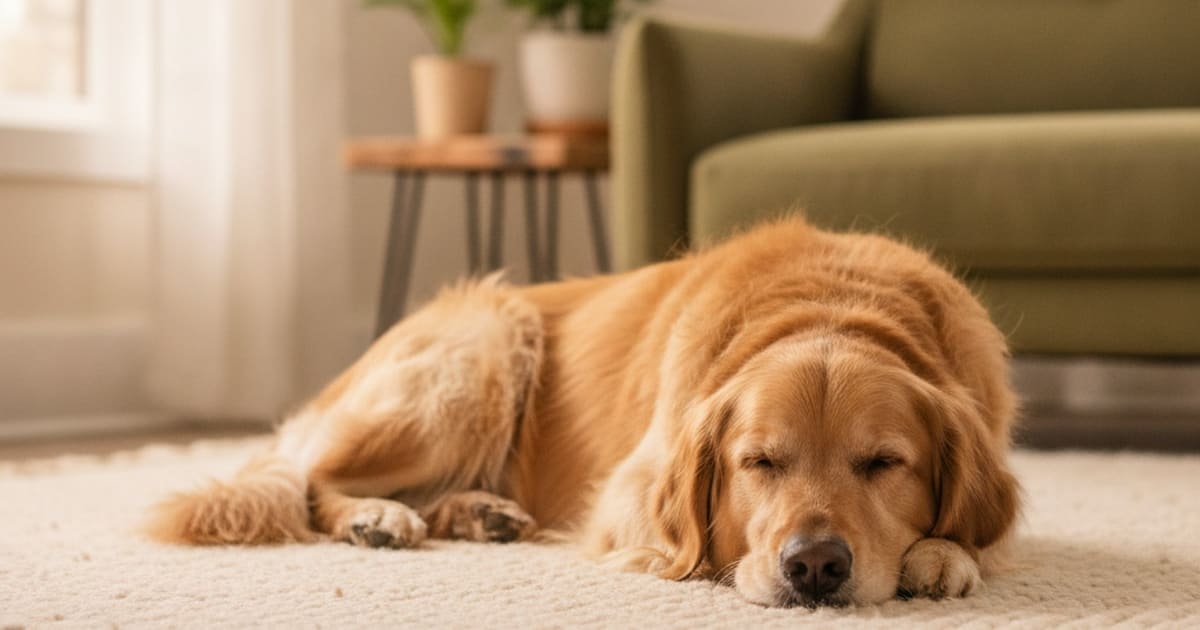
Acid reflux is a reason to see a vet, because what causes dogs to get acid reflux can range from diet and eating habits to recent anaesthesia, a hiatal hernia or another illness. Go to an emergency vet now if your dog retches with nothing coming up or has a swollen belly, vomits blood, struggles to breathe or collapses; otherwise book a same-day appointment. Acid reflux means stomach acid, and sometimes bile or food, flows back up into the food pipe, and only an exam can show why it is happening in your dog.
When to go to the vet now
- Retching or trying to vomit with nothing coming up
- A belly that looks swollen or bloated, with restlessness or drooling
- Vomiting blood, or vomit that looks like coffee grounds
- Struggling to breathe, fast breathing or coughing after bringing food or fluid back up
- Collapse or sudden weakness
What can cause acid reflux
At the lower end of the food pipe, also called the oesophagus, sits a ring of muscle that opens to let food into the stomach and closes to keep stomach contents where they belong. Acid reflux happens when that ring relaxes at the wrong moment, or when pressure in the stomach or belly pushes acid, bile or food back up. Stomach acid is harsh on the lining of the food pipe, and repeated contact can inflame it, a problem vets call oesophagitis. Signs that can point to acid reflux include lip licking, licking the air or floor, repeated swallowing or gulping, burping, bringing food back up, bad breath, eating grass, restlessness at night, discomfort when lying down and a smaller appetite. Each of these signs can also come from other illnesses, which is why a vet exam matters more than any single sign.
The causes below are possibilities your vet works through. More than one can be at work in the same dog, and only an exam and tests can pinpoint the cause for your dog.
Recent anaesthesia or sedation is one cause your vet considers. Anaesthetic drugs relax the muscle at the bottom of the food pipe, and a dog lying still during a procedure cannot swallow acid back down. The fasting before a procedure can add to this. Reflux around the time of surgery can irritate or damage the food pipe, so if your dog had a procedure recently and now shows reflux signs, call the clinic that did it today.
Diet and food can play a part too. Rich, fatty food slows how fast the stomach empties and can relax the muscle that holds acid in. Table scraps, a sudden switch to a new food and food stolen from the bin can all set off reflux and stomach upset. If your dog has got into the rubbish or eaten fatty leftovers, call your vet now, and if anything it ate could have been toxic, call your vet or an animal poison control service now. A food intolerance or allergy can also inflame the stomach and gut over time. Your vet can tell you how the type of food, the timing of meals and any diet change fit your dog's situation, and your vet sets how much and how often.
Eating habits are another possibility, and they explain why acid reflux in dogs after eating is something your vet asks about. Reflux after a meal can come from a large meal that stretches the stomach, eating fast and gulping air, or lying down or exercising hard soon after eating. A stomach that empties slowly holds food and acid for longer, which gives it more chance to flow back up. Exercise after a large meal is also linked to bloat, a swelling or twisting of the stomach that is an emergency: if your dog retches with nothing coming up or the belly looks swollen, go to an emergency vet now. For a wider list of urgent signs, see dog emergency signs.
An empty stomach can also be involved. When the stomach is empty for a long stretch, acid and bile have nothing to work on and can irritate the lining and flow back up. Some dogs bring up bile or foam when the stomach is empty. Gastritis and slow stomach emptying can cause the same picture, so your vet looks at both.
A hiatal hernia is a structural cause your vet may look for. The diaphragm is the sheet of muscle between the chest and the belly, and the food pipe passes through an opening in it. In a hiatal hernia, part of the stomach slides up through that opening into the chest, which weakens the barrier that keeps acid down. A dog can be born with this, or it can follow an injury or long-term hard breathing effort. Signs can come and go, and x-rays may help your vet find it.
Airway shape matters in flat-faced breeds. Pugs, bulldogs, French bulldogs and other flat-faced breeds can have narrow nostrils, a long soft palate and a narrow windpipe. Breathing through that airway takes effort, and the effort creates suction in the chest that can draw stomach contents upward. Reflux can then add to swelling in the throat, so the airway and the stomach can feed into each other. Your vet may check both together.
Body weight is part of the picture as well. Extra fat inside the belly raises the pressure on the stomach, which can push acid up past the muscle at the bottom of the food pipe. Your vet can assess your dog's body condition and tell you how weight fits in.
Illness of the stomach and gut is a large group of causes. Gastritis, which is inflammation of the stomach lining, can make the stomach irritable and slow to empty. Stomach ulcers, inflammatory bowel disease and pancreatitis can all cause nausea, vomiting and reflux. Anything that slows the stomach's emptying, from inflammation to a blockage, keeps acid in the stomach longer. A swallowed object, such as a piece of toy, a bone or a sock, can sit in the stomach or food pipe and cause reflux, gagging and vomiting. If you know or think your dog swallowed an object, call your vet now.
Illness elsewhere in the body can show up as reflux too. Liver disease, kidney disease and some hormone conditions can inflame or upset the stomach, so reflux can be the first sign your vet follows back to another organ. Your vet may run blood and urine tests to check. You can read about many of these illnesses in the conditions library.
Medicines are another possibility. Some medicines, including certain pain medicines, can irritate the stomach lining or relax the muscle at the bottom of the food pipe. Do not stop or change any medicine on your own; talk to your vet about everything your dog takes, including anything bought without a prescription.
Problems with the food pipe itself can look like acid reflux. Repeated reflux can scar the food pipe and narrow it, which makes swallowing harder. A widened, floppy food pipe, called megaoesophagus, lets food pool and come back up. A growth in the food pipe or stomach is another possibility your vet rules out. Bringing food back up can also let food or fluid into the lungs, so coughing or hard breathing after regurgitating means go to an emergency vet now.
Puppies can have causes of their own. In young puppies, the muscle at the bottom of the food pipe is still developing, and a hiatal hernia or a narrowed food pipe present from birth can show up once a puppy starts eating solid food. Call your vet today about any puppy that brings food back up.
The timing of acid reflux shapes the questions your vet asks. When acid reflux starts suddenly, your vet may ask about recent anaesthesia, a new or rich food, scavenging, a new medicine, a swallowed object or a stomach upset. When acid reflux keeps coming back, your vet may look at longer-standing causes, such as a hiatal hernia, airway shape, body weight, ongoing gastritis, inflammatory bowel disease, a food intolerance, or liver or kidney disease. Either way, the answer to why your dog has acid reflux comes from the exam and tests, not from the pattern alone.
What your vet may do
Your vet starts with questions about the signs, when they started, how they relate to meals, exercise and lying down, and anything new in your dog's life, such as a food, a medicine or a procedure. A full physical exam follows. Your vet looks in the mouth and throat, feels the belly, listens to the chest for signs of fluid or food in the lungs, and checks your dog's weight and body condition. In flat-faced breeds, the vet may also look closely at the nostrils and throat.
Blood tests show how the liver, kidneys and pancreas are working and whether there is infection, inflammation or blood loss. A urine test adds to that picture. X-rays of the chest and belly can show a hiatal hernia, a widened food pipe, a swallowed object or changes in the lungs. For a closer look at swallowing, your vet may give a liquid that shows up on x-ray and take x-rays as it moves down the food pipe into the stomach. An ultrasound of the belly lets the vet see the stomach wall, the pancreas, the liver and other organs.
Some dogs need light sedation or a general anaesthetic for a proper look. Endoscopy uses a thin camera passed through the mouth, under anaesthesia, to see the lining of the food pipe and stomach directly. It can show inflammation, ulcers, narrowing or an object, and your vet can take small tissue samples, called biopsies, for the lab, and in some cases remove an object without open surgery.
Once the cause is clearer, care is matched to it. That can include a medicine your vet prescribes to lower stomach acid or protect the lining, a diet your vet sets, treatment for an illness in another organ, a weight plan, or surgery for a hiatal hernia or an airway problem. Talk to your vet about what each test is for and what it can show for your dog.
What to tell your vet
- When you first noticed the signs, and whether they started suddenly
- Any change since then, such as more episodes or new signs
- Any bleeding, including blood in vomit or black, tarry stool
- Any licking of the lips, air or floor, or repeated swallowing
- When the signs show in relation to meals, exercise or lying down
- Any recent anaesthesia, new food or new medicine
- Other signs, such as coughing, burping, eating grass, a smaller appetite, weight loss or a change in energy
Frequently asked questions
- Is acid reflux an emergency in dogs?
- Acid reflux is an emergency when your dog retches with nothing coming up or has a swollen belly, vomits blood, struggles to breathe or collapses. In any of those cases, go to an emergency vet now. For any other sign of acid reflux, book a same-day appointment so your vet can look for the cause.
- What should I do if my dog has acid reflux?
- Call your vet today and describe what you have seen, when it started and whether it links to meals. Your vet will want to examine your dog and may run tests to find the cause. If your dog retches with nothing coming up, vomits blood, struggles to breathe or collapses, go to an emergency vet now.
- Can I treat acid reflux at home?
- No, because acid reflux has many possible causes and only a vet can find which one affects your dog. Do not give any medicine, remedy or new food, do not put anything in your dog's mouth, and do not try to remove anything before the vet sees your dog. Call your vet today instead.
- What causes dogs to get acid reflux?
- Acid reflux happens when the muscle at the bottom of the food pipe lets stomach acid flow back up. Causes your vet checks include rich or fatty food, large or fast meals, recent anaesthesia, a hiatal hernia, a flat-faced airway, extra weight, some medicines, and illness of the stomach, gut, pancreas, liver or kidneys.
- What causes acid reflux in dogs after eating?
- Acid reflux after eating can come from a large meal, eating fast and swallowing air, rich or fatty food, lying down or exercising hard soon after a meal, slow stomach emptying or a hiatal hernia. Call your vet today to find the cause, and go to an emergency vet now for retching with a swollen belly.
- Why does my dog seem to have acid reflux?
- Signs that can point to acid reflux include lip licking, repeated swallowing or gulping, burping, bringing food back up, bad breath, eating grass, restlessness and a smaller appetite. These signs can also come from other illnesses, so call your vet today. An exam and tests may help find whether reflux is the cause and what is driving it.
- What causes sudden acid reflux in dogs?
- When acid reflux starts suddenly, your vet may ask about recent anaesthesia, a new or rich food, scavenging, a new medicine, a swallowed object or a stomach upset. Call your vet today. If you know or think your dog swallowed an object, or your dog retches with nothing coming up, call your vet now.
- Why does my dog have acid reflux after surgery?
- General anaesthesia relaxes the muscle that keeps stomach contents in the stomach, and the fasting before surgery can add to it, so acid can flow back up around the time of a procedure. Call the clinic that did the surgery today, and go to an emergency vet now if your dog coughs, struggles to breathe or collapses.
- Why does a dog get acid reflux on an empty stomach?
- With nothing in the stomach, acid and bile can irritate the lining and flow back up, and some dogs bring up bile or foam when the stomach is empty. Other causes, such as gastritis or slow emptying, can look the same, so call your vet today. Your vet can tell you how meal timing fits your dog.
- What causes chronic acid reflux in dogs?
- Acid reflux that keeps coming back can be linked to a hiatal hernia, a flat-faced airway, extra body weight, ongoing gastritis, inflammatory bowel disease, a food intolerance, a problem with the food pipe itself, or liver or kidney disease. Call your vet today so tests can look for the cause and treatment can match it.
- Why does a flat-faced dog get acid reflux?
- In flat-faced breeds such as pugs, bulldogs and French bulldogs, narrow nostrils and a long soft palate can make breathing hard work. That effort can create suction in the chest that pulls stomach contents upward, and some of these dogs also have a hiatal hernia. Call your vet today to have the airway and stomach checked together.
Educational content, not veterinary advice. Ask your vet about your dog.