What Causes Uveitis in Dogs? When to See the Vet
Uveitis is a painful inflammation inside the eye, and it needs a vet the same day. Its causes include eye injury, ulcers, cataracts, infections, immune disease and cancer. A vet exam with tests may help find the underlying cause.
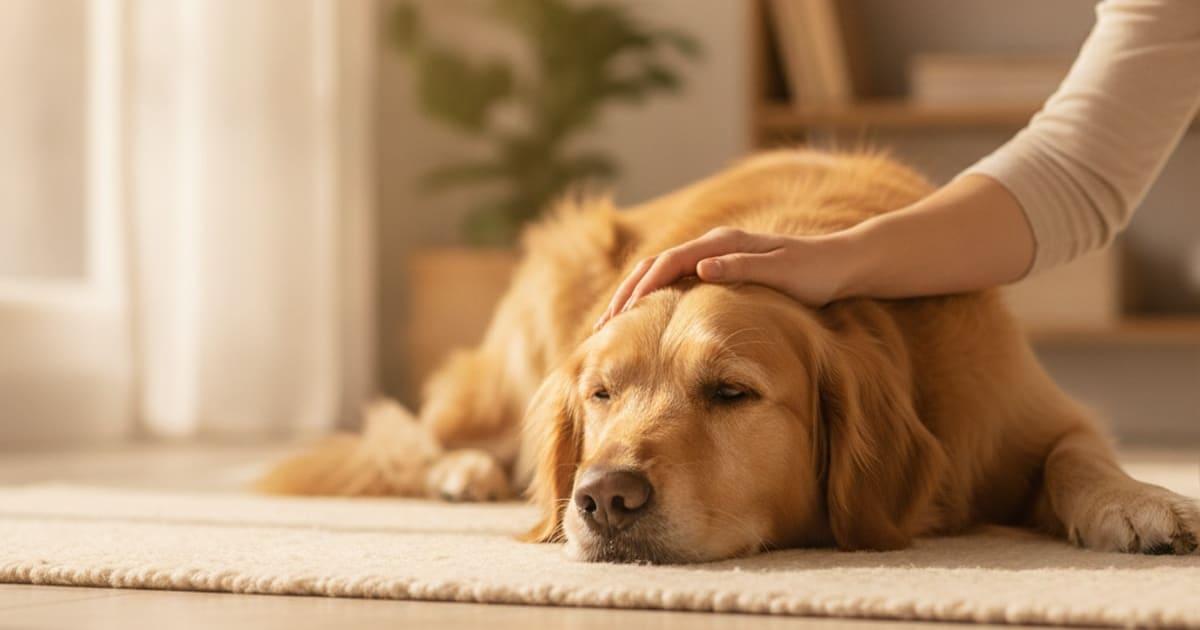
Uveitis, a painful inflammation inside the eye, is a reason to see a vet the same day. Go to an emergency vet now if your dog has hurt the eye, seems suddenly unable to see, holds the eye shut in obvious pain, or is weak or collapsed; otherwise book a same-day appointment. The plain answer to what causes uveitis in dogs is that it can start in the eye itself, from an injury, an ulcer or a cataract, or it can be a sign of illness elsewhere in the body, such as an infection, an immune condition, high blood pressure or cancer. In some dogs, no cause is found even after testing. The signs look much the same whatever started them, so a vet exam may help find the underlying cause, and that cause shapes the treatment your dog needs.
When to go to the vet now
Go to an emergency vet now if:
- Your dog has hurt the eye, or the eye looks swollen or bulging
- Your dog seems suddenly unable to see or is bumping into things
- Your dog holds the eye shut or cries out in obvious pain
- Your dog is weak, collapsed or very unwell as well as having an eye problem
What can cause uveitis
Uveitis means inflammation of the uvea, the layer inside the eye that includes the coloured iris, the small muscle behind it that helps the lens focus, and the blood-rich lining at the back of the eye. Because this layer carries so much blood, it reacts to problems inside the eye and to problems carried to it from the rest of the body. Uveitis is not one disease with one cause. It is a response, and a long list of problems can set it off. That is why finding the underlying cause sits at the centre of every vet visit for uveitis.
Vets group dog uveitis causes into a few broad families: problems that start in the eye itself, infections, immune conditions, cancer, and other illnesses elsewhere in the body. Each of these is a possibility your vet checks for, not something to judge at home. The eye can look much the same whatever the cause, so the cause cannot be worked out by looking at your dog's eye. Only an exam and tests can narrow it down.
An injury to the eye is one possibility your vet will ask about. A knock to the head or face, a scratch from a cat's claw, a thorn, a stick, a bite or a fight can damage the eye and trigger inflammation inside it. A wound that goes through the surface of the eye needs emergency care. A corneal ulcer, which is a sore on the clear front surface of the eye, can also set off uveitis, because the irritation on the surface spreads to the tissues behind it. Your vet will look for an ulcer early in the exam, since an ulcer changes how the eye is treated.
The lens is another possible source. The lens sits just behind the iris and focuses light. When a cataract forms, the lens can leak proteins into the eye, and the immune system reacts to them as if they were foreign. This is called lens-induced uveitis, and it can come with a cataract that forms slowly or one that forms fast. Diabetes can cause cataracts to form quickly, so a dog with diabetes and an eye problem needs a vet promptly. A lens that tears or slips out of its place can cause inflammation too. Inflammation from the lens is one reason a dog with cataracts needs ongoing vet care, even when the eye has looked settled before.
Infectious causes of uveitis in dogs reach the eye through the bloodstream, so an infection somewhere else in the body can show up in the eyes. Tick-borne infections are among those your vet may test for, including ehrlichiosis, anaplasmosis, Rocky Mountain spotted fever and Lyme disease. Fungal infections that a dog can breathe in from soil, such as blastomycosis, histoplasmosis, coccidioidomycosis and cryptococcosis, can spread to the eyes, and which ones matter depends on where you live and where your dog has travelled. Bacterial infections can play a part as well, including leptospirosis, brucellosis, and infection that spreads from a deep source such as an infected uterus, a prostate infection or a tooth root abscess. Viruses such as canine distemper and infectious canine hepatitis can affect the eye. Parasites are on the list too: toxoplasmosis, leishmaniasis in the regions where it is found, and roundworm larvae that wander through the body can each reach the eye.
Immune conditions are another group. Sometimes the immune system turns on the eye's own tissues. One example is uveodermatologic syndrome, in which the immune system attacks pigment cells in the eyes and the skin, and the eyes can be inflamed before any skin change appears. Some immune-related eye conditions run in particular breeds, and your vet will take your dog's breed and age into account when deciding which tests to run. Immune problems elsewhere in the body, such as those that affect the blood cells or the joints, can also come with inflammation in the eye.
Cancer is one of the systemic causes of uveitis in dogs that your vet will want to rule out. A tumour can grow inside the eye, or cancer from elsewhere in the body can spread to it. Lymphoma, a cancer of white blood cells, can affect the eyes, and a dog with lymphoma may have other signs of illness as well as an eye problem. Tumours that start in the eye, such as those of the iris or the tissue behind it, can cause inflammation and bleeding inside the eye. Only tests can show whether cancer is involved.
Other illnesses in the body can also lead to uveitis. High blood pressure can damage the blood vessels inside the eye and lead to bleeding and inflammation. Bleeding and clotting disorders, whether inherited or linked to another illness, can do the same. Problems such as kidney disease and some hormone conditions can raise blood pressure, which is one reason your vet may look well beyond the eye. These body-wide causes are why uveitis is treated as a reason to check your whole dog, not just the eye.
In some dogs, a full workup finds no single cause. Vets call this idiopathic or immune-mediated uveitis, which means the inflammation appears to come from the immune system without a trigger that tests can identify. This is part of why there is no one answer to the question of the main cause of uveitis in dogs: the possibilities are broad, and the answer for your dog comes from the exam and tests. A dog with no cause found still needs treatment and follow-up with the vet, because the inflammation can damage the eye whatever started it.
Cats can get uveitis as well, and the broad groups of causes are similar: injury, infection, immune disease and cancer. The infections that matter in cats are not the same as those in dogs, so if you also have a cat with an eye problem, talk to your vet about that cat separately. This page covers dogs.
Several of the illnesses named here are explained in more detail in our conditions library, which can help you follow what your vet tells you about your dog.
What your vet may do
Your vet will start with questions about your dog's health, any injury, tick bites, travel, existing conditions and any medicines, and then do a full physical exam. Uveitis can be the first visible sign of an illness elsewhere, so the vet checks the whole dog, including the lymph nodes, skin, mouth, heart, lungs and belly, and takes your dog's temperature.
The eye exam uses a bright light and magnification to look at the front of the eye and the clear fluid inside it. A small drop of orange stain may be placed on the eye to check the surface for an ulcer, since an ulcer changes which treatment is used. Your vet will measure the pressure inside the eye with a handheld instrument, because inflammation can change the pressure, and a rise in pressure, called glaucoma, needs prompt treatment. With drops to widen the pupil, the vet may examine the back of the eye as well. Some dogs need light sedation for a proper look at a painful eye. If the inside of the eye cannot be seen clearly, an ultrasound of the eye may help show what lies behind a cloudy area.
Because the causes can be body-wide, tests may go beyond the eye. These can include a complete blood count and a chemistry panel to check the organs, a urine test, a blood pressure measurement, and blood tests for tick-borne, fungal or other infections chosen for where you live and where your dog has been. Chest X-rays and an ultrasound of the belly may help find infection, a hidden source of inflammation or cancer. If the vet finds an enlarged lymph node or a lump, a small needle sample may be taken to look at under a microscope. In some cases, a tiny sample of fluid from inside the eye is examined.
Your vet may refer your dog to a veterinary eye specialist, called a veterinary ophthalmologist, for more detailed equipment and tests. Treatment aims to control the inflammation and pain, protect the eye from damage such as glaucoma, and treat the underlying cause once it is known. Your vet will explain the plan and arrange rechecks to measure the eye pressure and see how the eye is responding. Talk to your veterinarian before stopping or changing any eye medicine, and ask about anything in the plan that is not clear to you. For a wider guide to signs that need care straight away, see Dog Emergency Signs.
What to tell your vet
Tell your vet:
- When you first noticed the eye problem, and whether it came on suddenly
- Any change since then, including whether one eye or both are affected
- Any bleeding, discharge or tears from the eye
- Any rubbing, pawing or licking at the eye or face
- Other signs, such as tiredness, poor appetite, weight loss, limping, coughing, drinking more or skin changes
- Any recent injury, tick bites or travel, any existing conditions, and any medicines your dog takes
Frequently asked questions
- Is uveitis an emergency in dogs?
- Uveitis needs a vet the same day, and some signs mean emergency care now. Go to an emergency vet now if your dog has hurt the eye, seems suddenly unable to see, holds the eye shut in obvious pain, or is weak or collapsed. For any other sign of uveitis, book a same-day appointment with your vet.
- What should I do if my dog has uveitis?
- Call your vet today and arrange for your dog to be seen the same day, or go to an emergency vet now if there is an injury, sudden loss of sight, severe pain or weakness. Do not put anything in or on the eye before the visit, and bring notes on when the problem started and any other signs.
- Can I treat uveitis at home?
- No, because uveitis needs a vet to find the cause and protect the eye. Do not put drops, creams or anything else in or on the eye, and do not try to remove anything from it. If skin near the eye is bleeding, gentle pressure with a clean cloth on the way to the vet is the only step.
- What causes uveitis in dogs?
- Uveitis in dogs can be caused by an eye injury, a corneal ulcer, a cataract or a damaged lens, infections such as tick-borne or fungal disease, immune conditions, cancer such as lymphoma, and high blood pressure. In some dogs no cause is found after testing. A vet exam and tests may help find the cause in your dog.
- What causes uveitis in a dog's eyes?
- Inflammation inside a dog's eye can start in the eye itself, from an injury, an ulcer on the surface or proteins leaking from a cataract. It can also come from illness carried to the eye in the blood, such as infection, immune disease or cancer. The signs look alike whatever the cause, so a vet exam is needed.
- Can an illness elsewhere in the body cause uveitis in a dog?
- Yes, because the uvea has a rich blood supply, and infections, immune conditions, cancer and high blood pressure can all affect it through the bloodstream. This is why your vet may check your dog's whole body, with blood and urine tests, blood pressure and sometimes X-rays or ultrasound, even when the eye looks like the only problem.
- Can cataracts cause uveitis in a dog?
- Yes, because a cataract can leak lens proteins into the eye, and the immune system reacts to them as if they were foreign. This is called lens-induced uveitis. A lens that tears or slips out of place can also cause inflammation. A dog with cataracts and a red or painful eye needs a same-day vet visit.
- Which infections can cause uveitis in dogs?
- Infections that can cause uveitis include tick-borne diseases such as ehrlichiosis, anaplasmosis, Rocky Mountain spotted fever and Lyme disease, fungal infections such as blastomycosis, bacterial infections such as leptospirosis and brucellosis, viruses such as distemper, and parasites such as toxoplasmosis. Your vet chooses tests based on where you live and where your dog has travelled.
- Do cats get uveitis from the same causes as dogs?
- Cats can get uveitis from the same broad groups of causes, including injury, infection, immune disease and cancer, but the specific infections that matter in cats are different from those in dogs. Testing is chosen for the species. If your cat has a red, cloudy or painful eye, talk to your vet about your cat the same day.
- Can uveitis affect both eyes in a dog?
- Yes, because uveitis can affect one eye or both, depending on the cause. Uveitis in both eyes is one reason your vet may test for causes elsewhere in the body, such as infection, immune disease or cancer. Whether one eye or both is affected, your dog needs a vet exam the same day.
- Why does my vet want blood tests for an eye problem?
- Uveitis can be the first visible sign of an illness elsewhere in the body, such as a tick-borne infection, a fungal infection, an immune condition, cancer or high blood pressure. Blood tests, a urine test and a blood pressure reading may help find the underlying cause, and treating that cause is part of protecting your dog's eye.
Educational content, not veterinary advice. Ask your vet about your dog.