What Is Parvovirus in Dogs? When to See the Vet
Parvovirus in dogs is a highly contagious virus that attacks the gut and bone marrow. This page explains what parvo is, how dogs get it, what it does to the body, what your vet may do, and when to go to an emergency vet now.
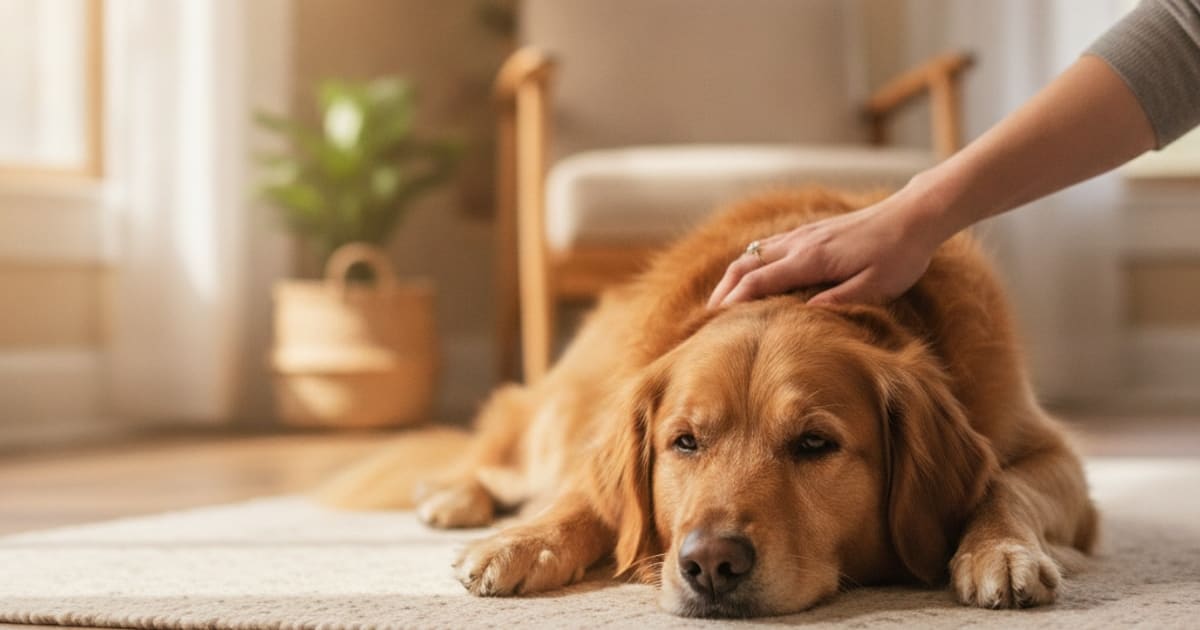
Parvovirus is a serious, highly contagious virus that attacks a dog's gut, and any dog that may have it needs to see a vet. Go to an emergency vet now if your dog is vomiting again and again, has bloody diarrhea, is weak or collapsing, or cannot keep water down; otherwise book a same-day appointment. So, what is parvovirus in dogs, in plain words? It is an infection with canine parvovirus, called parvo for short, that damages the lining of the intestines and lowers the number of white blood cells that fight infection. It spreads through the stool of infected dogs and can be carried on hands, shoes, bowls and bedding. Puppies and dogs that are not fully vaccinated are at higher risk, but any dog can catch it. Because parvo can make a dog very ill very quickly, phone the clinic before you set off so the team can prepare an isolation area for your dog.
When to go to the vet now
Go to an emergency vet now if your dog has any of these signs:
- Vomiting again and again, or vomit with blood in it
- Bloody diarrhea, or diarrhea that keeps coming
- Weakness, collapse or being unable to stand
- Being unable to keep water down
Parvo can move fast, and a dog with these signs can become dangerously dehydrated and weak in a short time. Call the clinic on the way and say that you think it could be parvo. The team may ask you to wait in the car or to come in through a separate door, so the virus does not reach other dogs in the waiting room. For any other sign that could be parvo, such as low energy, less interest in food, or a bout of vomiting or loose stool in a puppy or a dog that is not fully vaccinated, book a same-day appointment. For a wider guide to the signs that need urgent care in any dog, read dog emergency signs.
What can cause parvovirus
Parvovirus is caused by a virus called canine parvovirus. When a vet says a dog has parvo, that is what it means: the dog is infected with this virus. The name comes from the Latin word for small, because the virus is tiny. Canine parvovirus is a disease of dogs. People do not catch it, but they can carry it from place to place on their hands, shoes and clothes, which is one reason it spreads so easily.
Dogs get parvo by taking the virus in through the mouth or nose. This can happen through direct contact with an infected dog, with its stool, or with anything that stool has touched. Grass, soil, pavements, kennel floors, food and water bowls, toys, leads, bedding and the hands or shoes of people who have been near an infected dog can all carry the virus. It is a hardy virus. It can stay in the environment for a long time, and it is not killed by every household cleaner, so a dog can pick it up in a place where there is no sick dog in sight. An infected dog can also pass the virus in its stool before it looks unwell, and for a time afterwards.
Once inside the body, the virus targets cells that divide quickly. This is what parvo in dogs does, step by step. In the gut, it damages the lining of the intestines, the layer that absorbs water and nutrients and keeps bacteria inside the bowel. As that lining breaks down, a dog can lose large amounts of fluid through vomiting and diarrhea, bleed into the gut, and let bacteria from the bowel reach the bloodstream. The virus also attacks the bone marrow, where white blood cells are made, so the body has fewer cells to fight off infection at the very moment it needs them. In very young puppies, parvo can also damage the heart muscle.
That is why parvo is so dangerous. Dehydration, blood loss from the gut and infection in the blood can each make a dog critically ill, and they can build on each other quickly. A dog with parvo can go from seeming a little quiet to being very weak in a short time, which is why this page asks you to act at once rather than later.
The first signs of parvo can be vague: a dog that is quieter than before, eats less or seems tired. Vomiting and diarrhea, sometimes with blood and a strong smell, can follow. Because the early signs are vague, a puppy or a dog that is not fully vaccinated with any of them needs a same-day vet appointment, and the emergency signs at the top of this page need care now.
Some dogs are at higher risk than others. Puppies are at higher risk because their immune systems are still developing and they may not have finished their vaccinations. Dogs that have never been vaccinated, or whose boosters have lapsed, are also at higher risk. Crowded places where dogs from different homes mix, such as shelters, kennels and busy parks, raise the chance of contact with the virus. Parvo is found in the UK, the US and other countries around the world, and the advice on this page is the same wherever you live.
Vaccination is the main way to lower the risk of parvo. Puppies need a course of vaccinations to build protection, and adult dogs need boosters to keep it up. Talk to your vet about the right schedule for your dog, and keep a puppy that is not fully vaccinated away from places that unknown dogs use until your vet says otherwise.
Vomiting and bloody diarrhea can come from more than parvo, so your vet does not assume the cause. Other possibilities the vet checks include other viral and bacterial gut infections, gut parasites, a swallowed toy, bone or other object blocking the intestines, a section of bowel folding into itself, something toxic, a sudden bleeding inflammation of the gut, a reaction to a change in food, and illness in other organs such as the pancreas, liver or kidneys. If you know or think your dog has swallowed an object or a bone, call your vet now, and if your dog may have eaten something toxic, call your vet or an animal poison control service now. Some of these causes need surgery and others need very different care, which is why the tests in the next section matter. Only a vet can work out which one is behind your dog's signs. For plain explanations of other illnesses your vet may consider, see the conditions library.
What your vet may do
Because parvo spreads so easily, the clinic may see your dog in an isolation room or a separate area, and staff may wear gowns and gloves. The vet will ask about your dog's vaccinations, where your dog has been, any contact with puppies or other dogs, and when the signs began.
The physical exam comes next. The vet checks your dog's hydration, heart rate and pulse, temperature, the colour of the gums and how quickly colour returns after a light press, and whether the belly is painful or the gut feels thickened or full of fluid. These checks show how unwell your dog is right now and how fast care needs to start.
Tests help confirm parvo and show how the body is coping. A quick test on a small stool sample can look for the virus in the clinic. A positive result points towards parvo. A negative result does not always rule it out, particularly early in the illness, so the vet may repeat the test or send a sample to a laboratory for a more sensitive check. Recent vaccination can also affect some tests, which is another reason to tell your vet when your dog was last vaccinated.
Blood tests look at white blood cells, which parvo can bring down, along with red blood cells, protein, blood sugar, body salts and kidney and liver values. These results guide treatment and may be repeated during care. The vet may also check stool for parasites, and use X-rays or an ultrasound scan of the belly to look for a blockage, a folded section of bowel or other causes of the same signs.
If parvo is confirmed or strongly suspected, the vet will explain the plan. Treatment supports the body while its own defences fight the virus, and the vet may admit your dog to hospital and keep it in isolation. Care can include fluids through a drip into a vein to replace lost water and salts, medicine to ease nausea and pain, medicine against bacterial infection, correction of blood sugar and body salts, and feeding support, sometimes through a fine tube. A dog that is very ill may need a blood or plasma transfusion. The team checks your dog closely and changes the care as test results change.
The vet may also talk to you about other dogs in your home. Ask whether they need a check or a vaccination update, how to clean bowls, bedding and floors where your sick dog has been, and when other dogs can use those places again.
If anything about the tests, the plan or the care is unclear, talk to your veterinarian. Asking questions at any point helps you understand what your dog needs and what the team is doing.
What to tell your vet
Before or during the visit, tell the team:
- When you first noticed vomiting, diarrhea, low energy or loss of appetite
- Any change since then, such as more vomiting, looser stool or growing weakness
- Any blood in the vomit or stool
- Any licking or eating of things outside, including stool, soil or rubbish
- Your dog's vaccination history, and when the last vaccination was
- Where your dog has been, and any contact with puppies, kennels, shelters or sick dogs
- Other signs, such as not drinking, shaking, hiding or a swollen belly
Bring any vaccination records you have, and mention any recent change in food. If your dog may have swallowed something, say what it was. After a visit, call your vet again, or go to an emergency vet now, if your dog's signs change, or if you notice collapse, more blood or a dog that does not respond to you.
Frequently asked questions
- Is parvovirus an emergency in dogs?
- Yes, parvovirus is an emergency because it can dehydrate a dog and weaken its defences against infection quickly. Go to an emergency vet now for repeated vomiting, bloody diarrhea, weakness or collapse, or a dog that cannot keep water down. For any other sign that could be parvo, book a same-day vet appointment and call ahead first.
- What should I do if my dog has parvovirus?
- Call your vet today, and call before you travel so the clinic can keep your dog apart from other patients. Go to an emergency vet now if there is repeated vomiting, bloody diarrhea, weakness or collapse. Keep your dog away from other dogs, and bring any vaccination records you have to the appointment.
- Can I treat parvovirus at home?
- No, because parvovirus needs hospital care that only a vet can give. Do not give medicines or home remedies, do not put anything on your dog and do not remove anything before the vet sees it. For an outside bleed only, gentle pressure with a clean cloth on the way to the vet is the only home step.
- What is parvovirus in dogs?
- Parvovirus in dogs is a highly contagious viral infection that attacks the lining of the gut and the bone marrow. It can cause vomiting, bloody diarrhea, dehydration and a low white blood cell count. It is a serious, life-threatening illness, so any dog that may have it needs to see a vet the same day.
- What does parvo mean in dogs?
- Parvo is the short name for canine parvovirus, a virus that infects dogs. The word comes from the Latin for small, because the virus is tiny. When a vet says a dog has parvo, it means the dog has this infection, which damages the gut and needs urgent veterinary care, including isolation from other dogs.
- What kind of disease is parvo in dogs?
- Parvo is a viral disease that spreads from dog to dog through infected stool and anything it touches. It is an infection of the gut and bone marrow rather than a skin, lung or joint problem. It is contagious and serious, so a dog suspected of having it needs a vet and should be kept apart from other dogs.
- How do dogs get parvo?
- Dogs get parvo by taking in the virus through the mouth or nose. That can happen through contact with an infected dog, its stool, or anything the stool has touched, such as ground, bowls, toys, bedding, hands, shoes and clothes. The virus is hardy and can stay in the environment for a long time.
- What does parvo do to a dog's body?
- Parvo attacks cells that divide quickly. In the gut it damages the lining that absorbs water and keeps bacteria inside the bowel, leading to vomiting, bloody diarrhea and dehydration. In the bone marrow it lowers white blood cells, which fight infection. In very young puppies it can also damage the heart. This is why parvo needs a vet.
- How dangerous is parvo in dogs?
- Parvo is a serious, life-threatening illness. Fluid loss, blood loss from the gut and bacteria reaching the bloodstream can each make a dog critically ill, and this can happen quickly. Because of this, any dog that may have parvo needs a vet the same day, and an emergency vet now for repeated vomiting, bloody diarrhea or collapse.
- Is parvo found in dogs in the UK?
- Yes, parvo is found in the UK, as it is in other countries around the world, and it can affect dogs of any breed. The signs, the tests and the advice to see a vet are the same wherever you live. Puppies and dogs that are not fully vaccinated are at higher risk, so talk to your vet about vaccination.
- Can vaccination protect my dog from parvo?
- Vaccination is the main way to lower your dog's risk of parvo. Puppies need a course of vaccinations to build protection, and adult dogs need boosters to keep it up. Talk to your vet about the right schedule, and keep an unvaccinated puppy away from places unknown dogs use until your vet says otherwise.
Educational content, not veterinary advice. Ask your vet about your dog.