What Should I Look For in a Dog Fiber Supplement? (Pumpkin)
Look for the fiber type that matches the problem — soluble, gel-forming fiber like pumpkin or psyllium for loose or hard stool, fermentable fiber like beet pulp for routine gut support — on a short ingredient list with no added sugar, spices or sweeteners. Introduce it slowly and confirm the amount with your veterinarian.
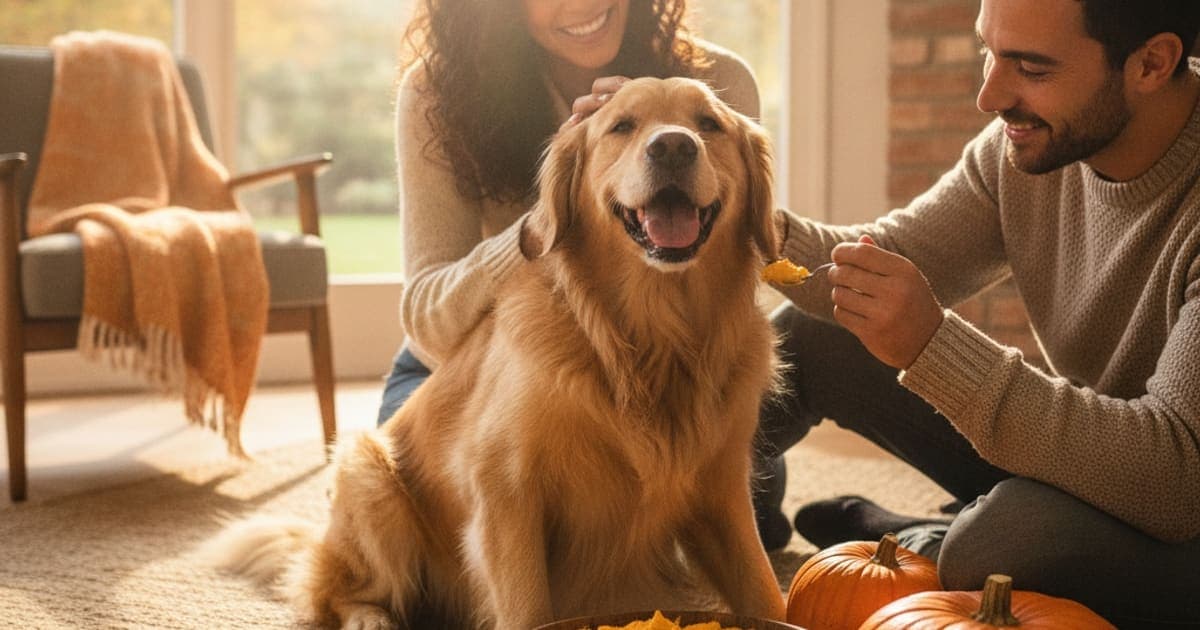
Look for three things: a fiber type that matches the stool problem you are actually seeing, an ingredient list short enough to read in one breath, and a company willing to show you how the product was tested. Pumpkin, psyllium and beet pulp are not interchangeable. Pumpkin is a food-first source of gentle soluble fiber with a lot of water in it. Psyllium is a concentrated gel-forming husk. Beet pulp is a moderately fermentable fiber that already sits in many complete diets. The right pick depends on whether your dog's stool is too loose, too hard, or simply inconsistent.
Everything else on the label is noise. Added sugar, pie spices, sweeteners, vague proprietary blends and a dozen trendy extras at trace levels tell you the product was designed for the shelf, not for a dog's colon. And before you add anything, say the problem out loud to your veterinarian — chronic diarrhea, straining, blood, weight loss or a sudden change in stool is a diagnostic question, not a fiber question.
Soluble, insoluble and fermentable: the only label vocabulary you need
Fiber is not one substance. It is a category of plant carbohydrates the small intestine cannot digest, and the differences between them are physical.
Soluble fiber dissolves in water and forms a gel. That gel slows transit, absorbs excess water in loose stool, and softens hard stool by holding water in it. This is why the same soluble fiber can be suggested for opposite-looking problems — it is a normaliser, not a laxative. Psyllium husk is the clearest example. Pumpkin contains soluble fiber too, in a much more dilute, food-shaped form.
Insoluble fiber does not dissolve. It adds physical bulk and scrapes transit along. Cellulose and bran behave this way. Too much of it in a sensitive dog can make stool voluminous and gassy without improving its quality.
Fermentable fiber is the part gut bacteria eat. When they ferment it, they produce short-chain fatty acids — butyrate among them — which are a primary fuel source for the cells lining the colon. Beet pulp is the classic moderately fermentable fiber used in dog food precisely because it hits a middle ground: enough fermentation to feed colonocytes, not so much that it produces a gas problem.
Most real-world fiber sources are a blend. What matters is which behaviour dominates.
What pumpkin actually does for dogs
Pumpkin is mostly water, with a modest amount of mixed soluble and insoluble fiber, plus beta-carotene and potassium. That high water content is the whole point and the whole limitation at once: it is gentle, palatable and hard to overdo badly, but it is also dilute. A dog with a genuinely fiber-responsive problem may need more pumpkin than their stomach wants to hold.
What owners typically report, and what vets commonly suggest it for:
- Loose stool. The soluble fraction binds water, which can firm up a soft stool within a day or two.
- Mild constipation. The same fiber holds water in a dry, hard stool and makes it easier to pass.
- Stool consistency during a diet transition, when the gut is adjusting to new ingredients.
- Anal gland comfort. Anal sacs empty largely through pressure from a firm, well-formed stool against the rectal wall. Fiber that bulks and firms stool may support that mechanical emptying — which is why fiber is a routine suggestion for dogs that scoot or express frequently. It is supportive, not corrective: impacted or infected glands need a veterinarian, and recurrent problems deserve an actual exam rather than another spoon of squash.
Is pumpkin good or bad for dogs? Good, in the plain form, in sensible amounts. It becomes a bad idea the moment it arrives as pie filling, loaded with sugar, nutmeg and cinnamon, or when it displaces so much of a complete diet that nutrition gets diluted.
Pumpkin vs psyllium vs beet pulp, side by side
| Fiber source | Dominant behaviour | What it is best suited to | What to watch for |
|---|---|---|---|
| 100% canned pumpkin puree | Soluble + insoluble, high water, mildly fermentable | Short-term stool changes, picky dogs, owners who want a food rather than a supplement | Dilute — large dogs may need impractical volumes; pie filling is not the same product |
| Fresh cooked pumpkin | Same as canned, more variable | Owners who prefer whole food and will cook and purée it | Must be plain, cooked soft, seeds and skin removed; no butter, salt or spice |
| Psyllium husk | Strongly soluble, gel-forming, minimally fermentable | Firming loose stool or softening hard stool when a concentrated fiber is needed | Must be given with plenty of water; amount matters, so get it from your vet rather than a blog |
| Beet pulp | Moderately fermentable, moderate solubility | Routine daily stool quality; already present in many complete diets | Check the food first so you are not stacking it unintentionally; sugar beet pulp is not sugar |
| Inulin / chicory root | Highly fermentable prebiotic | Feeding gut bacteria rather than changing bulk | Gas and bloating in sensitive dogs if introduced quickly |
| Flaxseed, bran, cellulose | Mostly insoluble | Adding bulk and satiety in weight-management diets | Can increase stool volume without improving quality |
Fiber choice is a matching problem, not a ranking — pick the fiber whose physical behaviour matches the stool in front of you, change one thing at a time, and give it several days before judging it.
How to give pumpkin without making things worse
Buy plain canned pumpkin purée with one ingredient: pumpkin. If you are searching for pumpkin for dogs near you, the grocery store baking aisle is the answer — the same can humans use. Read the front and the back, because the can beside it is pumpkin pie filling, which contains added sugar and spices including nutmeg, and that is not something to feed a dog. Avoid anything sweetened, and never feed a product containing xylitol (birch sugar), which is seriously toxic to dogs.
Fresh works too. Cook it until soft, skip the butter, salt and seasoning, remove the skin and the stringy centre, and mash it. Plain canned pure pumpkin is simply the convenient version of the same thing.
How much? Scale it to the dog — a modest spoonful for a small dog, proportionally more for a large one — and ask your veterinarian for the amount appropriate to your dog's size, diet and reason for using it. Start lower than you think, add it to a normal meal rather than feeding it alone, and increase slowly over several days. Freeze leftovers in an ice cube tray; an opened can does not keep long in the fridge.
Can pumpkin cause diarrhea? Yes, if you overdo it. Too much too fast delivers a sudden fiber and water load to a gut that was not expecting it, which can produce loose, voluminous stool — the opposite of the goal. It can also happen when pumpkin is added on top of a food already high in fiber. If stool loosens after you start, reduce or stop, and check with your vet. Diarrhea that persists beyond a day or two, or comes with vomiting, lethargy or blood, is never a fiber problem to solve at home.
Reading a fiber supplement label like a skeptic
The supplement aisle rewards ingredient theatre. Apply these filters:
- Count the ingredients. A fiber product needs fiber. If pumpkin is seventh on the list behind sugar, glycerin and flavouring, you are buying a cookie.
- Reject proprietary blends that hide the amount of each ingredient. If the brand will not tell you how much is in there, assume the answer is "not much".
- Be wary of kitchen-sink chews that promise digestion, joints, skin, calm and immunity in one treat. Spreading a dozen actives across a small chew usually means each is present at a level chosen for the label, not for an effect.
- Look for third-party testing and published certificates of analysis. Independent verification of identity and purity is the single clearest signal that a brand expects to be checked.
- Check the food first. If the diet already contains beet pulp, inulin and cellulose, you may be adding a fourth fiber to a food that is already doing the job.
When the problem isn't really the gut
One pattern worth naming: an older dog that strains, postures oddly, or seems reluctant to toilet is not always constipated. Squatting is a load-bearing position. Hip, knee, lumbar or soft-tissue pain can make a dog cut the posture short and stop mid-stool, which looks like a fiber problem and is not one. Another: a dog that has slowed down on walks moves its gut less, and reduced activity shows up in stool quality. Fiber is reasonable support in both cases, but the actual question is mobility — and that belongs in front of a veterinarian for a proper exam.
That lane is where pawgen works. K9-REPAIR is a BPC-157 and TB-500 peptide formulation for dogs, dosed by body weight and aimed at joint, tendon and mobility recovery rather than digestion. BPC-157 is a sequence derived from a protein found in gastric juice, and published research on it suggests roles in cell migration and the formation of new blood vessels in connective tissue; TB-500, related to thymosin beta-4, is studied for its role in actin regulation and cell movement during tissue repair. This is emerging, promising science that a growing number of owners are adopting as part of recovery alongside their vet's plan — not a replacement for surgery, prescribed medication or rehab, and not an FDA-approved veterinary drug. Every batch is third-party tested with certificates of analysis published, it ships direct to your door, and it is backed by a 60-day money-back guarantee.
Key Takeaways
- Match the fiber to the problem: soluble, gel-forming fiber (pumpkin, psyllium) for stool that is too loose or too hard; fermentable fiber (beet pulp) for routine colon support.
- Pumpkin is gentle and food-shaped but dilute; psyllium is concentrated and needs careful amounts; beet pulp is likely already in your dog's food.
- Buy 100% pumpkin purée, never pie filling, and never anything containing xylitol.
- Introduce slowly with meals — too much, too fast is the usual cause of pumpkin-related diarrhea.
- Fiber may support anal gland emptying by firming stool, but recurring gland trouble needs an exam.
- Short ingredient lists, disclosed amounts and third-party testing beat long feature lists every time.
If you want to see how pawgen handles verification and ordering, the batch certificates of analysis are published at /coas/, shipping destinations are listed at /location/, and the K9-REPAIR formulation details sit on the /shop/ page.
One last framing, and it is the important one. Your veterinarian owns the diagnosis and the treatment plan — the exam that rules out parasites, dietary intolerance, gland infection, obstruction or orthopaedic pain, and the prescriptions that follow from it. Fiber and peptides operate in the space that proper veterinary care creates. Bring the stool photos, bring the food label, bring the question, and build the plan from there.
Owners exploring peptide support for their dog can review K9-REPAIR — BPC-157 + TB-500 formulated for dogs — at https://pawgen.com/. BPC-157 and TB-500 are not FDA-approved veterinary drugs. Nothing in this article treats, cures or prevents any condition; every decision about your dog's care belongs with your veterinarian.
Frequently asked questions
- What should I look for in a fiber supplement for dogs, like pumpkin, psyllium, or beet pulp?
- Match the fiber type to the problem. Soluble, gel-forming fiber such as pumpkin or psyllium helps normalise stool that is too loose or too hard; fermentable fiber like beet pulp supports routine colon health. Then check the label: few ingredients, disclosed amounts, no added sugar, spices or sweeteners.
- What does pumpkin do for dogs
- Pumpkin supplies water plus a mix of soluble and insoluble fiber. The soluble portion forms a gel that absorbs excess water in loose stool and holds water in hard stool, which is why owners report it helping with both. It also contributes beta-carotene and potassium.
- How is pumpkin good for dogs
- Its value is gentleness. Plain pumpkin is palatable, low in calories for its volume, and its fiber may support consistent stool formation during diet transitions or mild digestive upsets. Because it is a food rather than a concentrated supplement, it is harder to overdo badly — though still possible.
- How to give pumpkin for dogs
- Use plain canned 100% pumpkin purée or fresh pumpkin cooked soft, skin and seeds removed, with no butter, salt or spice. Mix it into a normal meal rather than feeding it alone, start small, and increase gradually. Ask your veterinarian for the amount suited to your dog's size and situation.
- Does pumpkin for dogs cause diarrhea
- It can, if you give too much too quickly. A sudden fiber and water load can loosen stool rather than firm it, especially if the regular food is already high in fiber. Reduce or stop and contact your vet if diarrhea persists past a day or two, or includes vomiting, lethargy or blood.
- Does pumpkin help with dog anal glands?
- It may support them indirectly. Anal sacs empty largely through pressure from a firm, bulky stool, so fiber that improves stool formation can assist that mechanism. It is supportive only — scooting, swelling, odour or repeated manual expression needs a veterinary exam rather than more pumpkin.
- Is pumpkin for dogs good or bad?
- Plain pumpkin in sensible amounts is good. It turns bad as pumpkin pie filling, which contains added sugar and spices including nutmeg, or in any product containing xylitol, which is toxic to dogs. It is also unhelpful if it displaces enough complete food to dilute overall nutrition.
- Where can I buy pumpkin for dogs near me?
- The grocery store baking aisle carries the same canned pumpkin purée dogs can eat — check the label reads 100% pumpkin with no added sugar or spice. Pet retailers sell pumpkin powders and purées too; compare the ingredient list, because plain canned pumpkin is usually the simpler option.
- Is psyllium or beet pulp better than pumpkin for dogs?
- Neither is universally better. Psyllium is a far more concentrated soluble fiber, useful when pumpkin is too dilute for a larger dog, but the amount matters and should come from your veterinarian. Beet pulp is already present in many complete diets, so check the food before adding more.
- My older dog strains to poop — is that constipation?
- Not always. Squatting loads the hips, knees and lower back, so joint or soft-tissue pain can cut the posture short and mimic constipation. Reduced activity also slows gut motility. Fiber is reasonable support, but a veterinary exam is the right step to identify whether mobility is the real issue.
Educational content. BPC-157 and TB-500 are not FDA-approved veterinary drugs. Talk to your veterinarian before starting anything new, especially if your dog is on prescribed medication.