What Does It Mean When Your Dog's Paws Smell Like Corn Chips
When your dog's paws smell like corn chips, yeast and bacteria on the paw skin can be making the scent. Learn what can cause corn chip paw smell, what your vet may check, and which signs mean going to an emergency vet now.
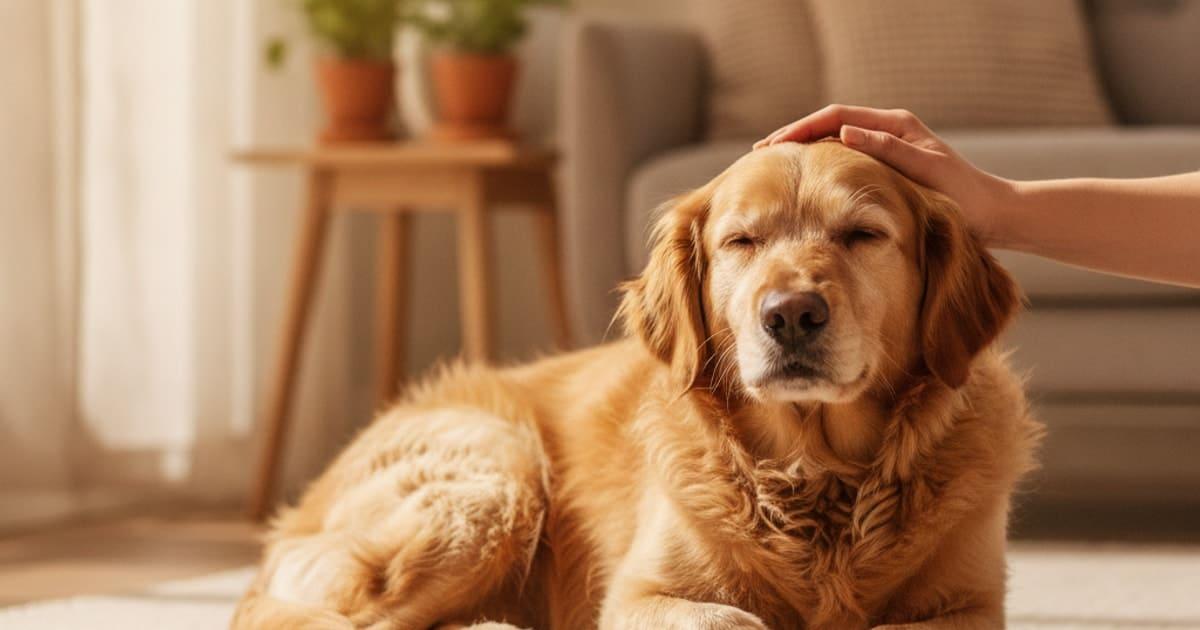
What it means when your dog's paws smell like corn chips is that yeast and bacteria on the paw skin can be making that scent, and corn chip paw smell is a reason to see your vet. Go to an emergency vet now if your dog will not put any weight on a paw, if a paw is bleeding and the bleeding will not stop, if a paw or leg swells fast, or if your dog is weak or collapses; otherwise book a same-day appointment. The smell on its own does not show what is behind it. A stronger smell with licking, redness or limping can mean something else is going on, and a vet exam may help find the cause.
When to go to the vet now
- Your dog will not put any weight on a paw.
- A paw is bleeding and the bleeding will not stop.
- A paw or leg swells fast.
- Your dog is weak, collapses or cannot get up.
What can cause corn chip paw smell
The toasted corn scent that can come from a dog's feet has to do with tiny living things on the skin. Yeast and bacteria live on a dog's skin, and the paws give them warm, damp places to grow. Those places include the skin between the toes, the area around the pads, the nail beds and the fur that covers the feet. As these microbes feed on sweat, skin oils and dead skin cells, they can release compounds with a smell close to corn chips or tortilla chips. Bacteria such as Pseudomonas and Proteus can be part of this, and a yeast called Malassezia can add to it. When a dog's paw smells like corn chips, the scent comes from that activity. The smell alone cannot show how much is growing or whether the growth has become a problem. Your vet can take a sample from the skin to find out.
Dog paws can smell like corn chips, but not every dog's paws carry this scent, and the strength of the smell can change from one day to the next. A dog's foot that smells like corn chips gives off the same kind of toasted corn scent as one that smells more like tortilla chips. The words differ, but the source is the same. As for whether a dog's paws should smell like corn chips, there is no smell a paw should have that you can confirm at home. That is why corn chip paw smell is a reason to book a vet visit, and why the signs listed above mean going to an emergency vet now.
Warmth and moisture can bring the smell out. A paw can smell stronger after it has been tucked under a sleeping dog or has just come in from damp grass, because heat and water help the scent reach your nose. A change in strength like this does not tell you the cause, so the same advice applies.
Dogs sweat through glands in their paw pads. That moisture can stay trapped between the toes and in the fur on the feet, along with water from wet grass, puddles, rain, baths and the water bowl. A warm, damp space lets yeast and bacteria grow, and more growth can mean a stronger smell. Some feet hold more moisture than others, such as feet with thick fur between the pads, toes that sit close together or deep folds of skin between the toes. Your vet looks at the shape of the feet as part of the exam. Weather, the ground your dog walks on and time spent on warm floors indoors can all change how damp the paws stay.
Licking and chewing add saliva to the paws and keep the skin wet. A dog may lick its feet because of itch, pain, stress or boredom, and the licking can feed a cycle. Wet skin lets microbes grow, the skin becomes more irritated, and the dog licks more. Your vet looks at why your dog is licking, not only at the smell, and the answer shapes what they check next.
A stronger smell, or a smell that comes with licking, redness or limping, can mean something else is going on. The possibilities your vet checks include a yeast infection or a bacterial infection of the paw skin, where these microbes have grown past what the skin can hold back. An infection can involve the skin between the toes, the pads or the folds of skin around the nails, and it can make the skin red, greasy, swollen or sore. Only a vet exam and a skin sample can show whether an infection is present and which kind it is.
Inflammation of the paw skin has a medical name, pododermatitis. It describes what is happening to the skin rather than naming a single cause, and your vet works to find what is driving it. That may be one of the possibilities on this page or more than one at once.
Allergies are another possibility your vet considers. A dog can react to things in the environment, such as pollen, dust mites, moulds or grasses, and a dog can react to an ingredient in food. Both kinds of allergy can show up in the feet as itch and inflamed skin. Inflamed skin can let yeast and bacteria grow more, and itchy feet lead to more licking, which adds moisture. If your vet suspects a food allergy, they may suggest a diet trial. Your vet can tell you how a change of diet fits your dog and sets what to feed. Do not change your dog's food on your own before the visit.
Injuries and things stuck in the foot can also be behind a smell. A grass seed, splinter, thorn or small stone can work its way between the toes or into the skin. A cut, a torn pad, a broken nail or an infection in the nail bed can let bacteria in. Swelling between the toes can come from a foreign body, an infection or a cyst. Any new lump or swelling should be checked by a vet, who may take a fine needle sample. Do not try to find, squeeze or pull out anything yourself, because that can push it deeper or damage the area your vet needs to see.
Some conditions elsewhere in the body can show up in the paws. These include tiny mites that live in hair follicles, hormone problems such as an underactive thyroid gland or a problem with the adrenal glands, and immune conditions that affect the skin. Each of these can change the skin of the feet and let yeast and bacteria grow. Your vet may test for them, especially when the paws keep flaring up or other parts of the skin are affected too.
A smell from one paw and a smell from all four paws are both reasons to book the visit. Telling your vet which feet smell, and whether the smell has changed, helps them decide where to look first. You can read more about skin, paw and other health problems in the conditions library. If anything about your dog's feet concerns you, talk to your vet rather than trying to sort out the cause at home.
What your vet may do
Your vet starts with questions about your dog's health, food, home and walks. They may ask when the smell started, whether it has changed and whether your dog licks at night. They may also ask whether anything new has come into the home, such as bedding or a cleaning product, whether other pets have skin problems, and whether your dog has had paw, ear or skin trouble before. These details help your vet decide which tests come first.
Next comes a full physical exam. Your vet looks closely at each paw: the pads, the skin between the toes, the nails and nail beds, and the fur on the feet. They note any redness, swelling, discharge, hair loss, staining or sore areas, and they check how your dog stands and walks. They may also check the ears and the rest of the skin, since skin problems can show up in more than one place.
To see what is growing on the skin, your vet may press clear tape or a glass slide against the paw, or use a swab between the toes. The sample is stained and looked at under a microscope, which can show yeast, bacteria and signs of inflammation. If mites are a possibility, your vet may gently scrape the surface of the skin or pluck a few hairs to look at under the microscope. Your vet may clip some fur from the feet to get a clear view of the skin.
If an infection is found, or if the paws have had infections before, your vet may send a sample to a laboratory for a culture. A culture grows the bacteria or yeast so the laboratory can name them and show which medicines can act on them. Some dogs need light sedation for a proper look at a painful paw or for a sample from a sore area.
When something may be stuck in the foot, or when there is swelling, your vet may take X-rays or use ultrasound to look beneath the skin. A lump or swelling may be sampled with a fine needle. An area of skin that is hard to explain may need a small biopsy, where a tiny piece of skin is taken and sent to a laboratory.
If allergies are a possibility, your vet may discuss a diet trial with a food they choose, or allergy testing. If a hormone problem or another condition that affects the whole body is a possibility, your vet may take blood and urine samples. Once your vet knows more, they can explain what they found and build a treatment plan around the cause. Your vet may ask to see your dog again to recheck the paws.
Call your vet again if the smell changes or if you notice limping, redness, swelling, discharge or bleeding. For a wider guide to signs that need urgent care, read Dog Emergency Signs.
What to tell your vet
- When you first noticed the smell, and which paws it comes from
- Any change in the smell, the skin, the fur or the way your dog walks
- Any bleeding, discharge or swelling you have seen on the feet
- How much your dog licks or chews at the paws, and when
- Any other signs, such as scratching, itchy ears, a change in eating or less energy than before
Frequently asked questions
- Is corn chip paw smell an emergency in dogs?
- Corn chip paw smell becomes an emergency when your dog will not put any weight on a paw, a paw is bleeding and will not stop, a paw or leg swells fast, or your dog is weak or collapses. Go to an emergency vet now for any of these. For anything else, book a same-day vet appointment.
- What should I do if my dog has corn chip paw smell?
- Call your vet today so the paws can be examined. Do not put anything on the feet before the visit. Note when you first noticed the smell, which paws it comes from, and any licking, redness, swelling, bleeding or limping. Go to an emergency vet now if your dog will not use a paw or collapses.
- Can I treat corn chip paw smell at home?
- No, because the smell alone does not show what is causing it. Do not put anything on the paws or try to remove anything from between the toes before your vet sees your dog. If a paw is bleeding, use gentle pressure with a clean cloth on the way to the vet only.
- What does it mean when my dog's paws smell like corn chips?
- It can mean yeast and bacteria living on the skin of the paws are releasing a scent that reminds you of corn chips. The smell itself does not show whether something else is going on, such as an infection, an allergy or something stuck in the foot. A vet exam may help find the cause, so book a same-day visit.
- Why do my dog's paws smell like corn chips?
- Your dog sweats through the paw pads, and that moisture, along with water from walks, baths and licking, can stay trapped between the toes. Yeast and bacteria grow in that warm, damp space and break down sweat and skin oils, which can give off a corn chip smell. Book a same-day vet visit so the paws can be examined.
- Do dog paws smell like corn chips?
- Yes, dog paws can smell like corn chips, because yeast and bacteria on the paw skin can give off a toasted, corn-like scent. Not every dog's paws smell this way, and the strength of the smell can differ from day to day. Because smell alone does not show the cause, book a vet visit to have the paws checked.
- Do dogs' feet smell like corn chips or tortilla chips?
- Dogs' feet can smell like either, since corn chips and tortilla chips share a toasted corn scent, and both describe the smell yeast and bacteria on the paw skin can make. Whatever word fits, the smell is a reason to book a vet visit, and to go to an emergency vet now if your dog cannot use a paw.
- Why does only one of my dog's paws smell like corn chips?
- A smell from one paw is a reason to have that foot examined. Your vet may check that paw for a cut, a torn pad, a broken nail, something stuck between the toes, or swelling. Do not try to find or remove anything yourself. Book a same-day visit, or go now if your dog will not use the paw.
- What makes a dog's paws smell like corn chips?
- The smell can come from yeast and bacteria on the paw skin, such as Malassezia yeast and bacteria like Pseudomonas and Proteus, as they break down sweat, skin oils and dead skin cells. Moisture, licking and inflamed skin can let them grow more. Your vet can take a skin sample to see what is growing.
- Can licking make my dog's paw smell stronger?
- Yes, licking can make the smell stronger, because saliva keeps the paw skin wet, and wet skin lets yeast and bacteria grow. Licking can also be a sign of itch or pain in the foot, which your vet looks into. Note how much your dog licks and when, and tell your vet at the same-day visit.
- Can food play a part in my dog's paw smell?
- Food can play a part when a dog reacts to an ingredient, since a food allergy can make the paws itchy and inflamed and lead to more licking. Do not change your dog's food on your own before the visit. Your vet can tell you whether a diet trial fits your dog and sets what to feed.
Educational content, not veterinary advice. Ask your vet about your dog.