Why Is My Dog Drinking Less Water? When to See the Vet
Reduced water intake in a dog is a reason to see a vet. This page covers which signs mean going to an emergency vet now, what can cause a dog to drink less, and what your vet may check.
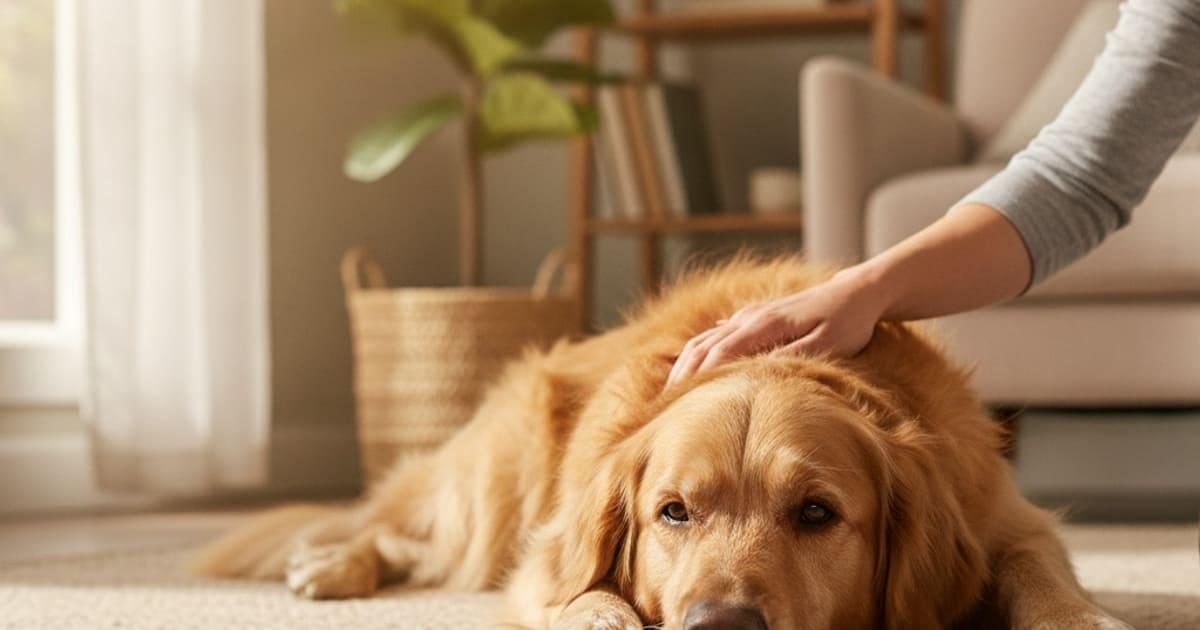
Reduced water intake is a reason to see a vet, because a dog that drinks less than usual can be in pain, feeling sick, or dealing with a problem in the mouth, gut, kidneys or elsewhere. Go to an emergency vet now if your dog will not drink at all, is vomiting or cannot keep water down, is weak or collapsing, or is straining to pee with little or nothing coming out; otherwise book a same-day appointment. There is no way to answer 'why my dog is drinking less water' from home, and a dog that still eats and plays can have a cause that needs finding, so the vet is the next step either way.
When to go to the vet now
If any of the signs below is present, go to an emergency vet now. These signs can mean your dog is becoming dehydrated, is in pain, or has a blockage or another illness that needs treatment straight away.
- Your dog will not drink anything at all, even when fresh water is offered.
- Your dog is vomiting, or brings water back up soon after drinking.
- Your dog is weak, wobbly, confused, or collapses.
- Your dog is straining to pee and little or nothing comes out.
- Your dog has a swollen, tight or painful belly, or is retching without bringing anything up.
If you cannot tell whether a sign fits this list, treat it as an emergency and go now rather than deciding at home. For a wider look at signs that need urgent care, read Dog Emergency Signs. If your dog is still drinking some water and has none of these signs, book a same-day appointment, and go to an emergency vet straight away if any of these signs appears before then.
What can cause reduced water intake
Water intake is linked to nearly every part of a dog's body, so a dog drinking less water than usual has a long list of possible causes. The causes below are possibilities your vet checks for during the visit. None of them can be confirmed or ruled out at home, and more than one can be present at the same time, which is why the answer to 'why would my dog be drinking less water' comes from an exam rather than from guessing.
A dog that feels sick to the stomach can turn away from water as well as food, because swallowing anything can make the nausea worse. Your vet looks at possibilities such as an upset stomach or bowel, inflammation of the pancreas, liver trouble, and an object stuck somewhere in the gut. A blockage is a particular concern because it can stop water from passing through, so a dog may drink a little and then bring it back up. If you think your dog may have swallowed a toy, a bone, a sock or anything else that is not food, call your vet now. If your dog may have eaten something toxic, such as a medicine, a plant or a chemical, call your vet or an animal poison control service now.
Pain in the mouth can make drinking hard even when a dog is thirsty. A broken or infected tooth, sore or swollen gums, an injury to the tongue, an ulcer, or something stuck between the teeth or in the roof of the mouth are all things the vet considers. Lapping water means moving the tongue and jaw over and over, and cold water can sting a sore tooth. Do not open your dog's mouth to look inside or try to pull anything out: the vet examines the mouth, sometimes with sedation, so that nothing is pushed further in and nobody is bitten.
Pain away from the mouth can also lower how much a dog drinks. Neck or back pain can make it uncomfortable to lower the head to a bowl on the floor, and pain in the hips, knees or other joints can make getting up and walking to the water feel like too much effort. A dog in pain can also be quieter and less interested in everything, including drinking. The vet looks for pain during the physical exam and may suggest X-rays if a sore neck, back or limb is suspected.
Infection and fever can leave a dog tired and flat, with less drive to get up and drink. The vet considers infections in many places, including the chest, the skin, the urinary tract, and the womb in an unspayed female. Kidney problems can change thirst in either direction, and a dog with kidney trouble can drink less at one stage and more at another. Bladder stones or a urinary infection can make a dog uncomfortable and change how much it drinks and pees. Straining to pee with little or nothing coming out is an emergency, as the list above says.
Other illnesses can sit behind a drop in drinking as well. Heart disease, problems with the hormone glands, some cancers and illnesses that affect the whole body can leave a dog with less energy and less appetite for food and water. These are not conclusions to draw at home: they are part of the reason the vet may run blood and urine tests even when the main change you have seen is a quieter water bowl.
Medicines and recent procedures are another possibility. Some medicines can change thirst or cause nausea, and a dog that has recently had an anaesthetic or sedation, for surgery or dental work, can be slower to start eating and drinking again. Tell your vet about any medicine, supplement or flea and worm treatment your dog takes, and do not stop or change a medicine your vet prescribed without asking first. If your dog has had surgery recently and is drinking less, call the clinic that did the surgery today.
Stress and changes at home can affect drinking too. A move, a new pet or baby, time in boarding, a new bowl, a bowl in a new spot, or water that tastes different, for example on holiday or after a change in water supply, can all play a part. A vet weighs these alongside health causes rather than instead of them, because a dog can be still developing and unwell at the same time.
Diet, weather and activity also shape how much a dog drinks. Wet food, soaked food and fresh food carry a lot of water, so a dog moved onto them can drink less from the bowl. Cooler weather and less exercise can lower thirst as well. These possibilities are part of the conversation with your vet, not a reason to skip it, because the same change in drinking can come with an illness that happens to start at the same time. Talk to your vet about how your dog's diet and routine fit with the amount they are drinking.
A dog drinking less water but still eating, playing and going for walks can still have one of the causes above. Mouth pain, early kidney trouble and some infections can be present before a dog looks unwell, and some dogs hide pain well. Seeming bright and happy does not rule anything out, which is why a same-day appointment is the right step even when your dog seems like themselves.
Whatever the cause, drinking less water than the body needs can lead to dehydration, and dehydration can make the underlying problem harder for the body to cope with. The vet assesses hydration as part of the exam and can give fluids if your dog needs them. Do not try to force water into your dog's mouth with a syringe or bottle, because water can go down the wrong way into the airway.
Do dogs drink less water than humans? Dogs and people both depend on water to keep the body working, but a dog's needs are set by its own size, diet, activity, health and the weather. Comparing your dog's bowl with what a person drinks does not tell you whether your dog is drinking enough. What matters is a change from what your dog drinks when well, and that change is the reason to call your vet. Your vet can tell you how much water fits your dog.
What your vet may do
The visit starts with questions. Your vet asks when you first noticed the change, whether your dog is eating, what food your dog eats, whether there has been vomiting, diarrhoea, coughing or a change in peeing, what medicines your dog takes, and whether anything has changed at home. The answers help the vet decide which possibilities to look at first.
Next comes a physical exam. The vet weighs your dog, takes a temperature, listens to the heart and lungs, and feels the belly for pain, swelling or anything that should not be there. The mouth, teeth, gums and tongue are examined for injury, infection or anything stuck. The vet also assesses hydration, looking at things such as the skin, the eyes and the gums, and may pick up signs of pain in the neck, back or legs while your dog moves around the room.
Blood tests may come next. A blood count looks for infection, inflammation and anaemia, and a chemistry panel looks at the kidneys, the liver, blood sugar, the salts in the blood and protein levels. Some dogs need tests of hormone levels or of the pancreas. A urine sample shows how well the kidneys concentrate urine and whether there is infection, crystals or blood. The vet may collect urine with a needle straight from the bladder so the sample is clean.
If the vet suspects a blockage, stones, a problem in the belly or chest, or pain in the spine or joints, imaging may follow. X-rays show bones, some swallowed objects and some stones, and ultrasound gives a closer look at organs such as the kidneys, liver, bladder, bowel and pancreas. If mouth pain is suspected, a full dental exam with X-rays under anaesthetic may be advised, since much of each tooth sits below the gum line where it cannot be seen during a standard exam.
Treatment depends on what the vet finds. A dehydrated dog may need fluids, given under the skin or through a drip into a vein, and some dogs stay in hospital for this. If nausea is part of the picture, the vet may give an anti-nausea medicine. Pain relief, treatment for infection, a diet change, removal of a swallowed object, or dental treatment are among the options, and the plan is built around the cause rather than the drinking alone.
The vet will explain what each test result means and what the next step is. If anything about the plan is unclear, talk to your vet before you leave the clinic. If your dog stops drinking, starts vomiting, becomes weak or strains to pee at any point after the visit, go to an emergency vet now. You can read about illnesses that can sit behind changes in drinking in our conditions library.
What to tell your vet
Bring these details to the appointment, written down if that helps:
- When you first noticed your dog drinking less, and whether it came on suddenly or bit by bit.
- Any change since then: drinking even less or not at all, or changes in eating, peeing or pooping.
- Any bleeding, including blood in vomit, stool or urine, or from the mouth.
- Any licking of the lips, drooling, or licking at one part of the body.
- Other signs, such as vomiting, diarrhoea, coughing, tiredness, weight change, or crying out when moving.
- Any recent change in food, routine, home or medicine, any recent anaesthetic, and anything your dog may have chewed or swallowed.
Frequently asked questions
- Is reduced water intake an emergency in dogs?
- It is an emergency if your dog will not drink at all, is vomiting or cannot keep water down, is weak or collapsing, or is straining to pee with little or nothing coming out. Go to an emergency vet now for any of these. For reduced water intake without these signs, book a same-day vet appointment.
- What should I do if my dog has reduced water intake?
- Call your vet today and book a same-day appointment. Tell them when you first noticed the change, what your dog is eating, and any vomiting, diarrhoea, tiredness or change in peeing. If your dog stops drinking completely, vomits, becomes weak or strains to pee, go to an emergency vet now instead.
- Can I treat reduced water intake at home?
- No, because the cause needs to be found by a vet first. Do not put anything in your dog's water or mouth, do not force water with a syringe, and do not remove anything stuck before the vet sees your dog. If there is bleeding, hold gentle pressure with a clean cloth on the way to the vet only.
- Why is my dog drinking less water?
- A dog can drink less water because of nausea, mouth or tooth pain, pain in the neck, back or joints, fever or infection, kidney or urinary problems, a swallowed object, a medicine, stress, or a change in diet or weather. A vet exam may help find the cause, so book a same-day appointment.
- Why would a dog drink less water than usual?
- Anything that makes drinking uncomfortable or makes a dog feel unwell can lower how much it drinks. That includes a sore mouth, nausea, a blockage in the gut, infection and illness of the kidneys, liver or heart. Changes at home and in food can play a part too, and only a vet exam can sort these out.
- Why do dogs drink less water when they feel sick?
- A dog that feels sick can drink less because swallowing can make nausea worse, because fever and tiredness lower the drive to get up and drink, or because pain makes reaching the bowl hard. Drinking less can then lead to dehydration, which a vet can assess and treat with fluids. Book a same-day appointment.
- Why would my dog be drinking less water while still eating and playing?
- A dog can seem bright and keep eating while a problem is present in the background. Mouth pain, early kidney trouble, some infections and stress can all lower drinking before other signs show, and some dogs hide pain well. Seeming well does not rule anything out, so book a same-day vet appointment.
- Do dogs drink less water than humans?
- There is no single comparison that fits, because a dog's water needs depend on its size, diet, activity, health and the weather. Comparing your dog with a person does not show whether your dog is drinking enough. What matters is a change from what your dog drinks when well, and your vet can tell you what fits your dog.
- Can a change in food make my dog drink less water?
- Yes, a change in food can affect drinking, because wet, soaked or fresh food carries more water than dry food, so a dog may drink less from the bowl. A new food can also upset the stomach. A diet change does not rule out illness, so book a same-day appointment and talk to your vet about the food.
- Can a medicine make my dog drink less water?
- Yes, some medicines can cause nausea or change thirst, and a recent anaesthetic or sedation can also affect drinking. Do not stop or change a medicine your vet prescribed on your own. Call your vet today, tell them every medicine, supplement and parasite treatment your dog takes, and book a same-day appointment.
Educational content, not veterinary advice. Ask your vet about your dog.