What Do I Need to Know About Hip Dysplasia in Dogs?
Hip dysplasia is not an old-dog disease. The joint laxity that drives it forms while a puppy is still growing, long before the first limp appears. By the time most owners notice stiffness on a cold morning, secondary arthritis has usually already reshaped the joint.…
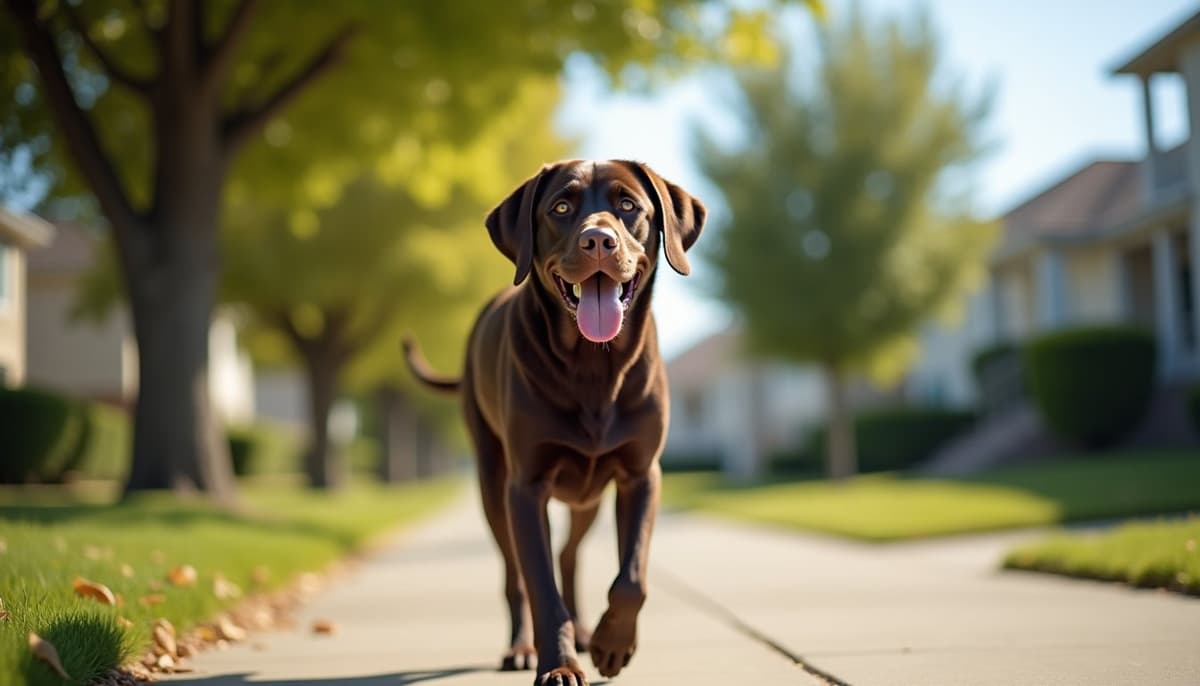
What do I need to know about hip dysplasia in dogs?
Hip dysplasia is not an old-dog disease. The joint laxity that drives it forms while a puppy is still growing, long before the first limp appears. By the time most owners notice stiffness on a cold morning, secondary arthritis has usually already reshaped the joint.
This hip dysplasia dogs complete guide exists because the pattern across owner reports repeats the same message week after week from owners of hounds, setters, terriers and sighthounds: the diagnosis landed at a routine appointment, and nobody explained what is actually happening inside the hip or what to do in the next ninety days.
What do I need to know about hip dysplasia in dogs?
Hip dysplasia in dogs is an inherited developmental condition where the femoral head (the ball) and the acetabulum (the socket) fit together loosely, producing instability, cartilage wear and progressive osteoarthritis. The single most important first step is a veterinary orthopaedic examination with sedated radiographs. Early diagnosis and lean body weight influence long-term outcome more than any product on a shelf.
The most common misconception is that a severe X-ray means a painful dog and a mild X-ray means a comfortable one. Radiographic severity and clinical pain correlate poorly, which is why two dogs with near-identical films can present completely differently on a walk. This hip dysplasia dogs complete guide covers how the joint fails mechanically, how PennHIP and OFA screening actually differ, and which management levers change the trajectory versus which ones simply feel productive.
How Hip Dysplasia in Dogs Develops Inside the Joint
Canine hip dysplasia begins as laxity in the coxofemoral joint, not as arthritis. In a normal hip, the femoral head sits deep in the acetabulum, held by the round ligament and a tight joint capsule, with the load spread evenly across hyaline cartilage. In a dysplastic hip, the head sits shallow and slides, a state called subluxation.
That sliding concentrates force onto a small rim of the socket instead of the whole surface. The dorsal acetabular rim absorbs repeated microtrauma, cartilage thins, and subchondral bone is exposed to loads it was never shaped to carry. The joint responds the way joints always do: synovitis, inflammatory cytokine release into the synovial fluid, capsular thickening, and eventually osteophytes bridging the femoral neck. That final stage is what shows up as osteoarthritis on film, and it is a consequence of the instability rather than the origin of it.
Inheritance is polygenic, meaning no single gene switches it on. Environment then edits the outcome. Rapid growth in large-breed puppies, excess caloric intake, over-supplementation of calcium during skeletal development and high-impact exercise on immature joints all worsen expression in a genetically susceptible dog. This is why two littermates raised in different homes can end up with meaningfully different hips.
The clinical picture varies by age. Young dogs between roughly four and twelve months often show a bunny-hopping rear gait, a narrow-based stance, and pain on hip extension, driven by laxity itself. Older dogs show the arthritic pattern: difficulty rising, reluctance to jump into the car, muscle loss over the hindquarters, and a shift of weight forward onto the shoulders. Owners managing this day to day describe that forelimb muscle overdevelopment constantly, having believed the shoulders were the problem. The shoulders were compensating.
Diagnosis and Staging: The Hip Dysplasia Dogs Complete Guide to PennHIP and OFA Screening
A definitive diagnosis requires sedated radiographs, because muscle tension in an awake dog masks the very laxity the film is meant to reveal. Palpation findings such as the Ortolani sign, where the examiner feels the femoral head clunk back into the socket, support the diagnosis but do not stage it.
Here is the detail most owners are never told, and it changes how you read your own dog's report. The two major screening systems measure different things. The Orthopedic Foundation for Animals (OFA) evaluates a hip-extended ventrodorsal view and assigns a subjective grade from excellent through to severe dysplasia, with final certification issued at 24 months of age. The problem is mechanical: extending the hips and rotating the femurs inward tightens the joint capsule and can push a lax femoral head back into the socket, which means a hip can photograph better than it behaves. PennHIP, developed at the University of Pennsylvania School of Veterinary Medicine, addresses this by using a distraction device to measure a distraction index (DI), a numerical value describing how far the head displaces from the socket. Lower values indicate tighter hips, and PennHIP evaluation can be performed from around 16 weeks of age.
That age gap matters more than almost anything else in this hip dysplasia dogs complete guide. A 16-week screening window opens surgical and management options that a 24-month diagnosis has already closed.
Diagnosis should also rule out mimics. Cranial cruciate ligament disease, lumbosacral disease, panosteitis in growing dogs and bilateral stifle pain all produce a reluctant, stiff-rear presentation. Across the pattern in owner-reported case histories, the dogs who improve fastest are the ones whose vets confirmed the source of pain rather than assuming the hips were guilty because the breed is high-risk. Anyone comparing screening options should have that conversation with their veterinarian before booking a specific radiographic protocol.
Hip Dysplasia Treatment for Dogs: What Actually Moves the Needle
The highest-impact intervention in hip dysplasia treatment for dogs is not a drug. It is body condition. Every kilogram of excess mass multiplies through a joint that is already loading unevenly, and lean dogs consistently show later onset and slower progression of clinical signs. A body condition score around 4 out of 9, where ribs are easily felt and there is a visible waist, is the working target most rehabilitation vets aim for.
Structured conditioning is second. Controlled lead walking, hydrotherapy, underwater treadmill work and targeted gluteal and hamstring strengthening rebuild the muscular support the ligaments can no longer provide. Uncontrolled off-lead sprinting and repetitive ball chasing do the opposite.
Veterinary medication sits alongside that. Non-steroidal anti-inflammatory drugs licensed for dogs, such as carprofen and meloxicam, manage inflammatory pain and are prescription-only for good reason, since long-term use requires monitoring of liver and kidney values. Polysulfated glycosaminoglycan injections are FDA-approved for degenerative joint disease in dogs and are prescribed by veterinarians. Nutritional adjuncts including omega-3 fatty acids (EPA and DHA), glucosamine and chondroitin sulphate are widely used, though the evidence quality across published trials is mixed rather than settled.
Surgery is a real option, not a last resort. Juvenile pubic symphysiodesis and double or triple pelvic osteotomy are age-limited procedures for young dogs with laxity but minimal arthritis. Femoral head and neck ostectomy removes the painful articulation and relies on fibrous tissue, while total hip replacement resurfaces the joint entirely. Costs vary widely by clinic, region and implant system, so quotes should be gathered locally.
Peptide compounds occupy a separate category. BPC-157 and TB-500 are peptides studied for their roles in tissue repair signalling and angiogenesis. They are not FDA-approved veterinary drugs, and nothing here should be read as a claim about outcomes for any individual animal. Owners exploring that space can review our K9-REPAIR information alongside veterinary advice. Please talk to your veterinarian before adding anything to an existing treatment plan, and treat this article as educational rather than prescriptive.
Breed conformation changes the practical playbook, which is why we maintain breed-specific companions to this hip dysplasia dogs complete guide. Scent hound owners can read our notes on the best supplement for bloodhounds with hip dysplasia, the best supplement for basset hounds with hip dysplasia, the best supplement for coonhounds with hip dysplasia and the best supplement for foxhounds with hip dysplasia. Sighthound owners should start with the best supplement for greyhounds with hip dysplasia, the best supplement for whippets with hip dysplasia and the best supplement for salukis with hip dysplasia. Gundog, terrier and companion breeds are covered in the best supplement for irish setters with hip dysplasia, the best supplement for rat terriers with hip dysplasia, the best supplement for bull terriers with hip dysplasia, the best supplement for pugs with hip dysplasia and the best supplement for havanese with hip dysplasia.
Hip Dysplasia Dogs Complete Guide: Management Option Comparison
This table compares the main management categories by what each one physically targets, so owners can see where effort produces structural change versus symptom relief. Regulatory status is included because it separates prescription medicine from everything else.
| Approach | What It Physically Targets | Realistic Timeline | Regulatory Status | Bottom Line |
|---|---|---|---|---|
| Weight and conditioning | Reduces load through the acetabular rim and rebuilds gluteal muscle support | Body composition shifts over 8-16 weeks; gait changes follow | Not a medical product | The highest-leverage action available to any owner, and the cheapest |
| Veterinary NSAIDs and prescribed injectables | Inflammatory pain pathways and joint fluid quality | Pain relief often within days of starting | Prescription only, requires bloodwork monitoring | Necessary for genuine pain control; not a substitute for load management |
| Joint nutraceuticals (omega-3, glucosamine, chondroitin) | Cartilage substrate supply and inflammatory signalling | Owners typically judge effect over 6-12 weeks | Supplement category, not FDA-approved drugs | Evidence is mixed; low risk, modest and variable benefit |
| Surgery (JPS, DPO/TPO, FHO, total hip replacement) | Bone geometry and the articulation itself | Weeks of restriction, months of rehabilitation | Specialist veterinary procedure | The only category that changes joint structure; age and arthritis stage determine eligibility |
| Peptides (BPC-157, TB-500) | Tissue repair and angiogenesis signalling | Owners report varied timelines; no established standard | Not FDA-approved veterinary drugs | Discuss with a vet, and judge products on formulation transparency rather than marketing |
Key Takeaways
- Hip dysplasia in dogs starts as coxofemoral joint laxity, and the osteoarthritis owners eventually see is a downstream consequence of that instability.
- Radiographic severity and clinical pain correlate poorly, so a bad film does not automatically mean a suffering dog.
- PennHIP measures a distraction index and can be performed from around 16 weeks of age, while OFA issues final hip grades at 24 months.
- Lean body condition is the single most powerful lever an owner controls, and it costs nothing but discipline.
- Surgical options including juvenile pubic symphysiodesis and pelvic osteotomy are age-limited, which is why early screening in high-risk breeds matters.
- BPC-157 and TB-500 are not FDA-approved veterinary drugs, and any use should be discussed with your veterinarian.
What If: Hip Dysplasia Scenarios
What If My Dog's X-Rays Look Terrible but He Runs Normally?
Manage the dog in front of you, not the image, and re-examine on a schedule rather than reacting to the film. Severe radiographic remodelling with minimal lameness is a genuinely common presentation, because fibrous capsular thickening and osteophyte formation can stabilise a joint even as it looks worse on screen. What changes the plan is the emergence of functional signs: shortened stride, reluctance on stairs, or hindquarter muscle loss measured by tape rather than by eye. Keep body condition lean, maintain controlled conditioning, and let your veterinarian set the recheck interval.
What If My Puppy's Breed Is High-Risk but She Has No Symptoms Yet?
Book a laxity-focused screening conversation with your veterinarian early rather than waiting for a limp. Symptom-free young dogs are precisely the population where preventive surgical options and growth management still exist, and those windows close as the skeleton matures. Control growth rate through measured feeding on a large-breed appropriate diet, avoid calcium over-supplementation, and skip repetitive high-impact activity on immature joints. No dosing or supplement protocol should be applied to a puppy without veterinary input.
What If I Cannot Afford a Total Hip Replacement?
Build a conservative management plan and ask your veterinarian about femoral head and neck ostectomy as an alternative surgical route. Conservative care combining weight reduction, hydrotherapy, prescribed analgesia and structured strengthening produces meaningful comfort for many dogs, particularly smaller and lighter-framed breeds. Ostectomy is generally less expensive than joint replacement and relies on a fibrous pseudo-joint, with outcomes that tend to favour lighter dogs with good muscle mass. Veterinary teaching hospitals sometimes offer reduced-cost pathways worth asking about directly.
The Blunt Truth About Hip Dysplasia in Dogs
Here is the honest answer: nothing you buy reverses hip dysplasia. The socket is shallow, the fit is loose, and that is bone geometry, not a deficiency you can feed your way out of. Supplements, peptides and joint chews operate on inflammation, comfort and tissue signalling at best, and marketing that implies otherwise is selling you hope. What genuinely alters the arc of this condition is unglamorous and repetitive: a lean dog, consistent muscle-building work, honest pain control prescribed by a vet, and screening early enough that surgery is still a choice. Any hip dysplasia dogs complete guide that skips that hierarchy is doing owners a disservice.
The most useful reframe in this hip dysplasia dogs complete guide is that the diagnosis describes a joint, not a prognosis. Two dogs with the same distraction index can end up living completely different lives depending on what happens in the eighteen months after the films are taken. The owners whose dogs do best are rarely the ones who found the perfect product. They are the ones who kept the weight off, kept the muscle on, and asked their vet a better question at every recheck.
Frequently asked questions
- What are the first signs of hip dysplasia in dogs?
- The earliest signs are usually a bunny-hopping rear gait, a narrow-based stance, difficulty rising after rest, and reluctance to jump into a car or onto furniture. Many owners also notice the shoulders bulking up as the dog shifts weight forward. Any of these warrants a veterinary orthopaedic exam rather than watchful waiting.
- Which dog breeds are most at risk for hip dysplasia?
- Large and giant breeds are over-represented, including retrievers, shepherds, mastiff-type breeds, setters and larger hounds, but hip dysplasia is documented across many sizes including smaller companion breeds. Conformation and growth rate matter as much as size. Breed risk should prompt earlier screening, not a diagnosis on its own.
- How long does BPC-157 take to work in dogs?
- There is no established timeline, because BPC-157 has not been studied in large controlled canine trials. Owners report noticing changes over several weeks rather than days, but these are anecdotal observations, not documented clinical outcomes. Research remains largely preclinical, so any expectation of a specific timeframe is speculative and should be discussed with a veterinarian.
- What does BPC-157 do for dogs?
- BPC-157 is a synthetic peptide fragment studied in preclinical models for its proposed role in tissue repair signalling, angiogenesis and modulation of inflammatory pathways. It is not an FDA-approved veterinary drug and is not established as a treatment for any canine condition. Research suggests mechanisms of interest; outcome claims for individual dogs are not supported.
- How much BPC-157 should I give my dog?
- There is no established veterinary dosing standard for BPC-157 in dogs, because it has not been approved or formally dosed through regulatory trials. Any amount should be determined in consultation with your veterinarian, taking weight, age and existing medications into account. Puppies, pregnant and nursing dogs should not be given peptides without direct veterinary supervision.
- Is BPC-157 legal for dogs?
- BPC-157 is not an FDA-approved veterinary drug, and its regulatory status varies by country and by how it is sold and labelled. In many markets it is available as a research or educational product rather than an approved animal medicine. Owners should verify local rules and speak with a licensed veterinarian before use.
- Do vets recommend BPC-157 for dogs?
- Most veterinarians do not routinely recommend BPC-157, because it lacks approval and large controlled canine studies. Some integrative practitioners discuss it as an experimental option alongside conventional care. The honest position is that veterinary opinion is divided and evidence is limited, so any decision belongs in a conversation with your own vet.
- Does BPC-157 actually work for dogs?
- The evidence base in dogs is limited. Most published research is preclinical and rodent-based, examining tissue repair and inflammatory signalling rather than clinical outcomes in canine joint disease. Owners report varied experiences, which is not the same as proof. Anyone considering it should treat the outcome as uncertain and unverified.
- How much does hip dysplasia surgery cost for a dog?
- Costs vary widely by procedure, clinic, region and implant system, so a local quote is the only reliable figure. Femoral head and neck ostectomy is typically less expensive than total hip replacement, and bilateral surgery costs more than a single side. Veterinary teaching hospitals sometimes offer reduced-cost options worth asking about.
- Hip dysplasia dogs complete guide: what should I do first after diagnosis?
- Confirm the source of pain with your veterinarian, then get the dog to a lean body condition and start a structured, low-impact conditioning plan. Ask specifically about pain control options and whether age-limited surgical procedures are still available. Those three actions matter far more in the first ninety days than any product choice.
- Hip dysplasia dogs complete guide: can a dog live a normal life with it?
- Many dogs with hip dysplasia live active, comfortable lives, particularly when weight is controlled, muscle mass is maintained and pain is properly managed with veterinary input. Severity on radiographs does not reliably predict quality of life. Progression varies, so regular rechecks and honest assessment of function are more useful than a one-time prognosis.
Educational content. BPC-157 and TB-500 are not FDA-approved veterinary drugs. Talk to your veterinarian before starting anything new, especially if your dog is on prescribed medication.