 Toe Injury in Dogs — Signs, Healing and Care | pawgenEach canine paw carries four weight-bearing digits, and every one of them is a stack of three small bones (P1, P2 and P3), two hinged joints, a deep digital flexor tendon, a nail bed and a pad. That whole assembly absorbs ground impact on every stride. This toe injury dogs…Read the guide →
 Stomach Ulcers in Dogs: Signs, Causes and Care | pawgenA dog with a slowly bleeding gastric ulcer can look almost normal until the day it collapses. The earliest reliable sign is not vomiting at all. It is melena: black, tarry, tar-smelling stool caused by blood that has already been digested in the stomach, and most owners read it as…Read the guide →
 Hock Injury in Dogs — Signs, Recovery & Care | pawgenMost owners who spot a hind-leg limp assume the knee is the problem. The hock is not the knee. It sits high on the back leg, bends backward, and functions as the dog's ankle, and that single anatomical mix-up is the most common reason a hock problem gets watched at…Read the guide →
 Cruciate Ligament Rupture in Dogs — Owner Hub | pawgenMost cruciate ligament ruptures in dogs are not injuries in any meaningful sense. The ligament had been degenerating for months, sometimes years, before the afternoon your dog spun after a ball and came up three-legged. The American College of Veterinary Surgeons describes cruciate ligament disease as the leading cause of…Read the guide →
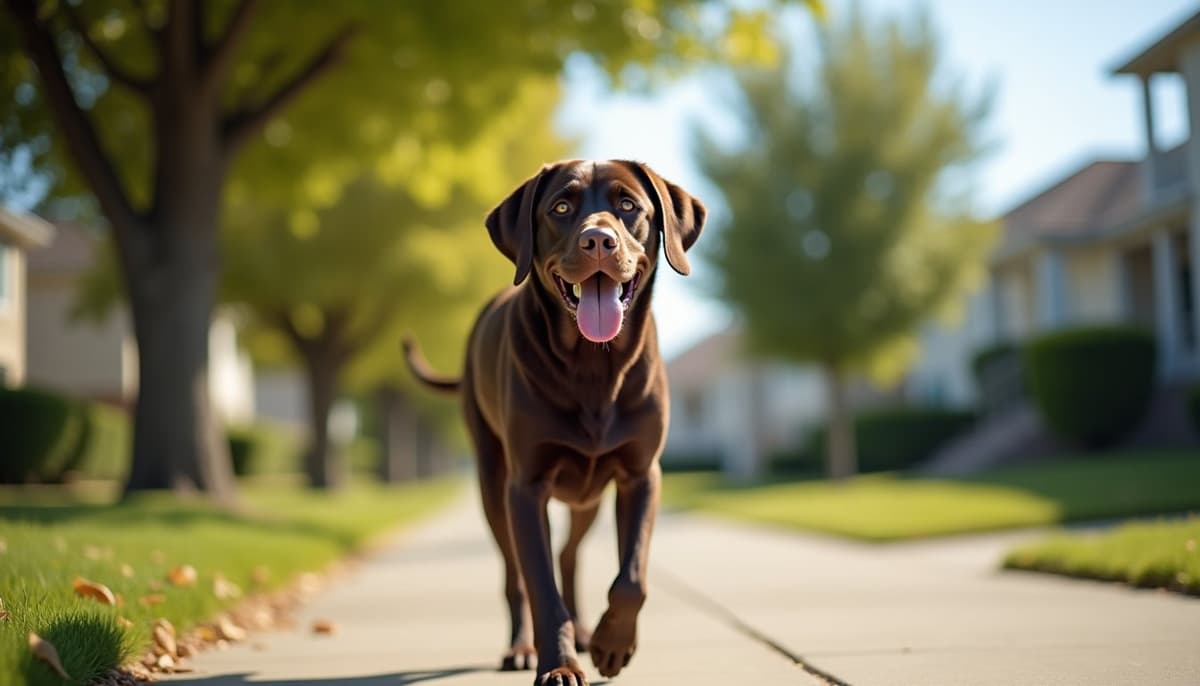 What Do I Need to Know About Hip Dysplasia in Dogs?Hip dysplasia is not an old-dog disease. The joint laxity that drives it forms while a puppy is still growing, long before the first limp appears. By the time most owners notice stiffness on a cold morning, secondary arthritis has usually already reshaped the joint.…Read the guide →
 Vestibular Disease in Dogs: Signs, Causes & Care | pawgenA dog that wakes up unable to stand, head cocked hard to one shoulder, eyes flicking rhythmically side to side, looks exactly like a stroke victim. In most cases it is not a stroke. Strokes (cerebrovascular accidents) are comparatively uncommon in dogs, while acute peripheral vestibular dysfunction is one of…Read the guide →
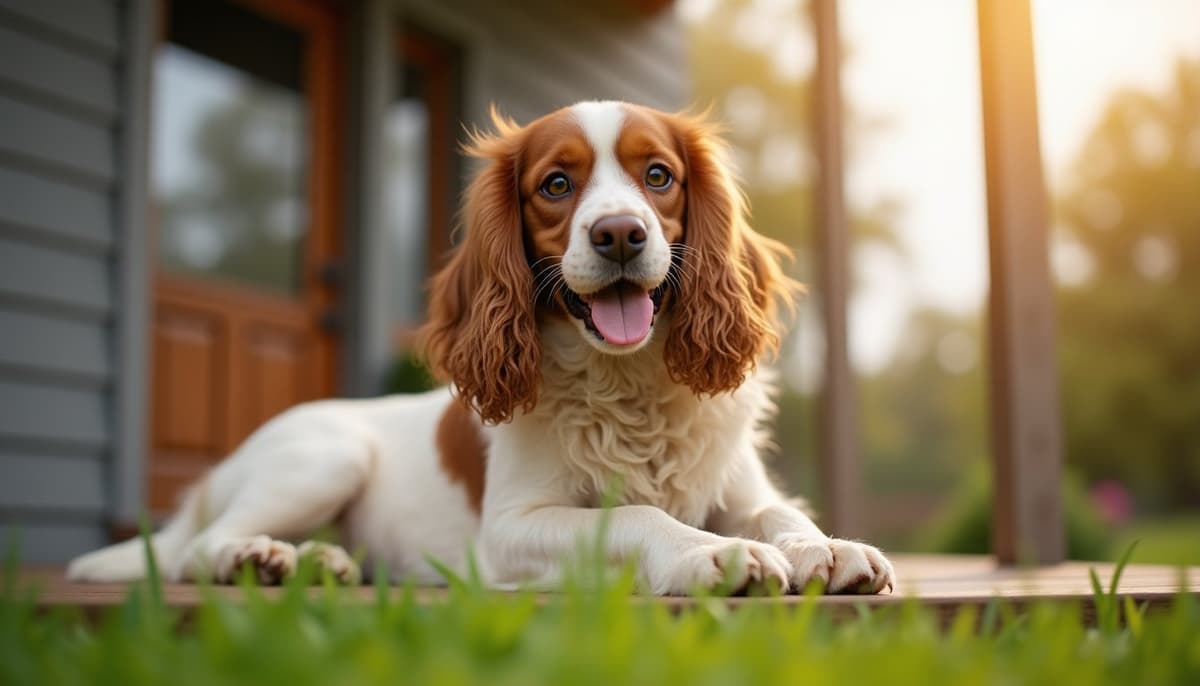 Sesamoid Fracture in Dogs — What Owners Need to KnowThe most common failure with a sesamoid fracture in dogs isn't a missed radiograph. It's a fragment that shows up clearly on film and gets waved off as a harmless anatomical variant, because bipartite sesamoids are genuinely common in exactly the same breeds that fracture them most often. Rottweilers and…Read the guide →
 What Do I Need to Know About Shoulder Instability in Dogs?A front-leg lameness that fades with rest, returns within days of normal activity, and looks unremarkable on radiographs is rarely a pulled muscle. In active dogs, that pattern points toward medial shoulder instability (MSI), a stretching or tearing of the medial glenohumeral ligament and subscapularis tendon that hold the humeral…Read the guide →
 What do I need to know about post-surgical recovery in dogs?The riskiest moment in your dog's recovery is almost never the surgery itself. It is day five or six at home, when the anaesthetic fog has lifted, the incision has stopped stinging, and a dog who suddenly feels excellent launches off the sofa. The setbacks that send owners back to…Read the guide →
 Obesity Joint Strain in Dogs — What Owners Must KnowIn a 14-year study of 48 Labrador Retrievers run by Nestle Purina and published in the Journal of the American Veterinary Medical Association in 2002, dogs fed 25% less than their littermates lived a median of 13.0 years against 11.2 years for the control group, and radiographic hip osteoarthritis appeared…Read the guide →
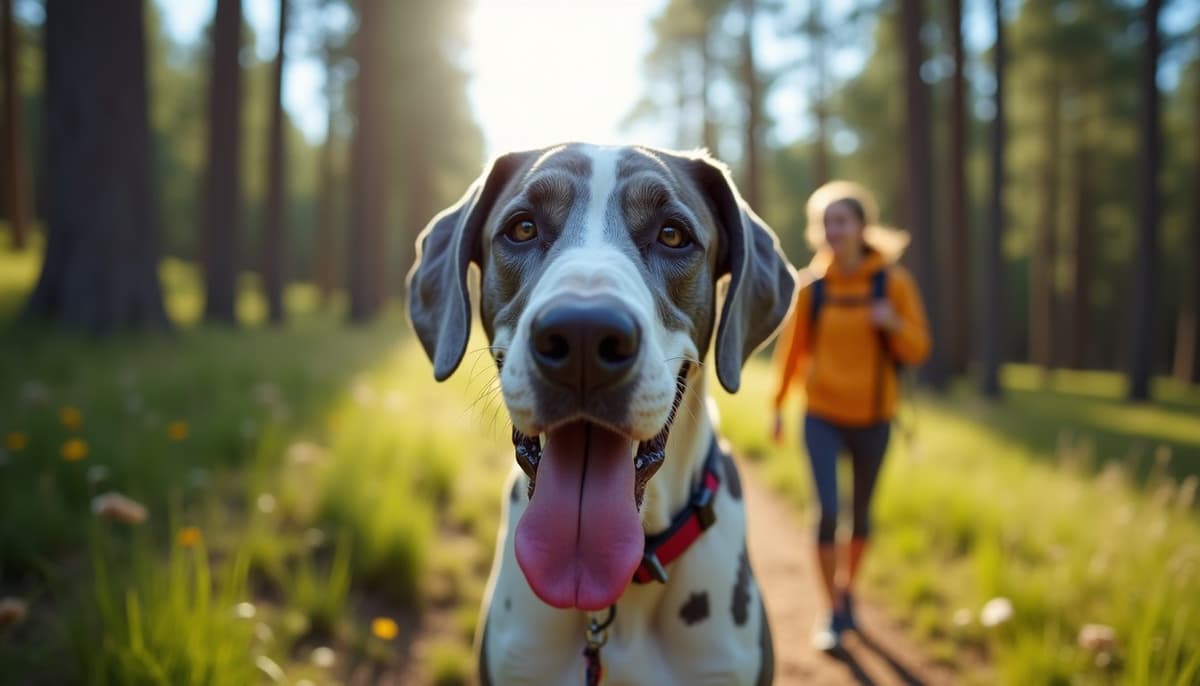 Spay Recovery in Dogs — What Every Owner Must KnowThe riskiest moment in a spay is not the operating table. It is day five, when your dog feels well enough to sprint at the doorbell while her abdominal wall has regained only part of its original tensile strength. Most post-operative problems owners run into are not surgical failures at…Read the guide →
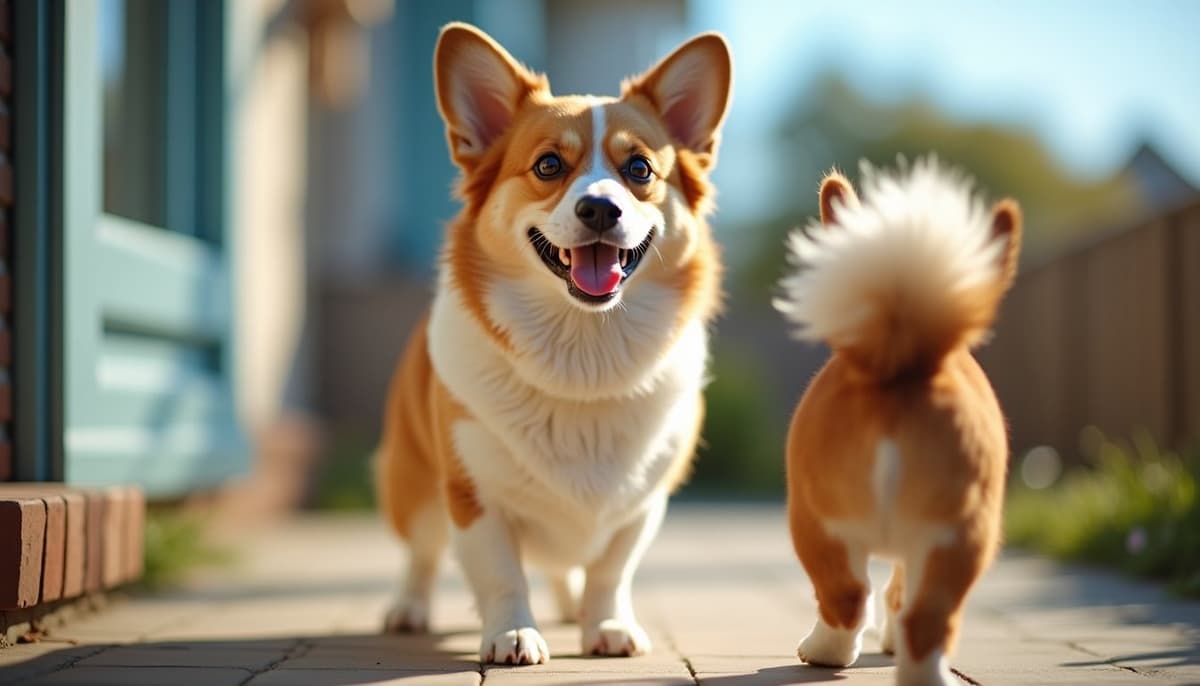 Shoulder OCD in Dogs — What Owners Need to Know | K9-REPAIRShoulder OCD does not begin with an injury. It begins months earlier, inside a layer of growth cartilage that failed to turn into bone, and by the time a young Labrador starts favouring a front leg after play, the flap has been forming for weeks.…Read the guide →
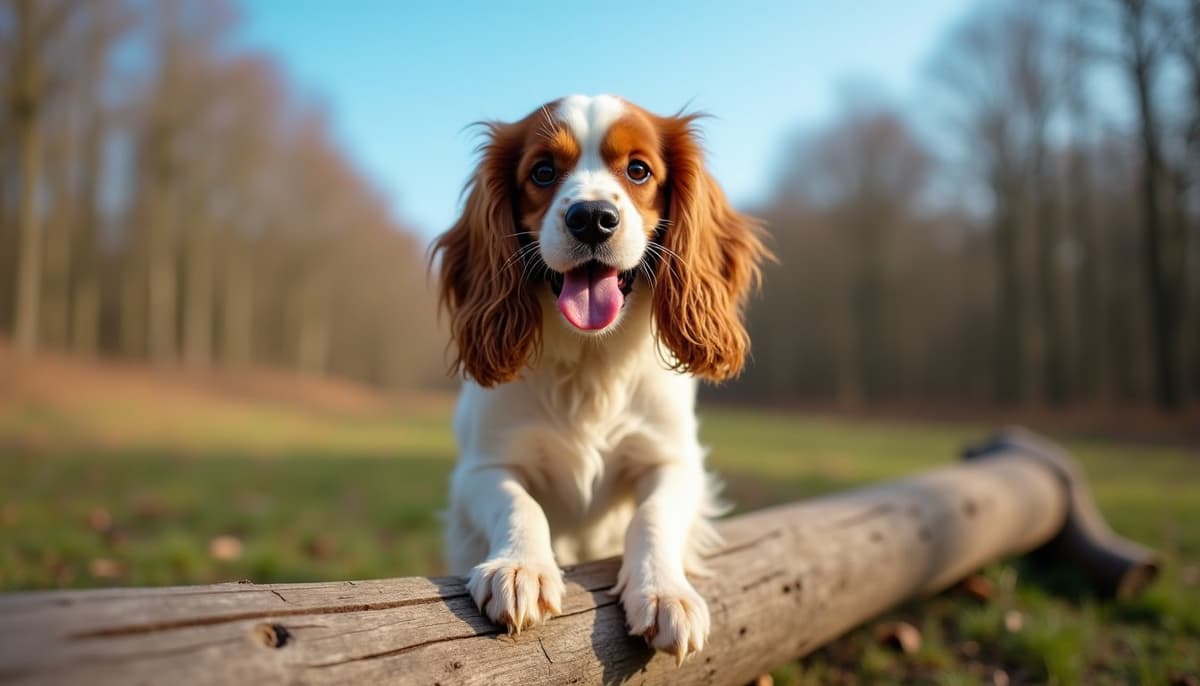 Wound Healing in Dogs — What Owners Need to Know | pawgenThe most common mistake owners make with a dog's wound is not failing to clean it. It is cleaning it too aggressively, too often, with a product that destroys the exact cells doing the repair work. Hydrogen peroxide is cytotoxic to fibroblasts and keratinocytes, the two cell populations rebuilding the…Read the guide →
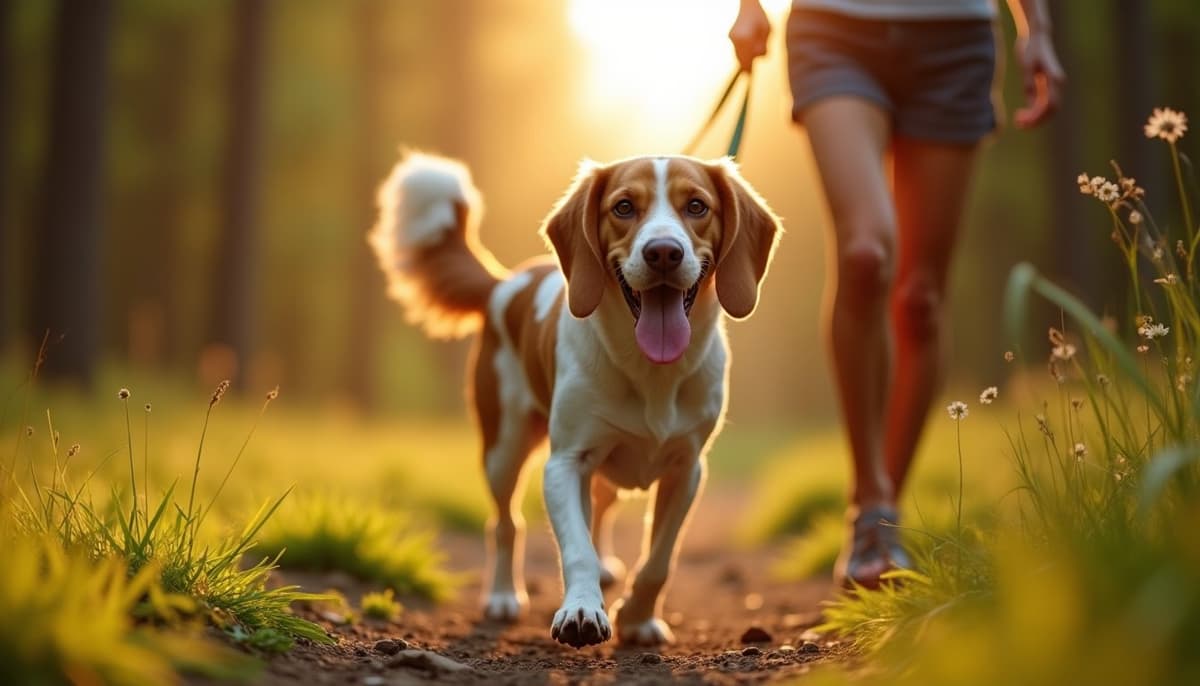 Wobbler Syndrome in Dogs — Signs, Care & What HelpsThe wobble is almost never the first sign. In most large breed dogs, the earliest physical evidence of cervical spinal cord compression is mechanical rather than dramatic: a scuffed outer nail on a hind foot, a paw that knuckles over for half a second on a tight turn, or a…Read the guide →
 Torn ACL in Dogs: What Owners Need to Know | pawgenMost dogs diagnosed with a torn ACL never tore anything in a single dramatic moment. Veterinary orthopaedic sources describe canine cranial cruciate ligament rupture far more often as a degenerative failure than a clean traumatic one: the ligament frays across months, and the injury the owner witnesses is simply the…Read the guide →
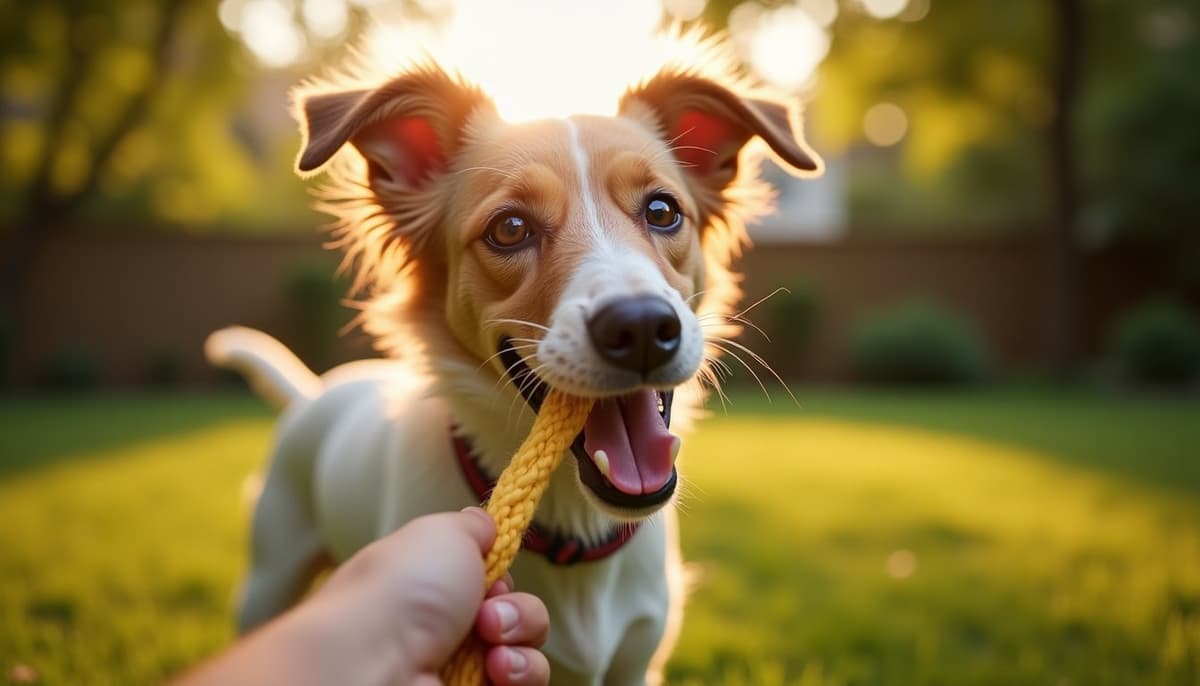 What Do I Need to Know About Torn Ligament in Dogs?Most owners picture a torn ligament in dogs the way they picture a footballer's blown ACL: one bad landing, one audible pop, one moment that changes everything. That is rarely what happens. In dogs, the cranial cruciate ligament (CCL), the anatomical equivalent of the human ACL, usually degenerates quietly over…Read the guide →
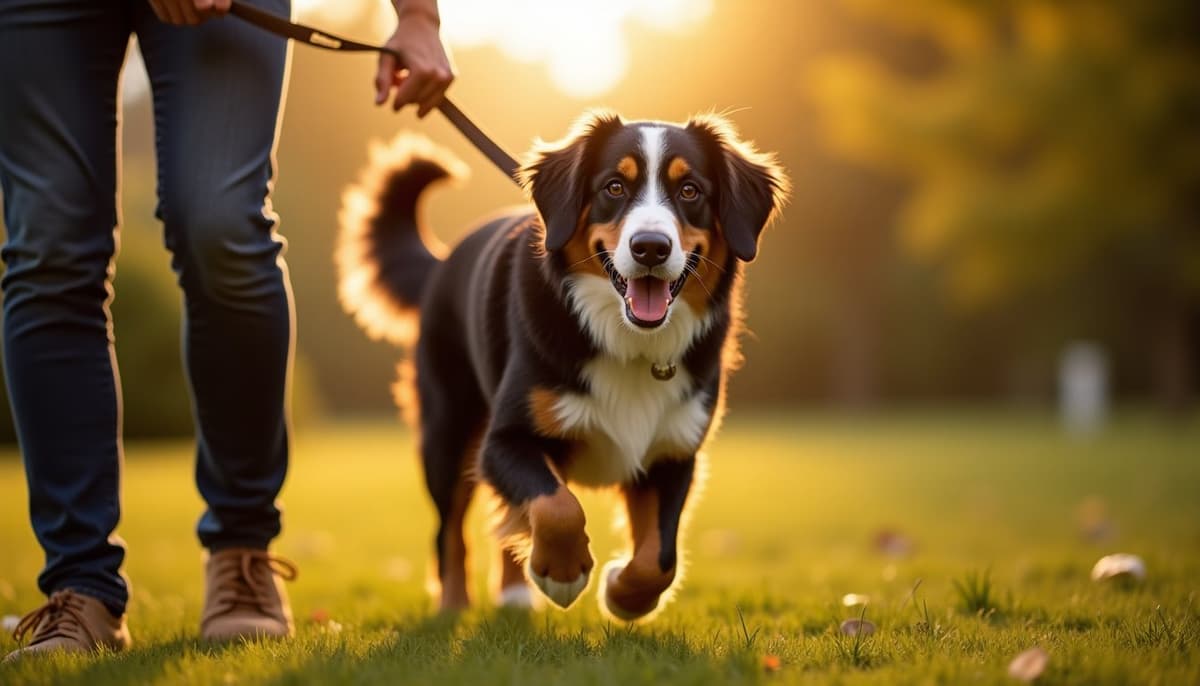 Tendonitis in Dogs: Signs, Causes and Treatment OptionsThe most common mistake owners make with tendonitis in dogs is not picking the wrong supplement. It is ending the rest period the week the limp disappears. Tendon pain settles long before tendon tissue regains its tensile strength, and that gap between comfort and structural repair is where most recurrences…Read the guide →
 Tendon Injury in Dogs — What Owners Need to Know | pawgenThe most common mistake owners make with a canine tendon injury isn't missing the limp. It's what they do in week three, when the limp fades and the dog starts asking for the ball again. Tendon tissue regains the appearance of function long before it regains tensile strength, and the…Read the guide →
 TPLO Surgery Recovery in Dogs — Owner Hub | pawgenMost TPLO setbacks happen around week three, not on the operating table. By then the incision looks tidy, the dog is trotting to the door, and the osteotomy (the surgical cut through the top of the tibia) is still weeks away from radiographic union. That gap between how a dog…Read the guide →
 What do I need to know about TPLO recovery in dogs?The surgery is rarely the hard part. A tibial plateau levelling osteotomy (TPLO), the procedure developed by veterinary surgeon Barclay Slocum for cranial cruciate ligament (CCL) rupture, is one of the most standardised orthopaedic operations in small animal practice, and the bone cut is usually healing well on follow-up radiographs…Read the guide →
 Surgical Incision Healing in Dogs — What Owners Must KnowMost post-operative incision failures do not begin with a surgical error or a hospital-acquired infection. They begin with a tongue. Veterinary surgical guidance is consistent that an Elizabethan collar should stay on until sutures or staples are removed, and yet the cone is usually the first thing to come off…Read the guide →
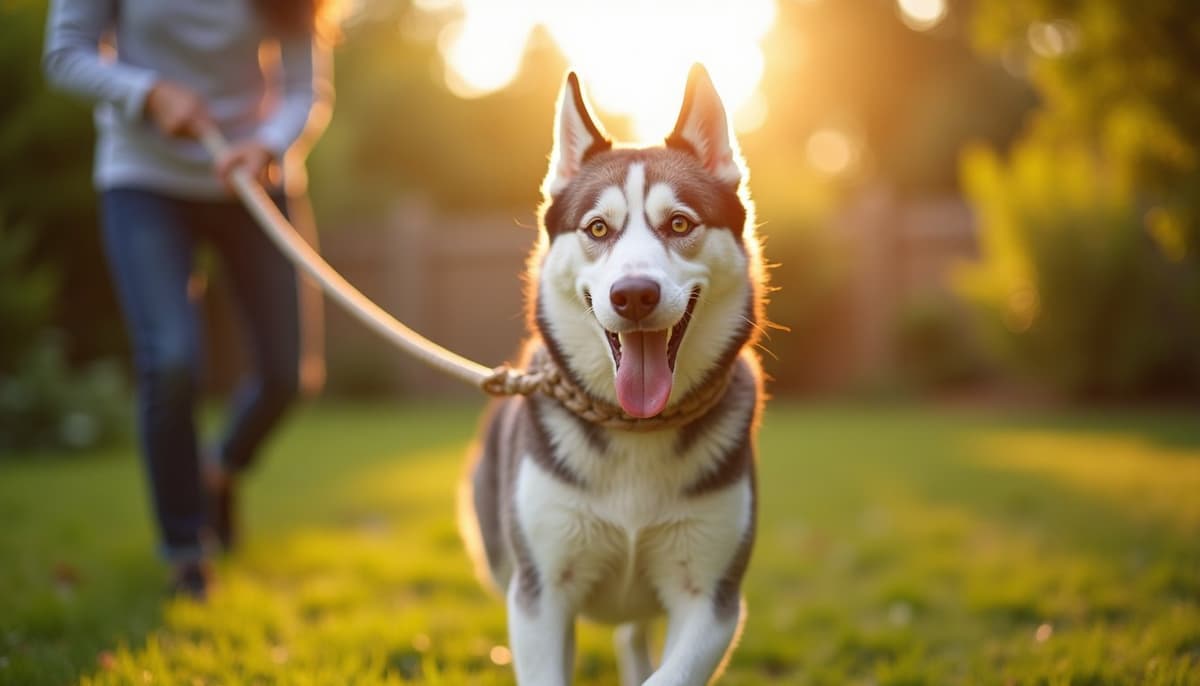 Stress Fracture in Dogs — Signs, Healing & RecoveryThe limp that vanishes after ten minutes of movement is the one that should worry you most. A displaced fracture hurts constantly and obviously. A stress fracture behaves differently: the dog warms out of the lameness, trots normally at the park, then stiffens up hours later on the kitchen floor.…Read the guide →
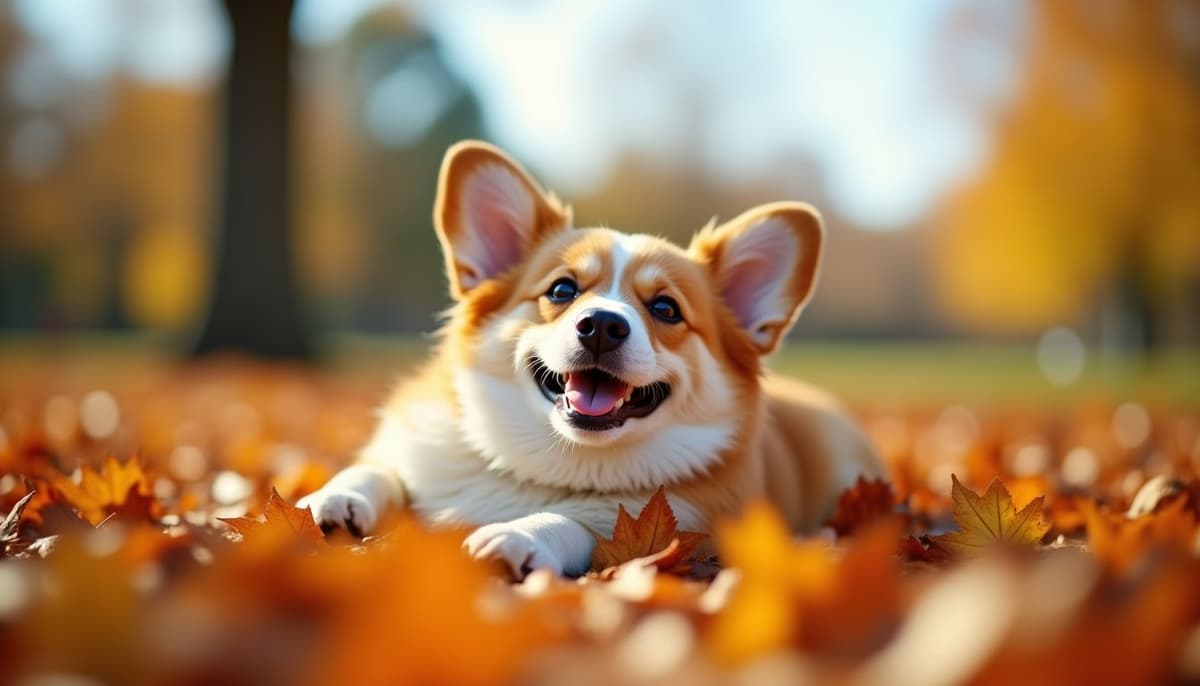 Spondylosis in Dogs: Signs, Causes & Care | pawgenThe most common misconception about spondylosis in dogs has nothing to do with treatment. It starts with the radiograph. One dog shows dramatic bony bridging between vertebrae and still sprints after a ball; another dog with two small spurs hesitates before jumping onto the sofa. The picture and the pain…Read the guide →
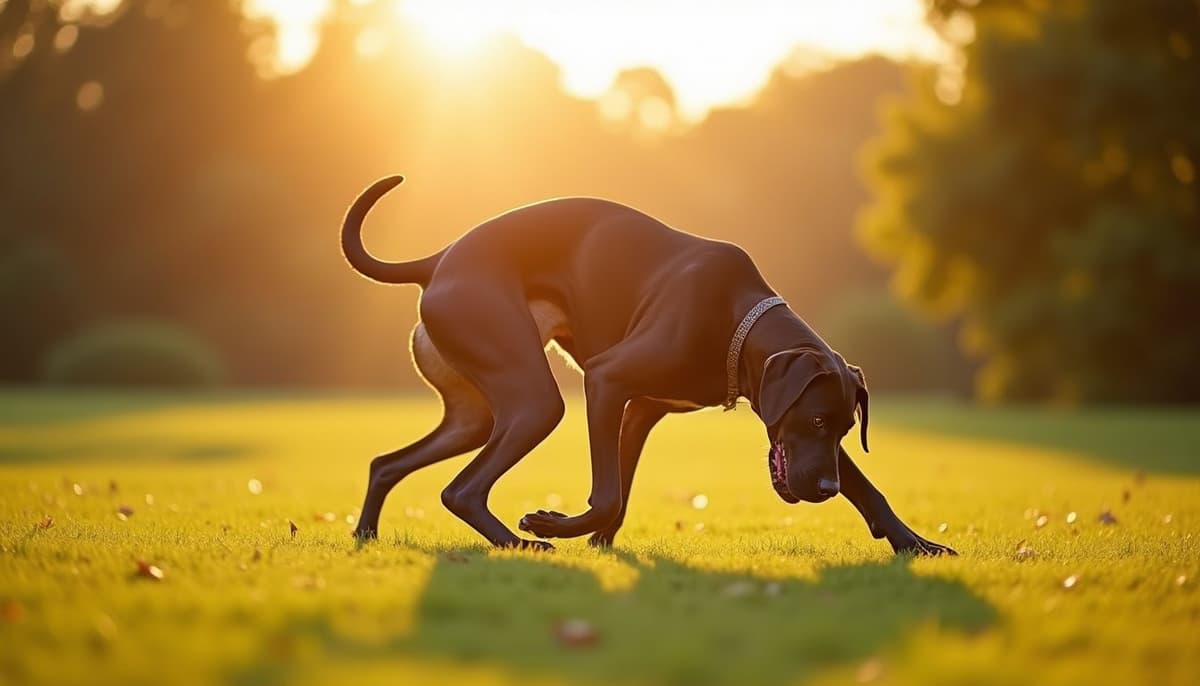 What Do I Need to Know About Spinal Injury in Dogs?The most dangerous spinal injury in dogs is frequently the one that stops hurting. When a disc extrusion compresses the cord hard enough, the screaming stops, the legs go quiet, and owners read that silence as improvement. It is usually the opposite.…Read the guide →
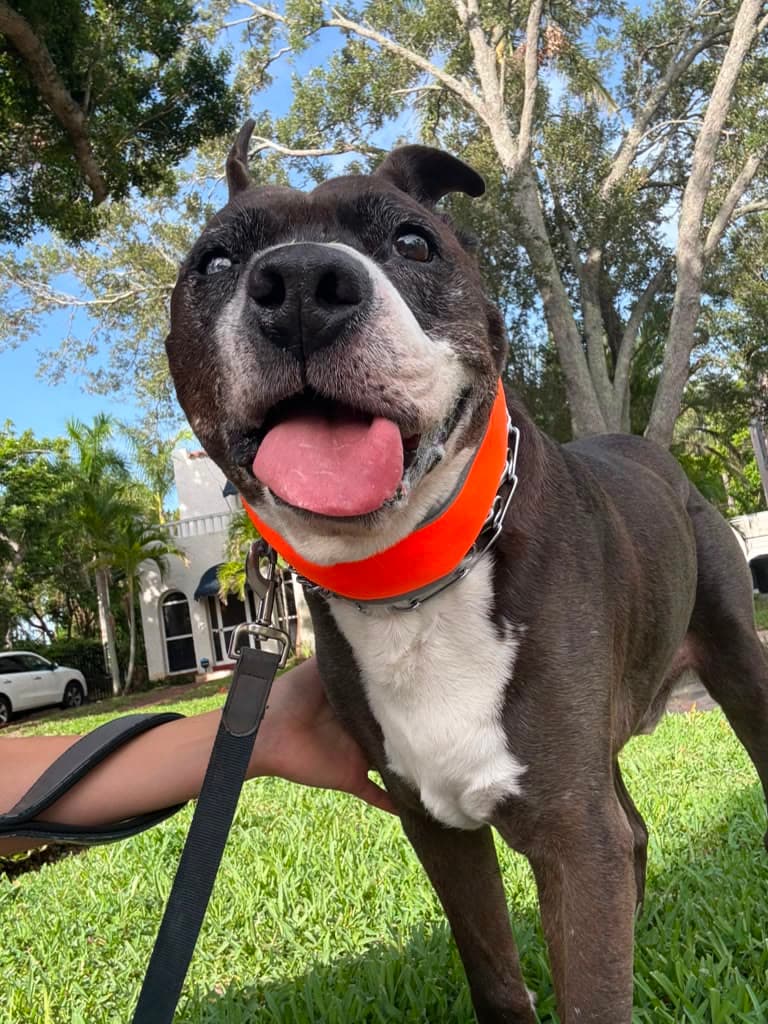
Conditions · 77 guides
Conditions
Every joint, ligament and mobility condition we cover, from CCL tears to hip dysplasia. Start here if your dog has a diagnosis.