Dog Joint Care in Iowa — Costs, Providers and Options
Most owners budget for the supplement and get blindsided by the diagnostics. Before a single capsule or injection enters the picture, a lameness workup with sedated radiographs typically runs into the hundreds of dollars at Midwest practices, and that imaging is what separates early osteoarthritis from a torn cruciate ligament.…
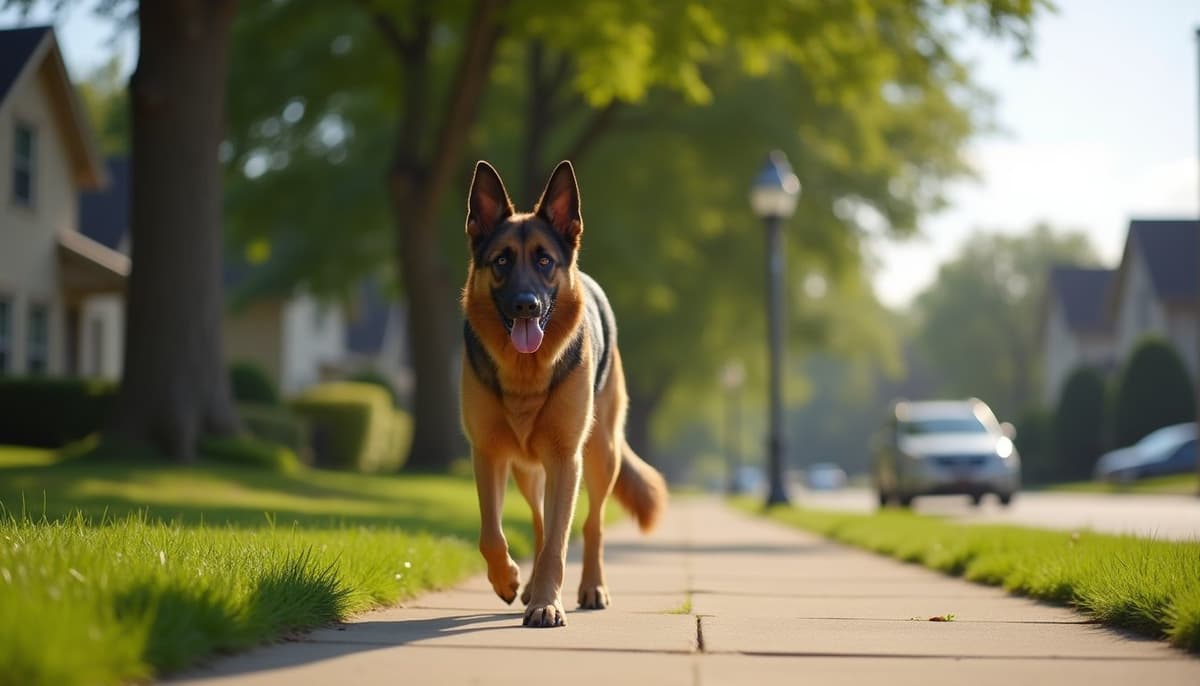
What are the options for dog joint care in Iowa?
Most owners budget for the supplement and get blindsided by the diagnostics. Before a single capsule or injection enters the picture, a lameness workup with sedated radiographs typically runs into the hundreds of dollars at Midwest practices, and that imaging is what separates early osteoarthritis from a torn cruciate ligament. Two very different budgets follow from that one result.
We formulate joint support products for working and aging dogs at K9-REPAIR, and the pattern in dog joint care Iowa inquiries is relentlessly consistent. Owners contact us after the limp, not before it.
What are the options for dog joint care in Iowa?
Dog joint care in Iowa runs across four tiers: daily nutraceuticals such as glucosamine, chondroitin and omega-3 fatty acids; prescription pain control including carprofen or grapiprant; injectable and rehabilitation-based care such as Adequan Canine and underwater treadmill work; and orthopedic surgery, which commonly runs into the thousands per joint. Most dogs begin at tier one and escalate only under veterinary guidance.
The oversimplification worth killing is the idea that joint supplement describes one product category. It does not. Substrate ingredients, immune-modulating collagen, marine lipids and emerging-science peptides act through entirely separate pathways, which is why swapping one for another changes the outcome in the same dog. What follows covers realistic Iowa cost bands, the mechanism behind each option, and the seasonal and terrain pressures that push Iowa dogs into trouble earlier than owners expect.
What Dog Joint Care Iowa Costs, From First Exam to Long-Term Plan
Dog joint care Iowa pricing splits into four bands, and knowing them before the appointment prevents sticker shock. A general exam typically runs roughly $60 to $100 at most Iowa practices. Sedated hip and stifle radiographs usually land in the low hundreds. Daily nutraceuticals typically cost roughly $20 to $60 per month depending on dog size and formula quality.
Prescription pain control sits higher. Non-steroidal anti-inflammatories such as carprofen (Rimadyl) and the EP4 prostaglandin receptor antagonist grapiprant (Galliprant) generally cost roughly $30 to $80 monthly for a medium-sized dog. Bedinvetmab (Librela), an anti-nerve growth factor monoclonal antibody approved by the FDA in 2023 for canine osteoarthritis pain, is billed as a monthly in-clinic injection. Adequan Canine, an FDA-approved polysulfated glycosaminoglycan injectable, is given as a multi-week loading course. Rehabilitation and hydrotherapy are priced per session. Surgery is the outlier: cruciate procedures such as a TPLO commonly run into the thousands per knee, and referral cases often route to the Lloyd Veterinary Medical Center at Iowa State University in Ames. Ranges vary widely by clinic, county and dog size, so collecting two quotes is worth the phone calls.
City-level breakdowns go deeper than a statewide average can. Des Moines metro readers can start with dog joint pain ankeny ia and peptides for pets ankeny ia for dogs. Urbandale owners have the most detailed set: dog supplements urbandale ia, pet supplements urbandale ia for dogs, peptides for dogs urbandale ia, dog peptides urbandale ia, peptides for pets urbandale ia for dogs and dog joint pain urbandale ia. In the Cedar Valley, see dog supplements cedar falls ia, pet supplements cedar falls ia for dogs, peptides for dogs cedar falls ia and dog peptides cedar falls ia.
Why Two Dogs on the Same Glucosamine Get Different Results
Glucosamine sulfate and chondroitin sulfate are substrate precursors. They supply raw material for glycosaminoglycan synthesis in articular cartilage and synovial fluid, and their oral bioavailability is modest and variable between dogs, which is the single largest reason two similar dogs on the same label respond differently. Undenatured type II collagen works through a completely different route, acting on gut-associated immune tolerance rather than substrate loading, which is why it is dosed in milligrams rather than grams. Marine sources such as green-lipped mussel (Perna canaliculus) and fish-derived EPA and DHA shift eicosanoid production toward less inflammatory mediators.
Here is the mistake we see most in our support inbox, and it has nothing to do with ingredients. Owners quit at week three. Nutraceutical joint support is not a pain reliever with a same-day onset, and research on cartilage-directed ingredients generally reflects a four to eight week window before functional change is observable. Stopping at day twenty guarantees you learn nothing about whether the product suited your dog.
Peptides are where the emerging science is moving fastest. BPC-157, a synthetic pentadecapeptide derived from a gastric protein sequence, and TB-500, a fragment related to thymosin beta-4, have been studied primarily in laboratory models of tendon, ligament and soft tissue repair, where research suggests effects on angiogenesis and fibroblast migration. Neither is an FDA-approved veterinary drug, both are sold for educational and research purposes, and owners report their own outcomes while the clinical literature continues to emerge. The information here is educational; diagnosis, medication decisions and any change to an existing prescription belong with your veterinarian, and pregnant, nursing or growing dogs should never be dosed with anything without that conversation first.
The Dog Joint Care Iowa Owners Underestimate: Season, Surface and Workload
Iowa produces a specific injury pattern, and it follows the calendar. From December through March, activity collapses, dogs lose gluteal and hamstring mass through simple disuse, and then April arrives with full-speed sprinting on a deconditioned frame. That mismatch is where soft tissue injuries cluster.
Surfaces compound it. Ice on driveways and slick hardwood or laminate floors remove the traction a dog needs to load a hip evenly, so the dog compensates by shifting weight forward, which accelerates wear on the contralateral limb. Pheasant season dogs running corn stubble and fence lines take repeated concussive loading on the carpus and stifle across long October and November days with no conditioning ramp. Farm dogs jumping from truck beds absorb that impact through the shoulder and elbow every single time.
Three interventions do more than any bottle. Keeping body condition at the lean end of the 1 to 9 scale reduces load at every step, and it is the only variable that improves joint mechanics without a purchase. Adding traction with runners and non-slip mats changes gait mechanics immediately. Warming up with five to ten minutes of walking before hard activity raises tissue temperature and elasticity before the sprint, not after it. Our team hears the same October phone call every year from bird dog owners, and it is almost always a dog that went from couch to fifteen thousand steps in one weekend.
Dog Joint Care Iowa: Option and Cost Comparison
This table sets the four tiers against each other on cost, mechanism and realistic timeline so escalation decisions are made on evidence rather than panic.
| Option | How it works | Typical Iowa cost | Time to notice change | Bottom Line |
|---|---|---|---|---|
| Daily nutraceuticals (glucosamine, chondroitin, omega-3, collagen) | Supplies cartilage substrate and modulates inflammatory mediators | Roughly $20 to $60 per month | 4 to 8 weeks | Sensible baseline for early stiffness and maintenance in working dogs, not a rescue for acute pain |
| Prescription NSAIDs and targeted analgesics (carprofen, grapiprant, bedinvetmab) | Blocks COX or EP4 signalling, or binds nerve growth factor to reduce pain transmission | Roughly $30 to $80 monthly, injections billed per visit | Days | Strongest short-term comfort, requires veterinary monitoring of liver and kidney values |
| Injectables and rehabilitation (Adequan Canine, hydrotherapy, laser) | Adds polysulfated glycosaminoglycan to the joint and rebuilds supporting muscle | Loading course plus per-session rehab pricing | 3 to 6 weeks | Best value for post-injury dogs where muscle loss is the real limiter |
| Orthopedic surgery (TPLO, FHO, total hip) | Mechanically stabilises or replaces the failed structure | Commonly thousands per joint | 8 to 16 weeks of recovery | The only answer for structural failure, and delay usually raises the final cost |
Key Takeaways
- Diagnostics come before products: sedated radiographs determine whether you are managing osteoarthritis or a torn cruciate ligament, and the two paths have completely different budgets.
- Nutraceutical joint support generally needs 4 to 8 weeks before functional change shows, so quitting at week three tells you nothing.
- Adequan Canine and bedinvetmab (Librela) are FDA-approved veterinary options, while BPC-157 and TB-500 are not approved veterinary drugs and are sold for educational and research use only.
- Keeping a dog lean on the 1 to 9 body condition scale is the only intervention that reduces joint loading at every step without a recurring cost.
- Iowa winters drive muscle loss through disuse, and the resulting spring and October activity spikes are when soft tissue injuries cluster.
- Referral orthopedic cases across the state frequently route to the Lloyd Veterinary Medical Center at Iowa State University in Ames.
What If: Dog Joint Care Scenarios
What if my dog is wobbly in the back end after a cold night?
Book a veterinary exam rather than starting anything new at home. Cold-weather stiffness that resolves within a few minutes of movement points toward osteoarthritis, but a hind end that stays unstable, crosses over, or drags a toe can signal intervertebral disc disease or degenerative myelopathy, which are neurological rather than orthopedic. A supplement cannot distinguish between those, and a neurological exam takes minutes.
What if my vet already prescribed carprofen and I want to add joint support?
Bring the supplement label to your veterinarian before adding it, and never stop a prescribed medication on your own. Omega-3 fatty acids at meaningful intake can affect platelet function, and stacking products with overlapping ingredients raises total dose without you realising it. Combined plans are common in practice, but the prescriber needs to see the full list.
What if surgery is recommended and the cost is out of reach right now?
Ask the clinic for a written staged plan instead of declining outright. Many Iowa practices will sequence a course of pain control, structured rest, weight reduction and rehabilitation to hold the dog comfortable while financing or a referral consult is arranged. Delay carries a real cost though, because an unstable stifle accumulates cartilage damage that surgery cannot undo later.
The Unsentimental Truth About Dog Joint Care Iowa
Let's be direct about this: no supplement, peptide or injection outperforms getting the weight off. A dog carrying extra pounds is loading every hip, stifle and elbow harder on every stride, and no product on the market compensates for that. Owners spend hundreds per year on bottles while the food bowl stays unmeasured. Get the diagnosis, get the weight to the lean end of the scale, build the supporting muscle, then decide what to add on top.
Dog joint care Iowa decisions get made in a hurry, usually in a exam room after a limp has already appeared, which is exactly the wrong moment to be comparison shopping. The owners who spend the least over a dog's lifetime are the ones who started conditioning, traction and weight management while the dog was still sound. Stiffness is not a problem that arrives one morning. It is the visible end of a process that has been running for a couple of years, and the earlier you interrupt it, the fewer options you have to buy later.
Frequently asked questions
- What can I give a dog that is wobbly back end?
- Nothing until a veterinarian examines the dog, because a wobbly back end can be orthopedic or neurological. If the exam confirms osteoarthritis, options typically include prescription pain control, omega-3 fatty acids, glucosamine and chondroitin, and rehabilitation to rebuild hind end muscle. Traction mats and a ramp help immediately at no ongoing cost.
- Is a dog wobbly back end an emergency?
- It can be. Sudden hind limb weakness, dragging toes, a painful back, or loss of bladder control warrants same-day veterinary care, because intervertebral disc disease and fibrocartilaginous embolism are time-sensitive. Gradual stiffness that eases after a few minutes of walking is less urgent but still deserves an exam within days.
- Why is my dog loss of muscle in back legs?
- Hind limb muscle loss usually reflects disuse, pain or nerve involvement. Dogs offload a painful hip or stifle, and the gluteal and quadriceps muscles atrophy within weeks. Other causes include degenerative myelopathy, lumbosacral nerve compression, endocrine disease and age-related sarcopenia. A veterinary exam with imaging separates orthopedic pain from neurological disease.
- Should I worry if my dog is loss of muscle in back legs?
- Yes, it is worth investigating rather than accepting as normal ageing. Asymmetric muscle loss on one side almost always signals pain or nerve involvement in that limb. Muscle mass supports joint stability, so atrophy accelerates joint wear in a feedback loop. Earlier diagnosis widens the treatment options and lowers the eventual cost.
- When should I take a dog to the vet for loss of muscle in back legs?
- Book an appointment as soon as you notice a size difference between the hind legs, a change in how the dog rises, or reluctance on stairs. Same-day care is warranted for sudden weakness, toe dragging, incontinence or spinal pain. Waiting for a clear limp usually means weeks of muscle already lost.
- What can I give a dog that is loss of muscle in back legs?
- Muscle is rebuilt with protein and controlled exercise, not with a single product. After a veterinary diagnosis, plans commonly combine adequate dietary protein, structured rehabilitation such as underwater treadmill or sit-to-stand work, and pain control so the dog will load the limb. Supplements support the joint but do not replace loading.
- How much does dog joint care Iowa cost per month?
- Most Iowa owners spend roughly $20 to $60 monthly on daily joint supplements and roughly $30 to $80 monthly on prescription pain control for a medium-sized dog. Monthly injections, rehabilitation sessions and diagnostics are billed separately. Pricing varies widely by clinic, county and dog size, so collect two quotes.
- Which is better for dog joint care Iowa: supplements or prescription medication?
- They do different jobs. Prescription analgesics such as carprofen or grapiprant reduce pain within days and are the correct tool for a dog that hurts now. Nutraceuticals work slowly on cartilage substrate and inflammatory mediators over four to eight weeks. Many veterinary plans use both, which is a conversation for your prescriber.
- Are BPC-157 and TB-500 legal to buy for dogs in Iowa?
- They are sold in Iowa for educational and research purposes and are not FDA-approved veterinary drugs. Research on both has been conducted largely in laboratory soft tissue models, and owner accounts are anecdotal rather than clinical evidence. Anyone considering them for a dog should discuss it with their veterinarian first.
- Can puppies or pregnant dogs take joint supplements?
- That decision belongs to your veterinarian, not to a label. Growing puppies, pregnant dogs and nursing dogs have different nutrient requirements and different sensitivities, and large-breed puppies in particular can be harmed by mineral and calorie imbalances. Ask your vet before giving any joint product to a dog in these groups.
- How long before joint supplements start working in dogs?
- Plan on four to eight weeks before functional change is visible, because substrate ingredients like glucosamine and chondroitin act on cartilage and synovial fluid over time rather than blocking pain signals. Owners who stop at three weeks never learn whether the product suited their dog. Track stairs, rising time and stride length weekly.
- Does cold weather in Iowa make dog arthritis worse?
- Cold itself does not damage joints, but Iowa winters reduce activity for months, and that disuse causes muscle loss around the hip and stifle. Less muscle means less joint stability, so the spring return to full-speed activity lands on an underprepared frame. Indoor conditioning and traction through winter blunt that swing.
Educational content. BPC-157 and TB-500 are not FDA-approved veterinary drugs. Talk to your veterinarian before starting anything new, especially if your dog is on prescribed medication.