Dog Joint Care in Utah: Costs, Providers and Options
The most expensive part of canine joint disease is rarely the operating room. It is the eighteen months of intermittent limping beforehand, when an owner cycles through chews, rest, and repeat exams while articular cartilage keeps thinning. By the time radiographs finally happen, the cheap options have expired.…
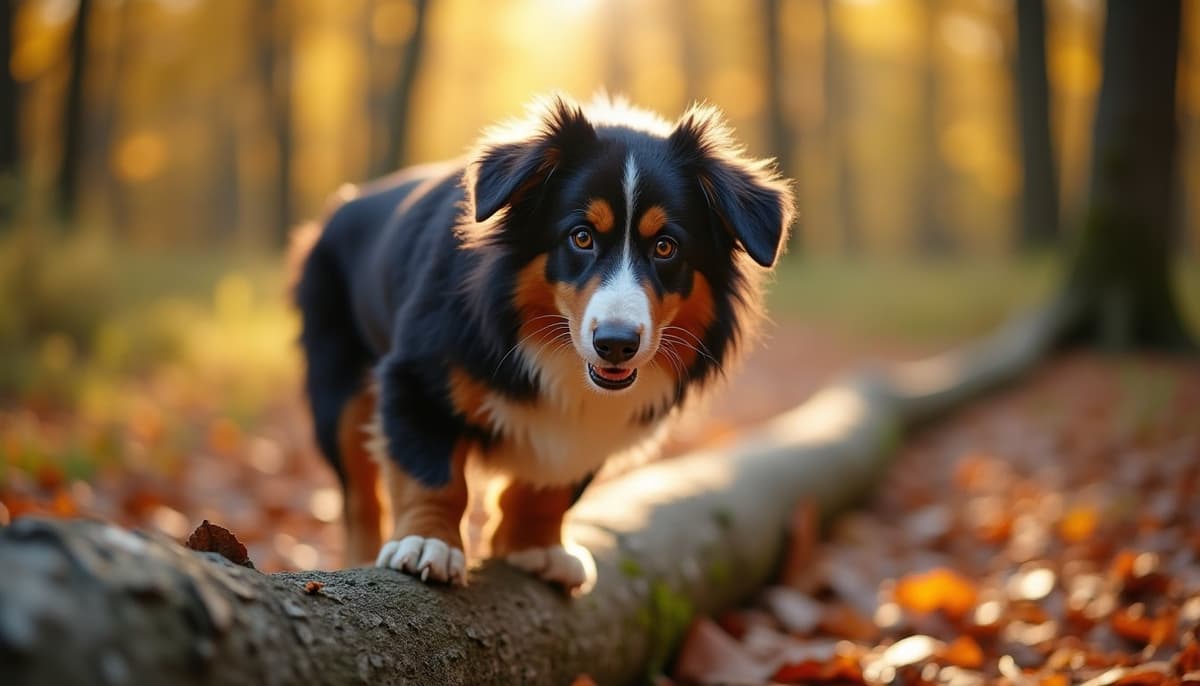
What are the options for dog joint care in Utah?
The most expensive part of canine joint disease is rarely the operating room. It is the eighteen months of intermittent limping beforehand, when an owner cycles through chews, rest, and repeat exams while articular cartilage keeps thinning. By the time radiographs finally happen, the cheap options have expired.
The dog joint care Utah questions that surface most often come from owners sitting somewhere between a first limp and a surgical estimate. The pattern across owner reports is consistent. The people who spend the least across a dog's lifetime are the ones who got an accurate diagnosis early, not the ones who waited for the limp to justify the bill.
What are the options for dog joint care in Utah?
Dog joint care Utah options fall into five tiers: general veterinary diagnosis and pain medication, board-certified orthopedic surgery, certified rehabilitation and hydrotherapy, integrative care such as acupuncture, and at-home weight and nutrition management. Costs run from roughly $60 for a lameness exam to several thousand dollars per surgical knee. Diagnosis comes first, every time.
Most owners treat joint care as a supplement-aisle decision. It is not. Canine osteoarthritis is a progressive disease involving articular cartilage erosion, synovial membrane inflammation, and compensatory muscle atrophy, and each of those three problems responds to a different intervention. What follows covers state cost bands, which provider type handles what, and where supplements and research peptides honestly fit.
Dog Joint Care Utah Costs: What to Budget by Path
Costs cluster into four bands and the gaps between them are enormous. A general practice lameness exam typically runs roughly $60 to $100, with sedated radiographs of a stifle or hip commonly adding a few hundred dollars. Medical management follows: NSAIDs such as carprofen (Rimadyl) or meloxicam (Metacam) are priced monthly by body weight, and bedinvetmab (Librela), an anti-NGF monoclonal antibody FDA-approved for canine osteoarthritis pain, is billed as a monthly injection. Adequan (polysulfated glycosaminoglycan) is given as an injection series rather than a daily tablet.
Surgery reshapes budgets. TPLO (tibial plateau leveling osteotomy) for a ruptured cranial cruciate ligament, the dog equivalent of a human ACL, typically runs several thousand dollars per stifle at a specialty hospital, and extracapsular repair usually costs less. Hip options span femoral head ostectomy through total hip replacement. Current state ranges sit in our dog acl surgery cost utah guide, the tplo surgery cost utah for dogs breakdown, and the dog hip dysplasia treatment cost utah page, because pricing moves by clinic and by surgeon credentials. If the diagnosis itself is still open, start with dog joint pain utah.
One sequencing detail that comes up for Utah owners constantly: pet insurance purchased after the first limp will almost certainly exclude that joint as a pre-existing condition. That single decision affects lifetime cost more than any product on any shelf.
Where Utah Dog Owners Go: Vets, Rehab and Specialists
Four provider types handle canine joints in Utah, and they are not interchangeable. A general practice veterinarian diagnoses, prescribes, and refers. A surgeon holding ACVS (American College of Veterinary Surgeons) diplomate status handles cruciate, hip, and elbow reconstruction, and that referral capacity is concentrated along the Wasatch Front near Salt Lake City, Ogden, and Provo, which is why owners in St. George or the Uinta Basin often drive for a consult. Our veterinary orthopedic specialist utah for dogs page explains what that referral involves.
The third type is rehabilitation. A CCRP or CCRT credentialed practitioner builds loading programs, targets quadriceps and gluteal atrophy, and uses underwater treadmill work to restore range of motion at reduced joint load. Start with canine rehabilitation utah, then dog physical therapy utah for land-based protocols and dog hydrotherapy utah for water. The fourth is integrative care, covered in our holistic vet utah and dog acupuncture utah guides.
Here is the observation most guides skip. Owners managing this day to day describe a dog that is fine on the trail, and they are describing something real. Dogs under arousal suppress pain expression, so a canyon hike looks flawless and the limp surfaces six to twelve hours later that evening. Assess after rest, not during activity. The same masking effect is why bilateral cruciate disease gets missed: when both stifles hurt equally, the gait reads as stiff rather than lame.
The cheapest effective intervention appears on no invoice. Body condition score is graded 1 to 9, and every point above 5 adds load to already inflamed joints. Weight reduction carries the strongest evidence of anything an owner controls at home.
Supplements, Peptides and What the Research Actually Shows
Not everything sold as joint support carries equal evidence, and the hierarchy is easy to state plainly. Marine omega-3 fatty acids (EPA and DHA) have the most consistent support in canine osteoarthritis research, because they compete with arachidonic acid in the eicosanoid pathway and shift production toward less inflammatory mediators. That is a mechanism, not a promise. Glucosamine hydrochloride and chondroitin sulfate remain popular with mixed trial results. Undenatured type II collagen and green-lipped mussel (Perna canaliculus) appear in the literature with smaller data sets. Adequan is not a supplement at all; it is a prescription injectable.
Research peptides belong in a separate category, and the distinction matters. BPC-157 is a synthetic pentadecapeptide based on a sequence identified in gastric juice, and TB-500 is a synthetic fragment related to thymosin beta-4. Published work is largely preclinical and rodent-based, examining angiogenesis, fibroblast migration, and tendon-to-bone healing. Research suggests those pathways are relevant to connective tissue repair. That is a very different sentence from a claim about your dog's knee. Neither compound is an FDA-approved veterinary drug, owner reports are anecdotal, and nothing here replaces a prescribed medication or a needed procedure.
Utah dog supplements get chosen on packaging far more often than on mechanism, which is the pattern across owner reports in this category. If you are researching it specifically, dog peptides utah covers where to begin and peptides for pets utah outlines what is available for dogs. Everything we publish, including at K9-REPAIR, is educational.
Talk to your veterinarian before adding, changing, or stopping anything in a joint protocol, especially if your dog is already on an NSAID, or is pregnant, nursing, or still growing. Dosing questions for those dogs belong with a vet, never a blog.
Dog Joint Care Utah: Provider and Cost Comparison
Four common paths, compared on cost, what each actually addresses, and how strong the evidence is behind it.
| Option | Typical Utah cost band | What it addresses | Evidence status | Bottom Line |
|---|---|---|---|---|
| GP exam plus radiographs | Roughly $60–$100 exam, plus a few hundred for sedated imaging | Identifies cruciate rupture, hip dysplasia, elbow disease, or soft tissue strain | Standard of care | Non-negotiable first step, because every later decision depends on knowing which structure failed |
| Orthopedic surgery (TPLO, extracapsular, hip procedures) | Typically several thousand dollars per joint | Mechanical instability no drug or exercise can correct | Well established for cruciate rupture | The only path that restores stifle stability; cost tracks surgeon credentials and hospital type |
| Rehabilitation and hydrotherapy | Priced per session, usually a multi-week course | Muscle atrophy, range of motion, post-operative recovery speed | Good support in veterinary rehabilitation literature | Highest-value spend after surgery, and the one most often skipped to save money |
| Nutrition, weight control, supplements, research peptides | Ongoing monthly, generally the lowest band | Inflammatory load, body weight, connective tissue support | Strong for weight loss and omega-3s; limited and preclinical for peptides | Useful alongside veterinary care, never instead of it |
Key Takeaways
- Dog joint care in Utah spans roughly $60 for a lameness exam to several thousand dollars per surgical stifle, and skipping diagnosis inflates the total.
- Board-certified orthopedic referral is concentrated along the Wasatch Front, so owners in southern and eastern Utah should plan travel into the timeline.
- Bedinvetmab (Librela) is an FDA-approved anti-NGF monoclonal antibody for canine osteoarthritis pain and is dosed as a monthly injection by a veterinarian.
- Weight reduction against a body condition score of 5 out of 9 has stronger evidence than any joint supplement on the market.
- BPC-157 and TB-500 are not FDA-approved veterinary drugs, and the research on them is largely preclinical, so treat owner reports as anecdote.
- Pet insurance bought after the first limp will typically exclude that joint permanently as a pre-existing condition.
What If: Dog Joint Care Utah Scenarios
What if my dog only limps after hikes in the Wasatch mountains?
Book a lameness exam anyway, and film the gait at home the morning after a hike. Activity-triggered lameness that resolves with rest is the classic presentation of early cruciate or hip pathology, not proof the joint is fine. Arousal suppresses pain signalling during the hike, which is exactly why the tell shows up hours later.
What if I cannot afford TPLO surgery right now?
Ask the surgeon to price extracapsular repair and to outline a structured conservative management plan in writing. Conservative management is a legitimate option for some dogs, particularly smaller ones, but it means enforced activity restriction, weight control, veterinary pain management, and rehabilitation, not simply waiting. Delaying without a plan usually accelerates meniscal damage and contralateral injury.
What if the nearest orthopedic specialist is hours from where I live?
Use your general practice veterinarian to send radiographs for a remote specialist opinion before committing to the drive. Many Utah owners consolidate the consult, imaging review, and surgery into one trip, then complete rehabilitation closer to home with a CCRP-credentialed practitioner. Post-operative follow-up is where distance actually hurts recovery quality.
The Uncomfortable Truth About Dog Joint Care Utah
Let's be direct about this: nothing you buy online rebuilds a ruptured cranial cruciate ligament. Ligament instability is a mechanical failure, and mechanical failures get corrected mechanically or managed with pain control and load management. Supplements, peptides, laser, and acupuncture are adjuncts around that reality, not replacements for it. The owners who get the best outcomes are unromantic about this. They pay for the diagnosis first, spend real money on rehabilitation second, and treat everything else as support rather than as the plan.
Dog joint care Utah decisions get framed as a product problem when they are almost always a timing problem. The limp that comes and goes for a year is the same disease as the limp that does not, only cheaper to address. Watch your dog on the stairs, at the moment of standing up after a nap, and on the morning after a hard hike. Those three windows will tell you more than any label on a bag, and they cost nothing to check.
Frequently asked questions
- When should I take a dog to the vet for licking a paw constantly?
- Book a visit if the licking continues beyond two or three days, or immediately if the skin is raw, swollen, bleeding, or smells infected. Persistent single-paw licking often signals pain referred from a joint, a foreign body, or an allergic dermatitis, and each needs a different treatment path.
- What can I give a dog that is licking a paw constantly?
- Nothing oral until a veterinarian identifies the cause, because human pain relievers such as ibuprofen and paracetamol are toxic to dogs. Rinsing the paw with plain water, checking between the pads for grass seeds or ice-melt salt, and preventing further licking with a soft cone is the safe interim step.
- Is a dog licking a paw constantly an emergency?
- Usually not an emergency, but it becomes urgent if the paw is bleeding heavily, grossly swollen, or the dog will not bear weight at all. Sudden non-weight-bearing lameness combined with licking can indicate a fracture, a deep puncture, or an acute joint injury requiring same-day assessment.
- Why is my dog reluctant to be touched?
- Touch aversion in dogs is most often pain, not attitude. Osteoarthritis, disc disease, hip or elbow pathology, dental pain, and ear infections all make handling unpleasant, and dogs frequently guard the specific region involved. Sudden onset in a previously tolerant dog points strongly toward a physical cause.
- Should I worry if my dog is reluctant to be touched?
- Yes, treat it as a symptom worth investigating rather than a training issue. Dogs mask discomfort well, so flinching, freezing, or moving away when handled often means the pain has been present for weeks already. Note which body areas trigger it and mention that pattern to your veterinarian.
- When should I take a dog to the vet for reluctant to be touched?
- Schedule an exam within a few days of the behaviour appearing, and go sooner if it comes with limping, a hunched posture, growling when lifted, or reduced appetite. Neck and spinal pain in particular can progress quickly, so early assessment protects both the dog and the people handling it.
- How much does dog joint care Utah typically cost?
- Expect roughly $60 to $100 for a lameness exam, a few hundred dollars more for sedated radiographs, and several thousand per joint for orthopedic surgery such as TPLO at a specialty hospital. Rehabilitation is billed per session over several weeks. Pricing varies by clinic and by surgeon credentials.
- Is rehabilitation worth paying for after TPLO surgery?
- Yes, and it is the part owners most often cut. Surgery restores stifle stability, but quadriceps atrophy and lost range of motion are addressed through controlled loading and underwater treadmill work with a CCRP or CCRT credentialed practitioner. Skipping it commonly leaves a mechanically sound leg that the dog still underuses.
- Do glucosamine supplements actually work for dogs with arthritis?
- Trial results for glucosamine hydrochloride and chondroitin sulfate in dogs are mixed, and the effect sizes reported are modest. Marine omega-3 fatty acids (EPA and DHA) have more consistent support, working through the eicosanoid pathway to reduce inflammatory mediators. Weight reduction still outperforms any supplement available.
- Are BPC-157 and TB-500 safe for dogs?
- Neither BPC-157 nor TB-500 is an FDA-approved veterinary drug, and long-term canine safety data is limited. Research on both is largely preclinical and focused on angiogenesis and connective tissue repair pathways. Any owner considering them should discuss it with their veterinarian, particularly for dogs on existing medication.
- How do I find a board-certified veterinary orthopedic surgeon in Utah?
- Ask your general practice veterinarian for a referral to a surgeon holding ACVS diplomate status, and verify credentials through the American College of Veterinary Surgeons directory. Specialty referral capacity in Utah clusters along the Wasatch Front, so owners in southern and eastern regions should build travel into the plan.
- Which dog breeds are most at risk of joint problems?
- Large and giant breeds including Labrador Retrievers, German Shepherds, Rottweilers, and Golden Retrievers carry elevated hip and elbow dysplasia risk, while Labradors and Rottweilers also feature heavily in cruciate rupture caseloads. Hip screening through OFA or PennHIP evaluation is worth discussing before an active dog is heavily conditioned.
Educational content. BPC-157 and TB-500 are not FDA-approved veterinary drugs. Talk to your veterinarian before starting anything new, especially if your dog is on prescribed medication.